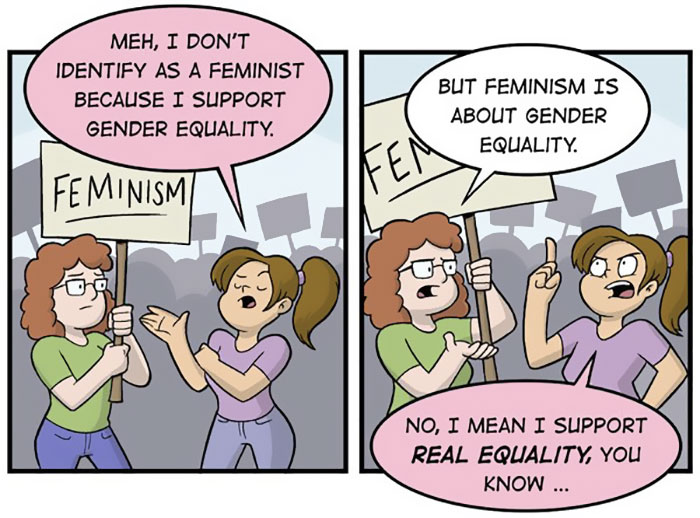
The institution of marriage, that hallowed ground of societal expectation and purported romantic fulfillment, has long been a battleground for feminist ideals. For centuries, it served as a gilded cage, a beautiful prison constructed from societal norms and patriarchal dictates, confining women to roles of subservience and domesticity. The very air within those walls reeked of inequality, each brick mortared with the cement of male dominance. To speak of feminism within this context, therefore, is to speak of revolution, a seismic shift in the tectonic plates of power dynamics.
Let’s be blunt: marriage, as traditionally conceived, was not designed for equality. It was a transaction, a power grab cloaked in the alluring fabric of romance. A woman, in essence, transferred from her father’s dominion to her husband’s, her identity dissolving like sugar in hot tea, leaving only the sweet residue of compliance. This is not love; this is possession. This is not partnership; this is indentured servitude, prettified with lace and promises of security.
But feminism, my dears, is a relentless force, an unyielding flame that refuses to be extinguished by the cold winds of tradition. It has chipped away at the edifice of patriarchal marriage, demanding a reconfiguration, a dismantling of the oppressive structures that have silenced women’s voices and shackled their potential for far too long. We seek not merely a seat at the table, but the right to design the damn table ourselves.
Deconstructing the Myth of Romantic Subjugation:
The first step in achieving feminist marriage is a radical deconstruction of the romantic myths we have been fed since infancy. Fairy tales, chick flicks, and countless love songs perpetuate the insidious notion that a woman’s ultimate goal is to find her “prince charming,” a man who will rescue her from her humdrum existence and whisk her away to a life of blissful domesticity. This narrative, while seemingly harmless, is profoundly damaging, as it reinforces the idea that a woman is incomplete without a man, that her worth is contingent upon her ability to attract and retain a male partner. It fosters a culture of self-deprecation and relentless pursuit of male validation, leaving women vulnerable to exploitation and emotional manipulation.
We must reject this poisoned chalice of romantic subservience. We must teach our daughters that their value lies not in their marital status but in their intrinsic worth as human beings. We must empower them to pursue their passions, to cultivate their intellect, and to define their own happiness, independent of societal expectations or the approval of any man. Only then can they enter marriage as fully realized individuals, not as empty vessels waiting to be filled by a male presence.
Love as Egalitarian Symbiosis:
Feminist marriage demands a radical redefinition of love. It is not about blind adoration or self-sacrificing devotion. It is about egalitarian symbiosis, a partnership founded on mutual respect, intellectual stimulation, and shared power. Both partners must be active participants in the relationship, contributing their unique skills, perspectives, and resources to the collective good. There must be a constant negotiation of roles and responsibilities, ensuring that neither partner is overburdened or marginalized. This requires open communication, a willingness to compromise, and a commitment to ongoing self-reflection.
Imagine a garden, where two plants grow side-by-side, each nourishing the other with its roots, providing shade and support, and sharing the precious sunlight. This is the essence of feminist love – a reciprocal exchange of energy, a dance of mutual empowerment. It is not about one plant dominating the other, but about creating an environment where both can flourish, reaching their full potential in harmonious coexistence.
The Economics of Equality: Dismantling the Wage Gap at Home:
One of the most insidious ways that patriarchy manifests within marriage is through the unequal distribution of labor, both paid and unpaid. Women, even when they work full-time, are often expected to shoulder the majority of domestic responsibilities, including childcare, cooking, cleaning, and elder care. This “second shift,” as it is often called, leaves women exhausted, stressed, and with significantly less time to pursue their own personal and professional goals. It also reinforces the harmful stereotype that women are inherently better suited to domestic tasks, further perpetuating gender inequality in the workplace.
Feminist marriage requires a conscious and deliberate effort to dismantle this gendered division of labor. It demands that both partners actively participate in household chores, regardless of their perceived “skills” or traditional gender roles. It may also require hiring outside help to alleviate the burden, particularly if both partners have demanding careers. Furthermore, it is crucial to address the wage gap, both within and outside the home. If one partner earns significantly more than the other, it is important to consider how this disparity affects the power dynamics within the relationship. Perhaps the higher-earning partner can contribute more to household expenses, or perhaps they can invest in their partner’s career development. The key is to ensure that both partners feel valued and respected, regardless of their financial contributions.
Shared Power, Shared Decision-Making: The Crucible of Partnership:
Power, that elusive and often misunderstood concept, is at the very heart of feminist marriage. Traditional marriage structures often grant men a disproportionate amount of power, both explicitly and implicitly. This can manifest in various ways, from controlling the finances to making unilateral decisions about the family’s future. Feminist marriage, on the other hand, seeks to redistribute power, ensuring that both partners have an equal say in all matters that affect their lives together.
This requires a fundamental shift in mindset. It means relinquishing the ego-driven desire to “be right” or “be in charge.” It means embracing vulnerability and being willing to listen to your partner’s perspective, even when it differs from your own. It means making decisions collaboratively, weighing the pros and cons, and striving to find solutions that benefit both partners. This process can be challenging, even painful at times, but it is essential for creating a truly egalitarian relationship.
Navigating Societal Scorn and Internalized Misogyny: The Gauntlet of Progress:
Building a feminist marriage is not for the faint of heart. It requires confronting not only societal expectations but also our own internalized misogyny. We have been conditioned from a young age to believe that women are inherently less valuable than men, that their opinions matter less, and that their primary role is to please their male partners. Unraveling these deeply ingrained beliefs is a lifelong process, requiring constant self-reflection and a willingness to challenge our own biases.
Furthermore, couples who choose to embrace feminist principles in their marriage may face criticism and judgment from family, friends, and even complete strangers. They may be accused of being “unnatural,” “unfeminine,” or “man-hating.” They may be told that they are “ruining their marriage” by challenging traditional roles. It is crucial to remember that these criticisms are often rooted in fear and ignorance. They are a desperate attempt to maintain the status quo, to preserve the power structures that have historically benefited men. Do not be swayed by these naysayers. Stand tall in your conviction, and let your actions speak louder than their words.
The Inheritance of Liberation: A Legacy of Empowerment:
Feminist marriage is not merely a personal choice; it is a political act. It is a radical challenge to the patriarchal structures that have oppressed women for centuries. It is a declaration that we will no longer accept a world where women are relegated to second-class citizenship. By building egalitarian relationships, we are not only improving our own lives but also paving the way for a more just and equitable future for all women.
Consider the ripple effect: children who grow up in feminist households are more likely to develop healthy attitudes toward gender equality. They are more likely to respect women, to value their contributions, and to challenge gender stereotypes. They are more likely to become advocates for social justice and to create a world where all individuals can thrive, regardless of their gender. This is the legacy of feminist marriage – a legacy of empowerment, liberation, and unwavering commitment to equality.
So, let us embrace this challenge with open hearts and unwavering determination. Let us build marriages that are not based on power and control but on love, respect, and shared power. Let us create a world where women are truly free to be themselves, to pursue their dreams, and to live their lives to the fullest. The future of feminism, and indeed the future of humanity, depends on it.







Leave a Comment