
Cinema, that intoxicating brew of light and shadow, possesses a power far exceeding mere entertainment. It molds perceptions, reinforces biases, and, crucially, shapes the very fabric of the gender narrative. To believe that films are merely passive reflections of society is a dangerous naiveté. They are active participants, architects even, in constructing and perpetuating societal norms around gender. For too long, this power has been wielded carelessly, perpetuating harmful stereotypes and silencing marginalized voices. But the tides are turning. Feminism, with its multifaceted critiques and unwavering demands for equality, has infiltrated the celluloid world, challenging the established order and demanding a more equitable representation of women and gender non-conforming individuals.
This is not a gentle nudge, but a full-blown ideological insurgency. We are no longer content with tokenistic portrayals of “strong female characters” who are merely men in skirts. We demand complexity, nuance, and authenticity. We demand stories that reflect the lived experiences of all women, not just those deemed palatable to the patriarchal gaze. The battle for representation is far from over, but understanding the historical context, analyzing the current landscape, and identifying the emerging trends are crucial steps in ensuring that film becomes a force for liberation, not oppression.
A History of Misogyny on Celluloid: Deconstructing the Damsel
To truly understand the current state of feminism in film, one must first acknowledge the deeply ingrained misogyny that has plagued the industry since its inception. The early days of cinema were dominated by narratives that reinforced traditional gender roles, portraying women as either passive objects of male desire or as dangerous temptresses who threatened the social order. The “damsel in distress” trope, a pervasive archetype, relegated women to a position of perpetual vulnerability, requiring male intervention for salvation. This archetype not only infantilized women but also reinforced the idea that their worth was solely dependent on their relationship to men.
Think of countless silent films, the flickering images showcasing women fainting, being kidnapped, or generally needing rescuing. This wasn’t accidental; it was a deliberate reinforcement of a power dynamic that placed men firmly at the top of the hierarchy. Furthermore, when women did deviate from this docile image, they were often punished. The “femme fatale,” a seductive and manipulative figure, was depicted as a threat to male authority, ultimately meeting a tragic end to reaffirm the sanctity of patriarchal norms.
The “male gaze,” a term coined by Laura Mulvey, provides a crucial framework for understanding this historical bias. It describes how films are often shot from a male, heterosexual perspective, objectifying women and reducing them to their physical attributes. This gaze permeates not only the visual aspects of filmmaking but also the narrative structure, ensuring that female characters are primarily defined by their relationships with men, their attractiveness, or their roles as mothers and wives. Deconstructing this gaze is paramount to creating more equitable and authentic representations of women on screen. The insidious nature of the male gaze normalizes the objectification of women, shaping how they are perceived both on and off screen, which further perpetuates systemic inequality.
The Second Wave and Beyond: Feminist Film Theory and its Impact
The second-wave feminist movement of the 1960s and 70s had a profound impact on film, giving rise to feminist film theory, which challenged the established norms of cinematic representation. Scholars like Mulvey, Teresa de Lauretis, and bell hooks dissected the patriarchal structures embedded within film, exposing the ways in which cinema contributed to the oppression of women. This theoretical groundwork paved the way for a new generation of filmmakers who sought to create films that challenged traditional gender roles and centered female experiences.
Independent cinema became a vital space for feminist expression. Directors like Chantal Akerman, Agnes Varda, and Barbara Loden created films that explored themes of female identity, sexuality, and autonomy. These films, often experimental in form and challenging in content, offered a radical alternative to mainstream cinema’s limited portrayals of women. Akerman’s *Jeanne Dielman, 23 quai du Commerce, 1080 Bruxelles* (1975), for example, meticulously documents the monotonous routine of a single mother, forcing the audience to confront the unseen labor and emotional toll of domestic life. Such films were deliberately anti-spectacular, rejecting the male gaze and prioritizing the authentic representation of female experience. The emphasis on the quotidian, the seemingly mundane aspects of women’s lives, became a powerful tool for challenging the patriarchal narrative that often ignored or trivialized such experiences.
Contemporary Cinema: Progress and Persistent Challenges
While significant progress has been made in recent years, the fight for equitable representation in film is far from over. Mainstream cinema is still dominated by male narratives, and female characters often remain relegated to supporting roles. However, there is a growing awareness of the need for change, and audiences are increasingly demanding more diverse and authentic portrayals of women.
One promising trend is the rise of female directors, writers, and producers who are creating films that center female experiences and challenge traditional gender roles. Directors like Greta Gerwig, Ava DuVernay, and Chloé Zhao are pushing the boundaries of cinematic storytelling, crafting complex and nuanced characters that defy easy categorization. Gerwig’s *Little Women* (2019), for example, offers a fresh and feminist perspective on a classic novel, highlighting the ambition and agency of the March sisters. DuVernay’s *Selma* (2014) centers the experiences of black activists during the Civil Rights Movement, showcasing the crucial role women played in the struggle for equality. Zhao’s *Nomadland* (2020) offers a poignant and empathetic portrayal of a woman navigating loss and economic hardship, challenging the traditional Hollywood narrative of female victimhood.
However, even these successes are often met with resistance. Films that challenge the status quo are often dismissed as “too feminist” or “too political,” revealing the deep-seated anxieties surrounding female empowerment. The persistent pay gap in Hollywood, the lack of female representation in leadership positions, and the continued objectification of women in film all serve as reminders that the industry still has a long way to go. We need to move beyond the superficiality of “strong female characters” and delve into the complex inner lives of women, exploring their vulnerabilities, their flaws, and their aspirations with honesty and empathy. The litmus test should not be whether a character *appears* strong, but whether she is given the agency to make meaningful choices and shape her own destiny.
Emerging Trends: Intersectional Feminism and Beyond
The future of feminism in film lies in embracing intersectionality and expanding the scope of representation to include a wider range of voices and experiences. Intersectionality recognizes that gender is not a monolithic category but is shaped by the interplay of race, class, sexuality, disability, and other social identities. Films that embrace intersectionality tell stories that reflect the complexity of lived experiences, challenging the notion that there is a single, universal female experience.
This also means actively dismantling the structures that prevent marginalized groups from accessing the film industry. We need to amplify the voices of women of color, queer women, disabled women, and women from other marginalized communities, providing them with the resources and opportunities to tell their own stories. This requires a fundamental shift in power dynamics, challenging the dominance of white, cisgender, heterosexual men who have historically controlled the industry.
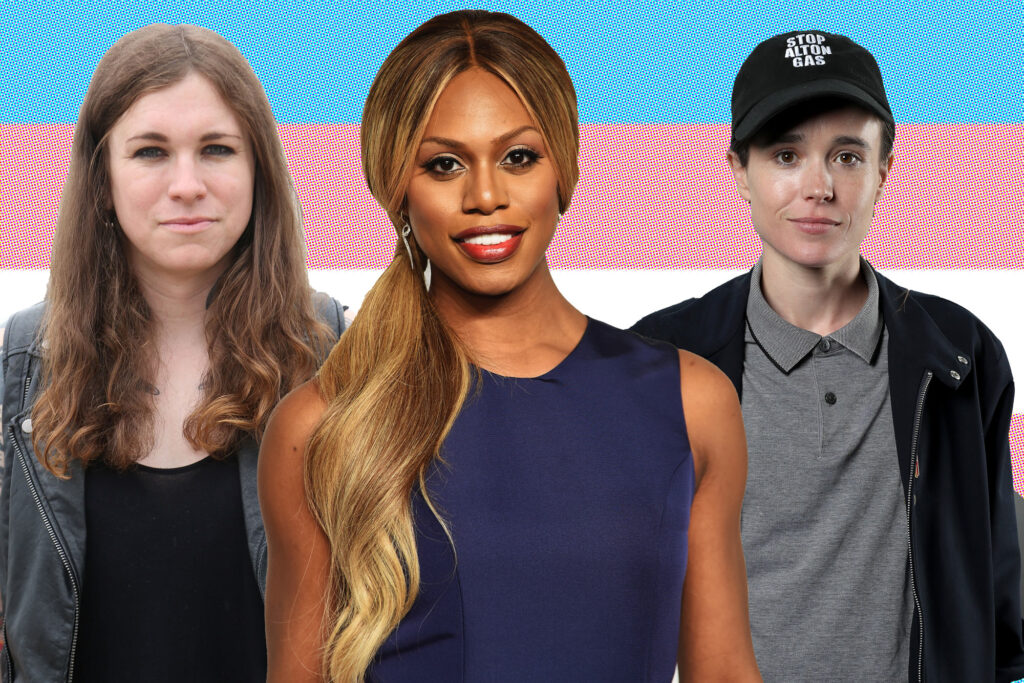
One exciting trend is the rise of films that explore non-binary and transgender identities, challenging the binary understanding of gender that has long dominated cinema. Films like *Tangerine* (2015) and *A Fantastic Woman* (2017) offer nuanced and empathetic portrayals of transgender characters, challenging stereotypes and promoting understanding. These films are not merely about representation; they are about liberation. They offer transgender individuals the opportunity to see themselves reflected on screen with dignity and respect, and they challenge cisgender audiences to confront their own biases and assumptions.
The Power of the Audience: Demanding Change
Ultimately, the power to shape the gender narrative in film lies not just with filmmakers but also with the audience. We, as viewers, have a responsibility to demand better representation, to support films that challenge the status quo, and to boycott those that perpetuate harmful stereotypes. We must use our voices, our wallets, and our social media platforms to advocate for change. The choices we make as consumers have a direct impact on the types of films that are produced and distributed.
Furthermore, we must be critical consumers, analyzing the messages that films convey and challenging the underlying assumptions that shape them. We must be wary of tokenistic representation, recognizing that simply including a female character in a film is not enough. The character must be complex, nuanced, and given agency over her own destiny. We must also be aware of the ways in which films can perpetuate harmful stereotypes, even when they appear to be progressive on the surface. A critical eye, a discerning mind, and a collective commitment to justice are essential tools in the fight for feminist film.
The revolution on screen is inextricably linked to the revolution in society. As we continue to fight for gender equality in all aspects of our lives, we must also demand a more equitable and authentic representation of women and gender non-conforming individuals in film. The power of cinema to shape perceptions is undeniable. Let us harness that power for good, creating films that inspire, empower, and liberate all.






Leave a Comment