The stage, a crucible. The microphone, a scepter of dissent. Music, not mere melody, but the resonant pulse of a revolution. For too long, the narrative of feminism has been confined to the hallowed halls of academia and the fiery rhetoric of political rallies. But listen closely. Lend an ear to the thrumming bassline of defiance, the soaring soprano of liberation, the guttural growl of reclaiming agency. For within the sonic landscape lies a potent, often overlooked, history: the sound of feminist resistance. This is not a gentle ballad; it is a war cry, a lament, a promise. It is the reverberation of women finding their voices and shattering the patriarchal soundscape.
I. The Overture: Early Harmonies of Protest
Before the riot grrrls tore their stockings and screamed into the void, before Beyoncé declared herself “Flawless,” there were the suffragettes. Imagine them, not just wielding banners, but belting out anthems of emancipation. Songs like “The March of the Women,” composed by Ethel Smyth, were sonic bulwarks, rallying cries woven into the very fabric of the movement. These weren’t saccharine tunes; they were robust, defiant, imbued with the spirit of a generation demanding enfranchisement. Think of them as sonic broadsides, aimed directly at the heart of the establishment.
Consider, too, the blues women of the early 20th century. Bessie Smith, Ma Rainey – these weren’t explicitly feminist artists in the modern sense. Yet, their raw, unflinching depictions of female desire, heartbreak, and economic hardship were radical acts of self-assertion in a world that sought to silence them. The blues, often dismissed as mere entertainment, became a confessional booth, a space where women could voice their truths, their vulnerabilities, and their unyielding resilience. The blues notes, steeped in pain and resilience, became a sonic lexicon of female experience.
II. Folk Fury and the Second Wave: A Chorus of Consciousness
The second-wave feminist movement, a tidal surge of social and political upheaval, found its voice in the folk music scene. Joni Mitchell, Joan Baez, and Janis Ian – these women weren’t just singing songs; they were weaving narratives of female experience into the cultural tapestry. Mitchell’s introspective lyrics, Baez’s unwavering political activism, and Ian’s groundbreaking exploration of lesbian identity – each offered a unique and vital perspective. They weren’t just entertainers; they were chroniclers, poets, and activists, using their music as a platform to challenge societal norms and ignite collective consciousness. The guitar became a weapon, the lyrics, ammunition.
Think of the impact of Helen Reddy’s “I Am Woman.” Released in 1972, it became an anthem for the women’s liberation movement, a sonic affirmation of female strength and independence. Dismissed by some as simplistic, its undeniable power lay in its accessibility, its ability to resonate with women from all walks of life. It was a sonic declaration of self-worth, a refusal to be silenced or diminished. The chorus, a mantra. The melody, a battle cry.
III. Punk Rock Uprising: Amplifying the Riot Grrrl Roar
The 1990s saw the emergence of the riot grrrl movement, a fierce and unapologetic explosion of feminist rage within the punk rock scene. Bands like Bikini Kill, Sleater-Kinney, and Bratmobile weren’t just playing music; they were staging a sonic insurrection. Armed with guitars, zines, and a righteous fury, they challenged sexism, homophobia, and the male-dominated music industry. They reclaimed the language of punk, transforming it into a vehicle for female empowerment and radical self-expression. The distortion, a weapon. The screams, a catharsis.
Kathleen Hanna, the frontwoman of Bikini Kill, became a figurehead of the movement, her confrontational lyrics and raw, visceral performances inspiring a generation of young women to pick up instruments and find their own voices. Riot grrrl was more than just a genre; it was a community, a safe space for women to express their anger, their frustrations, and their hopes for a better world. It was a sonic sisterhood, forged in the fires of punk rock rebellion.
IV. Hip-Hop Herstories: Reclaiming the Narrative in Rhythm and Rhyme
The representation of women in hip-hop has been a complex and often problematic issue. However, amidst the hyper-sexualization and objectification, a powerful undercurrent of feminist voices has emerged. Queen Latifah, MC Lyte, and Salt-N-Pepa paved the way, challenging gender stereotypes and asserting their agency in a male-dominated landscape. They weren’t just spitting rhymes; they were rewriting the narrative, reclaiming their bodies and their voices. The beat, a battleground. The lyrics, a manifesto.
More recently, artists like Cardi B, Megan Thee Stallion, and Lizzo have pushed the boundaries even further, celebrating female sexuality and challenging societal expectations with unapologetic confidence. Their music is a potent mix of empowerment, humor, and self-love, resonating with a generation of women who are demanding to be seen and heard on their own terms. They are not conforming; they are creating their own sonic reality, one beat at a time.
V. Global Grooves: Feminist Rhythms Across Borders
Feminist music isn’t confined to the Western world. Across the globe, women are using music to challenge oppression, celebrate their cultures, and fight for equality. In Nigeria, artists like Nneka and Yemi Alade are addressing issues of gender-based violence and social injustice through their music. In India, Sona Mohapatra is challenging patriarchal norms in the Bollywood industry. These women are not just musicians; they are cultural ambassadors, using their voices to amplify the struggles and triumphs of women around the world. The melodies, diverse. The message, universal.
Think of the Chilean protest song “Un Violador en Tu Camino” (“A Rapist in Your Path”), which became a global anthem against sexual violence. Performed by the feminist collective Las Tesis, the song’s powerful lyrics and simple choreography resonated with women across continents, sparking protests and raising awareness about the pervasive issue of sexual assault. It was a sonic declaration of solidarity, a reminder that women are united in their fight for justice. The rhythm, a march. The lyrics, a weapon against silence.
VI. The Digital Dawn: Amplifying Voices in the Algorithmic Age
The rise of digital platforms has created new opportunities for feminist artists to reach audiences and build communities. Social media, streaming services, and online music distribution platforms have democratized the music industry, allowing women to bypass traditional gatekeepers and connect directly with their fans. This has led to a proliferation of diverse voices and perspectives, enriching the sonic landscape and challenging the status quo. The internet, a megaphone. The music, a conversation.
Independent artists like Grimes, FKA twigs, and Arca are using their music to explore themes of identity, technology, and the body in innovative and experimental ways. They are pushing the boundaries of genre and challenging conventional notions of femininity, creating a sonic tapestry that is both challenging and empowering. They are not confined by expectations; they are forging their own sonic paths, inspiring others to do the same.
VII. Beyond the Binary: Transgender and Non-Binary Voices in the Sonic Spectrum
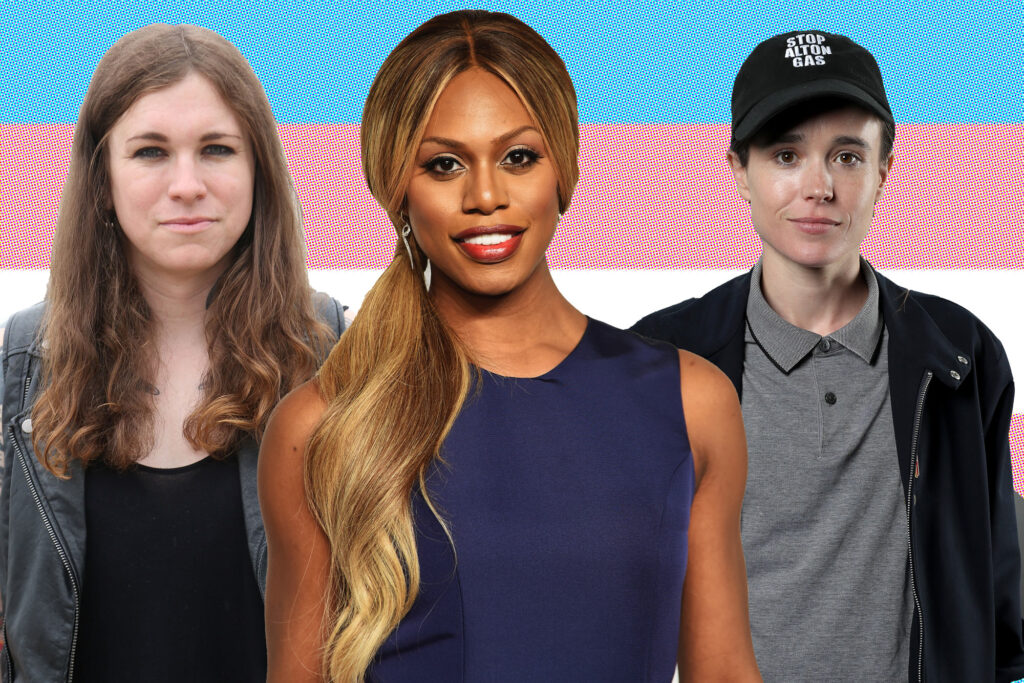
The feminist movement has long been criticized for its lack of inclusivity, particularly regarding the experiences of transgender and non-binary individuals. However, a growing number of trans and non-binary artists are using music to challenge gender norms, celebrate their identities, and fight for their rights. Artists like Laura Jane Grace, Against Me!’s frontwoman, have used their music to document their personal transitions and raise awareness about the challenges faced by the transgender community. Perfume Genius’s haunting vocals and lyrical explorations of fragility and strength create a soundscape of profound emotional resonance. These artists are not just making music; they are creating space for themselves and others in a world that often seeks to erase them. The vulnerability, a strength. The honesty, a revolution.
VIII. The Unfinished Symphony: The Future of Feminist Music
The story of feminist music is far from over. As long as inequality persists, women will continue to use music as a tool for resistance, empowerment, and self-expression. The future of feminist music is likely to be even more diverse, inclusive, and innovative, reflecting the ever-evolving landscape of feminism itself. The stage is set. The instruments are tuned. The voices are rising.
The challenge lies in ensuring that these voices are heard, amplified, and celebrated. We must actively seek out and support feminist artists, challenge the systemic biases that perpetuate gender inequality in the music industry, and create spaces where women can express themselves freely and without fear. The revolution will not be televised; it will be sung. And it will be glorious.
Let the music play on.





Leave a Comment