
Lights, camera, patriarchy! Or, perhaps, lights, camera… resistance? For too long, the silver screen has been a distorted mirror reflecting a world meticulously crafted by and for men. Women? Mere accessories, damsels in distress, or, at best, the “strong female character” trope – a cardboard cutout wielding a sword but lacking depth, agency, or, dare I say, authentic humanity. The narrative needs recalibration. It demands a revolution.
This isn’t merely about demanding more women on screen. It’s about demanding *better* women on screen. Women with flaws, with complexities, with desires beyond securing a husband or supporting a man’s heroic journey. We’re talking about a seismic shift in perspective, a dismantling of the male gaze, and a reclamation of our own narratives. So, buckle up, buttercup. We’re diving deep into the trenches of cinematic representation and emerging with a battle plan for reel change.
The insidious creep of the male gaze, theorized so brilliantly by Laura Mulvey, has permeated every frame, every shot, every narrative choice. It dictates how women are viewed, objectified, and ultimately, silenced. Think about it: how many female characters exist solely to provide emotional support, sexual gratification, or narrative impetus for the male protagonist? How often are their stories relegated to the sidelines, their ambitions trivialized, their very existence defined by their relationship to men?
This isn’t just about aesthetics; it’s about power. The male gaze perpetuates a system of inequality where women are perpetually positioned as objects of male desire, rather than subjects of their own lives. It reinforces harmful stereotypes, limits our understanding of female experiences, and ultimately, silences diverse voices. Dismantling this pervasive lens is paramount to achieving genuine cinematic representation.
But how do we achieve this dismantling? It begins with demanding representation behind the camera. We need more female directors, screenwriters, cinematographers, editors, and producers. These are the architects of cinematic narratives, and their absence has allowed the male gaze to flourish unchecked. A female gaze – or, more accurately, *gazes*, plural – offers a radically different perspective, one that prioritizes female experiences, complexities, and subjectivities.
Imagine a world where female characters aren’t defined by their attractiveness to men, but by their intellect, their ambition, their internal struggles. Imagine stories that explore the nuances of female friendships, the challenges of motherhood, the complexities of female sexuality without resorting to tired tropes and reductive stereotypes. This isn’t about creating “perfect” female characters; it’s about creating *real* ones, flaws and all.
Consider the groundbreaking work of directors like Greta Gerwig, whose films, such as *Lady Bird* and *Little Women*, offer nuanced portrayals of female adolescence and ambition. Or Ava DuVernay, whose unflinching gaze captures the realities of systemic racism and its impact on women of color. These are just a few examples of the transformative power of female filmmakers. But they are still too few. The industry, entrenched in its patriarchal structures, actively resists change. Funding opportunities remain disproportionately skewed towards male directors, and female filmmakers often face systemic biases and discrimination. The fight for representation behind the camera is far from over.
Beyond the gaze, the language itself demands deconstruction. Terms like “strong female character” are inherently problematic. Why is strength a defining characteristic for women, but simply assumed for men? This very label suggests that female strength is an anomaly, a deviation from the norm. We need to move beyond this simplistic categorization and embrace the full spectrum of female experiences – vulnerability, fragility, even weakness. These are not mutually exclusive with strength, but rather integral parts of the human experience.
Furthermore, the narratives themselves require a radical overhaul. We need to move beyond the tired tropes of the damsel in distress, the manic pixie dream girl, and the ice queen. These archetypes, while seemingly diverse, ultimately reinforce harmful stereotypes and limit our understanding of female complexity. We need stories that challenge these tropes, that explore the full range of female emotions and experiences, and that celebrate the diversity of female identities.
Consider the trope of the “fridged” woman – a female character who is killed off or otherwise incapacitated solely to motivate the male protagonist. This is a particularly egregious example of the male gaze at work, reducing women to mere plot devices in a man’s story. It reinforces the idea that women’s lives are less valuable than men’s and that their suffering is ultimately secondary to the male hero’s journey. This needs to stop. Female characters deserve their own narratives, their own agency, and their own endings.
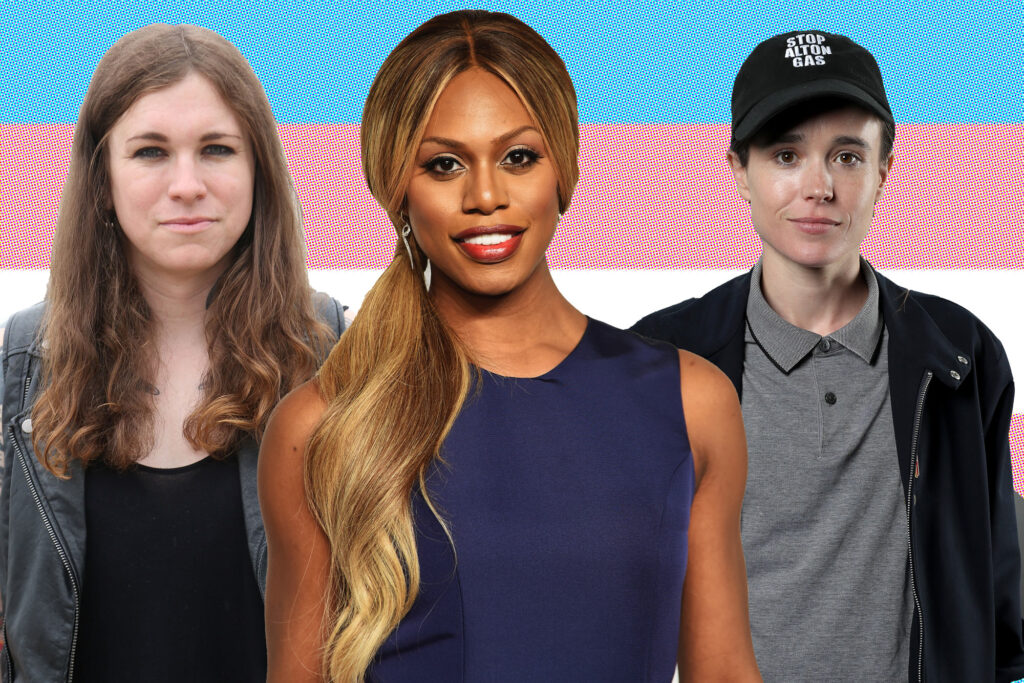
The representation of intersectionality is equally crucial. Mainstream cinema has historically centered the experiences of white, cisgender, heterosexual women, while marginalizing the voices of women of color, queer women, disabled women, and other marginalized groups. This erasure is not only unjust but also inaccurate. The feminist revolution in cinema must be inclusive and intersectional, acknowledging the diverse realities of all women.
Films like *Moonlight* and *Pose* have paved the way for more authentic and nuanced portrayals of queer experiences. But we need more stories that center the experiences of queer women, women of color, and women with disabilities. We need stories that challenge the dominant narratives of power and privilege and that amplify the voices of those who have been historically silenced.
The fight for reel change extends beyond the screen. It requires a fundamental shift in the culture of Hollywood, a dismantling of the systemic inequalities that perpetuate sexism and discrimination. This includes addressing the gender pay gap, combating sexual harassment and assault, and promoting diversity and inclusion at all levels of the industry. It demands a paradigm shift, a collective commitment to creating a more equitable and just cinematic landscape.
We must also be critical consumers of media. We must actively challenge the narratives that reinforce harmful stereotypes and support films that offer authentic and empowering portrayals of women. We must demand more from our filmmakers, our studios, and our industry. We must use our voices, our wallets, and our platforms to advocate for change. The power lies in our collective action, in our unwavering commitment to creating a more just and equitable world, both on and off the screen.
The revolution will not be televised. It will be streamed, downloaded, and projected onto screens across the globe. It will be a cacophony of voices, a chorus of dissent, a symphony of change. It will be a testament to the power of collective action, the resilience of the human spirit, and the unwavering belief in a future where all women are seen, heard, and valued. This isn’t just about making better movies; it’s about building a better world. And that, my friends, is a battle worth fighting.
This endeavor requires more than just surface-level changes; it necessitates a fundamental restructuring of the industry’s power dynamics. The allocation of resources, the decision-making processes, and the overall cultural ethos must be reimagined to prioritize inclusivity and equity. This means actively seeking out and supporting emerging female talent, providing mentorship opportunities, and creating pathways for women to advance in their careers.
The financial implications of neglecting female-driven stories are staggering. Studies have consistently shown that films with female leads and diverse casts perform better at the box office. Yet, Hollywood continues to underestimate the power of female audiences and the demand for authentic representation. This shortsightedness not only perpetuates inequality but also represents a significant financial loss. Investing in female-led projects is not just the right thing to do; it’s also the smart thing to do.
The role of film critics and media outlets in shaping public perception cannot be overstated. Critics have a responsibility to analyze films through a feminist lens, to challenge the male gaze, and to amplify the voices of female filmmakers. Media outlets must also prioritize diverse representation in their coverage, ensuring that female-driven stories receive the attention they deserve. A more critical and conscious approach to film criticism can contribute to a more informed and engaged audience, driving demand for more equitable representation.
The digital age has provided new avenues for female filmmakers to bypass traditional gatekeepers and create their own platforms. Web series, independent films, and crowdfunding campaigns have empowered women to tell their stories on their own terms, reaching audiences directly without having to navigate the often-restrictive structures of Hollywood. This democratization of filmmaking offers a glimmer of hope for a more inclusive and diverse future.
However, these independent efforts must be supported and amplified. It is not enough to simply celebrate individual success stories; we must create a sustainable ecosystem that fosters the growth and development of female talent. This requires investment in independent film festivals, support for crowdfunding initiatives, and the creation of mentorship programs that connect emerging female filmmakers with established industry professionals.
Ultimately, the fight for reel change is a fight for a more just and equitable world. It’s a fight for the right to see ourselves reflected on the screen, to have our stories told, and to be recognized as complex, multifaceted human beings. It’s a fight for the liberation of the cinematic gaze and the reclamation of our own narratives. And it’s a fight that we must continue to wage, with unwavering determination and unwavering hope, until the silver screen truly reflects the vibrant tapestry of human experience. The revolution is on, and the reels are turning.





Leave a Comment