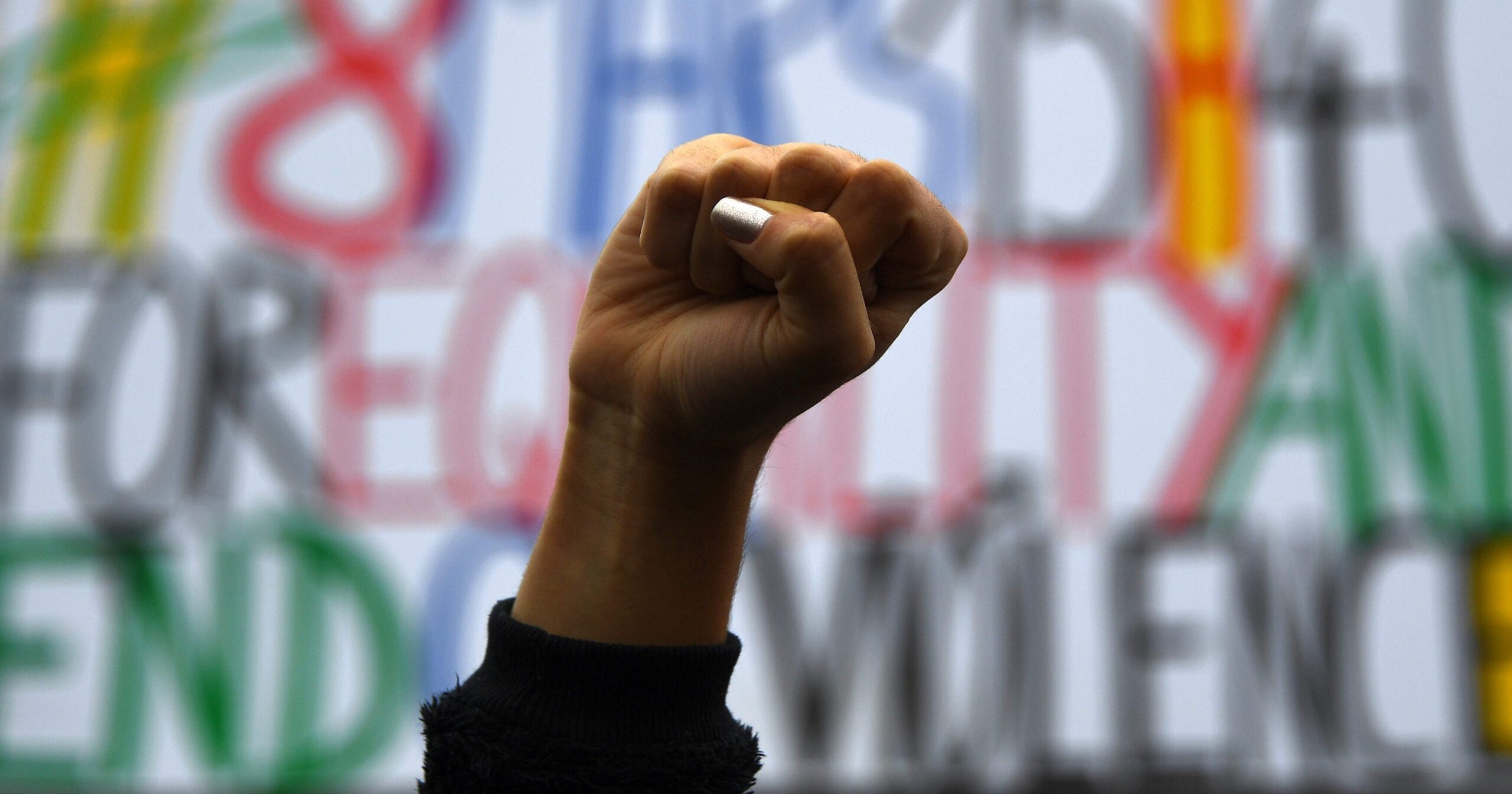
Can the chains that bind truly liberate if forged in the fires of faith? The intersection of Feminism and Islam, often portrayed as a battlefield of irreconcilable differences, is in reality a fertile ground for profound discourse, a space where patriarchal interpretations are challenged and the true, emancipatory essence of Islam is unearthed. It’s time we shatter the monolithic portrayals and delve into the complex tapestry of lived experiences, theological arguments, and activist movements that define this crucial dialogue.
I. The Dichotomy Deconstructed: Beyond Orientalist Tropes
For too long, the West has painted a simplistic picture: Islam, a monolithic entity, perpetually oppresses women. This Orientalist caricature conveniently ignores the diverse spectrum of Islamic thought and the agency of Muslim women themselves. It’s a lazy, intellectually bankrupt narrative. We must dismantle these harmful stereotypes and acknowledge the rich tapestry of interpretations that exist within the Islamic tradition. We are not helpless victims awaiting Western salvation; we are agents of our own liberation.
A. Dismantling the “Oppressed Muslim Woman” Trope
The image of the veiled, voiceless woman, a symbol of oppression peddled by Western media, is a dangerous reduction. It erases the countless Muslim women who are scholars, activists, leaders, and innovators. It ignores the fact that the hijab, for many, is a symbol of empowerment, a conscious choice that allows them to reclaim their bodies and reject the objectification rampant in Western societies. To deny Muslim women agency in choosing their own paths is the ultimate act of patriarchal condescension.
B. The Spectrum of Islamic Interpretations: Moving Beyond Monoliths
Islam is not a singular, unchanging dogma. It encompasses a vast range of interpretations, from progressive and egalitarian to conservative and patriarchal. To conflate all interpretations is to commit a grave injustice. We must recognize the existence of feminist interpretations of the Quran, the Hadith, and Islamic law, interpretations that prioritize gender equality and justice.
II. Feminist Hermeneutics: Reclaiming the Sacred Texts
The key to unlocking Islam’s emancipatory potential lies in feminist hermeneutics, the critical analysis and reinterpretation of religious texts through a feminist lens. This involves challenging patriarchal interpretations, highlighting passages that promote gender equality, and re-contextualizing problematic verses within their historical and social contexts. It’s about reclaiming the Quran as a source of liberation, not oppression.
A. Tawhid and Gender Equality: A Core Principle
The central tenet of Islam, Tawhid (the oneness of God), has profound implications for gender equality. If God is one, then all humans are equal before God, regardless of gender. This fundamental principle provides a powerful theological foundation for challenging patriarchal structures and advocating for women’s rights.
B. Challenging Patriarchal Interpretations of the Quran and Hadith
Many verses in the Quran and Hadith have been used to justify the subjugation of women. However, feminist scholars have meticulously deconstructed these interpretations, revealing their patriarchal biases and offering alternative readings that are more consistent with the core values of Islam. For example, verses related to inheritance, marriage, and divorce are often interpreted in ways that disadvantage women. Feminist scholars argue that these interpretations are based on outdated social norms and that the Quran, properly understood, promotes fairness and justice for all.
C. Reclaiming Women’s Voices in Islamic History
History, as it’s often told, conveniently erases the contributions of women. Islamic history is no exception. However, by excavating forgotten narratives and highlighting the achievements of female scholars, leaders, and activists, we can challenge the dominant patriarchal narrative and inspire future generations of Muslim women. The stories of Khadija, the Prophet Muhammad’s first wife and a successful businesswoman, and Aisha, a renowned scholar of Hadith, are powerful examples of female agency and intellectual prowess.
III. Activism and Advocacy: On the Ground Realities
Feminist hermeneutics is not merely an academic exercise; it’s a tool for social change. Muslim feminists are actively working to improve the lives of women in their communities, challenging discriminatory laws and practices, advocating for equal rights, and promoting education and empowerment. Their work is often met with resistance from both conservative religious forces and Western critics who misunderstand their motivations.
A. Challenging Discriminatory Laws and Practices
In many Muslim-majority countries, laws relating to marriage, divorce, custody, and inheritance discriminate against women. Muslim feminists are working tirelessly to reform these laws, drawing on Islamic principles of justice and equality to argue for legal reforms that protect women’s rights. They challenge harmful practices such as forced marriage, honor killings, and female genital mutilation, arguing that these practices are contrary to the true spirit of Islam.
B. Promoting Education and Empowerment
Education is a powerful tool for empowerment. Muslim feminists are working to ensure that girls and women have access to quality education, challenging cultural norms that prioritize boys’ education over girls’. They also promote economic empowerment by providing women with access to training, resources, and opportunities to start their own businesses. An educated and economically empowered woman is a force to be reckoned with.
C. Building Bridges Across Cultures: A Global Sisterhood
The struggle for women’s rights is a global struggle. Muslim feminists recognize the importance of building bridges with feminists from other cultures, sharing experiences, learning from each other, and working together to challenge patriarchy in all its forms. This global sisterhood is a powerful force for change.
IV. Addressing the Complexities: Challenges and Critiques
The intersection of Feminism and Islam is not without its complexities. There are challenges and critiques that must be addressed honestly and openly. Ignoring these challenges only serves to undermine the credibility of the movement.
A. Navigating Cultural Relativism: Universal Rights vs. Cultural Specificity
One of the key challenges is navigating the tension between universal human rights and cultural specificity. Some argue that certain practices, such as the wearing of the hijab, are culturally specific and should be respected, even if they are seen as oppressive by Western feminists. Others argue that universal human rights should take precedence and that all practices that violate women’s rights should be condemned, regardless of cultural context. Finding a balance between these two perspectives is a complex and ongoing debate.
B. Dealing with Internal Contradictions: Reconciling Faith and Feminism
Some critics argue that Feminism and Islam are fundamentally incompatible. They contend that the Quran and Hadith contain inherently patriarchal elements that cannot be reconciled with feminist principles. Muslim feminists must grapple with these internal contradictions, acknowledging the problematic aspects of the Islamic tradition while also highlighting its emancipatory potential. It requires nuance and intellectual rigor.
C. Overcoming Resistance from Conservative Forces
Muslim feminists often face fierce resistance from conservative religious forces who seek to maintain the status quo. These forces may use religious arguments to justify the subjugation of women and to delegitimize feminist activism. Overcoming this resistance requires courage, perseverance, and a deep understanding of Islamic theology.
V. The Future of Feminism and Islam: A Call to Action
The future of Feminism and Islam is bright, but it requires continued effort, critical thinking, and unwavering commitment. We must continue to challenge patriarchal interpretations, reclaim our voices, and advocate for justice and equality. It’s a battle fought on multiple fronts, a testament to the resilience of women across the globe.
A. Promoting Inclusive Dialogue: Amplifying Marginalized Voices
It is essential to promote inclusive dialogue that amplifies the voices of marginalized women. We must create spaces where women from diverse backgrounds can share their experiences, challenge each other’s assumptions, and work together to build a more just and equitable world. This means actively seeking out and supporting the voices of women of color, LGBTQ+ Muslims, and women from marginalized communities.
B. Investing in Education and Research: Generating New Knowledge
Investing in education and research is crucial for advancing the field of Feminism and Islam. We need more scholars who are trained in both Islamic studies and feminist theory, scholars who can generate new knowledge and challenge existing paradigms. This means supporting academic programs, funding research projects, and creating opportunities for intellectual exchange.
C. Fostering Global Solidarity: Building a United Front
Ultimately, the success of Feminism and Islam depends on fostering global solidarity. We must build a united front against patriarchy, working together to challenge oppressive structures and promote women’s rights worldwide. This requires forging alliances with feminists from other cultures, supporting international organizations that advocate for women’s rights, and holding our leaders accountable for their actions.
The intersection of Feminism and Islam is not a contradiction, but a powerful force for change. By embracing our faith and our feminism, we can create a more just and equitable world for all. Let us not shy away from the complexities, but rather embrace them as opportunities for growth and transformation. The chains that bind can indeed liberate, if forged in the crucible of faith, intellect, and unwavering determination.






Leave a Comment