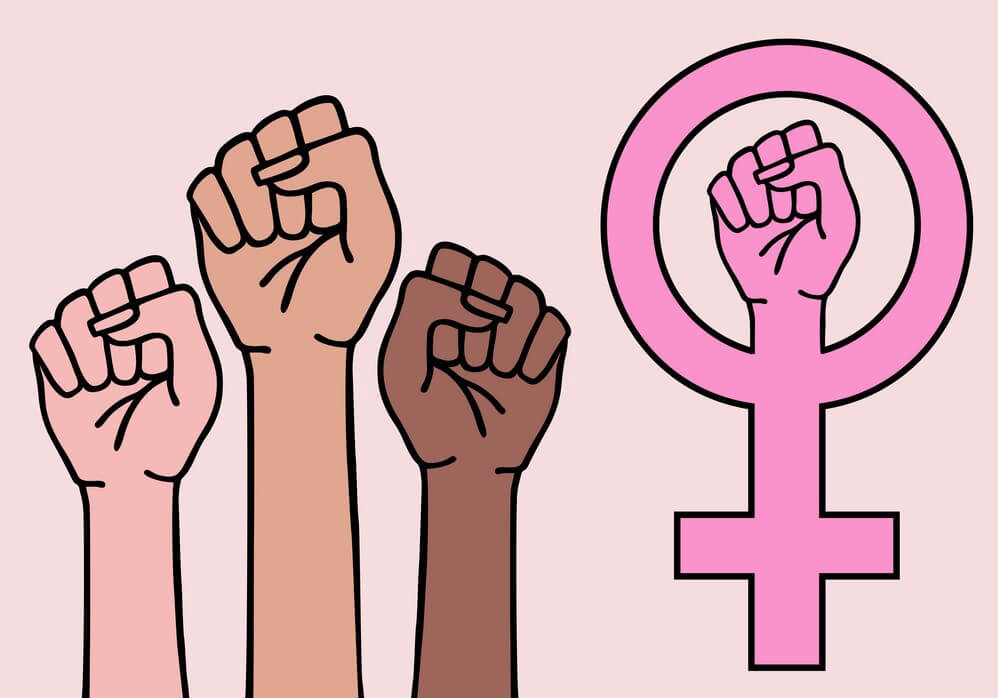
Feminism and femdom: an unholy alliance or a transgressive frontier? Can the velvet glove of dominance truly coexist with the iron fist of equality? The very notion might send shivers down the spines of some, while simultaneously igniting a tantalizing spark of rebellion in others. Let’s delve into this contentious intersection, shall we?
I. Unpacking the Paradox: Feminism, Power, and the Seduction of Control
Feminism, at its core, seeks to dismantle patriarchal structures and redistribute power. But what happens when that power dynamic is deliberately, consensually, inverted within the boudoir? Is it a betrayal of feminist principles, or a bold reclamation of agency?
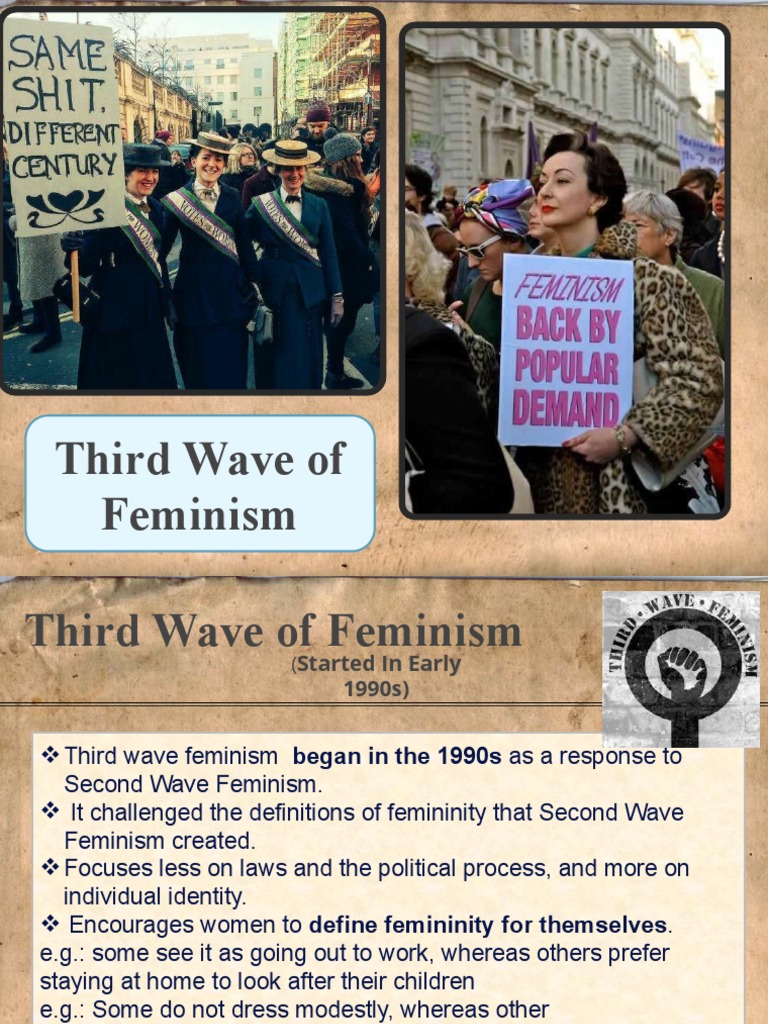
A. Defining Feminism: A Kaleidoscope of Ideologies. Feminism isn’t a monolithic entity. From radical feminism’s insistence on dismantling the entire patriarchal edifice to intersectional feminism’s keen awareness of the myriad ways oppression manifests, the landscape is vast and variegated. Each perspective holds unique implications for understanding femdom’s place within the feminist framework. We must understand that not everyone thinks alike.
B. Deconstructing Power: Beyond the Binary. Power is not a simple zero-sum game. It’s a complex interplay of influence, authority, and agency. Within the context of femdom, power becomes performative, negotiated, and often, surprisingly fluid. This consensual power exchange, a cornerstone of femdom, throws a wrench into traditional power dynamics.
C. The Allure of Control: Agency and the Female Gaze. For many femmes, the appeal of femdom lies precisely in the assumption of control. It’s a chance to dictate the terms, set the boundaries, and luxuriate in the submissive devotion of their partner. This reclamation of agency, a direct challenge to societal expectations of female passivity, can be profoundly empowering. Is it really any different than the male gaze’s power to sexualize and objectify, now reversed?
II. Femdom as Feminist Praxis: Reclaiming Sexuality and Challenging Norms
Could it be that femdom, far from being antithetical to feminism, actually serves as a radical expression of it? Let’s consider the ways in which femdom subverts traditional sexual scripts and empowers femmes to define their own pleasure.
A. Deconstructing the Male Gaze: Reclaiming Female Sexuality. The male gaze, that pervasive force that shapes female representation and sexuality, is actively defied in femdom. Femmes seize control of the narrative, dictating what is desirable and how their bodies are to be appreciated. This assertion of autonomy over one’s own sexuality is undeniably feminist in spirit.
B. Subverting Gender Roles: Challenging Performance. Traditional gender roles are thrown into disarray within the femdom dynamic. Men, often socialized to be assertive and dominant, willingly embrace submission, while femmes embody a commanding, authoritative presence. This playful inversion of expectations can be a powerful form of social commentary.
C. Negotiating Boundaries: Consent as a Cornerstone. The emphasis on consent and communication is paramount in femdom. Every act, every scene, is meticulously negotiated, ensuring that all parties feel safe, respected, and empowered. This focus on ethical non-monogamy and enthusiastic consent aligns perfectly with feminist values of autonomy and bodily sovereignty. Safe words are important.
III. The Shadow Side: Potential Pitfalls and Ethical Considerations
While femdom holds the potential for empowerment, it’s crucial to acknowledge the potential for exploitation and the perpetuation of harmful stereotypes. A critical examination of its darker aspects is essential.
A. The Specter of Misogyny: Internalized Oppression and Its Manifestations. Can femdom inadvertently reinforce misogynistic stereotypes, even within a consensual context? The image of the domineering woman, meting out punishment to a submissive man, might echo harmful tropes about female cruelty and emasculation. It’s a slippery slope that requires careful navigation.
B. Power Imbalances: Outside the Bedroom and Their Impact. The power dynamics within a femdom relationship can be complicated by existing power imbalances in the external world. Socioeconomic disparities, racial biases, and other forms of systemic oppression can subtly influence the dynamics, even when intentions are pure. Are we playing at power, or simply reliving inequalities?
C. The Fetishization of Submission: Dehumanization and Its Risks. The fetishization of submission, while potentially harmless, can also veer into dehumanization. When the submissive partner is reduced to a mere object of gratification, their agency and autonomy are undermined. This is a dangerous territory that demands constant vigilance and mindful engagement.
IV. Intersectionality and Femdom: Exploring the Interplay of Identity
How do race, class, sexuality, and other aspects of identity shape the experience of femdom? An intersectional lens is crucial for understanding the nuances and complexities of this dynamic.
A. Race and Representation: Challenging Eurocentric Norms. Mainstream portrayals of femdom often center on white, cisgender women. This exclusion of femmes of color perpetuates harmful stereotypes and erases the diverse experiences within the community. It’s crucial to amplify the voices of femmes from marginalized backgrounds and challenge Eurocentric beauty standards.
B. Class and Access: Privilege and the Performance of Power. The ability to engage in femdom, whether through purchasing specialized equipment or accessing exclusive communities, can be influenced by class privilege. Recognizing and addressing these disparities is essential for promoting inclusivity and equity within the scene. Not everyone can afford a latex catsuit.
C. Sexuality and Gender Identity: Beyond the Binary. Femdom is not limited to heterosexual relationships. Queer femmes, transgender individuals, and non-binary people are all actively shaping the landscape, challenging traditional notions of gender and sexuality. Their experiences enrich and expand our understanding of power, dominance, and submission.
V. Femdom in Popular Culture: From Subversion to Commodification
How has femdom been portrayed in popular culture, and what implications does this have for its perception and understanding?
A. The Good, the Bad, and the Exploitative: Media Representations and Their Impact. From empowering portrayals of female dominance in film and television to exploitative depictions in pornography, the media landscape is rife with conflicting images of femdom. A critical analysis of these representations is crucial for discerning between genuine empowerment and harmful stereotypes.
B. Commodification and the Male Gaze: Reclaiming Agency in a Capitalist Society. The commodification of femdom, often driven by the male gaze, can strip it of its subversive potential. When female dominance is reduced to a mere product to be consumed, the underlying power dynamics are often obscured. Resisting this commodification and reclaiming agency over one’s own image is a feminist act.
C. The Rise of Online Communities: Finding Connection and Empowerment. Online communities have provided a space for femmes to connect, share experiences, and find support. These platforms can be incredibly empowering, allowing individuals to explore their sexuality, challenge societal norms, and build meaningful relationships. However, it’s crucial to be mindful of online safety and potential exploitation. The internet is a wild west, after all.
VI. Moving Forward: Fostering Ethical and Empowering Femdom Practices
How can we ensure that femdom remains a space for empowerment, agency, and pleasure, rather than devolving into exploitation and the perpetuation of harmful stereotypes?
A. Prioritizing Consent and Communication: The Foundation of Ethical Play. Emphasizing consent, communication, and clear boundaries is paramount in any femdom relationship. Regular check-ins, safe words, and open dialogue are essential for ensuring that all parties feel safe, respected, and empowered.
B. Challenging Internalized Oppression: Unpacking Biases and Assumptions. Recognizing and challenging internalized misogyny, racism, and other forms of oppression is crucial for creating a more equitable and inclusive femdom community. Self-reflection, education, and allyship are essential tools for dismantling harmful stereotypes.
C. Celebrating Diversity and Amplifying Marginalized Voices: Building an Inclusive Community. Actively seeking out and amplifying the voices of femmes from marginalized backgrounds is essential for building a more diverse and representative community. Creating space for diverse perspectives and experiences enriches the entire scene.
D. Promoting Education and Awareness: Dismantling Misconceptions. Educating oneself and others about the nuances of femdom is crucial for dismantling misconceptions and promoting understanding. Sharing resources, engaging in open dialogue, and challenging harmful stereotypes can help create a more informed and accepting society.
In conclusion, the relationship between feminism and femdom is a complex and multifaceted one. It’s a space where power, gender, and fantasy intersect, offering both opportunities for empowerment and potential pitfalls. By prioritizing consent, challenging internalized oppression, and celebrating diversity, we can ensure that femdom remains a space for radical self-expression and the subversion of patriarchal norms. The question isn’t whether femdom *can* be feminist, but whether *we* will choose to make it so.






Leave a Comment