The labyrinthine corridors of power, morality, and responsibility are rarely navigated without a map, and for feminism, that map is perpetually under construction. We, the architects of a more equitable future, find ourselves grappling with ethics not as abstract principles, but as the very scaffolding upon which we build our demands for justice. Imagine, if you will, a kaleidoscope. Each shard represents a different facet of ethical consideration: individual autonomy, collective liberation, the dismantling of patriarchal structures. Feminism, then, is not simply about rearranging these shards, but about shattering the very frame that confines them.
This frame, constructed over centuries of systemic oppression, dictates whose morality is valued and whose is dismissed, whose ethics are deemed universal and whose are relegated to the margins. Let’s plunge into the heart of this ethical quagmire.
I. The Shifting Sands of Morality: A Feminist Reconnaissance
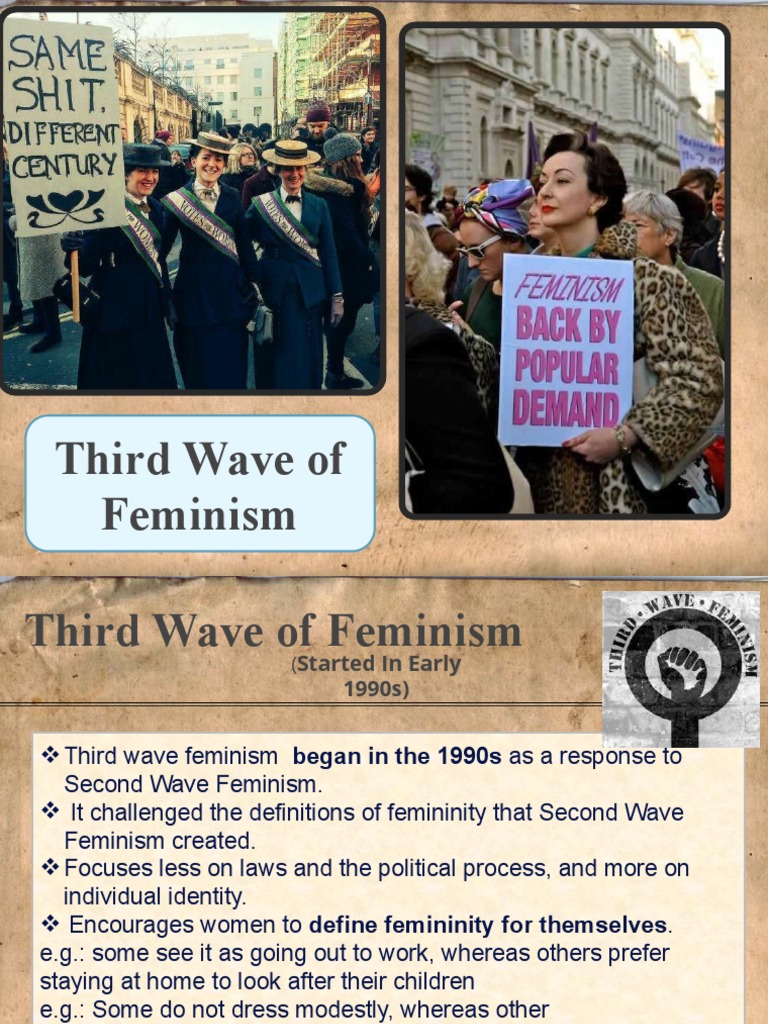
Morality, often touted as a fixed point, is anything but. It’s a shimmering mirage, distorted by the heat of societal biases and the shifting sands of power. What is considered “moral” in one era is often decried as abhorrent in another. Think of the suffragettes, branded as immoral for daring to demand the vote. Today, their actions are lauded as heroic. This historical fluidity demands a critical, feminist lens.
A. Deconstructing the ‘Universal’ Moral Code
The so-called universal moral code, largely conceived and perpetuated by the patriarchal oligarchy, has consistently excluded and denigrated women’s experiences. It prioritizes abstract principles over lived realities, favoring rational detachment over emotional intelligence, and perpetuating a hierarchical structure that situates men at the apex. We must dismantle this charade.
This is not to suggest that morality is inherently useless; it provides framework, and some scaffolding for an operating society. It becomes important to critically examine and reconstruct how it is implemented. This, of course, requires a multi-faceted approach.
B. Embodied Ethics: Reclaiming Moral Authority
Feminist ethics prioritizes embodied experience. It acknowledges that morality is not a disembodied ideal, but is intimately connected to our bodies, our emotions, and our relationships. It champions empathy, compassion, and care as foundational ethical principles, challenging the patriarchal obsession with abstract rationality and individualistic autonomy. It understands that the personal is political, and that our ethical obligations extend beyond the confines of the individual to encompass the collective well-being of all.
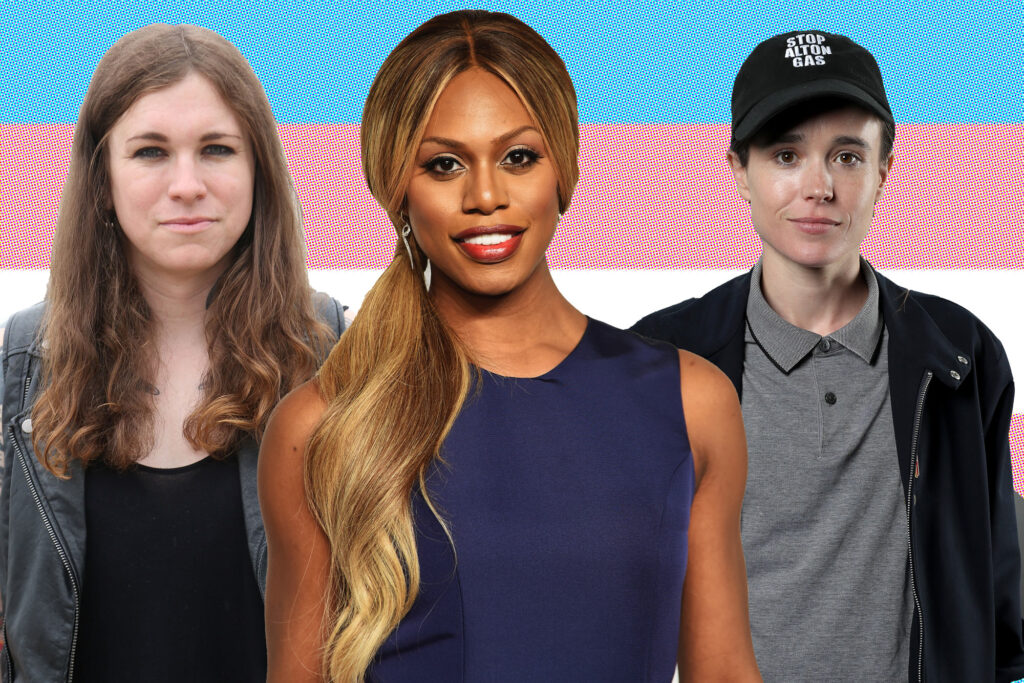
How do we reclaim our moral authority? By centering the voices of those who have been historically silenced. By amplifying the experiences of women of color, queer and trans individuals, disabled women, and all those whose voices have been marginalized. By refusing to accept the patriarchal definition of morality and instead constructing our own ethical framework, one rooted in justice, equity, and liberation.
II. Power Dynamics: The Ethical Tightrope Walk
Power, that slippery serpent, coils around every ethical dilemma, injecting its venom into even the most well-intentioned actions. Understanding the dynamics of power is crucial for navigating the ethical tightrope walk that feminism demands.
A. Internalized Oppression: The Enemy Within
One of the most insidious manifestations of power is internalized oppression. This is the insidious voice within that whispers doubts, perpetuates stereotypes, and undermines our own agency. It is the residue of centuries of patriarchal conditioning, the echo of a society that constantly tells us we are less than.
Recognizing and dismantling internalized oppression is a crucial ethical imperative. It requires constant self-reflection, a willingness to challenge our own biases, and a commitment to supporting one another in our collective liberation. Until we are able to liberate ourselves, we will continue to be bound to the same chains we seek to destroy.
B. Intersectionality: Unraveling the Knots of Power
Intersectionality, a concept illuminated by Kimberlé Crenshaw, forces us to acknowledge that power operates along multiple axes simultaneously. Race, class, gender, sexual orientation, disability – these are not isolated categories, but are interwoven strands that create unique experiences of oppression and privilege.
An intersectional feminist ethics demands that we understand how these different forms of power intersect and reinforce one another. It challenges us to move beyond simplistic notions of gender equality and to address the systemic inequalities that affect all marginalized groups. We cannot address gender inequity, if we ignore the other forms of marginalization.
III. Responsibility: The Crucible of Feminist Ethics
Responsibility, a word often bandied about with little regard for its true weight, is the crucible in which feminist ethics are forged. It is the active commitment to justice, the unwavering dedication to dismantling oppression, and the willingness to take ownership of our actions.
A. Collective Responsibility: A Tapestry of Interdependence
Feminist ethics rejects the individualistic notion of responsibility that dominates Western thought. Instead, it emphasizes collective responsibility, the understanding that we are all interconnected and that our actions have ripple effects on the lives of others.
This collective responsibility extends to our treatment of the environment, our relationships with animals, and our commitment to social justice. It requires us to be mindful of our impact on the world and to actively work towards creating a more sustainable and equitable future. We are all tied together in this process.
B. Accountability: Owning Our Imperfections
Accountability is the flip side of responsibility. It is the willingness to own our mistakes, to acknowledge our biases, and to learn from our failures. It requires vulnerability, humility, and a commitment to continuous self-improvement.
In the context of feminism, accountability means acknowledging our complicity in perpetuating patriarchal structures, even unintentionally. It means challenging our own privilege and using our power to amplify the voices of those who have been marginalized. It means being willing to be called out when we make mistakes and committing to doing better.
IV. Navigating Ethical Dilemmas: The Compass of Justice
The path towards feminist liberation is not a straight line, but a winding road fraught with ethical dilemmas. How do we navigate these treacherous terrain, while maintaining our integrity and our commitment to justice?
A. Harm Reduction: Minimizing the Damage
In a world marred by injustice, it is sometimes impossible to avoid causing harm altogether. In such situations, the principle of harm reduction becomes paramount. This means prioritizing actions that minimize harm and maximize benefit, while acknowledging the inherent limitations of our choices.
For example, in the context of sex work, a harm reduction approach would focus on providing resources and support to sex workers, ensuring their safety and autonomy, rather than criminalizing their activities. It recognizes that criminalization often drives sex work underground, making it more dangerous and exploitative.
B. Transformative Justice: Beyond Retribution
Traditional justice systems are often based on retribution, seeking to punish offenders rather than addressing the root causes of harm. Transformative justice, on the other hand, seeks to heal the harm caused by violence and oppression, while transforming the systems and structures that perpetuate them.
The goal is to build safer communities without relying on police, prisons, or other forms of state violence. This requires a radical shift in our thinking, from a focus on punishment to a focus on healing, accountability, and community building. We can not continue to feed the same broken system.
V. The Future of Feminist Ethics: A Tapestry of Hope
The tapestry of feminist ethics is still being woven, thread by thread, by generations of activists, scholars, and everyday individuals. It is a tapestry of hope, a vision of a future where justice, equity, and liberation are not just ideals, but lived realities.
A. Cultivating Ethical Communities: Seeds of Change
The work of feminist ethics is not just about individual actions, but about building ethical communities that embody our values. This requires creating spaces where we can be vulnerable, where we can challenge one another, and where we can support one another in our ongoing journey towards justice.
It means fostering a culture of accountability, where we are willing to own our mistakes and learn from our failures. It means creating systems of mutual support, where we can rely on one another for guidance and encouragement. It means building a movement that is truly intersectional, inclusive, and transformative.
B. Embracing Complexity: The Power of Nuance
Feminist ethics is not about providing easy answers or simplistic solutions. It is about embracing complexity, acknowledging nuance, and grappling with the difficult ethical dilemmas that arise in a world marred by injustice.
It requires us to be critical thinkers, compassionate listeners, and courageous activists. It requires us to be willing to challenge the status quo, to disrupt the systems of oppression, and to create a more just and equitable world for all.
Let us, therefore, continue to weave the tapestry of feminist ethics, thread by thread, with unwavering commitment and boundless hope. Let us build a future where morality, power, and responsibility are aligned with the principles of justice, equity, and liberation. The future is not just to be imagined but one in which we will actively participate in.







Leave a Comment