Can we *really* talk about feminism and Christianity in the same breath without someone spontaneously combusting from cognitive dissonance? I mean, isn’t that like trying to mix oil and holy water? The sheer audacity of suggesting common ground might trigger the apoplectic fit to end all apoplectic fits. Good. Let’s talk about it anyway.
The perceived chasm between feminism and Christianity is a carefully constructed fiction, perpetuated by patriarchal interpretations of scripture and the selective amnesia that plagues historical narratives. The narrative goes something like this: feminism is a secular, inherently anti-religious ideology focused on dismantling all forms of power structures, and Christianity is a divinely ordained, inherently hierarchical religion that dictates specific roles for men and women. Case closed. But is it, really?
I. Deconstructing the Dichotomy: The Myth of Inherent Opposition
This binary opposition is a dangerous oversimplification. It ignores the nuances within both feminism and Christianity, and it conveniently erases the countless women throughout history who have found empowerment and liberation through their faith. To truly engage with this topic, we must first dissect the core tenets of each perspective and identify areas of potential alignment and divergence.
A. Feminism: A Multifaceted Movement
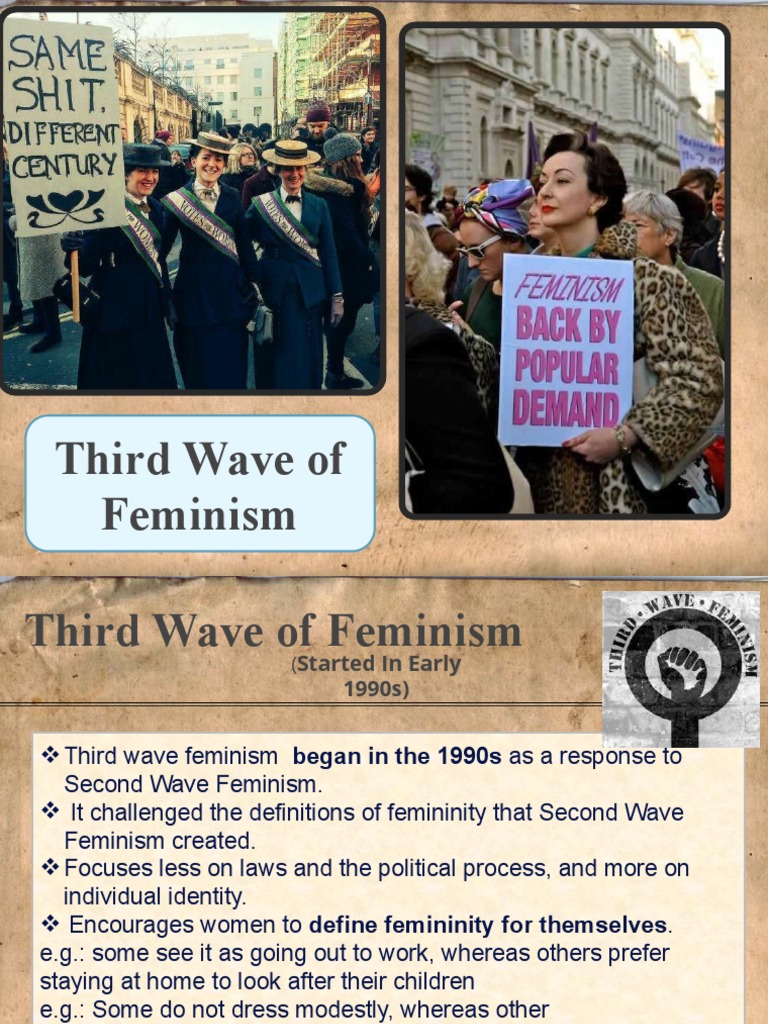
Feminism isn’t a monolithic entity; it’s a kaleidoscope of ideologies united by the common goal of achieving gender equality. From radical feminism, which challenges the very foundations of patriarchal society, to liberal feminism, which focuses on achieving equality through legal and political reforms, the feminist movement encompasses a wide range of perspectives and approaches. To paint it as a single, anti-religious force is disingenuous at best, and maliciously misleading at worst. Intersectionality, that ever-vital concept, reminds us that gender is never experienced in isolation. Race, class, sexual orientation, disability – all these elements shape how a woman navigates the world, and a truly potent feminism must account for them all.
B. Christianity: Beyond the Patriarchal Lens
Similarly, Christianity is not a static, unchanging doctrine. It’s a living, breathing faith that has evolved and been interpreted in countless ways throughout history. The patriarchal interpretations that dominate mainstream discourse are just one facet of a much larger and more complex tradition. We must also acknowledge liberation theology, feminist theology, and other progressive interpretations that challenge traditional power structures and advocate for social justice. The Gospels themselves are subversive documents. They champion the marginalized, uplift the downtrodden, and challenge the authority of the powerful. Jesus, a man who consistently defied social norms and treated women with respect and dignity, offers a radical vision of equality that is often conveniently ignored.
II. Reclaiming Scripture: A Hermeneutics of Liberation
The Bible, often wielded as a weapon against women, can also be a source of empowerment and liberation. It requires a conscious and deliberate effort to reclaim scripture from the clutches of patriarchal interpretation. A hermeneutics of liberation, a method of interpreting scripture that prioritizes the experiences of the marginalized and oppressed, can reveal hidden narratives of female strength, agency, and resistance.
A. Challenging Problematic Passages: Context is King
Yes, there are passages in the Bible that appear to support patriarchal views. But these passages must be understood within their historical and cultural context. For example, instructions on wifely submission were written in a society where women had virtually no legal or economic rights. To interpret these passages literally in the 21st century is not only anachronistic but also deeply harmful. Instead, we must ask: What was the original intent of the author? How would this passage be understood by its intended audience? And, most importantly, how can we apply these principles in a way that promotes justice and equality today? Critically examining translations, particularly those historically dominated by male scholars, is also crucial. Subtle linguistic choices can reinforce patriarchal biases, influencing interpretation and perpetuating inequality.
B. Celebrating Female Protagonists: Unearthing Hidden Narratives
The Bible is also replete with stories of strong, independent women who defied societal expectations and played pivotal roles in shaping history. Think of Deborah, the prophetess and judge who led Israel to victory in battle. Think of Esther, who risked her life to save her people from genocide. Think of Mary Magdalene, the first witness to the resurrection. These women are not passive victims; they are active agents of change who challenge traditional notions of female passivity and subordination. By focusing on these empowering narratives, we can create a more balanced and nuanced understanding of women’s roles in Christianity.
III. Redefining Power: From Domination to Empowerment
The concept of power is central to both feminism and Christianity. However, these two traditions often have different understandings of what power means and how it should be used. Traditional Christianity often equates power with authority and domination, while feminism emphasizes empowerment and collective action. But these understandings are not mutually exclusive. A feminist Christian perspective can redefine power as the ability to effect positive change in the world, to uplift the marginalized, and to create a more just and equitable society.
A. Challenging Hierarchical Structures: Dismantling the Patriarchy Within
Patriarchal interpretations of Christianity often reinforce hierarchical structures that place men in positions of authority over women. This can manifest in various ways, from restricting women’s access to leadership roles in the church to perpetuating harmful stereotypes about women’s capabilities and roles in society. A feminist Christian perspective challenges these hierarchical structures and advocates for a more egalitarian model of leadership. This means advocating for women’s ordination, promoting gender equality in church governance, and challenging sexist language and practices within the church. It also means actively working to dismantle the patriarchy within ourselves, challenging our own biases and assumptions about gender roles.
B. Embracing Spiritual Empowerment: Finding Strength in Faith
For many women, faith is a source of strength, resilience, and empowerment. It provides a sense of community, purpose, and meaning in life. A feminist Christian perspective recognizes and celebrates this spiritual empowerment. It acknowledges the unique contributions that women bring to the church and society and it affirms their inherent dignity and worth as children of God. Spiritual empowerment can also be a powerful tool for social change. By drawing on their faith, women can find the courage and conviction to challenge injustice, advocate for equality, and create a more compassionate world. What better way to challenge the status quo than to weaponize faith, that sacred bastion of societal norms?
IV. The Ethical Imperative: Social Justice and Gender Equality
Both feminism and Christianity share a commitment to social justice. Feminism seeks to dismantle all forms of oppression based on gender, while Christianity calls for the liberation of the poor and the oppressed. This shared commitment provides a foundation for collaboration and solidarity. A feminist Christian perspective recognizes that gender equality is not just a matter of individual rights but also a matter of social justice. It calls for systemic change to address the root causes of gender inequality and to create a society where all people have the opportunity to thrive.
A. Addressing Systemic Inequality: Beyond Individual Actions
Addressing systemic inequality requires more than just individual acts of kindness or goodwill. It requires a comprehensive approach that tackles the economic, political, and social structures that perpetuate gender inequality. This includes advocating for equal pay for equal work, promoting access to education and healthcare for all women, and challenging discriminatory laws and policies. It also means addressing the intersectional nature of inequality, recognizing that women of color, LGBTQ+ women, and women with disabilities face unique challenges and require targeted interventions.
B. Building Solidarity: A Bridge Across Divides
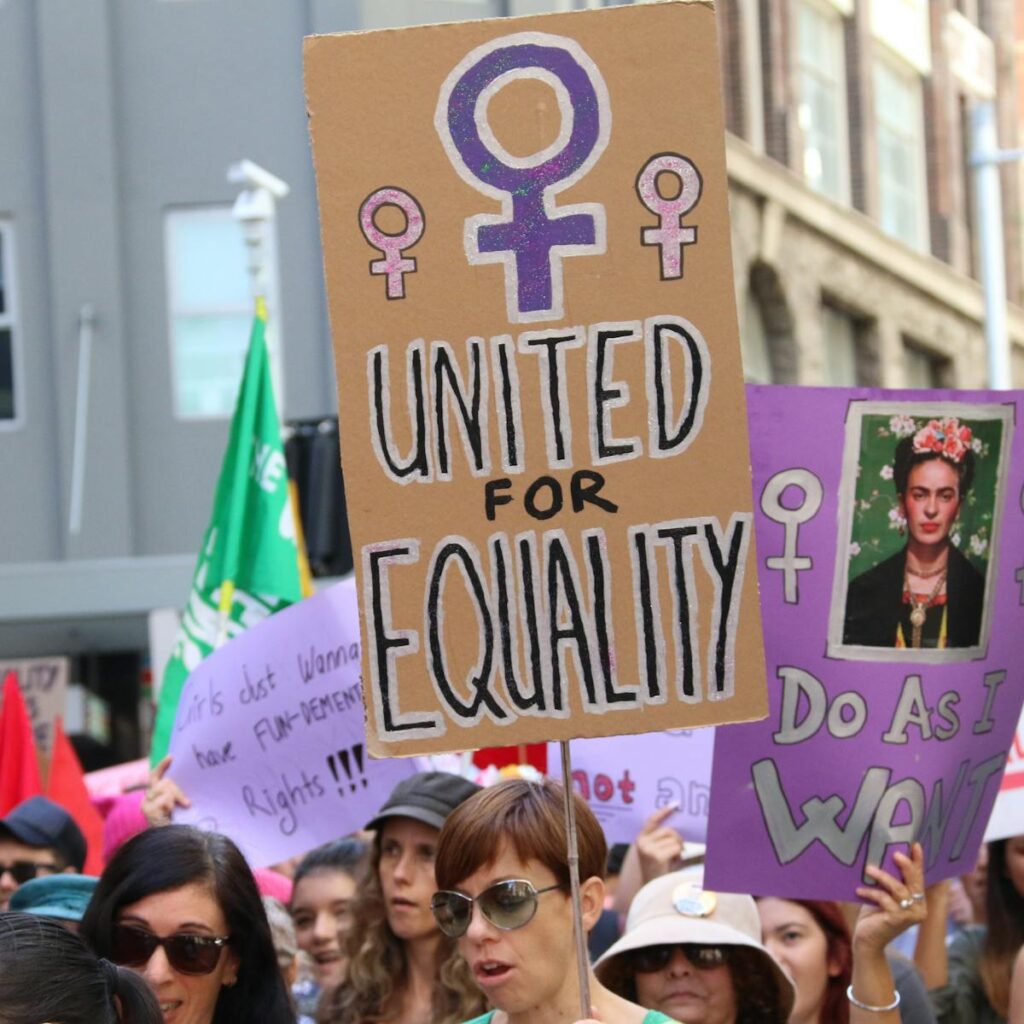
The perceived divide between feminism and Christianity is a distraction from the common goal of creating a more just and equitable world. By building bridges across these divides, we can create a powerful movement for social change. This requires dialogue, empathy, and a willingness to listen to different perspectives. It also requires a commitment to working together on shared goals, such as combating gender-based violence, advocating for reproductive justice, and promoting economic equality. Imagine the sheer unbridled chaos we could unleash if we combined the intellectual firepower of feminist theory with the moral authority (however tarnished) of organized religion. The patriarchy wouldn’t stand a chance.
V. A Call to Action: Embracing the Complexity and Moving Forward
The intersection of feminism and Christianity is a complex and challenging terrain, but it is also a fertile ground for transformative change. By embracing the complexity, challenging traditional assumptions, and building bridges across divides, we can create a more just and equitable world for all. This requires a constant commitment to critical self-reflection, ongoing dialogue, and a willingness to challenge the status quo. The road ahead will be long and arduous, but the potential rewards are immense. A world where women are valued, respected, and empowered – a world where faith and justice go hand in hand. So, are you in? Or are you going to keep clutching your pearls and pretending this conversation isn’t happening? The choice, as always, is yours.








Leave a Comment