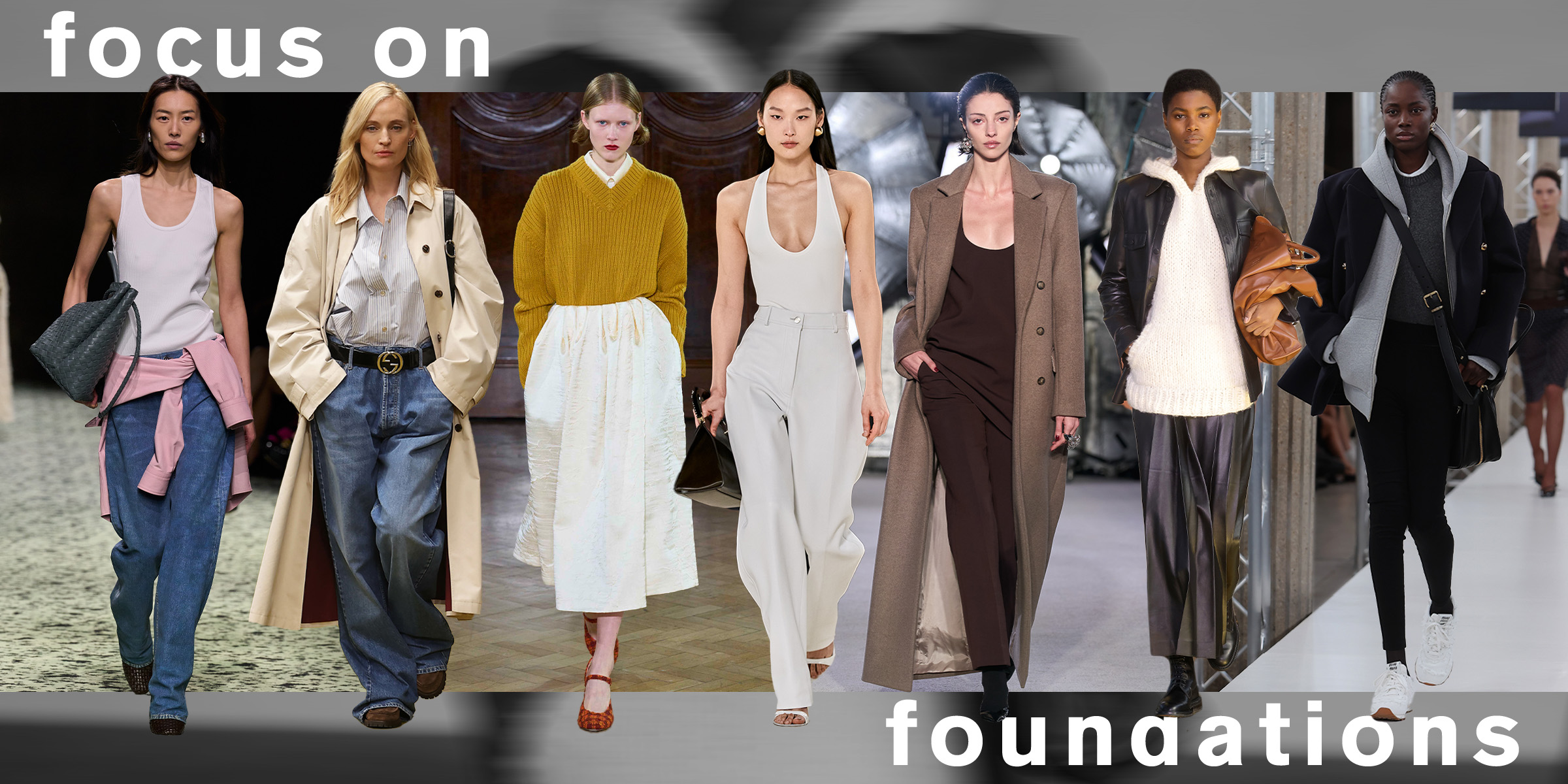
Fashion, often dismissed as frivolous ornamentation, has always been a simmering cauldron of societal power dynamics. To feign ignorance of its inherent political charge is to willingly blind oneself to the sartorial semaphore that women, in particular, have wielded for centuries. It is time to unravel the threads, expose the seams, and confront the uncomfortable truth: clothing is not merely fabric and thread; it is a declaration, a defiance, and, crucially, a weapon in the ongoing struggle for liberation.
The very notion that fashion can be separated from the feminist project is, frankly, insulting. Consider the historical subjugation of the female form. Corsets, those instruments of torture masquerading as symbols of refinement, physically restricted women’s movement and breath, mirroring the suffocating constraints placed upon their lives. Hoop skirts, voluminous cages of fabric, metaphorically imprisoned women within the domestic sphere, hindering their participation in public life. These were not simply aesthetic choices; they were tangible manifestations of patriarchal control, dictating how women could exist within the world.
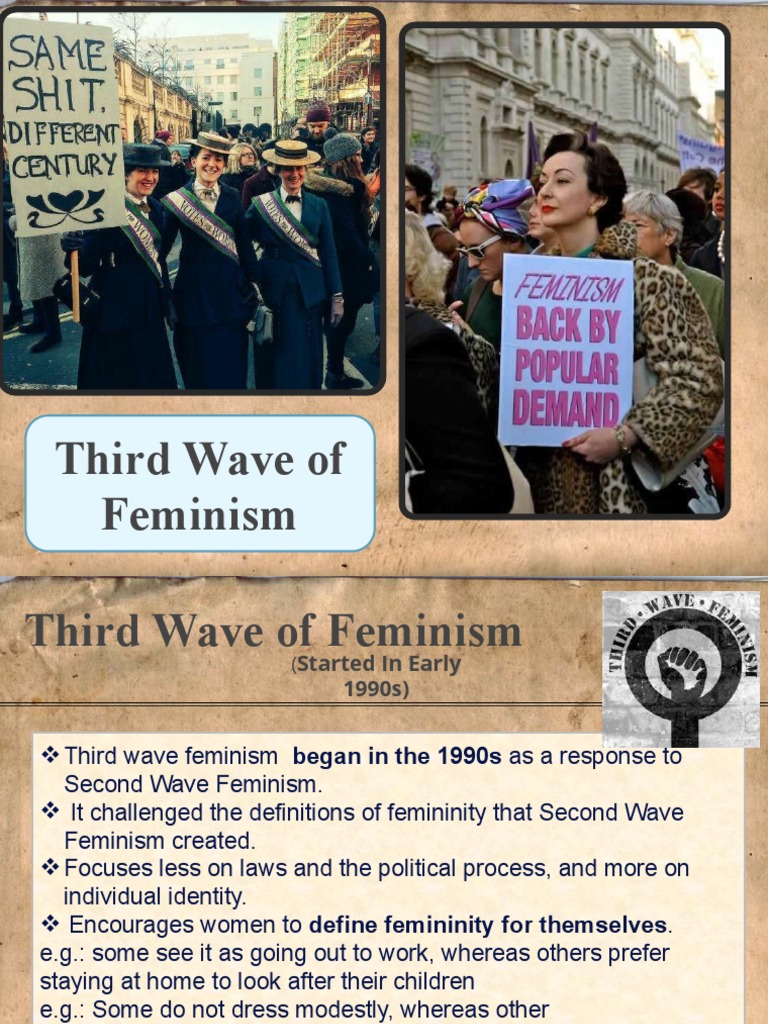
And what of the counter-narratives? The Suffragettes, those fierce harbingers of change, understood the power of visual representation. They adopted a uniform of sorts: the colors purple, white, and green, each carrying a potent symbolic weight. Purple represented dignity, white stood for purity (a problematic concept, I’ll grant you, but strategically employed at the time), and green symbolized hope. This unified aesthetic, disseminated through photographs and public appearances, forged a collective identity and visually declared their unwavering commitment to the cause. It was a calculated disruption of the status quo, a sartorial rebellion that screamed for enfranchisement.
The roaring twenties, fueled by the flapper’s brazen disregard for Victorian propriety, saw hemlines rise and societal expectations crumble. The rejection of the hourglass figure, the adoption of loose-fitting dresses, and the embrace of bobbed hair represented a seismic shift in female autonomy. These women were not merely seeking comfort; they were actively dismantling the visual codes of female subservience. They dared to occupy space, to move freely, and to define themselves on their own terms. The flapper was more than just a party girl; she was a revolutionary in silk and beads.
The post-war era, however, witnessed a resurgence of traditional gender roles, reflected in the cinched waists and full skirts of the “New Look.” Christian Dior’s designs, while undeniably beautiful, reinforced the ideal of the hyper-feminine, domestic goddess. This aesthetic, promoted relentlessly by the media, served to re-entrench women within the confines of the home after their brief taste of independence during the war. It was a subtle, yet insidious, form of social control, utilizing fashion to reinforce patriarchal norms.
The second-wave feminists of the 1960s and 70s, armed with a renewed sense of purpose and a burning desire for equality, once again turned to fashion as a battleground. They rejected the restrictive garments of the previous generation, embracing androgynous styles, workwear, and clothing that prioritized comfort and functionality over aesthetic appeal. The rejection of makeup, the embrace of natural hair, and the adoption of “unfeminine” clothing were all conscious acts of defiance against the male gaze. They sought to redefine femininity on their own terms, free from the dictates of a patriarchal society.
But the relationship between feminism and fashion is not without its complexities. The commodification of feminist ideals, the rise of “girl power” merchandise, and the co-option of feminist slogans by fast fashion brands raise serious questions about authenticity and appropriation. Can a t-shirt emblazoned with a feminist slogan truly empower women, or is it simply a cynical marketing ploy designed to capitalize on a cultural trend? The answer, I suspect, lies somewhere in the murky gray area between genuine activism and opportunistic profiteering. We must be vigilant in our critique, discerning the difference between performative allyship and genuine commitment to social justice.
Furthermore, the pressure to conform to certain aesthetic standards, even within feminist circles, can be deeply problematic. The “ideal” feminist body type, the pressure to be “woke” in one’s sartorial choices, and the judgment directed towards women who embrace traditionally feminine styles can create a toxic environment of exclusion and internal policing. True feminist fashion should be about empowering individuals to express themselves authentically, regardless of whether their choices align with prevailing trends or ideological purity tests. It is about liberating oneself from the tyranny of external expectations, not replacing one set of constraints with another.
The rise of ethical and sustainable fashion offers a glimmer of hope amidst the consumerist wasteland. By supporting brands that prioritize fair labor practices, utilize eco-friendly materials, and promote transparency in their supply chains, we can begin to dismantle the exploitative systems that underpin the fashion industry. This is not merely a matter of personal conscience; it is a fundamental act of solidarity with the garment workers, the majority of whom are women, who are routinely subjected to unsafe working conditions and unconscionably low wages. True feminist fashion must be both aesthetically pleasing and ethically sound.
The concept of “body positivity” has also gained significant traction in recent years, challenging the unrealistic and often unattainable beauty standards that have long plagued the fashion industry. By promoting inclusivity, celebrating diverse body types, and advocating for representation of marginalized communities, the body positivity movement is working to dismantle the systemic oppression that has historically excluded and objectified women. However, it is crucial to recognize that body positivity is not simply about accepting one’s physical appearance; it is about challenging the societal structures that perpetuate body shame and create hierarchies of worth based on physical attributes. It is a radical act of self-love and a powerful form of resistance against the forces of patriarchy that seek to control and define women’s bodies.
And what of the future? The potential for technology to revolutionize fashion is undeniable. From 3D-printed clothing to virtual reality fashion shows, the possibilities are seemingly endless. However, it is crucial to ensure that these technological advancements are used to promote inclusivity, sustainability, and ethical labor practices, rather than simply perpetuating the existing power structures. We must demand that the fashion industry embrace innovation responsibly, prioritizing the well-being of both people and the planet.
The reclamation of traditionally “feminine” aesthetics can also be a powerful act of feminist defiance. Embracing lace, ruffles, and traditionally “girly” colors is not inherently anti-feminist; it is about reclaiming agency and subverting expectations. It is about demonstrating that femininity is not synonymous with weakness or subservience, but rather a multifaceted and empowering expression of self. We must resist the urge to police women’s choices and celebrate the diversity of expressions of femininity, whether it manifests in lipstick and stilettos or combat boots and overalls.
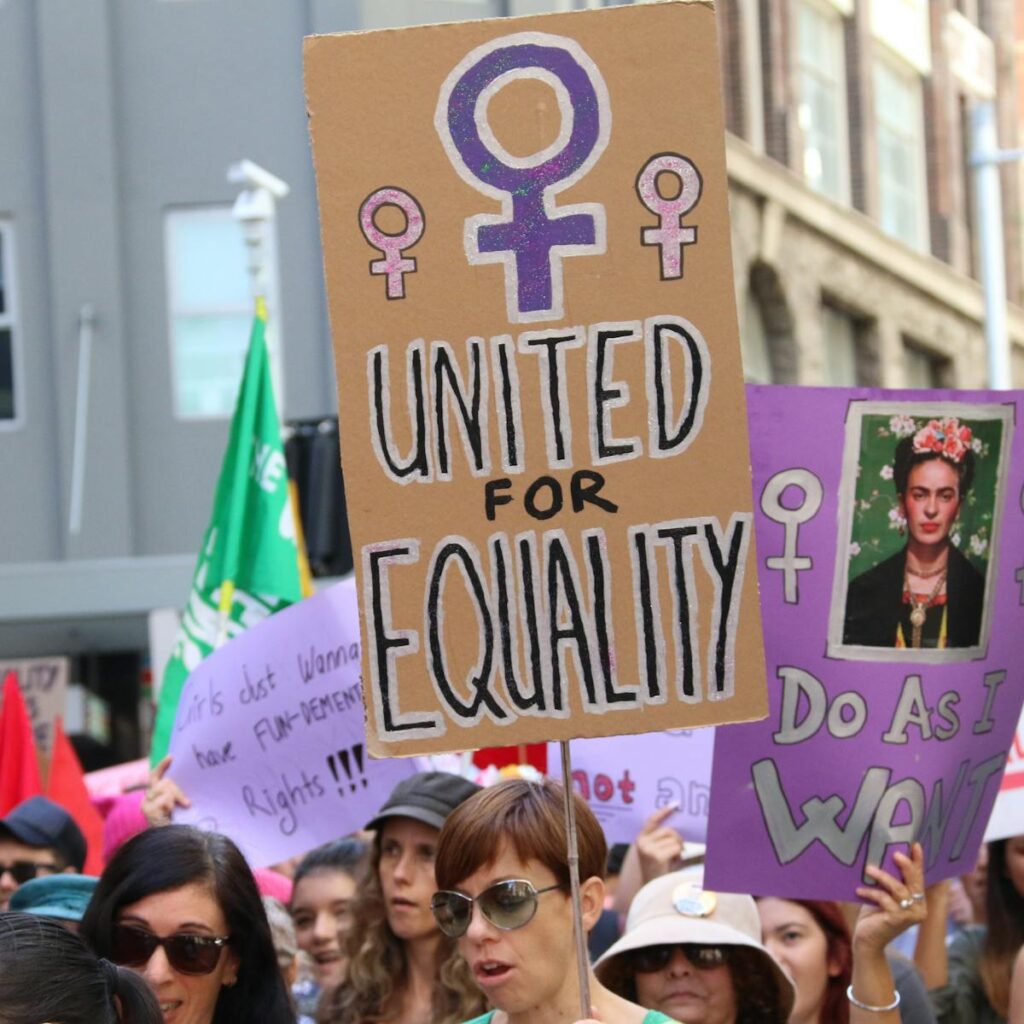
Ultimately, the relationship between fashion and feminism is a complex and ever-evolving dialogue. There are no easy answers, no simple solutions. But by engaging in critical analysis, challenging the status quo, and demanding greater accountability from the fashion industry, we can harness the power of clothing to create a more just and equitable world. Fashion is not merely a reflection of society; it is a powerful tool for shaping it. Let us wield it wisely, fiercely, and with unwavering commitment to the liberation of all women.
The ongoing discourse surrounding cultural appropriation within the fashion industry demands our unwavering attention. The uncritical borrowing of designs, motifs, and styles from marginalized cultures, often without proper attribution or respect, is not merely an aesthetic faux pas; it is a perpetuation of colonial power dynamics. To adorn oneself in the cultural heritage of another without understanding its significance or acknowledging its origins is an act of blatant disrespect and a form of symbolic violence. We must demand that the fashion industry engage in genuine dialogue with marginalized communities, prioritize collaboration over appropriation, and ensure that cultural heritage is protected and celebrated, not exploited for profit.
Let us not forget the power of individual expression. Fashion is, at its core, a deeply personal act of self-definition. It is about crafting an identity, communicating values, and expressing one’s unique perspective on the world. By embracing our individuality, rejecting the pressure to conform, and using clothing as a form of creative expression, we can challenge the homogenizing forces of consumer culture and reclaim our agency in a world that often seeks to diminish and control us. The most powerful act of feminist fashion is simply to be oneself, authentically and unapologetically.
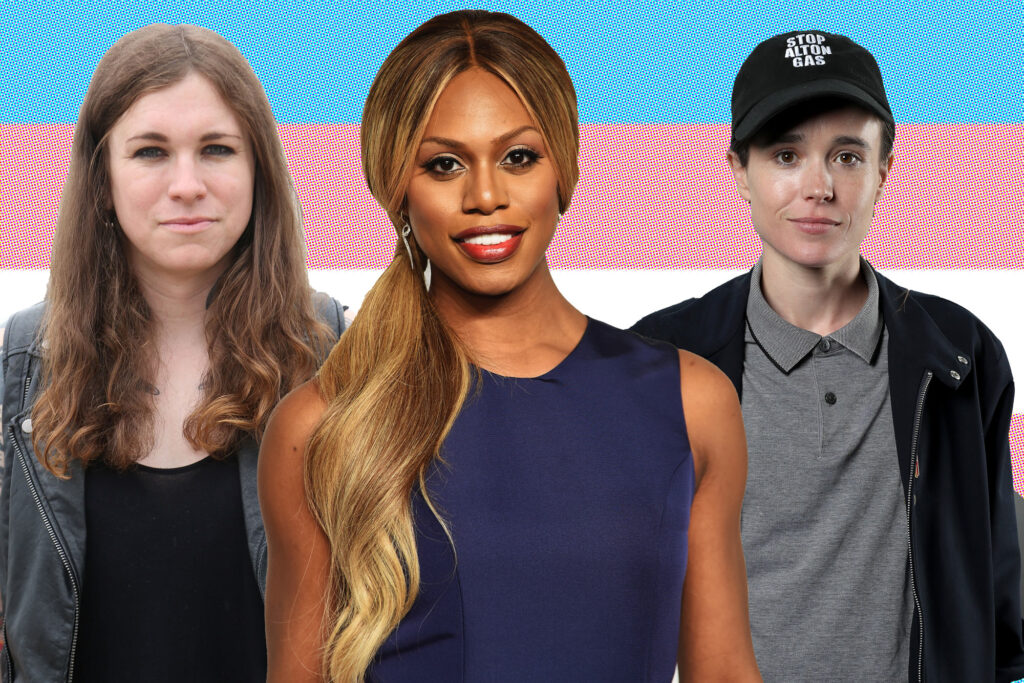
The fight for inclusivity within the fashion industry extends beyond body size and cultural representation. It must also encompass disability, age, gender identity, and socioeconomic status. True inclusivity means creating a fashion landscape where everyone feels seen, valued, and empowered to express themselves without fear of judgment or exclusion. This requires a fundamental shift in mindset, a willingness to challenge deeply ingrained biases, and a commitment to creating a more equitable and accessible fashion system for all.
Finally, let us remember that fashion is not merely about aesthetics; it is about power. It is about who gets to define beauty, who gets to control the narrative, and who gets to shape the future. By engaging with fashion critically, consciously, and creatively, we can harness its power to challenge oppressive systems, promote social justice, and create a world where all women are free to express themselves authentically and live their lives to the fullest. The revolution will not be televised; it will be accessorized.





Leave a Comment