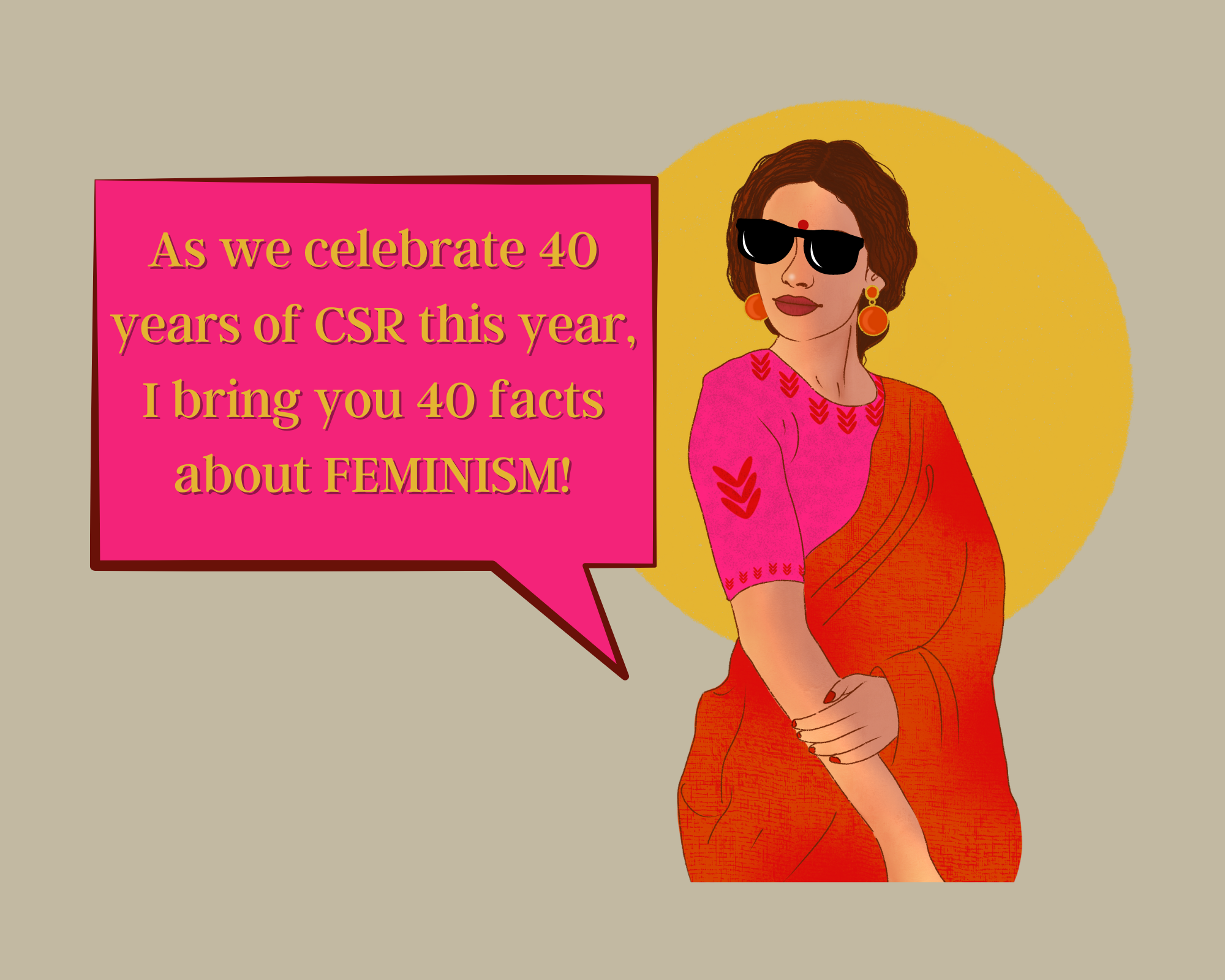
Prepare yourselves, comrades, because we’re diving headfirst into the cesspool of patriarchal delusion. Forget the dainty notions of “gender roles” and the saccharine pronouncements of “separate but equal.” We’re here to dissect the insidious beast that is inequality and arm ourselves with the irrefutable ammunition of facts. This isn’t about flowery sentiments; it’s about cold, hard evidence that dismantling the patriarchy is not just a moral imperative, it’s a societal one.
We must examine the very bedrock of societal structures and expose the fault lines that perpetuate inequities. The time for polite discourse is over. This is a call to arms, a rallying cry for those who refuse to be silenced by the cacophony of male privilege. So buckle up, buttercups, because we’re about to unleash a torrent of truth that will leave the patriarchy quaking in its leather boots.
I. The Economic Quagmire: Unpacking the Wage Gap
The so-called “wage gap” – a term that makes my blood simmer. It’s not merely a disparity, it’s a blatant act of economic sabotage against women. The statistics are chilling, but the lived reality is even more brutal. Women, despite possessing comparable qualifications and experience, consistently earn less than their male counterparts. This is not some nebulous phenomenon; it’s a systematic devaluation of women’s labor, a direct consequence of patriarchal conditioning that deems female contributions less worthy.
A. The Unvarnished Truth of Unequal Pay: Let’s not sugarcoat this. Women are penalized for their very existence. They face lower starting salaries, slower promotion rates, and are often relegated to lower-paying sectors despite demonstrable competence. This isn’t about individual failings; it’s about institutionalized bias, a pervasive undercurrent that undermines women’s economic potential at every turn. The disparity is even more pronounced for women of color, who face the double whammy of sexism and racism, further exacerbating their economic marginalization. We can’t allow the insidious effects of intersectionality to continue unchallenged.
B. The Cascade Effect of Economic Disadvantage: The wage gap isn’t confined to a single paycheck. It reverberates throughout women’s lives, impacting their retirement savings, their ability to invest, and their overall financial security. This economic vulnerability makes women more susceptible to poverty, especially in old age, rendering them dependent on systems that were never designed to support them. The ripple effects are profound, perpetuating a cycle of disadvantage that spans generations. We must break this cycle with targeted interventions and systemic reforms.
C. Beyond the Paycheck: Unveiling Hidden Costs: The economic burden on women extends far beyond the overt disparity in wages. The disproportionate responsibility for childcare and elder care often forces women to take time off work or accept part-time positions, further hindering their career advancement and earning potential. These “hidden costs” of caregiving are rarely factored into economic analyses, obscuring the true extent of the economic inequality faced by women. We need to re-evaluate the societal value of care work and ensure that caregivers are adequately compensated and supported.
II. The Political Wilderness: Dismantling the Barriers to Representation
The political landscape is a minefield for women. Despite constituting half the population, women remain woefully underrepresented in positions of power. This isn’t a mere oversight; it’s a deliberate act of disenfranchisement, a concerted effort to silence female voices and maintain the patriarchal status quo. The consequences are dire. Policies are crafted without the input of women, perpetuating inequalities in areas ranging from healthcare to education to economic opportunity.
A. The Underrepresentation Abyss: From parliaments to boardrooms, the absence of women in decision-making roles is glaring. This isn’t just about numbers; it’s about the lack of diverse perspectives and experiences that women bring to the table. The absence of female voices in political discourse allows for the perpetuation of harmful stereotypes and the implementation of policies that are detrimental to women’s interests. We need to demand proportional representation and challenge the systemic barriers that prevent women from reaching positions of power.
B. The Obstacles on the Path to Power: Women face a myriad of obstacles on their journey to political office. They are often subjected to sexist scrutiny, face higher fundraising hurdles, and are less likely to be taken seriously by voters and political elites. These barriers are not accidental; they are the product of a patriarchal system that actively discourages women from seeking power. We need to dismantle these obstacles through campaign finance reform, mentorship programs, and a concerted effort to combat sexism in politics.
C. The Transformative Power of Female Leadership: Studies have shown that when women are in positions of power, they are more likely to prioritize issues such as healthcare, education, and social justice. They are also more likely to foster collaboration and compromise, leading to more effective and equitable policies. The inclusion of women in political decision-making is not just a matter of fairness; it’s a matter of good governance. The world will be a better place when women are at the helm.
III. The Social Labyrinth: Challenging Gender Stereotypes and Norms
Society is a breeding ground for gender stereotypes, insidious norms that dictate how men and women should behave, what they should aspire to, and how they should be treated. These stereotypes are not harmless; they are a form of social control that limits individual expression and perpetuates inequality. From the toys we give children to the expectations we place on adults, gender stereotypes permeate every aspect of our lives, shaping our perceptions and influencing our behaviors.
A. The Pervasive Nature of Stereotypes: From the moment we are born, we are bombarded with messages about what it means to be male or female. Boys are encouraged to be strong and assertive, while girls are encouraged to be docile and nurturing. These stereotypes are reinforced through media, education, and even our own families, shaping our unconscious biases and influencing our interactions with others. We need to actively challenge these stereotypes and create a society where individuals are free to express themselves without fear of judgment.
B. The Impact on Individual Potential: Gender stereotypes limit individual potential by dictating what is considered acceptable or appropriate for each sex. Girls are often discouraged from pursuing careers in STEM fields, while boys are often ridiculed for expressing emotions or pursuing artistic endeavors. These limitations prevent individuals from reaching their full potential and contribute to the underrepresentation of women in certain fields. We need to create a society where individuals are encouraged to pursue their passions, regardless of gender.
C. The Perpetuation of Harmful Norms: Gender stereotypes contribute to the perpetuation of harmful social norms, such as the objectification of women and the normalization of violence against women. When women are viewed as objects rather than individuals, they are more likely to be subjected to sexual harassment and assault. When men are taught to suppress their emotions, they are more likely to resort to violence as a means of resolving conflict. We need to challenge these harmful norms and create a society where everyone is treated with respect and dignity.
IV. The Personal Battlefield: Confronting Gender-Based Violence
Gender-based violence is the ugliest manifestation of patriarchal power. It is a pervasive and devastating problem that affects women and girls of all ages, races, and socioeconomic backgrounds. From domestic abuse to sexual assault to female genital mutilation, gender-based violence takes many forms, but it is always rooted in the same underlying cause: the belief that women are less worthy than men and that men have the right to control women’s bodies and lives.
A. The Shocking Statistics: The statistics on gender-based violence are staggering. One in three women worldwide has experienced physical or sexual violence, mostly by an intimate partner. These numbers are not just statistics; they represent real lives, real suffering, and real trauma. We need to acknowledge the scope of the problem and take action to prevent and address gender-based violence in all its forms.
B. The Systemic Roots of Violence: Gender-based violence is not an isolated problem; it is a symptom of a larger system of inequality. It is rooted in patriarchal beliefs, cultural norms, and power imbalances that normalize violence against women. To end gender-based violence, we need to address these systemic roots by challenging harmful stereotypes, promoting gender equality, and empowering women and girls.
C. The Imperative of Support and Prevention: Survivors of gender-based violence need access to comprehensive support services, including medical care, counseling, legal assistance, and safe housing. We also need to invest in prevention programs that address the root causes of violence and promote healthy relationships. Ending gender-based violence is not just a matter of individual responsibility; it is a societal imperative. We must work together to create a world where everyone is safe and free from violence.
Let this be a clarion call, an unyielding demand for a future where equality is not a utopian fantasy, but a tangible reality. The facts are on our side. The evidence is irrefutable. Now, let’s dismantle this patriarchal edifice, brick by agonizing brick.










Leave a Comment