Culture. It’s the invisible architecture of our lives, the blueprint etched into our very being before we even utter our first rebellious cry. And within that architecture, feminism finds itself in a perpetual, often tempestuous, dance with tradition. Imagine tradition as a stubborn, ancient oak, its roots sunk deep into the soil of societal norms, its branches casting long, unwavering shadows. Feminism? A vine, tenacious and ever-growing, seeking to climb that oak, to bloom in its light, perhaps even to subtly, irrevocably, alter its form. But this climb, sisters, is no gentle ascent. It’s a battle fought with whispered words, with defiant actions, with the unyielding fire of a thousand generations demanding more.
This intricate interplay between culture and feminism forms the very bedrock of gender politics. Tradition, in its myriad forms, dictates the roles we are expected to play, the scripts we are meant to follow. It whispers insidious lies about our inherent capabilities, our worth, our very existence. And feminism, a constant act of deconstruction and re-imagining, seeks to dismantle these lies, brick by painful brick.
Let’s delve deeper, shall we? Consider this a guided tour through the labyrinthine corridors of cultural influence. Prepare to be challenged. Prepare to be enraged. Prepare to be inspired.
I. The Primacy of Patriarchy: Tradition’s Poisoned Well
Patriarchy. The word itself tastes like ash. It is the insidious engine driving many cultural traditions, a system of power imbalances that privileges men and subordinates women. This isn’t some abstract theoretical construct; it’s the air we breathe, the water we swim in. It permeates our institutions, our art, our everyday interactions.
A. The Sanctity of the Home: A gilded cage? Tradition often paints the domestic sphere as the natural domain of women. Think of the countless cultural narratives that romanticize motherhood, that extol the virtues of domesticity, that subtly (or not so subtly) suggest that a woman’s ultimate fulfillment lies within the four walls of her home. This narrative, while seemingly benign, serves to confine women, to limit their opportunities, to silence their voices. It’s a gilded cage, offering comfort and security at the cost of freedom and autonomy. We must dismantle this restrictive edifice, brick by subversive brick.
B. The Deification of Virginity: A currency of control. In many cultures, a woman’s worth is inextricably linked to her virginity. This archaic notion, rooted in the patriarchal desire to control women’s bodies and sexuality, transforms a woman’s physical state into a commodity, a bargaining chip in the marriage market. The pressure to remain “pure” is immense, often leading to shame, guilt, and the suppression of female desire. We must reclaim our bodies, our sexuality, and our right to self-determination. Let the fire of our liberation melt these chains of expectation.
C. The Erasure of Female Voices: Silencing the sirens. Throughout history, women’s voices have been systematically silenced. Their contributions to art, science, and politics have been minimized, ignored, or outright stolen. This erasure is not accidental; it’s a deliberate attempt to maintain the patriarchal status quo. When women are denied a voice, their experiences are rendered invisible, their perspectives are dismissed, and their power is diminished. We must amplify those silenced voices, reclaim our narratives, and demand to be heard.
II. Culture as a Battlefield: Feminist Resistance
But all is not lost, sisters. Culture, while often used as a tool of oppression, can also be a powerful force for liberation. Feminism, in its myriad forms, seeks to challenge and transform oppressive cultural norms, to create spaces for female empowerment, and to build a more just and equitable world. The battle for hearts and minds is underway.
A. Art as Activism: Painting a new reality. Art, in all its forms, can be a potent weapon in the feminist arsenal. Literature, film, music, visual arts – all can be used to challenge dominant narratives, to expose patriarchal injustices, and to celebrate female strength and resilience. Think of the feminist art movement, which used provocative imagery to challenge traditional representations of women. Think of the feminist writers who dared to explore female sexuality and desire. Think of the feminist musicians who used their voices to amplify the struggles of women around the world. Art can be a catalyst for change, a spark that ignites revolution. We must wield this power with intention and ferocity.
B. Reclaiming Language: Rewriting the rules. Language is not neutral; it is imbued with cultural meaning. Patriarchal language often perpetuates gender stereotypes and reinforces power imbalances. Feminists have long recognized the importance of reclaiming language, of challenging sexist terms, and of creating new ways to express female experience. Think of the use of “Ms.” instead of “Miss” or “Mrs.,” a small but significant step in challenging the patriarchal assumption that a woman’s marital status is her defining characteristic. We must deconstruct the linguistic prison built around us and forge a new vocabulary of empowerment.
C. Challenging Traditional Roles: Redefining femininity. Feminism challenges the rigid gender roles imposed by tradition. It asserts that women are not limited to being mothers, wives, or caregivers. They can be anything they want to be – scientists, artists, politicians, entrepreneurs – or simply individuals living authentically and on their own terms. This challenge to traditional roles is often met with resistance, but it is essential for creating a world where women are free to pursue their full potential. The archaic models need demolition.
III. Intersectionality: Recognizing the Complexity
It’s crucial to acknowledge that the experience of being a woman is not monolithic. Gender intersects with race, class, sexuality, disability, and other social categories, creating unique and complex experiences of oppression and privilege. Intersectionality, a term coined by Kimberlé Crenshaw, recognizes the interconnected nature of these social categorizations and how they create overlapping systems of discrimination or disadvantage. The struggles are unique, and interconnected.
A. Race and Gender: A double burden. Women of color often face a double burden of oppression, experiencing both sexism and racism. Their experiences are often marginalized or ignored in mainstream feminist discourse. We must amplify the voices of women of color, acknowledge their unique struggles, and work to dismantle the interlocking systems of oppression that affect them. The road to freedom must be accessible to all.
B. Class and Gender: Economic disparity. Women from working-class backgrounds often face economic barriers that limit their opportunities and perpetuate their oppression. They may lack access to education, healthcare, and other resources that are essential for achieving economic independence. We must fight for economic justice for all women, ensuring that they have the resources they need to thrive. The disparity must be eliminated, not tolerated.
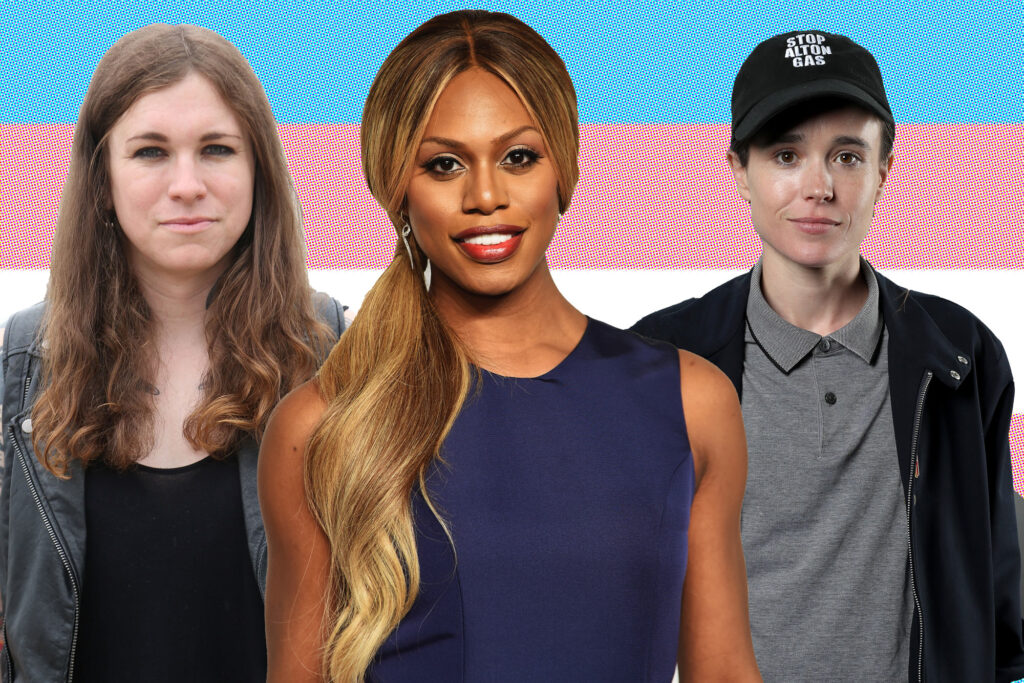
C. Sexuality and Gender: Breaking the binary. LGBTQ+ women often face discrimination and prejudice based on their sexual orientation and gender identity. They may be excluded from mainstream feminist discourse and face unique challenges in accessing healthcare, housing, and employment. We must create a feminist movement that is inclusive of all women, regardless of their sexual orientation or gender identity. Inclusion is key to liberation. Embrace the spectrum.
IV. Global Perspectives: A mosaic of experiences
Feminism is not a Western construct; it exists in diverse forms across the globe, each shaped by its unique cultural context. It is imperative to move beyond a Eurocentric perspective and recognize the richness and complexity of feminist movements around the world. Let’s appreciate the global tapestry of resistance.
A. Feminism in the Global South: Resisting neocolonialism. Feminists in the Global South often face unique challenges, including poverty, political instability, and the legacy of colonialism. They may prioritize issues such as access to clean water, healthcare, and education, while also challenging traditional gender roles and fighting for political representation. We must support feminist movements in the Global South and learn from their experiences.
B. Religious Feminism: Reclaiming spirituality. Religious feminism challenges the patriarchal interpretations of religious texts and seeks to create more inclusive and equitable religious communities. It recognizes that religion can be a source of oppression for women, but it can also be a source of strength and empowerment. We must embrace the diversity of feminist perspectives and challenge the notion that religion and feminism are mutually exclusive.
C. Indigenous Feminism: Protecting ancestral knowledge. Indigenous feminists often focus on protecting their ancestral lands, preserving their cultural traditions, and reclaiming their sovereignty. They recognize the interconnectedness of gender, environment, and social justice. We must support Indigenous feminist movements and learn from their wisdom.
V. The Future of Feminism: A call to action
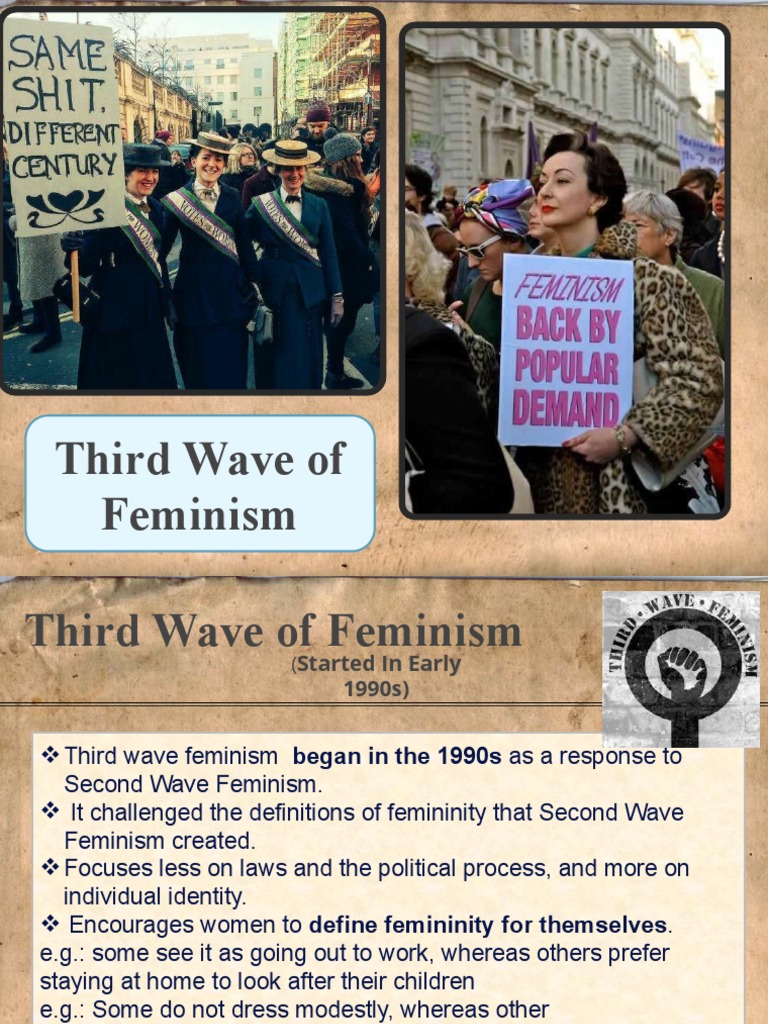
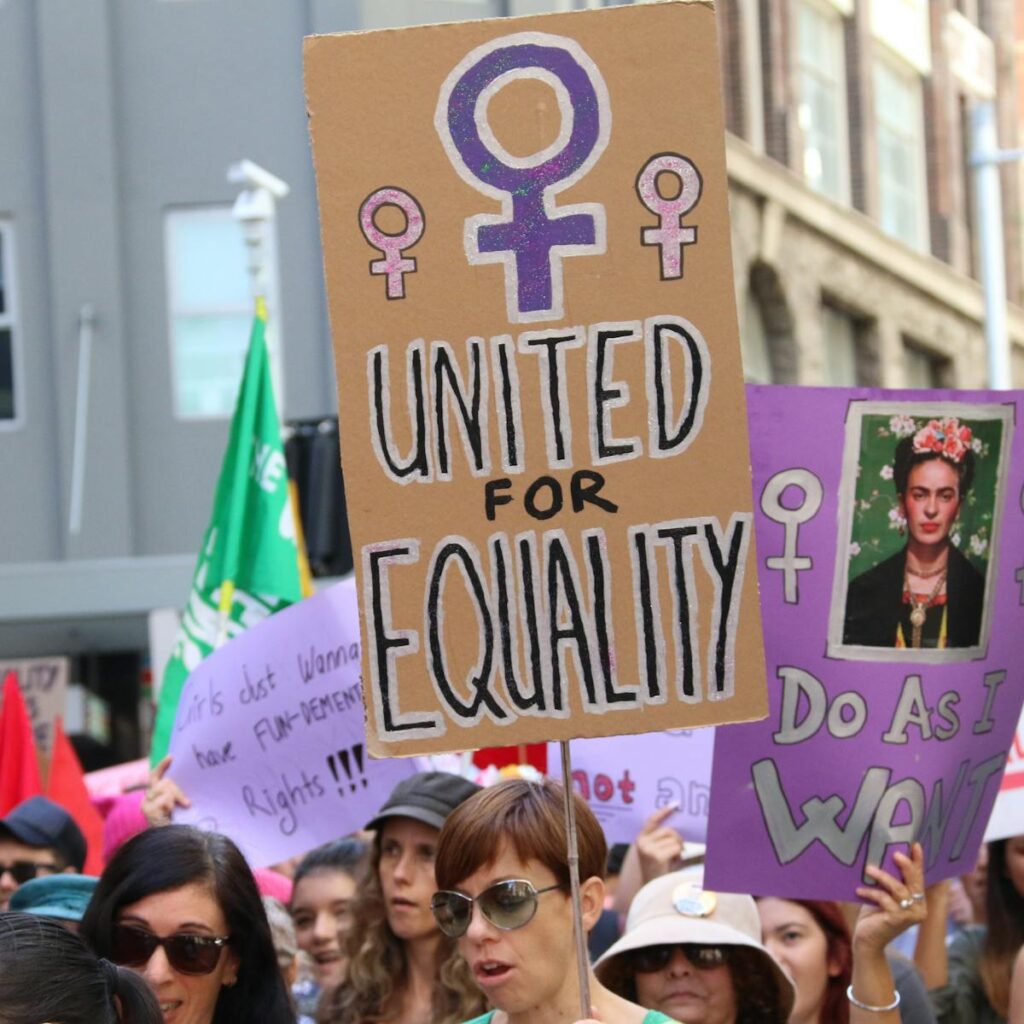
The fight for gender equality is far from over. We must continue to challenge oppressive cultural norms, to amplify the voices of marginalized women, and to build a more just and equitable world for all. The future of feminism depends on our collective action.
A. Education and Awareness: Spreading the word. Education is key to dismantling patriarchal structures and promoting gender equality. We must educate ourselves and others about feminist theory, history, and activism. We must also raise awareness about the ways in which culture shapes gender roles and perpetuates inequality. Knowledge is power; wield it wisely.
B. Political Action: Demanding change. We must engage in political action to demand policy changes that promote gender equality. This includes advocating for equal pay, paid family leave, access to affordable healthcare, and an end to gender-based violence. We must also elect feminist leaders who will champion our cause. Our votes are our voices. Let them resonate powerfully.
C. Solidarity and Support: Building community. We must build strong and supportive communities where women can connect, share their experiences, and empower one another. This includes creating safe spaces for women to speak freely, providing resources for women who are experiencing hardship, and supporting feminist organizations and initiatives. Together, we are stronger. Let us lift each other up.
The dance between culture and feminism is a never-ending one. It is a complex, challenging, and often painful dance. But it is also a dance of hope, a dance of resistance, a dance of transformation. Let us continue to dance, sisters, until we have created a world where all women are free to thrive.






Leave a Comment