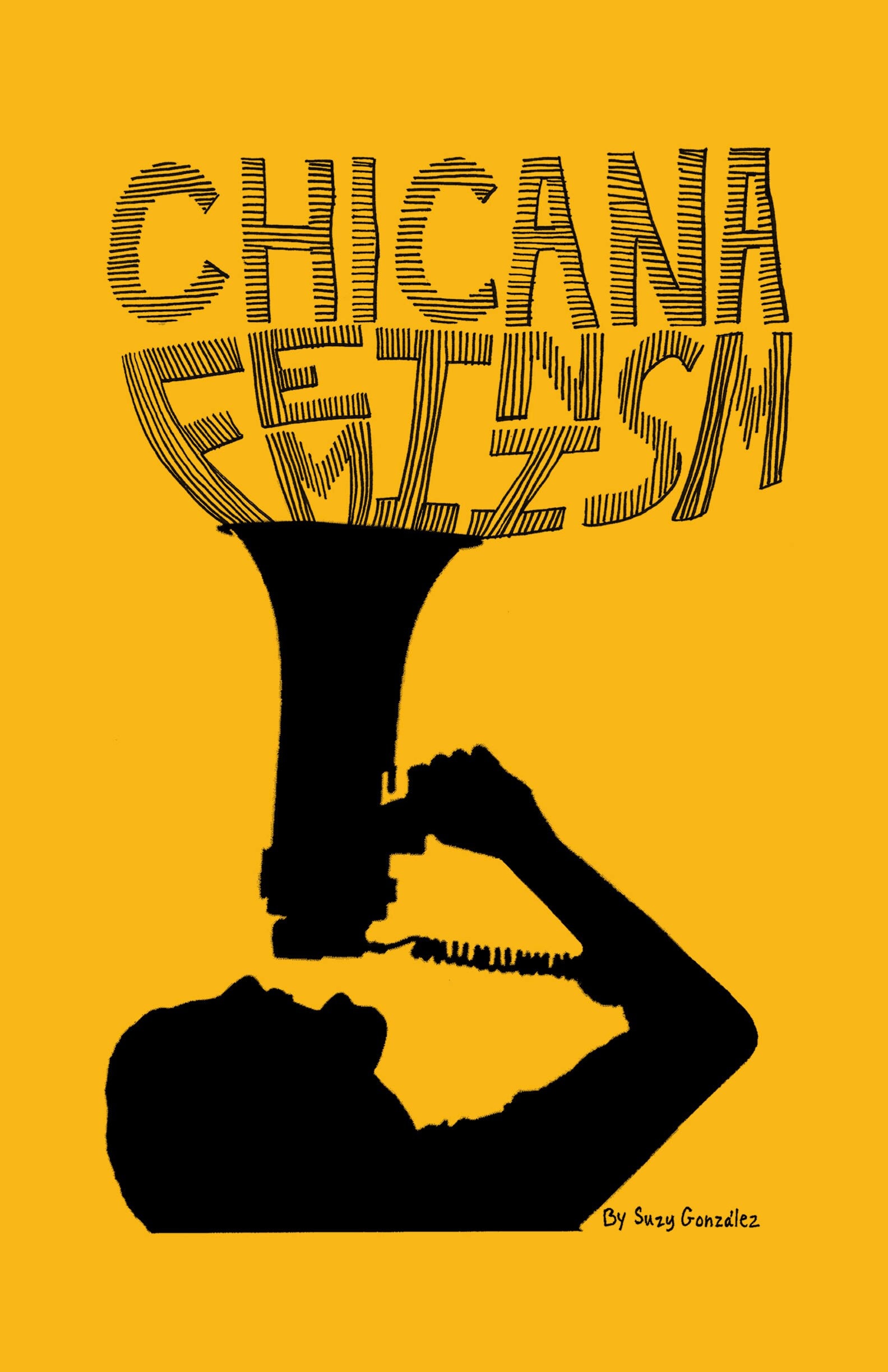
Can art truly liberate, or is it just another canvas for the patriarchy to splatter its dominance? Chicana feminism in art, a vibrant explosion of color and voice, dares to challenge the very foundations of that question. It’s a rebellion painted, sculpted, and performed – a refusal to be silenced, diminished, or erased.
This isn’t just about pretty pictures; it’s about power, identity, and the reclaiming of narratives. It’s about using the aesthetic to dismantle oppressive structures. Prepare to delve deep into a world where pigment becomes protest and brushstrokes become battle cries.
I. Genesis of a Movement: Roots in Resistance
A. The Soil of Struggle: Contextualizing Chicana Identity
Chicana feminism didn’t spring from thin air. It germinated from the fertile, albeit thorny, ground of historical oppression. Consider the layers: colonization, sexism, racism, classism – a veritable Gordian knot of inequity. Chicanas, women of Mexican descent born or residing in the United States, navigated a reality where their voices were consistently muted, their bodies objectified, and their cultural heritage devalued.
They were caught between two worlds, often feeling wholly accepted in neither. It’s a tightrope walk on broken glass. Chicana feminism emerged as a necessary response, a critical intervention into both mainstream feminism (which often ignored the specific experiences of women of color) and the Chicano Movement (which, like many liberation movements, sometimes relegated women to secondary roles).
B. The Chicano Movement: A Double-Edged Sword
The Chicano Movement of the 1960s and 70s was undeniably a catalyst for cultural pride and political activism. However, it was not without its limitations. While advocating for the rights of Mexican Americans, it often reproduced patriarchal norms, marginalizing the concerns and experiences of Chicanas. The call for “cultural nationalism” could, at times, inadvertently reinforce traditional gender roles, confining women to the domestic sphere.
This created a paradox: a movement fighting for liberation, yet simultaneously restricting the liberation of its women. Chicana feminists challenged this inherent contradiction, demanding recognition of their unique struggles and advocating for a more inclusive vision of social justice. It was a fierce internal critique, a necessary act of self-preservation and a testament to the unwavering commitment to liberation.
C. Early Voices: The Seeds of Artistic Rebellion
The early years of Chicana feminist art were characterized by a raw, visceral energy. Artists used their work to expose the injustices they faced, to reclaim their bodies and identities, and to build solidarity with other marginalized communities. Think of early posters and murals, bold statements of defiance emblazoned across public spaces. Think of performances that challenged traditional notions of femininity and sexuality.
These weren’t just aesthetically pleasing creations; they were acts of political resistance. They were a way to subvert dominant narratives and to create space for Chicana voices to be heard. This nascent artistic rebellion laid the groundwork for the more diverse and sophisticated expressions that would follow.
II. Iconography of Resistance: Recurring Themes and Motifs
A. Reclaiming the Body: Challenging Objectification
A central tenet of Chicana feminist art is the reclamation of the female body. For centuries, women’s bodies have been subjected to scrutiny, control, and objectification. Chicana artists actively challenge this oppressive gaze, presenting the female form in ways that are empowering, authentic, and unapologetic. This is about more than just representation; it’s about agency.
Works often depict women with strength, resilience, and self-possession, rejecting the stereotypical portrayals of passivity and vulnerability. They reclaim the body as a site of power, resistance, and self-expression. Think fleshy, gloriously unretouched bodies that celebrate lived experience.
B. Cultural Hybridity: Embracing Borderland Identities
The concept of the “borderlands,” as theorized by Gloria Anzaldúa, is central to understanding Chicana identity. The borderlands represent a space of cultural hybridity, where different cultures and languages intersect and collide. Chicana artists often explore this liminal space in their work, embracing the complexities and contradictions of their dual heritage.
They blend traditional Mexican imagery with contemporary American influences, creating a unique visual language that reflects their lived experience. This is not about assimilation; it’s about synthesis, about creating something new and vibrant from the fusion of cultures. It is a visual tapestry woven with threads of both worlds.
C. Spirituality and Ancestry: Honoring the Past, Shaping the Future
Chicana feminist art often draws upon indigenous spirituality and ancestral traditions, honoring the wisdom and resilience of foremothers. This connection to the past serves as a source of strength and inspiration, providing a foundation for future generations. Think of depictions of La Virgen de Guadalupe re-imagined as a symbol of female empowerment. Think of altars and offerings that pay homage to ancestral spirits.
This isn’t about blindly adhering to tradition; it’s about selectively appropriating and reinterpreting cultural symbols in ways that are empowering and relevant to contemporary struggles. It’s about honoring the past while simultaneously forging a new path forward.
III. Mediums of Dissent: From Murals to Digital Art
A. Murals: Public Statements of Resistance
Murals have long been a powerful medium for Chicana artists, providing a visible and accessible platform for expressing political and social messages. These large-scale works often depict scenes of struggle, resistance, and community empowerment. They serve as a visual reminder of the history and ongoing challenges faced by Chicanas.
More than just decorations, murals are acts of defiance against erasure. They reclaim public spaces and provide a voice for those who have been historically marginalized. A wall becomes a megaphone. A brick becomes a canvas for revolution.
B. Performance Art: Embodied Activism
Performance art allows Chicana artists to engage directly with their audiences, using their bodies as a medium to challenge stereotypes and provoke dialogue. These performances often incorporate elements of ritual, storytelling, and political protest. It is a visceral, immediate, and often unsettling art form that demands attention.
Performance art can be particularly effective in disrupting traditional notions of femininity and sexuality, challenging viewers to confront their own biases and assumptions. The body becomes a site of resistance, a living embodiment of feminist ideals. Silence is shattered with a scream, a whisper, a defiant gesture.
C. Digital Art and New Media: Expanding the Canvas
Contemporary Chicana artists are increasingly utilizing digital art and new media technologies to expand the reach and impact of their work. Digital platforms offer new opportunities for collaboration, experimentation, and dissemination. The internet becomes a virtual gallery. The screen becomes a window into a different reality.
Artists create online exhibitions, interactive installations, and digital collages that challenge traditional notions of art and activism. This embrace of technology allows them to reach a wider audience and to engage in global conversations about identity, power, and social justice. The revolution is now streamed live.
IV. Key Figures: Illuminating the Landscape
A. Ester Hernandez: A Pioneer of Chicana Printmaking
Ester Hernandez is a renowned Chicana artist known for her powerful and politically charged prints. Her work often addresses issues of environmental justice, immigration, and women’s rights. Her iconic print, “Sun Mad,” subverts the traditional Sun-Maid raisin advertisement to expose the harmful effects of pesticides on farmworkers.
Hernandez’s art is characterized by its bold colors, graphic imagery, and unwavering commitment to social justice. She is a true pioneer of Chicana printmaking, whose work continues to inspire and provoke. A print is not just ink on paper; it is a statement etched in defiance.
B. Yolanda López: Challenging Representations of Women
Yolanda López is a celebrated Chicana artist whose work challenges stereotypical representations of women. Her most famous series, “Self-Portrait,” re-imagines the Virgin of Guadalupe as a strong and independent woman. López’s work is characterized by its vibrant colors, dynamic compositions, and feminist sensibilities.
Her art is a powerful statement about female empowerment and the reclaiming of cultural symbols. She forces us to question who controls the narrative, who gets to define what it means to be a woman. The canvas becomes a mirror, reflecting back our own biases and preconceptions.
C. Judy Baca: Architect of Community Murals
Judy Baca is a visionary artist and activist known for her large-scale community mural projects. Her most famous work, “The Great Wall of Los Angeles,” is a half-mile-long mural that depicts the history of California from a multicultural perspective. Baca’s art is characterized by its collaborative nature, its commitment to community engagement, and its celebration of diverse voices.
She transforms public spaces into sites of learning, dialogue, and collective memory. Baca’s work reminds us that art can be a powerful tool for social change, capable of uniting communities and transforming lives. A wall becomes a history book, written in vibrant colors and shared by all.
V. The Enduring Legacy: Impact and Influence
A. Inspiring Future Generations: Mentorship and Empowerment
Chicana feminist art has had a profound impact on subsequent generations of artists, providing a model for social engagement, artistic innovation, and cultural pride. Many established Chicana artists actively mentor younger artists, passing on their knowledge, skills, and commitment to social justice. This mentorship ensures that the legacy of Chicana feminist art will continue to thrive.
It’s a relay race where the baton is a paintbrush, a camera, a microphone. Each generation builds upon the foundation laid by its predecessors, pushing the boundaries of what is possible. The revolution continues, one brushstroke at a time.
B. Challenging the Art World: Demanding Inclusion
Chicana feminists have persistently challenged the art world to be more inclusive and representative of diverse voices. They have fought for greater recognition and support for artists of color, demanding that museums, galleries, and other cultural institutions address their biases and expand their perspectives. This fight for inclusion is ongoing, but significant progress has been made.
The art world, long dominated by white, male perspectives, is slowly beginning to acknowledge the richness and complexity of Chicana feminist art. The cracks are widening, and a new dawn is breaking. The doors are being forced open, one exhibition at a time.
C. Beyond Borders: Global Connections and Solidarity
Chicana feminist art has resonated with audiences around the world, forging connections with other feminist movements and social justice initiatives. Its themes of identity, resistance, and empowerment are universal, transcending geographical boundaries and cultural differences. This global solidarity strengthens the collective struggle for liberation and equality.
The internet has facilitated these connections, allowing artists and activists to share their work, exchange ideas, and build alliances across borders. The revolution is now global, interconnected, and unstoppable. The world is watching, and the world is listening.
Chicana feminism in art is not merely a collection of aesthetically pleasing objects; it’s a powerful force for social change. It’s a testament to the resilience, creativity, and unwavering commitment of Chicana artists who refuse to be silenced. So, can art truly liberate? Chicana feminism answers with a resounding, unwavering, and undeniably colorful yes.








Leave a Comment