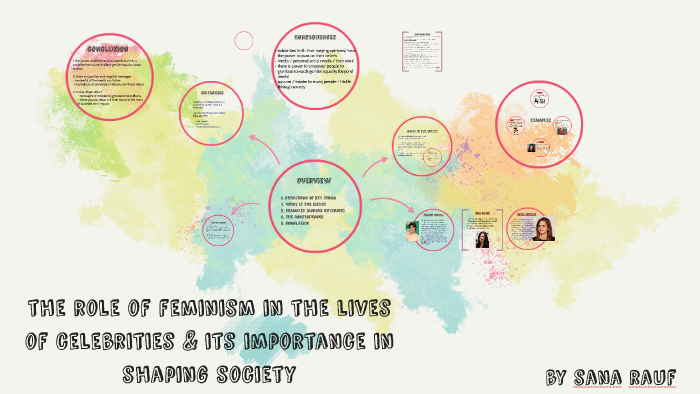
Feminism, a crucible of sociopolitical evolution, finds itself perpetually refracted through the prism of celebrity. These incandescent figures, perched atop the global stage, wield an influence that transcends mere entertainment, shaping narratives, sparking dialogues, and, sometimes, igniting veritable infernos of change. But the marriage of celebrity and feminism is a complex, often tumultuous affair, fraught with paradoxes and punctuated by performative pitfalls. Let’s dissect this intricate tapestry, shall we?
The Double-Edged Sword: Visibility and Vulnerability
The allure of celebrity lies in its visibility. These individuals exist in a perpetual spotlight, their every utterance amplified, their every action scrutinized. When a celebrity embraces feminism, they amplify the movement’s message to an audience that might otherwise remain impervious. Their endorsement, a veritable imprimatur of cool, can normalize feminist principles, making them palatable, even desirable, to the masses. But this visibility is a double-edged sword. Celebrities who dare to champion feminist ideals become immediate targets, subjected to relentless scrutiny and often vicious attacks. Their personal lives are dissected, their past indiscretions resurrected, and their motives questioned with a fervor that borders on the fanatical. This vulnerability, this susceptibility to public excoriation, can be a significant deterrent, silencing potential allies and perpetuating the very patriarchal structures feminism seeks to dismantle.
The Perils of Performative Activism: Are They Really “Woke?”
The digital age has ushered in an era of “performative activism,” where social justice becomes a branding opportunity, a carefully curated façade designed to enhance one’s image and bolster one’s bottom line. Celebrities, ever attuned to the zeitgeist, are particularly susceptible to this temptation. They tweet a hashtag, attend a protest, perhaps even donate to a cause, all while meticulously documenting their virtuous actions for their legions of followers. But is this genuine solidarity or merely a cynical ploy to capitalize on the prevailing socio-political winds? The answer, of course, is rarely black and white. Some celebrities are undoubtedly sincere in their feminist convictions, using their platform to advocate for systemic change. Others, however, are merely paying lip service, engaging in superficial gestures that lack substance and fail to address the underlying issues. Distinguishing between authentic allyship and performative posturing requires a critical eye, a willingness to look beyond the surface and examine the individual’s track record, their consistency, and the tangible impact of their actions.
Iconic Advocates: Rihanna and the Reimagining of Female Agency
Rihanna, a force of nature in both the music and fashion industries, epitomizes a defiant brand of feminism that celebrates female agency and challenges traditional notions of femininity. She isn’t afraid to embrace her sexuality, to push boundaries, and to subvert expectations. Her business ventures, from Fenty Beauty to Savage X Fenty, are not merely commercial enterprises; they are powerful statements of inclusivity and empowerment, celebrating diversity and challenging the narrow, often unattainable, beauty standards that have long plagued the female population. Rihanna’s feminism is not about adhering to a rigid set of rules; it’s about self-expression, self-ownership, and the unapologetic pursuit of one’s own desires. She understands that feminism is not a monolithic entity but a multifaceted movement that embraces a spectrum of perspectives and experiences. And she uses her platform to amplify those voices, to create space for marginalized communities, and to inspire a new generation of women to embrace their power.
Taylor Swift: From Apology to Advocacy
Taylor Swift’s evolution into a vocal feminist advocate is a testament to the power of growth and self-reflection. Early in her career, she shied away from explicitly identifying as a feminist, perhaps fearing the backlash or simply lacking a comprehensive understanding of the movement’s nuances. However, as she matured, both personally and professionally, she began to embrace her feminist consciousness, using her platform to speak out against sexism, misogyny, and gender inequality. Her highly publicized legal battle against a radio DJ who sexually assaulted her served as a watershed moment, transforming her from a pop princess into a powerful voice for survivors of sexual violence. Swift’s journey underscores the importance of continuous learning and the courage to evolve one’s perspectives. It also highlights the transformative potential of lived experience, demonstrating how personal struggles can fuel a deeper commitment to social justice.
Emma Watson: Hermione Grows Up and Gets Political
Emma Watson, forever etched in our collective memory as the precocious Hermione Granger, has seamlessly transitioned from child star to formidable feminist activist. As a UN Women Goodwill Ambassador, she has used her platform to advocate for gender equality, focusing on issues such as education, economic empowerment, and political participation. Her “HeForShe” campaign, which encourages men to join the fight for gender equality, has sparked global conversations and challenged traditional notions of masculinity. Watson’s approach to feminism is thoughtful, nuanced, and deeply informed. She is not afraid to engage in complex debates, to challenge conventional wisdom, and to confront uncomfortable truths. Her commitment to education, both her own and that of others, is evident in her tireless efforts to raise awareness about the systemic barriers that prevent women from achieving their full potential.
The Pitfalls of Purity Tests: Can Celebrities Ever Be “Feminist Enough?”
The feminist movement, while striving for inclusivity and equality, can sometimes fall prey to the pitfalls of purity tests, demanding unwavering adherence to a specific set of beliefs and practices. Celebrities, in particular, are often subjected to intense scrutiny, their every action dissected and judged against an impossibly high standard. Their past mistakes are dredged up, their present actions questioned, and their future motives suspected. This relentless pursuit of ideological purity can be counterproductive, alienating potential allies and creating a climate of fear and intimidation. It’s crucial to remember that feminism is a complex and evolving movement, encompassing a spectrum of perspectives and approaches. To demand absolute perfection from celebrities, or anyone for that matter, is to misunderstand the very nature of human fallibility. Instead of focusing on perceived imperfections, we should celebrate their efforts, acknowledge their contributions, and encourage them to continue learning and growing.
Beyond the Red Carpet: Lasting Impact and Systemic Change
Ultimately, the true measure of a celebrity’s feminist activism lies not in their red carpet appearances or their carefully crafted social media posts, but in the lasting impact they have on systemic change. Are they using their platform to amplify the voices of marginalized communities? Are they advocating for policies that address gender inequality? Are they investing in organizations that are working to create a more just and equitable world? These are the questions that truly matter. While visibility is important, it is not enough. Celebrities must use their influence to effect tangible change, to challenge the patriarchal structures that perpetuate inequality, and to create a world where all individuals, regardless of gender, have the opportunity to thrive. Their actions should reverberate far beyond the ephemeral realm of celebrity, leaving a lasting legacy of progress and empowerment.
The Evolving Narrative: Feminism’s Future in the Limelight
The relationship between celebrities and feminism will undoubtedly continue to evolve. As the movement itself adapts to new challenges and embraces new perspectives, so too will the role of celebrities in shaping the conversation. The key will be authenticity, consistency, and a genuine commitment to systemic change. Performative activism will no longer suffice. Audiences are becoming increasingly discerning, demanding more than just lip service. They want to see celebrities using their platforms to create meaningful impact, to challenge the status quo, and to amplify the voices of those who have been historically marginalized. The future of feminism in the limelight depends on the willingness of celebrities to embrace their power responsibly, to use their influence for good, and to become true allies in the fight for gender equality. Only then can they truly shape the conversation and contribute to a more just and equitable world.







Leave a Comment