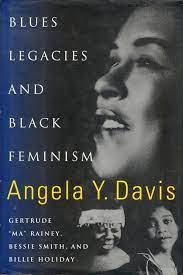
Alright, sisters, buckle up. We’re diving headfirst into the crucible of black feminist thought, where the mournful wail of the blues intertwines with the steely resolve of resistance. This isn’t just about music; it’s about excavating the sonic archaeology of survival, the defiant narratives etched into every soulful note. It’s about demanding recognition for the unsung heroines of our ancestral chorus. Get ready to have your assumptions challenged.
We’re talking about “Blues Legacies and Black Feminism,” a potent brew of scholarship and liberation. It’s not simply a book; it’s a manifesto disguised as musicology. It’s a clarion call to re-evaluate the historical contributions of black women, moving beyond the stereotypes and embracing the complexities of their lived experiences. Prepare for an intellectual upheaval. Are you ready?
Consider this your battle plan:
I. The Blues as Palimpsest: Unearthing Black Women’s Voices
Forget the watered-down versions of history you’ve been fed. The blues, in its rawest form, serves as a palimpsest – a parchment upon which multiple layers of narratives are inscribed. Each verse, a testament to the resilience of black women, etched into the collective consciousness.
A. Beyond the Ballad: The Blues as Historical Testimony: We often romanticize the blues, focusing on the heartbreak and longing. But look closer. These songs are coded chronicles of oppression, poverty, sexual exploitation, and the daily indignities endured by black women. It’s not just melancholy; it’s testimony. It’s about the unspeakable.
B. The Matriarchal Undercurrent: Blues Women as Proto-Feminists: These women weren’t waiting for permission to be heard. They were claiming their space, challenging societal norms, and asserting their agency through song. Ma Rainey, Bessie Smith, Memphis Minnie – these are not just singers; they are architects of their own destinies. Their voices resonated with an audacity rarely afforded to women of color in their time. They were proto-feminists, forging a path for generations to come, long before the term gained widespread currency. Consider it a sonic revolution.
C. Reclaiming the Body: Sexuality and Self-Possession in the Blues: The blues offered black women a platform to openly discuss their sexuality, desires, and experiences without the constraints of respectability politics. They challenged the Victorian ideals of female purity and reclaimed ownership of their bodies and their narratives. It was a radical act of self-affirmation, a defiant rejection of societal expectations. They were unapologetically themselves, flaws and all. It was liberation, one blues note at a time.
II. Memory as Resistance: The Blues as a Weapon of Historical Reclamation
Memory is not passive recollection; it’s an active weapon. The blues, in this context, functions as a repository of collective memory, a way to preserve and transmit the experiences of black women in the face of erasure and historical amnesia.
A. Counter-Narratives: Challenging Dominant Historical Discourses: The official history books often omit or distort the contributions of marginalized groups. The blues provides a counter-narrative, offering a more nuanced and authentic portrayal of black women’s lives and struggles. It’s about reclaiming the narrative, rewriting history from the margins. Silence is complicity. The blues refuses silence.
B. Intergenerational Dialogue: The Blues as a Bridge Across Time: The blues connects generations of black women, fostering a sense of continuity and shared identity. It transmits cultural knowledge, values, and survival strategies from one generation to the next. It’s a living legacy, a testament to the enduring power of music to transcend time and space. The past is not dead; it lives within the song.
C. The Politics of Nostalgia: Nostalgia as a Form of Resistance: Nostalgia, often dismissed as sentimentality, can be a powerful tool for political resistance. In the context of the blues, nostalgia serves as a way to remember and celebrate the resilience and ingenuity of black women in the face of adversity. It’s about honoring the past while fighting for a better future. It’s a form of defiance, a refusal to forget. We must not forget.
III. Black Feminism and the Blues: A Symbiotic Relationship
Black feminism provides a critical lens through which to analyze the blues and understand the complex intersection of race, gender, and class that shaped the lives and experiences of black women.
A. Intersectionality in Action: The Blues as a Reflection of Black Women’s Multi-Layered Oppression: The blues reflects the intersectional nature of black women’s oppression, highlighting how race, gender, and class intersect to create unique challenges and experiences. It’s about understanding the interconnectedness of these forms of oppression and the need for a holistic approach to liberation. Oppression is a Hydra; we must sever all heads.
B. Empowerment Through Expression: The Blues as a Vehicle for Self-Definition and Agency: The blues empowers black women by providing a platform for self-expression and agency. It allows them to define themselves on their own terms, challenge societal expectations, and assert their right to be heard. It’s about reclaiming their voices and using them to create change. The revolution will be sung.
C. Challenging Respectability Politics: The Blues as a Space for Unapologetic Self-Love: The blues challenges respectability politics by celebrating black women’s sexuality, bodies, and experiences without apology. It creates a space for them to be themselves, flaws and all, and to embrace their own unique beauty and power. It’s about rejecting the standards of beauty and behavior imposed by dominant society and embracing their own authentic selves. They are enough. We are enough.
IV. Reclaiming the Canon: Expanding Our Understanding of Musical History
It’s time to dismantle the patriarchal and Eurocentric biases that have long dominated the field of music history and to recognize the contributions of black women to the development of the blues and other musical genres.
A. Deconstructing the “Great Man” Theory of Music History: The “great man” theory of music history, which focuses on the achievements of individual (usually white male) composers and performers, ignores the collective and collaborative nature of musical creation. It’s time to challenge this theory and recognize the contributions of all those who have shaped the musical landscape. Music is not a solo act; it’s a symphony of voices.
B. Centering Black Women’s Voices: Integrating Their Contributions into the Mainstream Narrative: We must actively seek out and amplify the voices of black women in music history, ensuring that their contributions are recognized and celebrated. This means including their music in the curriculum, publishing their stories, and supporting their artistic endeavors. Their voices must be heard.
C. Beyond the Blues: Recognizing Black Women’s Contributions to Other Genres: Black women have made significant contributions to a wide range of musical genres, from jazz and gospel to rock and roll and hip-hop. It’s time to recognize their contributions across the board and to celebrate the diversity and richness of their musical legacy. Their influence is undeniable.
V. The Blues as a Catalyst for Social Change: Lessons for Today
The blues offers valuable lessons for contemporary social justice movements, providing a model for resistance, resilience, and the power of collective action.
A. Finding Strength in Vulnerability: The Blues as a Model for Authentic Expression: The blues encourages vulnerability and authenticity, allowing us to connect with our emotions and to express ourselves honestly. This can be a powerful tool for building empathy, fostering understanding, and creating a more just and compassionate world. Vulnerability is not weakness; it’s strength.
B. Building Community Through Music: The Blues as a Unifying Force: Music has the power to bring people together, to bridge divides, and to create a sense of community. The blues, in particular, has a long history of uniting people across racial, class, and gender lines. Music can be a powerful tool for building solidarity and promoting social change. Let the music unite us.
C. The Enduring Power of Resistance: The Blues as a Source of Inspiration for Activism: The blues is a testament to the enduring power of resistance in the face of oppression. It reminds us that even in the darkest of times, we can find hope, strength, and inspiration to fight for a better future. The struggle continues. The blues will guide us.
So, there you have it. “Blues Legacies and Black Feminism” isn’t just a book; it’s a portal. A portal to understanding the profound ways in which music can serve as a tool for resistance, a repository of memory, and a catalyst for social change. It’s a call to action. It’s a demand for recognition. It’s a celebration of the unsung heroines of the blues. Now, go forth and amplify their voices. The revolution awaits. And it will have a damn good soundtrack.








Leave a Comment