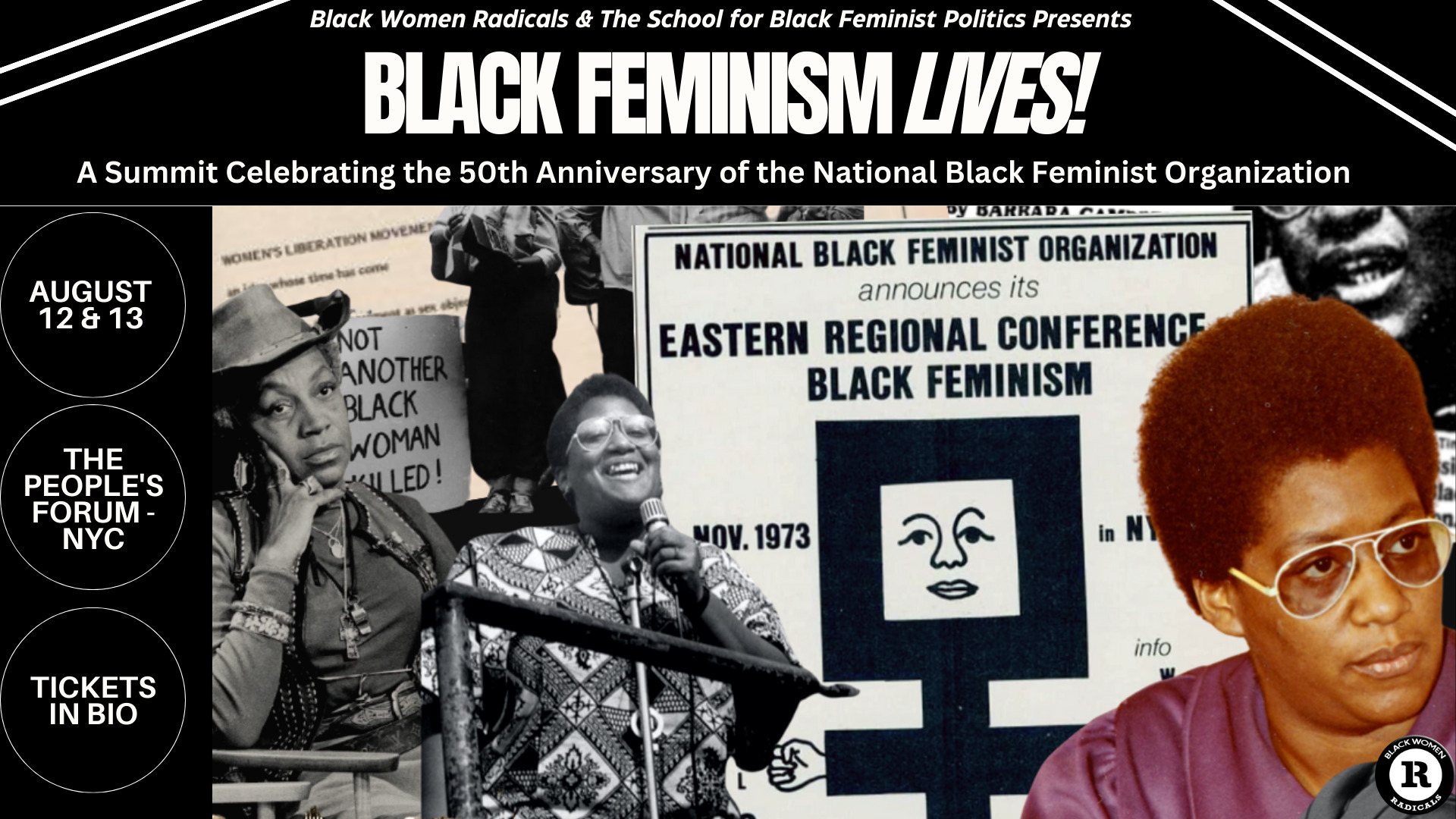
Honey, are we really still having this conversation? About whether Black feminism is a *thing*, a legitimate intellectual and activist force? Please. Let’s be clear: Black American feminism didn’t just shape a nation; it *saved* it from its own damn self. Now, some folks might whisper, “But isn’t all feminism, like, the same?” Bless their hearts. That’s like saying all flowers are roses. Cute, but catastrophically wrong. Let’s dive into the kaleidoscopic world of Black feminism, shall we? And prepare yourself, darling, because this journey is not for the faint of heart.
I. The Genesis: Sisters Doing It For Themselves (and Everyone Else)
A. The Double Jeopardy of Existence
Let’s rewind, shall we? To a time when being Black and a woman was akin to playing societal hard mode. White feminism, bless its well-intentioned soul, often neglected the unique quagmire faced by Black women. They were battling sexism and racism, simultaneously. Imagine trying to run a marathon with ankle weights made of systemic oppression. It’s exhausting, isn’t it? This intersectional reality birthed a fierce, unapologetic need for a feminism that centered Black women’s experiences, their voices, their liberation.
B. Sojourner Truth: Ain’t I a Woman? A Rhetorical Throwdown
Sojourner Truth’s legendary “Ain’t I a Woman?” speech wasn’t just a powerful oration; it was a seismic shift. She challenged the very definition of womanhood, demanding recognition, demanding equality. It was a mic drop moment centuries before mic drops were even a twinkle in a rapper’s eye. Her words reverberated through generations, laying the groundwork for the complex, multifaceted movement we know today. No more being relegated to the periphery. Black women were demanding center stage.
C. Anna Julia Cooper and the Colored Woman’s Office
Enter Anna Julia Cooper, a veritable intellectual titan. She eloquently articulated the necessity of Black women’s education and leadership. Cooper understood that upliftment of the Black community hinged on empowering its women. Her concept of the “Colored Woman’s Office” highlighted the specific needs and contributions of Black women, recognizing their critical role in societal advancement. It was about creating a space where Black women could thrive, not just survive. A beacon of hope in a landscape of despair, really.
II. The Combahee River Collective: A Revolutionary Manifesto
A. Defining Black Feminist Identity: Beyond the Binary
The Combahee River Collective Statement, published in 1977, served as a watershed moment, a defining declaration of Black feminist principles. This group of radical Black feminists articulated a complex understanding of interlocking oppressions. It wasn’t just about race or gender, but about class, sexuality, and other axes of power. They championed intersectionality before it was even a buzzword. These women were not just reacting; they were actively constructing a new paradigm.
B. Critiquing White Feminism’s Blind Spots
The Collective directly challenged the inherent racism and classism within mainstream feminism. They pointed out the glaring disconnect between the experiences of privileged white women and the harsh realities faced by Black women. It was a call to accountability, a demand for inclusivity, a shout into the echo chamber of obliviousness. The audacity! They refused to let the movement be defined by a single, monolithic experience.
C. Centering Black Lesbian Voices: Radical Love, Radical Politics
The Combahee River Collective bravely centered the experiences of Black lesbians, acknowledging their unique vulnerability and their powerful contributions to the movement. They recognized that homophobia was yet another tool of oppression used to silence and marginalize Black women. It was about embracing the full spectrum of Black womanhood, celebrating its diversity, its resilience, its unabashed queerness. Now that’s what I call courage.
III. Womanism: Alice Walker’s Reimagining of Feminism
A. Rooted in Black Culture and Spirituality
Alice Walker, with her profound literary prowess, gifted us with the concept of “womanism.” Womanism, as Walker envisioned it, was a feminism deeply rooted in Black culture, spirituality, and community. It emphasized the importance of relationships between Black women and men, recognizing their shared struggles and their potential for collective liberation. It was about honoring the legacy of Black matriarchs, the women who held families and communities together in the face of unimaginable adversity.
B. Celebrating Strength and Resilience
Womanism celebrated the strength, resilience, and resourcefulness of Black women. It acknowledged their unique ability to navigate complex social and political landscapes, to create beauty and joy even in the darkest of times. It was about reclaiming agency, embracing self-love, and refusing to be defined by societal expectations. A rebellion clad in resilience, if you will.
C. A Bridge Between Generations: Honoring Ancestral Wisdom
Walker’s womanism sought to bridge the gap between generations, honoring the wisdom and experiences of Black women elders. It was about recognizing the importance of oral history, storytelling, and cultural traditions in shaping Black feminist identity. The past becomes not just a memory, but a roadmap, guiding the present and illuminating the future.
IV. Contemporary Black Feminism: The Digital Age and Beyond
A. Social Media as a Tool for Activism: Hashtags and Resistance
Fast forward to the digital age, where social media has become a powerful tool for Black feminist activism. Hashtags like #BlackLivesMatter and #SayHerName have amplified the voices of Black women, challenging systemic racism and police brutality. It’s about creating online communities of solidarity, sharing stories, and demanding justice in real time. A digital revolution, one tweet at a time.
B. Kimberlé Crenshaw and Intersectional Theory: A Framework for Understanding Inequity
Kimberlé Crenshaw’s work on intersectionality has become increasingly influential, providing a framework for understanding how different forms of oppression intersect and compound one another. Her theory has been invaluable in shaping conversations about race, gender, and social justice. It’s not enough to simply acknowledge inequality; we must understand its complex roots and its devastating consequences. Complexity for the win!
C. Black Trans Feminism: Amplifying Marginalized Voices
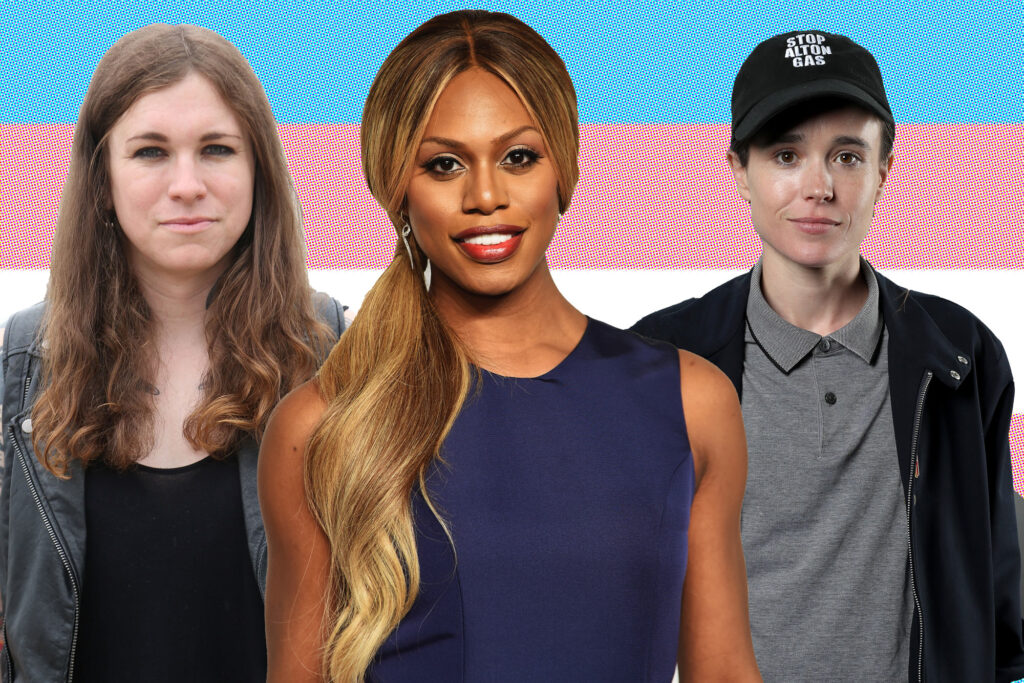
Contemporary Black feminism is increasingly inclusive of Black trans women, recognizing their unique experiences and their critical contributions to the movement. Black trans women face disproportionate rates of violence and discrimination, and their voices must be amplified. It’s about embracing radical inclusivity, challenging transphobia, and fighting for the liberation of all Black women. Because liberation can’t be selective.
D. Janelle Monae and Black Feminist Afrofuturism
Cultural icons like Janelle Monae infuse Black feminism with the creativity and imagination of Afrofuturism. This artistic and political movement imagines a future where Black people are empowered and liberated, using science fiction, fantasy, and music to explore themes of identity, technology, and social justice. Afrofuturism is a potent vision, a sonic and visual tapestry woven with threads of hope and radical possibility. It reminds us that we are not just fighting for survival, but also for a future where Black women can thrive, unburdened by the weight of oppression. It’s hope, visualized and sonified.
V. The Enduring Legacy: Shaping a More Just Future
A. Challenging Systemic Racism and Sexism: A Multifaceted Approach
Black feminism continues to challenge systemic racism and sexism in all its forms. From advocating for criminal justice reform to fighting for reproductive rights, Black feminists are at the forefront of social justice movements. It’s a marathon, not a sprint, and Black women are leading the charge with unwavering determination.
B. Promoting Economic Justice and Equality: Closing the Wealth Gap
Black feminism recognizes the importance of economic justice and equality in achieving true liberation. Black feminists are working to close the wealth gap, advocate for fair wages, and promote access to education and employment opportunities. It’s not enough to be equal in theory; we must be equal in practice. Now, that’s the dream.
C. Inspiring Future Generations: A Legacy of Resistance and Resilience
The legacy of Black American feminism continues to inspire future generations of activists and change-makers. Black girls and women are seeing themselves reflected in the movement, finding strength and empowerment in its history and its principles. It’s a legacy of resistance, resilience, and unwavering hope for a more just and equitable future. And darling, that’s something worth fighting for.
So, the next time someone questions the validity or importance of Black feminism, remind them that it’s not just a movement; it’s a revolution. A revolution of thought, of action, of love, and of liberation. And honey, revolutions aren’t polite. They’re necessary.






Leave a Comment