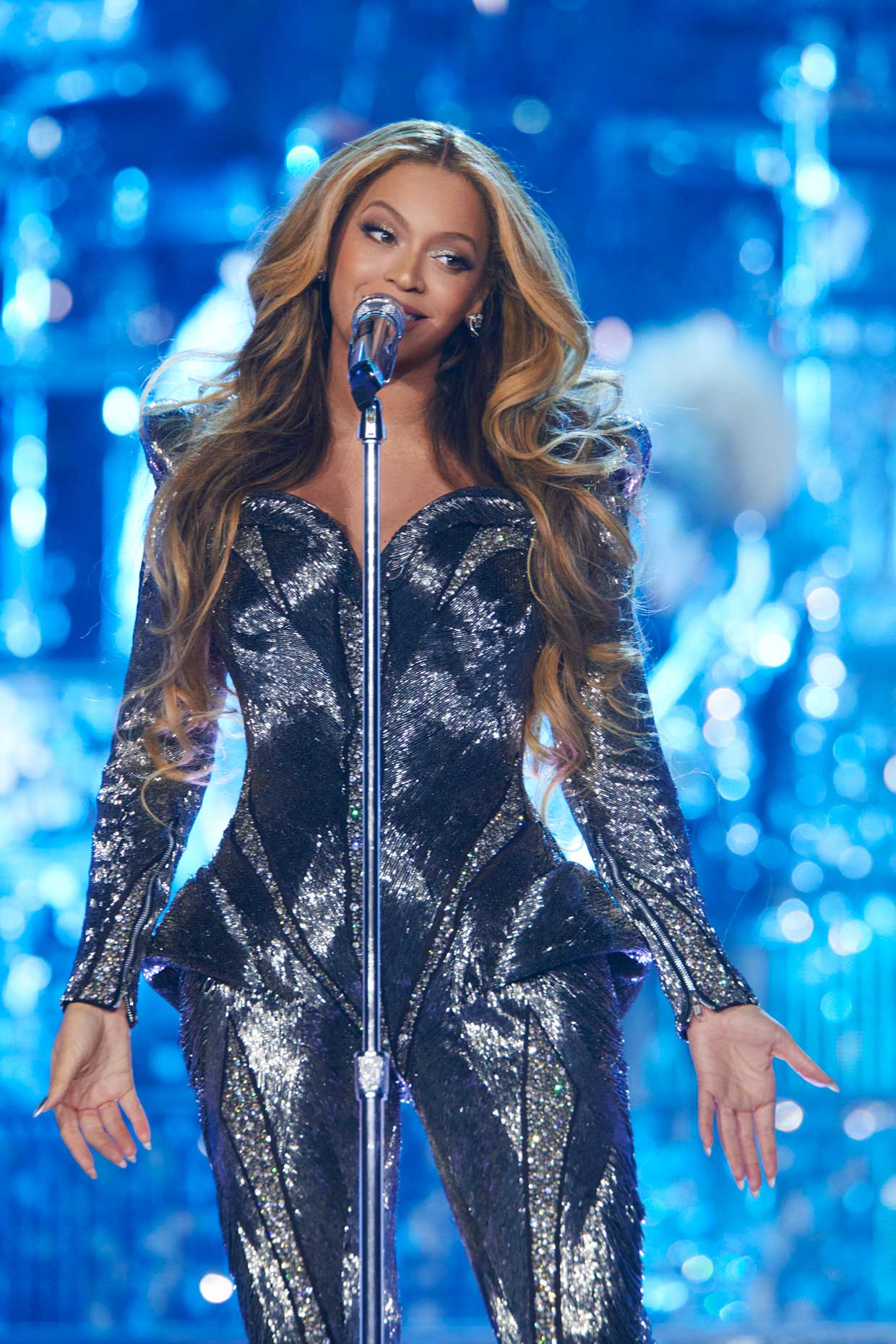
Beyoncé. The name alone reverberates through the cultural zeitgeist, a seismic force that has reshaped the landscape of music, performance, and, undeniably, feminism. But let’s not mistake the shimmer of her sequins for shallow empowerment. We’re diving deep. Deeper than the oceanic bassline of “Partition.” Is Beyoncé a feminist icon? The question itself is fraught, contested, and worthy of dissecting like a frog in a high school biology lab, only with more glitter and fewer formaldehyde fumes.
Prepare to have your carefully constructed notions of performative activism shattered. We’re not here for the polite applause; we’re here to deconstruct the Beyoncé enigma, to expose the complexities, and to ultimately interrogate what her brand of feminism truly signifies in a world perpetually hungry for digestible, palatable narratives.
I. The Genesis of a Goddess: From Destiny’s Child to Solo Sovereignty
Before the iridescent bodysuits and the meticulously crafted visuals, there was Destiny’s Child. A trio manufactured by the industry’s patriarchal grip, or a stepping stone to unprecedented agency? The answer, inevitably, lies somewhere in the murky, contested middle ground. Destiny’s Child, while marketed with a certain saccharine, girl-power aesthetic, laid the groundwork for Beyoncé’s future explorations of female solidarity and self-reliance. They were a precursor to the unabashed sexuality and commanding stage presence that would become her trademarks. It was the proto-Beyoncé, the embryonic form of the cultural behemoth she was destined to become. But remember, the chrysalis, however gilded, is still a constraint.
The solo metamorphosis was seismic. “Dangerously in Love,” while undeniably a commercial triumph, hinted at the control Beyoncé craved. It was a tentative exploration of her individual voice, a testing of the waters before plunging headfirst into the turbulent depths of self-discovery. Then came “B’Day,” a declaration of independence, a shedding of the manufactured skin. This was where the nascent seeds of her future feminist pronouncements began to sprout. She was no longer just singing about love; she was commanding it, demanding it, defining it on her own terms. A significant, if still embryonic, assertion of female agency. However, some argue that the blatant commodification of female sexuality still pervaded this era, a claim we will address in due course.
II. The Visual Album as Manifesto: *Beyoncé* and the Reclamation of Black Female Sexuality
The self-titled visual album *Beyoncé* was nothing short of a cultural detonation. It wasn’t just music; it was an immersive experience, a meticulously curated tapestry of sound and image that forced the world to confront Black female sexuality on Beyoncé’s terms. “Partition,” with its unapologetic depiction of female desire and its audacious rejection of societal constraints, became a rallying cry for women everywhere. The video, a study in unapologetic sensuality, challenged the ingrained patriarchal narratives that dictate how women, particularly Black women, should express their sexuality. It was a defiant act of self-definition, a rejection of the male gaze, and an assertion of female ownership over one’s own body.
But let’s not get carried away with celebratory fervor. The hyper-sexualization, some argue, perpetuates harmful stereotypes even as it attempts to subvert them. Is reclaiming sexuality within the existing power structures truly liberating, or simply reinforcing the very systems it seeks to dismantle? This is the crux of the debate, the uncomfortable question that demands rigorous interrogation. The counterargument lies in the intentionality behind Beyoncé’s reclamation. She wasn’t simply pandering to male desire; she was wielding her sexuality as a weapon, a tool for empowerment, a form of radical self-expression. A complex and nuanced act, worthy of both praise and critique.
III. The Lemonade Stand: Black Womanism and the Power of Narrative Control
*Lemonade* was not merely an album; it was a cultural artifact, a profound exploration of Black womanhood, a searing indictment of systemic racism, and a defiant celebration of resilience. The visual album unfolded like a cinematic poem, weaving together personal narratives with broader social commentary, creating a powerful tapestry of grief, anger, and ultimately, hope. It was an act of radical self-disclosure, a vulnerability that resonated deeply with Black women who had long been silenced and marginalized. *Lemonade* was a declaration of independence, a reclaiming of narrative control, and a testament to the enduring power of Black female strength.
The references to Black womanist writers like Audre Lorde and bell hooks were not accidental. Beyoncé was deliberately aligning herself with a tradition of Black feminist thought that centers the experiences of Black women and recognizes the unique challenges they face. The imagery, the music, the spoken word – all coalesced into a powerful statement about the importance of Black female voices being heard and valued. It was a direct challenge to the white, heteronormative narratives that dominate mainstream media, and a powerful assertion of Black cultural pride.
However, critiques of *Lemonade* often centered on its perceived focus on infidelity and marital strife. Some argued that it reinforced harmful stereotypes about Black relationships, while others questioned the sincerity of Beyoncé’s portrayal of vulnerability. Are we demanding unrealistic levels of perfection from a public figure navigating the complexities of marriage under immense scrutiny? Or is it a legitimate critique that the personal narrative overshadowed the broader social and political messages? These questions remain open for debate, demanding a critical lens that acknowledges both the power and the potential pitfalls of personal storytelling within a larger sociopolitical context.
IV. The Renaissance is Upon Us: Queer Liberation and the Celebration of Joy
*Renaissance*, a shimmering disco ball of an album, marked a distinct shift in Beyoncé’s artistic trajectory. While still rooted in themes of female empowerment and Black identity, *Renaissance* placed queer liberation and the celebration of joy at its forefront. The album was a homage to the Black LGBTQ+ pioneers who shaped the history of house music, a genre born out of the margins of society, a haven for those seeking acceptance and belonging. It was an acknowledgement of the debt owed to these unsung heroes, and a celebration of the vibrant and resilient spirit of the queer community.
The unapologetic embrace of queer culture in *Renaissance* was a significant act of allyship, particularly given Beyoncé’s immense platform and global influence. The album served as a powerful message of inclusivity and acceptance, challenging heteronormative assumptions and creating space for LGBTQ+ voices to be heard. It was a testament to the power of music to transcend boundaries and foster a sense of belonging, a reminder that joy and liberation are essential for all.
But even in this celebration of inclusivity, questions remain. Is Beyoncé’s embrace of queer culture genuine and authentic, or is it a calculated move to appeal to a broader audience? Some critics argue that her engagement with LGBTQ+ themes is superficial, lacking the depth and commitment required to truly make a difference. Are we holding celebrities to an impossible standard of moral purity? Or is it a legitimate concern that cultural appropriation and performative allyship can do more harm than good? The answer, as always, is complex and requires careful consideration of intent, impact, and the ongoing dialogue within the LGBTQ+ community.
V. The Price of Power: Capitalism, Consumption, and the Ethical Quandaries
Beyoncé’s empire is undeniably built on capitalism. The endless merchandise, the strategic partnerships, the meticulously crafted brand – all contribute to a financial juggernaut that generates immense wealth. And herein lies the ethical quandary. Can a feminist icon truly exist within a system that inherently perpetuates inequality and exploitation? Is it possible to reconcile the message of empowerment with the reality of consumerism? This is the uncomfortable truth that lurks beneath the surface of the Beyoncé phenomenon. The dichotomy of advocating for female empowerment while simultaneously profiting from the commodification of her own image is a complex paradox. Is this inherently hypocritical, or is it a pragmatic necessity in a world where financial power often dictates influence?
The counterargument, of course, is that Beyoncé is using her wealth and influence to support causes she believes in, to empower other women, and to create opportunities for marginalized communities. She has established scholarships for Black students, supported disaster relief efforts, and used her platform to advocate for social justice. But does this philanthropic activity absolve her from the inherent contradictions of participating in a capitalist system? This is a debate that continues to rage, a testament to the complex and multifaceted nature of power, privilege, and social responsibility. There is no easy answer. It is the gray space that exposes the uncomfortable truth: that genuine systemic change demands a far more intricate and demanding metamorphosis than merely acquiring capital.
VI. The Unfinished Symphony: Beyoncé’s Legacy and the Future of Feminist Art
Beyoncé’s impact on feminism is undeniable, even if the nature of that impact is perpetually up for debate. She has used her platform to amplify marginalized voices, to challenge societal norms, and to inspire women around the world to embrace their power. Whether she is a flawless paragon of feminist ideals is irrelevant. The very act of interrogating her work, of deconstructing her persona, of engaging in critical dialogue about her influence, is itself a feminist act. Beyoncé’s legacy is not about achieving some unattainable standard of moral perfection; it’s about sparking conversations, challenging assumptions, and pushing the boundaries of what it means to be a woman in the 21st century.
Beyoncé has, without a doubt, shifted the paradigm of celebrity activism. She has demonstrated the power of art to effect social change, to challenge power structures, and to inspire collective action. She has shown the world that feminism is not a monolithic ideology, but a fluid and evolving movement, one that encompasses a multitude of voices, perspectives, and experiences. She has ushered in a new era of performative politics, one that demands accountability, encourages self-reflection, and celebrates the messy, complex, and ultimately transformative power of art. And she has done so with a level of artistry and ambition that is truly unparalleled. Whether she is a saint or a sinner, an icon or an illusion, one thing is certain: Beyoncé has irrevocably altered the landscape of popular culture and feminist discourse, and her influence will continue to reverberate for generations to come. The symphony is far from over; the crescendo is yet to be heard.







Leave a Comment