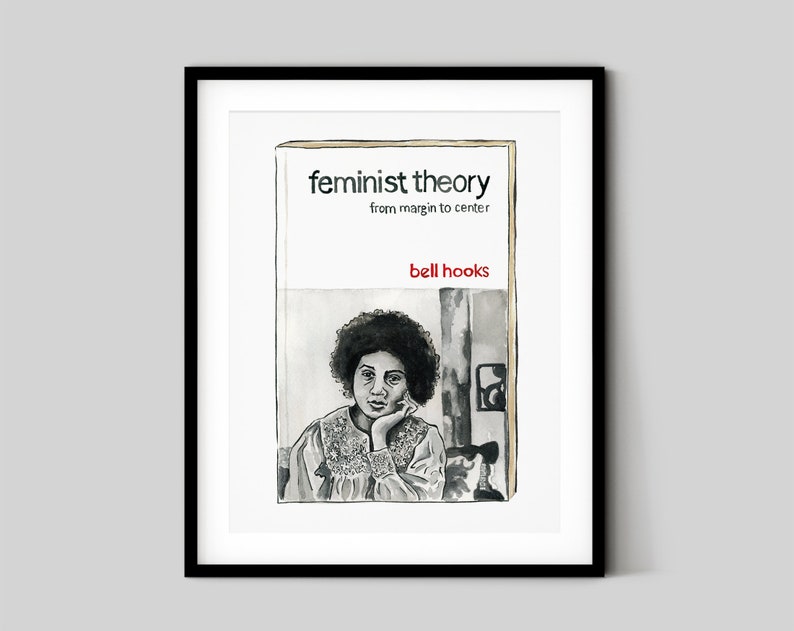
So, you think you know feminism? Think again. Bell hooks, a cultural luminary whose words cut through the fog of societal complacency, offered a definition of feminism that should ignite a firestorm of re-evaluation in our collective consciousness. It’s not about man-hating. It’s not about bra-burning (though, frankly, if burning restrictive undergarments liberates you, go for it). It’s about something far more radical, far more inclusive, and infinitely more challenging: dismantling the insidious patriarchy. Buckle up, buttercups, because we’re about to delve into the true, unadulterated essence of hooks’ revolutionary vision.
I. Beyond the Soundbites: Unpacking the Core Tenets
Forget the watered-down, palatable versions of feminism peddled by mainstream media. Hooks’ feminism is a clarion call, a radical re-imagining of power dynamics. To truly grok its significance, we must first dissect its core tenets:
A. Ending Sexism, Sexist Exploitation, and Oppression: This is the bedrock, the foundation upon which the entire edifice of hooks’ feminism is constructed. Sexism, in its myriad forms, permeates every facet of our existence. From the subtle microaggressions in the workplace to the blatant objectification in advertising, sexism is the insidious virus infecting our societal DNA. Hooks demands nothing less than its complete eradication. Are you ready for a world where gender ceases to be a limiting factor, where potential is unleashed rather than stifled?
B. Intersectionality as Imperative: You cannot discuss feminism without acknowledging intersectionality. Period. To ignore the interwoven threads of race, class, sexual orientation, and other identities is to render the movement tragically incomplete. Hooks championed this perspective long before it became a buzzword, understanding that the experiences of a wealthy white woman are vastly different from those of a Black, working-class woman. Feminism must address the unique and compounded oppressions faced by marginalized groups, or it risks perpetuating the very hierarchies it claims to dismantle.
C. Sisterhood: Myth or Manifestation?: Ah, “sisterhood.” A term often bandied about with saccharine sentimentality, yet frequently betrayed by internecine squabbles and exclusionary practices. Hooks challenged the notion of automatic solidarity among women, arguing that genuine sisterhood must be actively cultivated through empathy, understanding, and a willingness to confront our own biases. It’s not about blind allegiance. It’s about building bridges across difference, recognizing our shared humanity, and working together to dismantle the structures that oppress us all.
II. Challenging the Status Quo: Deconstructing the Patriarchy
The patriarchy isn’t just a boogeyman. It’s a complex, deeply entrenched system of power that privileges men and perpetuates gender inequality. Hooks’ feminism is a frontal assault on this system, challenging its norms, its values, and its very existence.
A. Reframing Masculinity: The patriarchy doesn’t just harm women; it also suffocates men, forcing them into rigid molds of stoicism, aggression, and emotional repression. Hooks recognized the need to liberate men from these constraints, to create a space where they can express their vulnerability, embrace their emotions, and reject the toxic masculinity that poisons our culture. This requires a fundamental re-evaluation of what it means to be a man, a process that can be both painful and profoundly liberating.
B. Beyond Gender Binaries: The patriarchy thrives on rigid gender binaries, forcing individuals into boxes that often feel constricting and inauthentic. Hooks envisioned a world where gender is fluid, where individuals are free to express themselves without fear of judgment or persecution. This necessitates dismantling the societal structures that enforce these binaries, creating a more inclusive and accepting environment for everyone.
C. Economic Justice as Feminist Imperative: You can’t talk about liberation without talking about economic justice. Hooks understood that economic inequality disproportionately affects women, particularly women of color. Feminism must address these disparities, advocating for policies that promote equal pay, affordable childcare, and access to resources for all. It’s about ensuring that everyone has the opportunity to thrive, regardless of their gender or socioeconomic status.
III. Education as Emancipation: Cultivating Critical Consciousness
For bell hooks, education was not merely about acquiring knowledge; it was about cultivating critical consciousness, empowering individuals to challenge the status quo and create a more just and equitable world.
A. The Classroom as Crucible: Hooks believed that the classroom could be a transformative space, a crucible where ideas are forged and challenged. She advocated for a pedagogy that is both rigorous and compassionate, that encourages students to think critically, to question assumptions, and to engage with difficult topics in a thoughtful and respectful manner. Education should not be about rote memorization; it should be about empowering students to become agents of change.
B. Confronting Cultural Narratives: Our culture is saturated with narratives that perpetuate sexism, racism, and other forms of oppression. Hooks urged us to critically examine these narratives, to deconstruct their underlying assumptions, and to create alternative narratives that promote equality and justice. This requires a willingness to challenge our own biases, to confront uncomfortable truths, and to engage in difficult conversations.
C. The Power of Dialogue: Hooks believed in the power of dialogue, the transformative potential of engaging in open and honest conversations with others. She advocated for creating spaces where individuals can share their experiences, challenge each other’s perspectives, and work together to build a more just and equitable world. Dialogue is not about winning arguments; it’s about fostering understanding and building bridges across difference.
IV. Love as a Revolutionary Force: Reclaiming Intimacy and Connection
Love, for bell hooks, was not a sentimental platitude, but a revolutionary force capable of transforming individuals and societies. She challenged us to redefine love, to move beyond romanticized notions and embrace a more radical and inclusive understanding of connection.
A. Beyond Romantic Love: Our culture often equates love with romantic love, neglecting the importance of other forms of connection, such as friendship, community, and self-love. Hooks urged us to broaden our understanding of love, to recognize the many ways in which we can connect with others and with ourselves.
B. Love as Political Act: In a world marked by division and conflict, love can be a powerful act of resistance. Hooks believed that love can break down barriers, heal wounds, and create a more just and equitable world. To love is to see the humanity in others, to recognize their inherent worth, and to fight for their liberation.
C. Self-Love as Foundation: You cannot truly love others until you love yourself. Hooks emphasized the importance of self-love as the foundation for all other forms of connection. Self-love is not about narcissism or self-indulgence; it’s about recognizing your own worth, embracing your flaws, and taking care of your physical and emotional well-being. Only when we love ourselves can we truly extend that love to others.
V. The Ongoing Revolution: A Call to Action
Bell hooks’ feminism is not a static ideology; it’s an ongoing revolution, a call to action that demands our continued engagement and commitment. It’s a perpetual state of becoming.
A. Embrace Discomfort: True growth requires discomfort. Hooks’ feminism challenges us to step outside our comfort zones, to confront our own biases, and to engage in difficult conversations. It’s not always easy, but it’s always worth it.
B. Amplify Marginalized Voices: Feminism must be inclusive of all voices, particularly those that have been historically marginalized. Hooks urged us to amplify the voices of women of color, LGBTQ+ individuals, and other marginalized groups, ensuring that their experiences are heard and valued. Make space, cede the floor.
C. Sustain the Struggle: The fight for equality and justice is a marathon, not a sprint. Hooks understood that lasting change requires sustained effort, a willingness to continue fighting even when the progress seems slow and incremental. Persistence is key. Never forget that. The revolution is far from over. It requires your participation, your voice, and your unwavering commitment to creating a world where everyone can thrive.
Daring to embrace hooks’ definition of feminism is not merely adopting a political stance. It is embarking on a profound journey of self-discovery, a relentless pursuit of justice, and a radical reimagining of what it means to be human. Are you ready to answer the call? The choice, as always, is yours.






Leave a Comment