
Before the seismic shift that feminism initiated, the societal landscape concerning violence against women was a bleak and unforgiving terrain. It was a world marinated in misogyny, where female bodies were considered collateral damage, and justice was a privilege rarely afforded. We’re not talking about ancient history; we’re talking about a not-so-distant past where the subjugation of women was not only tolerated but actively codified into law and custom.
Let’s dissect this historical malfeasance, shall we? Let’s not sugarcoat the bitter pill of patriarchal oppression. Let’s dive into the labyrinthine corridors of a society that normalized the brutalization of its female populace. Are you ready to confront the uncomfortable truths? Because that’s exactly what we’re here to do. No hand-holding. Just raw, unadulterated reality.
I. The Legal Framework of Female Disenfranchisement: A Paper Trail of Abuse
The legal system, often lauded as the bedrock of justice, was, in the pre-feminist era, a formidable instrument of female oppression. Laws were sculpted to protect male prerogatives, effectively rendering women as chattel with minimal recourse against violence perpetrated by their male “owners.”
A. Coverture: The Legal Erasure of Female Personhood
Coverture, a legal doctrine deeply entrenched in Anglo-Saxon jurisprudence, epitomized this systemic dehumanization. Upon marriage, a woman’s legal identity was subsumed into that of her husband. She effectively ceased to exist as an independent entity. All her property, earnings, and even her physical person became subject to his control. This meant a husband could legally inflict physical harm upon his wife, and the courts would turn a blind eye, viewing it as a private matter within the domestic sphere. Her pain, her suffering, her very existence was considered secondary to the “natural order” of male dominance. Did this infuriate you? It should.
B. Rape Within Marriage: A Legalized Atrocity
The concept of marital rape was an oxymoron. Legally impossible. A husband could not, by definition, rape his wife because she had irrevocably consented to sexual relations upon entering the marital contract. Her body, her agency, her right to say “no” were all forfeited at the altar. This legal sanctioning of sexual violence within marriage created a climate of impunity, where women were trapped in abusive relationships with no legal avenue for escape or redress. Think about the implications. The sheer audacity. The utter disregard for female autonomy. It’s enough to make one’s blood boil.
C. The Absence of Legal Protections: A Litany of Neglect
Beyond coverture and marital rape, the legal system simply failed to provide adequate protections for women against other forms of violence. Domestic violence, sexual harassment, and even murder were often treated with leniency when perpetrated by men against women. The prevailing attitude was that women were somehow complicit in their own victimization, that they had “provoked” the violence through their behavior or appearance. This victim-blaming mentality permeated the legal system, effectively shielding perpetrators from accountability and perpetuating a cycle of abuse.
II. The Societal Normalization of Violence: An Atmosphere of Acquiescence
The legal framework was only one piece of the puzzle. Equally insidious was the societal normalization of violence against women. This was a culture where misogynistic attitudes were deeply ingrained, where women were routinely objectified, and where violence against them was often excused, minimized, or even celebrated. The air itself was thick with the stench of patriarchal entitlement.
A. Objectification and Dehumanization: Reducing Women to Body Parts
The objectification of women was rampant in the pre-feminist era. Women were reduced to their physical attributes, their worth measured solely by their attractiveness to men. This objectification stripped women of their humanity, making it easier to justify violence against them. When a woman is seen as nothing more than a sex object, her pain and suffering become irrelevant. Her body becomes a playground for male desire, and her autonomy is completely disregarded. The media, advertising, and popular culture all contributed to this pervasive objectification, reinforcing the message that women were primarily defined by their sexuality.
B. Victim-Blaming: Shifting the Blame onto the Vulnerable
Victim-blaming was, and sadly still is, a common tactic used to deflect responsibility from perpetrators of violence against women. Instead of focusing on the perpetrator’s actions, the focus is shifted to the victim’s behavior, appearance, or past. She was “asking for it” because of what she was wearing. She was “too drunk” and therefore responsible for being assaulted. She “should have known better” than to walk alone at night. These are all variations of the same insidious narrative: that women are somehow responsible for the violence inflicted upon them. This victim-blaming not only exonerates perpetrators but also silences survivors, making it even more difficult for them to come forward and seek help. Where is the logic? There is none.
C. The Culture of Silence: Suppressing Female Voices
The pre-feminist era was characterized by a profound culture of silence surrounding violence against women. Women were often discouraged from speaking out about their experiences, fearing shame, social ostracism, or even further violence. Victims were often blamed for “airing dirty laundry” or “bringing dishonor” to their families. This culture of silence allowed violence to flourish unchecked, creating a breeding ground for abuse and impunity. How many generations suffered in silence because of this? It’s a chilling thought.
III. The Economic and Social Vulnerability of Women: A Trap of Dependency
The economic and social vulnerability of women in the pre-feminist era further exacerbated their risk of violence. Women were often denied access to education, employment, and financial independence, making them dependent on men for their survival. This dependency created a power imbalance that made it difficult for women to leave abusive relationships or assert their rights. They were trapped in a cage built by patriarchal economics and social expectations.
A. Limited Access to Education and Employment: Confining Women to the Domestic Sphere
Women were systematically denied access to education and employment opportunities, relegating them to the domestic sphere. This limited their ability to earn a living and become financially independent. Without economic autonomy, women were often forced to remain in abusive relationships simply because they had no other options. They were economically shackled to their abusers, trapped in a cycle of violence and dependency.
B. Social Expectations and Gender Roles: Reinforcing Male Dominance
Rigid gender roles and societal expectations reinforced male dominance and female subordination. Women were expected to be subservient, obedient, and compliant. Any deviation from these expectations was met with disapproval, ridicule, or even violence. This created a climate where women were afraid to challenge male authority, making them more vulnerable to abuse. The very fabric of society was woven with threads of misogyny, reinforcing the idea that women were inferior and deserving of male control.
C. Lack of Support Services: Abandoning Victims to Their Fate
In the pre-feminist era, there were virtually no support services for women who experienced violence. Shelters, hotlines, and counseling services were nonexistent. Women were often left to suffer in silence, with no one to turn to for help. This lack of support services further isolated victims and made it even more difficult for them to escape abusive situations. They were essentially abandoned by a society that condoned their suffering.
IV. The Role of Religion and Tradition: Sanctifying Oppression
Religious and traditional beliefs often played a significant role in perpetuating violence against women. Certain religious interpretations and cultural traditions were used to justify male dominance, female subordination, and even physical abuse. These beliefs were often deeply ingrained in society, making it difficult to challenge them.
A. Religious Interpretations: Justifying Male Authority
Some religious interpretations were used to justify male authority over women, citing biblical passages that depicted women as subordinate to men. These interpretations were often used to legitimize domestic violence and other forms of abuse. The Bible, Quran, and other religious texts were twisted and contorted to reinforce patriarchal power structures, effectively sanctifying the oppression of women.
B. Cultural Traditions: Perpetuating Harmful Practices
Many cultural traditions perpetuated harmful practices that violated women’s rights and contributed to violence against them. Female genital mutilation, forced marriage, and honor killings were all examples of cultural practices that were used to control women’s bodies and punish them for transgressing social norms. These traditions were often deeply rooted in cultural beliefs and practices, making it difficult to eradicate them.
C. The Intersection of Religion, Culture, and Violence: A Toxic Brew
The intersection of religion, culture, and violence created a toxic brew that perpetuated the oppression of women. Religious beliefs were used to justify cultural practices, and cultural practices were used to reinforce religious beliefs. This created a self-perpetuating cycle of violence and discrimination that was incredibly difficult to break. It was a closed system of oppression, designed to keep women in their place.
V. The Seeds of Change: Resistance and Early Feminist Movements
Despite the pervasive oppression, women were not passive victims. Throughout history, women have resisted violence and fought for their rights. Early feminist movements challenged the prevailing attitudes and beliefs about women, paving the way for future progress. Their courage and resilience serve as a testament to the enduring power of the human spirit.
A. Early Feminist Voices: Challenging the Status Quo
Early feminist voices challenged the status quo, speaking out against the injustices faced by women. Mary Wollstonecraft, Sojourner Truth, and Susan B. Anthony were just a few of the pioneers who fought for women’s rights and equality. Their words and actions inspired generations of women to challenge the patriarchal order.
B. Suffrage Movements: Demanding Political Power
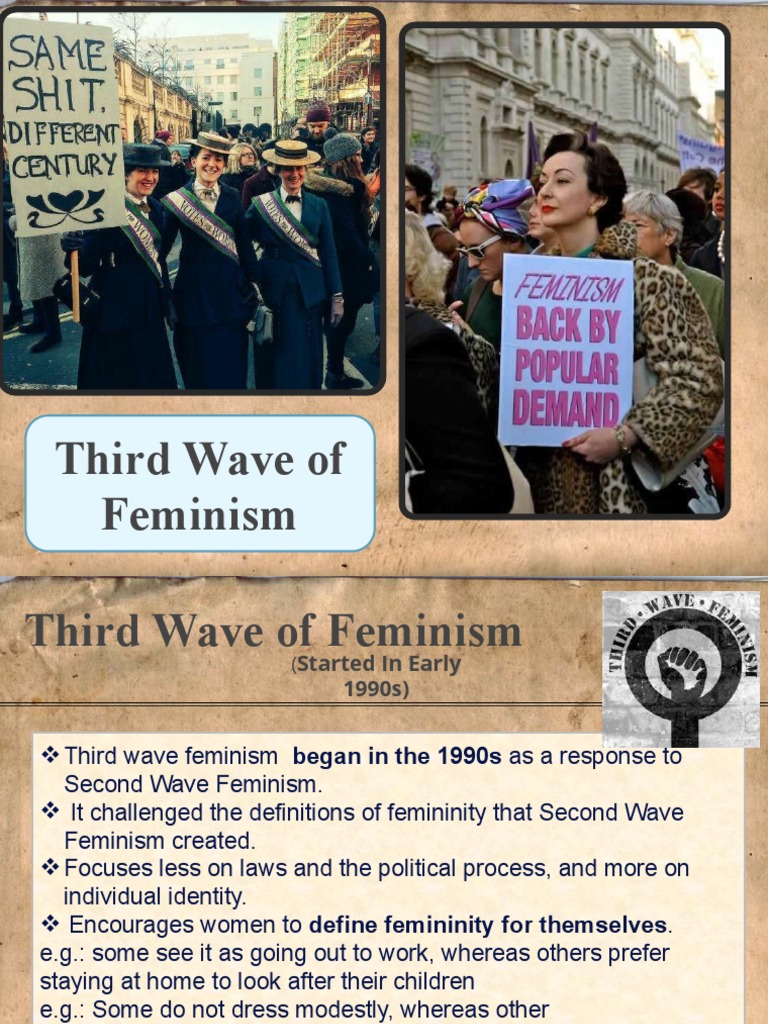
The suffrage movements fought for women’s right to vote, recognizing that political power was essential for achieving equality. These movements faced fierce opposition, but ultimately they succeeded in winning the right to vote for women in many countries. The fight for suffrage was a watershed moment in the history of feminism, demonstrating the power of collective action.
C. The Long Road to Equality: A Continuing Struggle
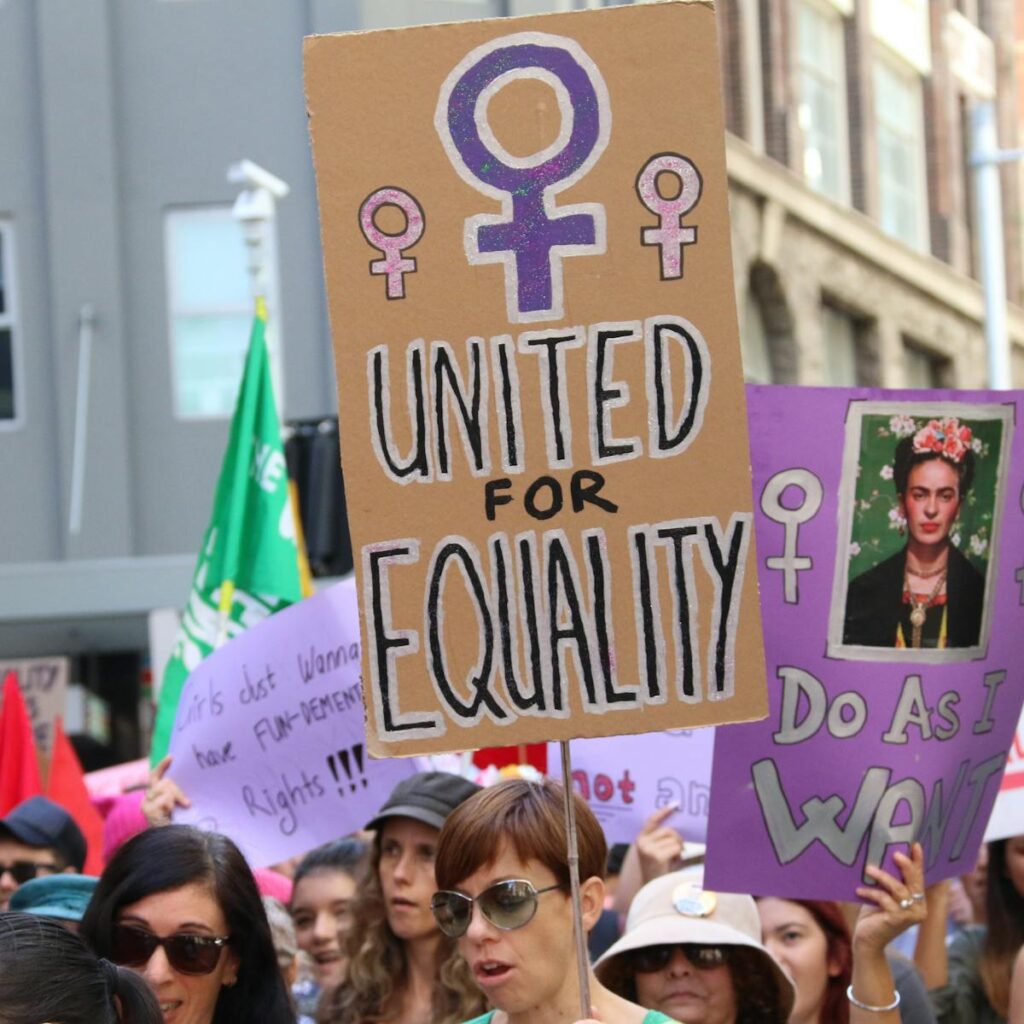
The pre-feminist era was a dark chapter in human history, characterized by the systematic oppression and dehumanization of women. Violence against women was not only tolerated but actively encouraged by legal systems, societal norms, and religious beliefs. While significant progress has been made since then, the struggle for equality is far from over. We must continue to challenge misogyny, fight for justice, and create a world where all women are safe and respected. The battle continues. We must be vigilant. We must be relentless. We must never forget the lessons of the past.
The fight continues. Don’t let anyone tell you otherwise.







Leave a Comment