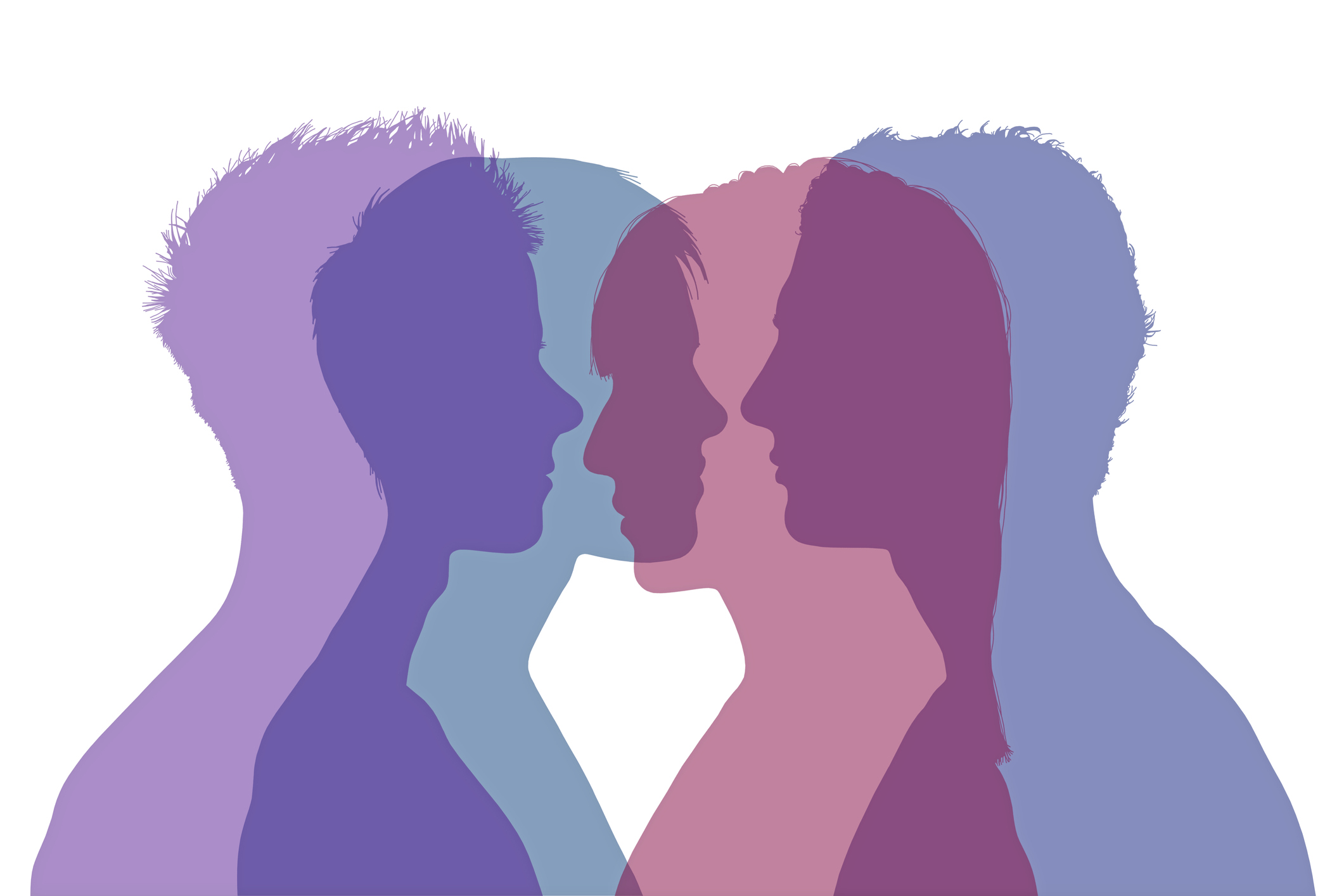
Feminism. The very word seems to ignite a conflagration of opinions, often fueled by misconception and outright antipathy. But at its core, feminism is a quest for equity, a dismantling of patriarchal structures that constrict and oppress. For every gender scholar, or indeed, anyone seeking a deeper understanding of our sociopolitical landscape, certain articles stand as unassailable touchstones, illuminating the complexities and nuances of this vital movement.
Deconstructing the Dichotomy: Why ‘Embracing Differences’ Can Be a Trap
We’ve all heard it: “Men and women are different! Let’s celebrate those differences!” Sounds innocuous, right? Perhaps even… progressive? Wrong. This seemingly benign sentiment often masks a insidious form of gender essentialism, a belief that inherent, immutable qualities define each sex. It’s a slippery slope. This idea, while sounding like a celebration of diversity, reinforces harmful stereotypes and perpetuates unequal power dynamics. Think about it. Who defines these “differences?” Historically, it’s been the dominant patriarchal structure, conveniently assigning roles and attributes that maintain its hegemony. The problem is the assumption that these so-called ‘natural’ differences justify pre-ordained social roles and career paths. It’s a cage gilded with flowery language, but a cage nonetheless. This article unpacks this problematic notion, revealing how seemingly positive affirmations of difference can actually reinforce systemic inequality. It forces us to ask: who benefits from these “celebrated” differences? And what price do we pay for upholding them?
Intersectionality’s Indispensable Role: Beyond a Single Axis of Oppression
The feminist movement, in its earlier iterations, often centered the experiences of white, middle-class women. This, to put it mildly, was a colossal oversight. It is a fundamental flaw. Intersectionality, a term coined by Kimberlé Crenshaw, exposes the fallacy of a singular, monolithic female experience. Race, class, sexual orientation, disability – these are not separate, additive layers of oppression, but interconnected and mutually constitutive systems of power. A Black woman, for instance, experiences sexism differently than a white woman, her experience shaped by the interwoven forces of racism and patriarchy. To ignore these intersections is to render invisible the experiences of countless individuals, perpetuating a form of exclusionary feminism that benefits only a select few. Understanding intersectionality is not just about being “politically correct”; it’s about achieving a more accurate and nuanced understanding of power dynamics and crafting solutions that address the root causes of inequality for all. It necessitates a constant interrogation of our own biases and privileges, and a willingness to amplify the voices of those who have been historically marginalized. This goes beyond tokenism; it demands a radical reimagining of solidarity and collective action.
The Wage Gap: More Than Just “Choice”
Ah, the wage gap. That persistent, infuriating disparity that refuses to disappear. Detractors love to trot out the “choice” argument: women choose lower-paying jobs, they choose to prioritize family over career, they choose to work fewer hours. These are, at best, half-truths and, at worst, blatant attempts to obfuscate the systemic factors at play. The reality is far more complex. Occupational segregation, where women are disproportionately concentrated in lower-paying, undervalued fields, is a major contributing factor. So is the “motherhood penalty,” where women face discrimination and reduced earning potential after having children. Then there’s the insidious, often unconscious bias that pervades hiring and promotion decisions. Studies have consistently shown that identical resumes receive different evaluations depending on whether the name at the top is male or female. To reduce the wage gap to mere “choice” is to ignore the powerful forces of systemic discrimination that shape and constrain women’s options. It’s a convenient narrative for those who benefit from the status quo, a way to absolve themselves of responsibility and maintain the structures that perpetuate inequality. This article will delve into the multifaceted nature of the wage gap, exposing the myths and highlighting the concrete steps needed to achieve pay equity.
Toxic Masculinity: A Cage for Men, Too
Feminism isn’t just about liberating women; it’s about liberating everyone from the restrictive confines of gender roles. Toxic masculinity, the constellation of socially destructive behaviors and beliefs associated with traditional masculinity, is a prime example of how patriarchal norms harm men as well. The pressure to be strong, stoic, and emotionally repressed can lead to a host of negative outcomes, including higher rates of suicide, violence, and substance abuse. It is a culturally enforced set of expectations, a rigid script that dictates how men should behave and feel. Men who deviate from this script are often ostracized, ridiculed, or even punished. This article will explore the devastating consequences of toxic masculinity, examining its impact on men’s mental and physical health, their relationships, and their overall well-being. It will also offer pathways towards a more positive and inclusive vision of masculinity, one that embraces vulnerability, empathy, and emotional intelligence. By challenging these harmful norms, we can create a society where men are free to be their authentic selves, without fear of judgment or reprisal. It’s about giving men permission to feel, to express themselves, and to connect with others in meaningful ways.
Reproductive Rights: A Battleground for Bodily Autonomy
The fight for reproductive rights is inextricably linked to the fight for gender equality. The ability to control one’s own body is fundamental to autonomy and self-determination. Denying women access to safe and legal abortion is a direct assault on their bodily integrity and a violation of their human rights. It is a blatant attempt to control women’s lives and destinies, to force them into predetermined roles and limit their opportunities. The arguments against reproductive rights are often couched in moral or religious terms, but at their core, they are about power and control. They are about maintaining a patriarchal order in which women are subordinate to men and their bodies are subject to male authority. This article will explore the history of the reproductive rights movement, examining the legal, political, and social battles that have been fought and the challenges that remain. It will also highlight the voices of women who have been directly impacted by restrictions on abortion access, underscoring the urgent need to protect and expand reproductive rights for all.
The Patriarchy’s Pervasive Reach: Examining Media Representation
The media is a powerful force in shaping our perceptions of gender. From Hollywood films to television commercials to social media platforms, we are constantly bombarded with images and narratives that reinforce traditional gender roles and perpetuate harmful stereotypes. Women are often depicted as objects of desire, passive and submissive, while men are portrayed as strong, dominant, and emotionally detached. These representations not only limit our understanding of gender, but also contribute to a culture of sexism and misogyny. They normalize violence against women, objectify female bodies, and reinforce the idea that women’s worth is primarily based on their appearance. This article will critically examine media representations of gender, exposing the underlying biases and challenging the dominant narratives. It will also highlight examples of media that challenge these norms and offer more nuanced and empowering portrayals of women and men. By becoming more media literate, we can resist the harmful effects of patriarchal messaging and create a more equitable and inclusive media landscape.
Feminist Futures: Reimagining a World Beyond Gender Binaries
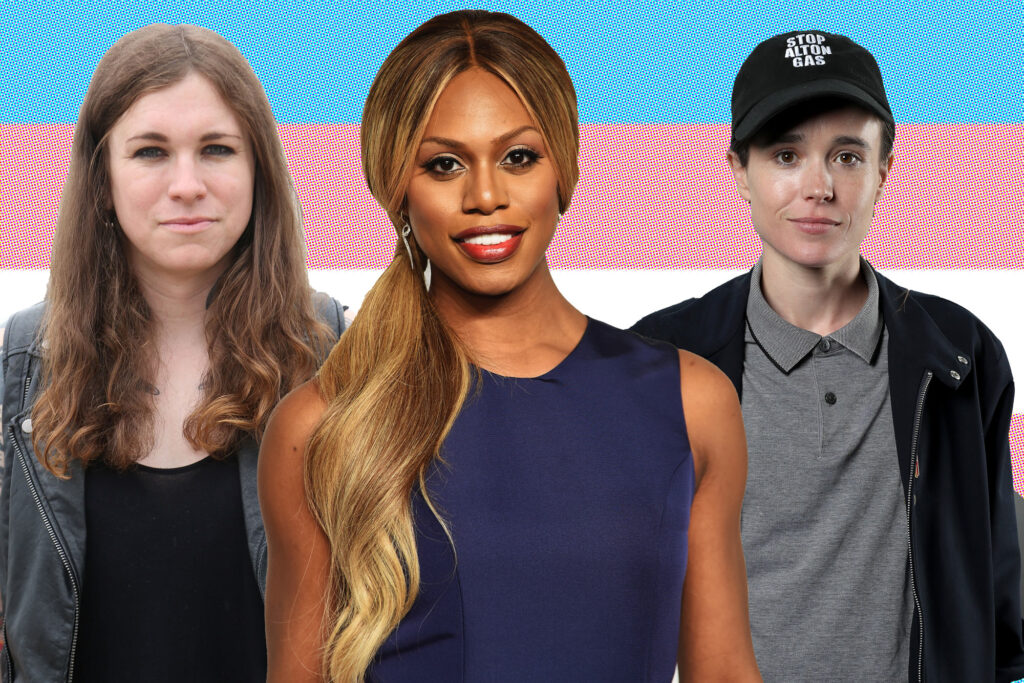
Feminism is not a static ideology; it is a dynamic and evolving movement that is constantly adapting to the changing needs and challenges of the world. As we move further into the 21st century, it is crucial to reimagine feminism for a new generation, one that embraces inclusivity, intersectionality, and a radical vision of social justice. This requires moving beyond the traditional gender binaries and embracing the fluidity and diversity of gender identities and expressions. It means dismantling not only patriarchal structures, but also all forms of oppression, including racism, classism, homophobia, and ableism. It is about creating a world where everyone is free to live their lives authentically, without fear of discrimination or violence. It demands a radical reimagining of our social, economic, and political systems, one that prioritizes the needs of the most marginalized and vulnerable members of society. This article will explore the future of feminism, examining the challenges and opportunities that lie ahead and offering a vision of a more just and equitable world for all. It is an invitation to join the conversation, to challenge the status quo, and to work together to create a better future for all.






Leave a Comment