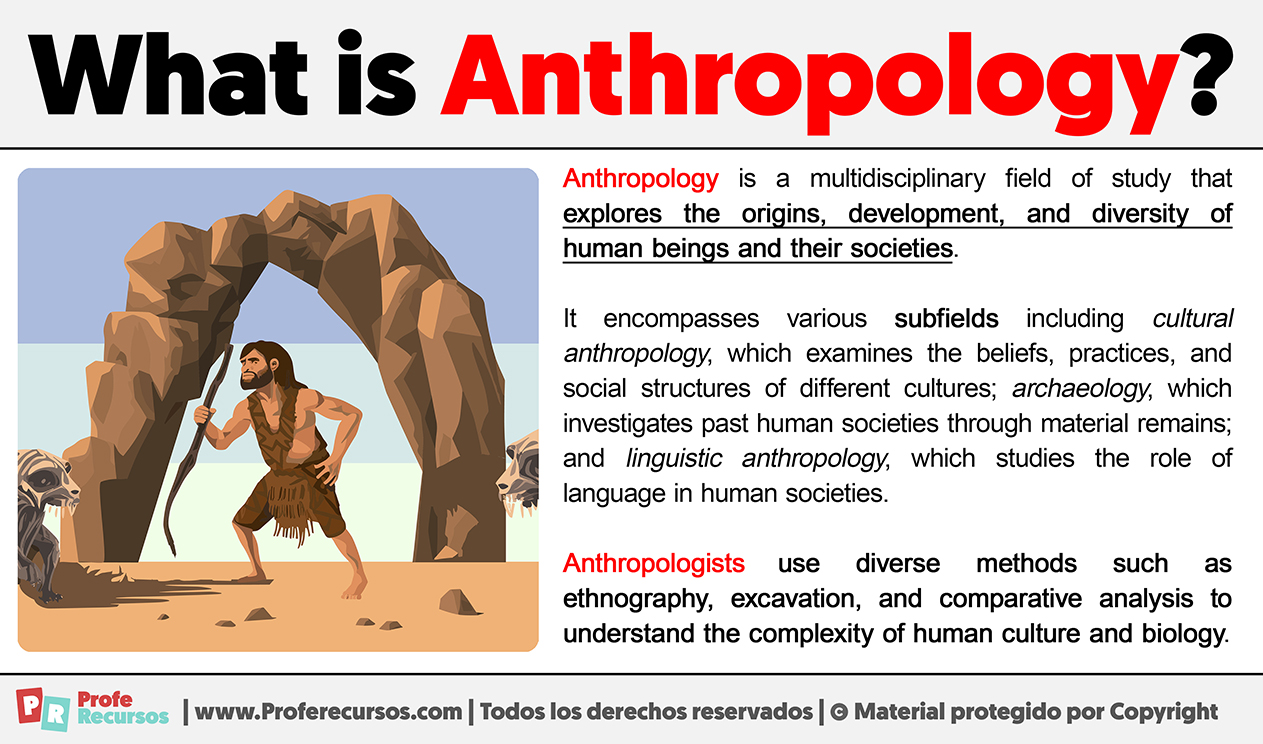
Anthropology, that dusty attic of human experience, often gets relegated to the sidelines when we’re dissecting the fiery heart of feminist movements. But let’s be clear: to ignore its insights is akin to performing open-heart surgery with a rusty spoon. It’s messy, ill-advised, and frankly, insulting to the complexity of the subject at hand.
Feminism, in its kaleidoscopic forms, is a revolt against the constraints of patriarchal power. A power that, crucially, isn’t some monolithic entity but rather a chameleon, adapting and mutating across cultures, time periods, and socioeconomic strata. Understanding these variations? That’s where anthropology struts onto the stage, draped in theoretical garb.
So, grab your metaphorical pith helmets, comrades. We’re plunging into the tangled undergrowth of culture, gender, and liberation. This isn’t going to be a stroll in the park. We’re hacking through thorny arguments, confronting uncomfortable truths, and hopefully, emerging with a clearer picture of how culture shapes – and sometimes strangles – feminist movements globally.
I. The Ethnographic Lens: Seeing Patriarchy in its Pajamas
Imagine patriarchy as a particularly persistent strain of mold. It manifests differently in every petri dish, influenced by temperature, humidity, and nutrient availability. Anthropology, with its emphasis on ethnographic research, provides the microscopes and culture mediums to study this mold in all its disgusting glory. Ethnography allows us to see how gender roles, power dynamics, and social expectations are constructed and maintained within specific cultural contexts. We’re not just looking at abstract theories; we’re looking at lived realities.
- Unmasking Universalism: A core tenet of feminist anthropology is the rejection of universalizing narratives. We can’t simply slap a Western feminist framework onto every culture and expect it to fit seamlessly. What constitutes “oppression” varies wildly. For example, female genital mutilation (FGM) is rightfully condemned as a human rights violation. However, understanding the cultural significance of FGM within specific communities – often tied to rites of passage, social status, and marriageability – is crucial for developing effective intervention strategies. Ignoring this context risks alienating the very people we’re trying to help.
- Beyond Binaries: Anthropology challenges the rigid binary of male/female that often underpins Western understandings of gender. Many cultures recognize more than two genders, each with distinct social roles, rights, and responsibilities. The *hijras* of India, the *two-spirits* of many Native American cultures, and the *fa’afafine* of Samoa are just a few examples of gender variance that disrupt Western norms. Studying these diverse gender systems forces us to question the very foundations of our own assumptions. It prompts a deeper understanding of the fluidity and social construction of gender itself.
- The Power of Observation: Ethnographers immerse themselves in the lives of the people they study, participating in daily activities, conducting interviews, and observing social interactions. This immersive approach provides invaluable insights into the subtle ways in which gender inequalities are perpetuated. We see how women are often excluded from decision-making processes, how their labor is devalued, and how their bodies are controlled. Furthermore, we see how these inequalities are justified and maintained through cultural narratives, religious beliefs, and social customs.
II. Culture as a Battlefield: Resistance and Renegotiation
Culture is not a static entity, a perfectly preserved museum diorama. It’s a dynamic, contested terrain where power struggles play out constantly. Feminist movements, in their various forms, are active participants in this cultural battlefield, challenging existing norms and attempting to renegotiate the terms of engagement.
- Challenging Cultural Narratives: Every culture has its own set of stories that explain the world and justify the social order. These narratives often reinforce patriarchal ideologies, portraying women as passive, submissive, and dependent on men. Feminist movements actively challenge these narratives, offering alternative interpretations of history, mythology, and religious texts. They create new stories that celebrate female agency, resilience, and solidarity. Consider the reclaiming of “witch” imagery, transforming a symbol of female oppression into a potent emblem of female power and resistance.
- Reclaiming Rituals and Traditions: Traditional rituals and ceremonies can often reinforce patriarchal power structures. However, feminist movements have found innovative ways to reclaim and repurpose these traditions, transforming them into spaces for female empowerment. Women’s circles, menstruation huts, and goddess worship are examples of how women are creating their own rituals and traditions that celebrate female bodies, experiences, and spirituality. It’s about subverting the dominant narrative from within.
- The Power of Art and Expression: Art, music, literature, and performance are powerful tools for challenging cultural norms and promoting social change. Feminist artists use their creative talents to expose gender inequalities, celebrate female experiences, and imagine alternative futures. Guerrilla Girls, for example, uses anonymous art installations and billboards to expose sexism in the art world. Their provocative interventions force audiences to confront uncomfortable truths about the representation of women in art and society.
- Navigating Cultural Relativism: A crucial challenge for feminist movements is navigating the complexities of cultural relativism. While it’s important to respect cultural differences, it’s also essential to challenge practices that violate fundamental human rights. This requires a delicate balancing act, one that avoids imposing Western values while still advocating for the rights and well-being of women. The key is to work in solidarity with local activists, supporting their efforts to challenge harmful cultural practices from within.
III. Globalization and Gender: A Double-Edged Sword
Globalization, with its interconnectedness and flow of information, has had a profound impact on gender dynamics around the world. It’s a double-edged sword, offering both opportunities and challenges for feminist movements.
- Transnational Feminism: Globalization has facilitated the rise of transnational feminism, a movement that connects women’s rights activists across national borders. Transnational feminist networks provide a platform for sharing information, coordinating strategies, and building solidarity. They address issues such as sex trafficking, labor exploitation, and environmental degradation, recognizing that these problems are interconnected and require global solutions.
- The Spread of Western Ideals (and Impositions): The spread of Western media and consumer culture can both empower and disempower women. On one hand, it can expose women to new ideas about gender equality and female empowerment. On the other hand, it can reinforce harmful stereotypes and promote unrealistic beauty standards. The rise of hyper-sexualized images of women in advertising and entertainment has contributed to a global culture of objectification, placing immense pressure on women to conform to unattainable ideals.
- Economic Empowerment vs. Exploitation: Globalization has created new economic opportunities for women in many parts of the world. Women are increasingly participating in the global workforce, particularly in industries such as textiles, electronics, and tourism. However, these jobs are often low-paying, precarious, and exploitative. Women are frequently subjected to long hours, unsafe working conditions, and sexual harassment. Feminist movements are working to ensure that women benefit from globalization without being exploited. This includes advocating for fair wages, safe working conditions, and access to education and training.
- The Internet as a Battleground: The internet has become a crucial space for feminist activism. It provides a platform for women to share their stories, organize campaigns, and challenge patriarchal power structures. However, the internet is also a site of online harassment, abuse, and censorship. Women are disproportionately targeted by online trolls, cyberstalkers, and revenge porn perpetrators. Feminist movements are working to combat online harassment and ensure that the internet remains a safe and inclusive space for women.
IV. Intersectionality: Beyond a Buzzword, a Necessary Lens
Intersectionality, a term coined by Kimberlé Crenshaw, recognizes that gender is not a singular experience but is shaped by the intersection of race, class, sexuality, disability, and other social categories. A feminist movement that fails to account for intersectionality risks replicating the very inequalities it seeks to dismantle.
- Privilege and Oppression: Intersectionality highlights the ways in which privilege and oppression are interconnected. White women, for example, may experience sexism but also benefit from white privilege. Understanding these complex dynamics is crucial for building a truly inclusive feminist movement. It requires acknowledging the different experiences of women from diverse backgrounds and working to address the specific challenges they face.
- Centering Marginalized Voices: A truly intersectional feminist movement centers the voices of those who are most marginalized. This means prioritizing the needs and perspectives of women of color, LGBTQ+ women, disabled women, and women from low-income backgrounds. It requires actively challenging dominant narratives and creating spaces for marginalized women to share their experiences and lead the movement.
- Moving Beyond Tokenism: Intersectionality is not about simply adding a token representative of a marginalized group to a panel or advisory board. It’s about fundamentally rethinking our approach to feminism, incorporating the perspectives of marginalized women into every aspect of our work. It requires challenging our own biases and assumptions and creating a movement that is truly representative of the diversity of women’s experiences.
- Challenging Systems, Not Individuals: While individual acts of discrimination are important to address, intersectionality emphasizes the need to challenge systemic inequalities. This means working to change laws, policies, and institutions that perpetuate discrimination. It requires addressing issues such as racial bias in the criminal justice system, gender pay gaps, and lack of access to healthcare for marginalized communities.
V. The Future of Feminist Anthropology: A Call to Action
Feminist anthropology is not just an academic exercise. It’s a powerful tool for understanding and challenging gender inequalities in the world. As we move forward, it’s crucial that we continue to engage with this field, using its insights to inform our activism and advocacy.
- Supporting Ethnographic Research: We need to support ethnographic research that explores the diverse experiences of women around the world. This research should be conducted in collaboration with local communities, ensuring that it is both ethical and relevant. The insights gained from this research can be used to inform policies and programs that promote gender equality.
- Promoting Feminist Pedagogy: We need to promote feminist pedagogy in our schools and universities. This means incorporating feminist perspectives into our teaching and encouraging students to critically examine gender norms and power structures. It requires creating classrooms that are inclusive and supportive of all students, regardless of their gender identity or expression.
- Building Solidarity Across Cultures: We need to build solidarity with feminist movements around the world. This means listening to the experiences of women from different cultures and supporting their efforts to challenge gender inequalities in their own communities. It requires recognizing that feminism is not a monolithic movement but rather a diverse and evolving set of struggles.
- Embracing Complexity and Nuance: Finally, we need to embrace complexity and nuance in our understanding of gender and culture. There are no easy answers or simple solutions. We must be willing to grapple with difficult questions and challenge our own assumptions. Only then can we create a truly just and equitable world for all women. The task is daunting, perhaps even Sisyphean, but the alternative – a world where patriarchal mold continues to fester – is simply unacceptable. Let the excavation begin.










Leave a Comment