Let’s face it, darlings: “feminism” has become a four-letter word for some. A scarlet letter, even. Whispered in hushed tones, or shouted with derision, it rarely seems to occupy a space of calm, reasoned discourse. Is it any wonder, then, that we sometimes find ourselves searching for a linguistic substitute, a more palatable term to convey the same earth-shattering, patriarchal-smashing ideals?
But before we embark on this lexical scavenger hunt, let’s acknowledge the elephant in the room, or rather, the gorilla in the boardroom: Why is feminism so…controversial? Why the knee-jerk reactions, the eye-rolls, the cries of “man-hater”? Perhaps, just perhaps, it’s because feminism dares to disrupt the comfortable status quo, to question the very foundations of power structures that have been meticulously crafted and maintained for centuries. And honey, people *hate* having their comfortable realities challenged. Especially when those realities grant them unearned advantages.
So, let’s delve into this quest for alternatives, but with a critical eye. Are we genuinely seeking clarity and broader appeal, or are we simply trying to sidestep the discomfort that true feminist discourse inevitably provokes? Because frankly, if the goal is to sanitize the message to appease the patriarchy, then we’ve already lost the battle.
I. The Quest for Lexical Alternatives: A Feminist Rogues’ Gallery
Over the years, various terms have been floated as potential replacements, or at least, supplements to “feminism.” Each carries its own baggage, its own nuances, and its own capacity to either enlighten or obfuscate.
A. Womanism: A Reclamation of Black Femininity
Emerging from the work of Alice Walker, womanism provides a crucial corrective to the overwhelmingly white-centered narratives that have often dominated mainstream feminist discourse. It centers the experiences of Black women, acknowledging the intersection of race, class, and gender oppression. Womanism recognizes the specific challenges faced by Black women within a system of white supremacy and seeks to empower them within their own cultural context. It’s a powerful reclamation of Black femininity, a declaration that Black women’s voices matter, that their experiences are valid, and that their liberation is essential.
The question remains, however: Does the adoption of a separate term risk further fragmenting the feminist movement, creating unnecessary divisions along racial lines? Or does it offer a vital space for marginalized voices to be heard and amplified?
B. Egalitarianism: The Allure of Neutrality
Egalitarianism, at its core, champions the principle of equality for all. Sounds lovely, doesn’t it? A world where everyone is treated fairly, regardless of their gender, race, or socioeconomic status. The problem? It often lacks the specific focus on gender inequality that is the very bedrock of feminism. It can become a diluted, watered-down version of feminist ideals, conveniently ignoring the historical and systemic disadvantages faced by women. Furthermore, the veneer of neutrality can mask underlying biases and power dynamics. Who gets to define what “equal” means? Who gets to decide which inequalities are worthy of addressing? Often, those answers are determined by the very power structures that feminism seeks to dismantle.
Egalitarianism can be a useful starting point, a bridge to understanding. But it should never be mistaken for the robust, unapologetic force that is feminism.
C. Humanism: The Danger of Erasure
Similar to egalitarianism, humanism emphasizes the inherent worth and dignity of all human beings. Again, a noble sentiment. However, by focusing on the universal “human” experience, it risks erasing the specific experiences and oppressions faced by women. It can become a way of silencing feminist voices, of dismissing their concerns as merely “human” problems that affect everyone equally. But we know that’s not true, don’t we? We know that women face unique challenges, unique forms of discrimination, that are directly tied to their gender. To ignore those differences is to perpetuate the very inequalities that we claim to oppose.
Moreover, the term “human” has historically been associated with masculinity, further marginalizing women’s experiences. So, while humanism may have its merits, it should be approached with caution, ensuring that it does not become a tool for silencing feminist voices.
D. Intersectionality: A Framework, Not a Replacement
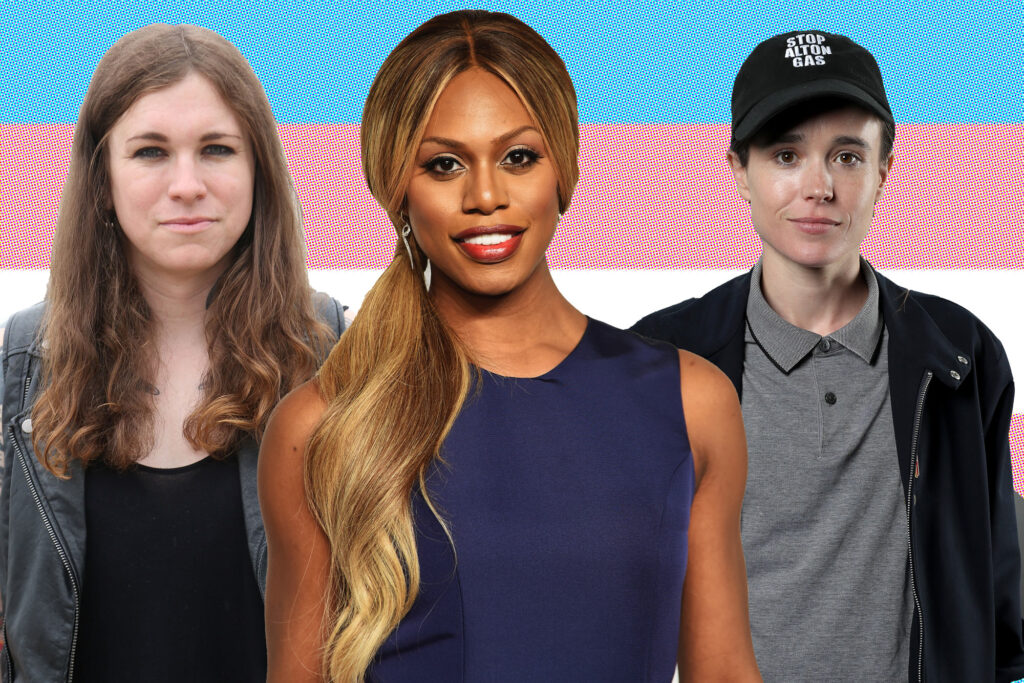
Popularized by Kimberlé Crenshaw, intersectionality highlights the interconnected nature of social categorizations such as race, class, and gender, creating overlapping systems of discrimination or disadvantage. It’s not a replacement for feminism, but a lens through which we can better understand the complexities of gender inequality. Intersectionality acknowledges that women’s experiences are not monolithic, that they are shaped by a multitude of factors that intersect and interact in unique ways. It forces us to move beyond simplistic narratives and to recognize the diverse realities of women from different backgrounds.
Embracing intersectionality is essential for a truly inclusive and effective feminist movement. It challenges us to confront our own biases and assumptions and to create a space where all women feel seen, heard, and valued.
II. The Power and Peril of Language: Deconstructing the Discomfort
The discomfort surrounding the term “feminism” is not simply a matter of semantics. It goes much deeper, touching on fundamental issues of power, privilege, and identity.
A. The Misrepresentation of Feminism: A Propaganda War
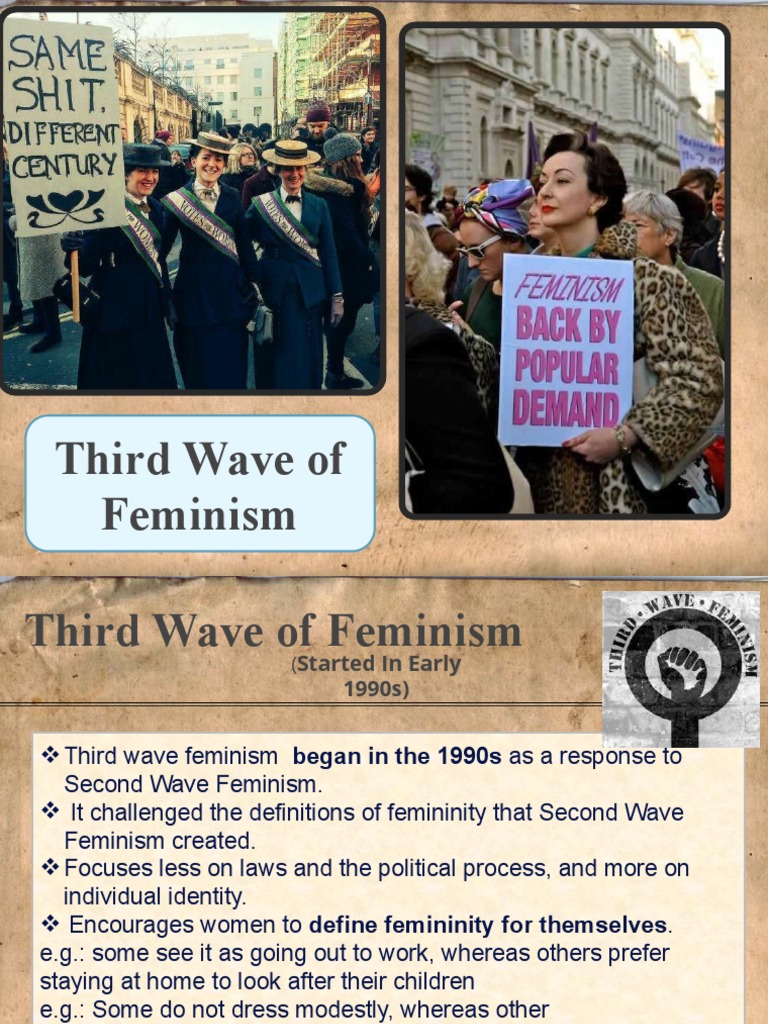
Feminism has been deliberately and systematically misrepresented in popular culture and media. It’s been portrayed as a movement of angry, man-hating extremists, seeking to undermine traditional family values and destroy Western civilization. This caricature is, of course, a gross distortion of reality. But it serves a purpose: to scare people away from feminism, to make them afraid of identifying with it.
Combating this misinformation requires a constant and concerted effort to reclaim the narrative, to demonstrate that feminism is not about hating men, but about achieving equality and justice for all.
B. The Fear of Losing Privilege: A Defensive Reaction
For those who benefit from existing power structures, feminism can feel like a threat. It challenges their unearned advantages, their comfortable position at the top of the hierarchy. It demands that they share power, that they acknowledge the injustices faced by women, and that they take action to address those injustices. This can be a difficult and uncomfortable process, one that requires them to confront their own biases and privileges. It’s easier, perhaps, to simply dismiss feminism as irrelevant or extreme.
C. The Internalization of Patriarchy: A Self-Inflicted Wound
Sadly, the most insidious form of resistance to feminism comes from within, from women who have internalized patriarchal values and beliefs. They may believe that women are inherently inferior to men, that their primary role is to be wives and mothers, or that they should not challenge the status quo. This internalization of patriarchy can be a powerful force, preventing women from recognizing their own oppression and from joining the fight for liberation.
Breaking free from these internalized beliefs requires a conscious effort to deconstruct patriarchal conditioning and to embrace a feminist worldview.
III. Reclaiming the Word: Owning Our Narrative
Instead of searching for a substitute for “feminism,” perhaps we should focus on reclaiming the word itself, on redefining it on our own terms. Let’s not allow our detractors to dictate the meaning of feminism. Let’s make it a term of empowerment, of hope, and of solidarity.
A. Embracing the Diversity of Feminist Voices: A Multifaceted Movement
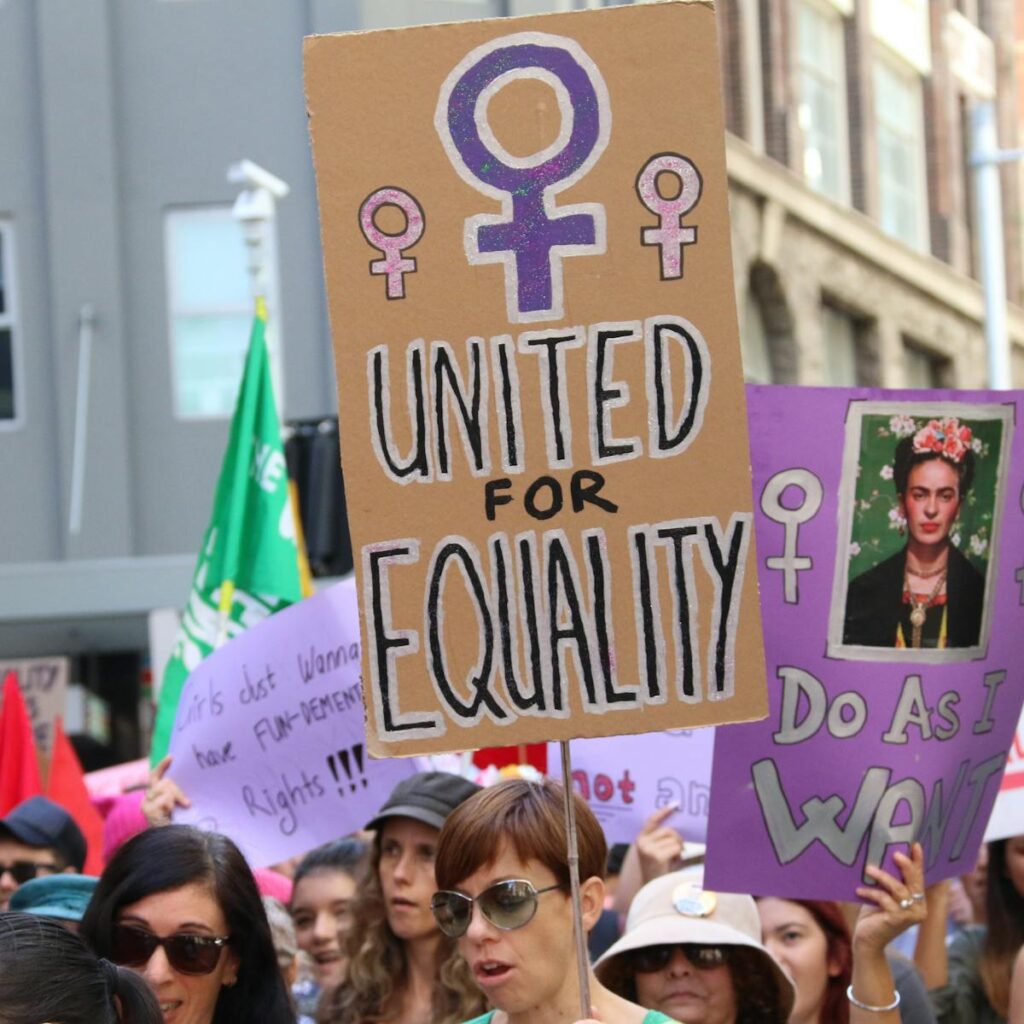
Feminism is not a monolithic entity. It encompasses a wide range of perspectives, ideologies, and approaches. There is no one “right” way to be a feminist. Embrace the diversity of voices within the movement and recognize that different feminists may have different priorities and strategies. This inclusivity is our strength. It allows us to address the complexities of gender inequality from multiple angles and to build a broader and more powerful coalition for change.
B. Educating and Engaging: Spreading the Feminist Gospel
The best way to combat misinformation is to educate ourselves and others about feminism. Share feminist literature, engage in conversations about gender inequality, and challenge sexist attitudes and behaviors whenever you encounter them. Be a visible and vocal advocate for feminist principles. The more people understand what feminism truly stands for, the less likely they are to be swayed by negative stereotypes and propaganda.
C. Living Our Values: Walking the Feminist Walk
Feminism is not just an intellectual exercise. It’s a way of life. Live your values by challenging gender norms, supporting women in your community, and advocating for policies that promote gender equality. Be a role model for others, demonstrating that feminism is not about hating men, but about creating a more just and equitable world for everyone.
Ultimately, the search for another word for feminism is a distraction. The real challenge is to embrace the word itself, to reclaim it from those who seek to denigrate it, and to live out its principles in our daily lives. Let’s be proud feminists, unapologetic in our pursuit of gender equality, and unwavering in our commitment to building a better world for all.







Leave a Comment