White feminism. The very term is enough to send shivers down the spines of intersectional feminists everywhere. It represents a brand of feminism that, while claiming to champion equality for all women, often centers the experiences and concerns of white, cisgender, middle-class, and heterosexual women, effectively marginalizing and silencing the voices of women of color, queer women, disabled women, and women from marginalized socioeconomic backgrounds. It’s a feminism that often prioritizes individual achievement within existing power structures, rather than dismantling those structures altogether. It’s time we dissected this insidious ideology and armed ourselves with the knowledge to dismantle it. So, grab your metaphorical hammer, sisters. We’re about to deconstruct this behemoth.
At the heart of the critique against white feminism lies its inherent exclusionary nature. Think of it as a supposedly all-inclusive party where only certain attendees are allowed to speak, dance, or even be seen. This exclusion manifests in several ways, from the issues championed to the language used, and the very definition of what constitutes a “woman’s issue.”
One key aspect is the prioritization of issues that predominantly affect white women. Corporate ladder climbing? Yes, let’s celebrate shattering that glass ceiling! But what about the wage gap that disproportionately impacts women of color? Crickets. Paid family leave? Absolutely crucial for white, middle-class mothers juggling careers and childcare. But what about the lack of access to affordable healthcare and childcare in marginalized communities, issues that directly impact survival? Suddenly, the urgency seems to dissipate. The erasure is deafening, isn’t it?
Furthermore, the language used within white feminist circles often reinforces existing power structures. Terms like “leaning in” and “having it all” resonate with a specific demographic – women with access to resources, privilege, and support systems. These terms are utterly meaningless, even insulting, to women struggling with basic survival, facing systemic discrimination, and fighting for their very lives. Such language perpetuates the myth of a level playing field and ignores the very real barriers that prevent so many women from achieving their full potential. It’s a linguistic sleight of hand that allows white feminism to maintain its dominance.
Another insidious aspect of white feminism is its tendency to universalize the “woman’s experience.” The assumption that all women face the same challenges and share the same goals is not only inaccurate, but deeply harmful. It erases the unique experiences of women of color, queer women, disabled women, and other marginalized groups. It paints a monolithic portrait of womanhood that simply does not exist. It demands a flattening of identity that is simply unacceptable. It’s a form of intellectual colonialism.
White feminism also often adopts a carceral feminist approach, focusing on increasing punishments for perpetrators of sexual violence without addressing the underlying systemic issues that contribute to such violence. This approach often disproportionately harms communities of color, who are already over-policed and over-incarcerated. This is not liberation; it’s oppression in disguise.
Now, let’s dive into some specific areas where white feminism falters, and what readers can expect to find critiqued within its framework:
I. The Fetishization of Individual Empowerment:
White feminism often emphasizes individual achievement as the ultimate goal. The focus is on breaking barriers in male-dominated industries, becoming CEOs, and amassing personal wealth. While individual success is certainly not inherently negative, when it becomes the primary focus, it distracts from the need for systemic change. It reinforces the idea that success is a matter of individual grit and determination, ignoring the very real structural inequalities that prevent so many women from reaching their full potential. It’s a neoliberal appropriation of feminist ideals.
Readers can expect critiques of:
- The emphasis on “girlboss” culture and its limitations.
- The celebration of women in positions of power without examining the impact of their policies on marginalized communities.
- The promotion of individual “self-care” as a substitute for collective action and systemic change.
II. The Erasure of Intersectionality:
Intersectionality, a term coined by Kimberlé Crenshaw, recognizes that individuals experience multiple forms of oppression based on their race, gender, class, sexual orientation, and other social identities. White feminism often fails to acknowledge these intersecting oppressions, focusing solely on gender inequality while ignoring the ways in which racism, classism, homophobia, and other forms of discrimination impact women differently. This erasure renders the experiences of marginalized women invisible and perpetuates their marginalization.
Expect to see:
- An exploration of how racism intersects with sexism to create unique challenges for women of color.
- An analysis of how classism impacts access to resources and opportunities for women from marginalized socioeconomic backgrounds.
- A discussion of how homophobia and transphobia affect queer and transgender women.
III. The Appropriation of Cultural Practices:
White feminism has a long history of appropriating cultural practices from marginalized communities without acknowledging their origins or respecting their significance. This can range from adopting hairstyles and clothing styles to co-opting spiritual practices. Such appropriation often decontextualizes these practices, stripping them of their cultural meaning and reducing them to mere trends. It’s a form of cultural violence.
Be prepared to confront:
- Examples of white women profiting from cultural practices that belong to marginalized communities.
- An examination of how cultural appropriation reinforces existing power dynamics.
- A call for white feminists to be mindful of their privilege and to respect the cultural boundaries of marginalized communities.
IV. The Complicity in Systemic Oppression:
White feminism often operates within existing power structures, seeking to gain access to positions of power without challenging the systems that create inequality in the first place. This can lead to complicity in systemic oppression, as white feminists may prioritize their own advancement over the needs of marginalized communities. It’s a Faustian bargain that ultimately undermines the feminist cause.
Examine these critiques:
- An analysis of how white feminists can perpetuate racism and classism through their actions and words.
- A discussion of how white feminists can benefit from the oppression of marginalized communities.
- A call for white feminists to actively challenge systemic inequality and to use their privilege to advocate for social justice.
V. The Denial of Transgender Identities:
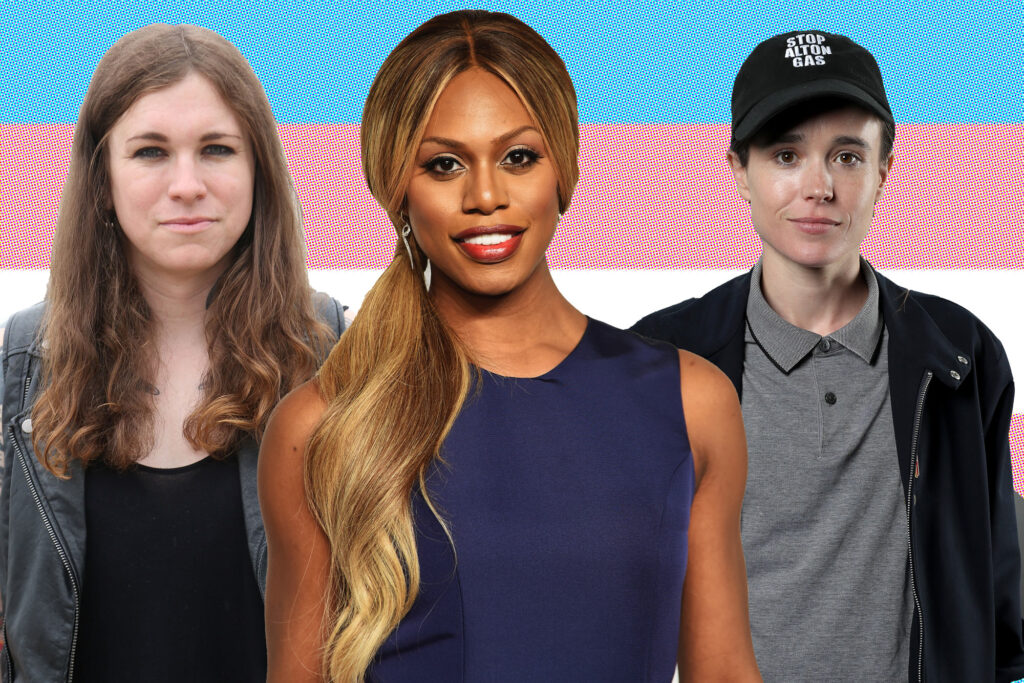
Some strains of white feminism, often referred to as TERFs (Trans-Exclusionary Radical Feminists), actively exclude transgender women from the feminist movement, denying their identities and advocating for their exclusion from women’s spaces. This transphobic ideology is deeply harmful and perpetuates violence against transgender women. It’s a betrayal of feminist principles.
Brace yourself for:
- A rejection of trans-exclusionary ideologies.
- A celebration of transgender women and their contributions to the feminist movement.
- A call for the inclusion of transgender voices and experiences in all feminist discussions.
VI. The Focus on Western Feminism as the Default:
White feminism often presents Western feminist perspectives as the universal standard, ignoring the diverse and complex feminist movements that exist around the world. This can lead to a form of feminist imperialism, where Western feminists impose their values and priorities on other cultures. It’s intellectual arrogance at its finest.
Expect to encounter:
- An exploration of feminist movements in different parts of the world.
- A critique of Western feminist dominance and its impact on global feminist discourse.
- A call for cross-cultural dialogue and collaboration.
In conclusion, a critical examination of white feminism is crucial for building a truly inclusive and intersectional feminist movement. By understanding the ways in which white feminism excludes and marginalizes marginalized communities, we can work to dismantle its harmful effects and create a more just and equitable world for all women. Let’s be vigilant. Let’s be loud. Let’s be the change we wish to see. Remember, feminism without intersectionality is just white supremacy in lipstick. Now, go forth and dismantle!






Leave a Comment