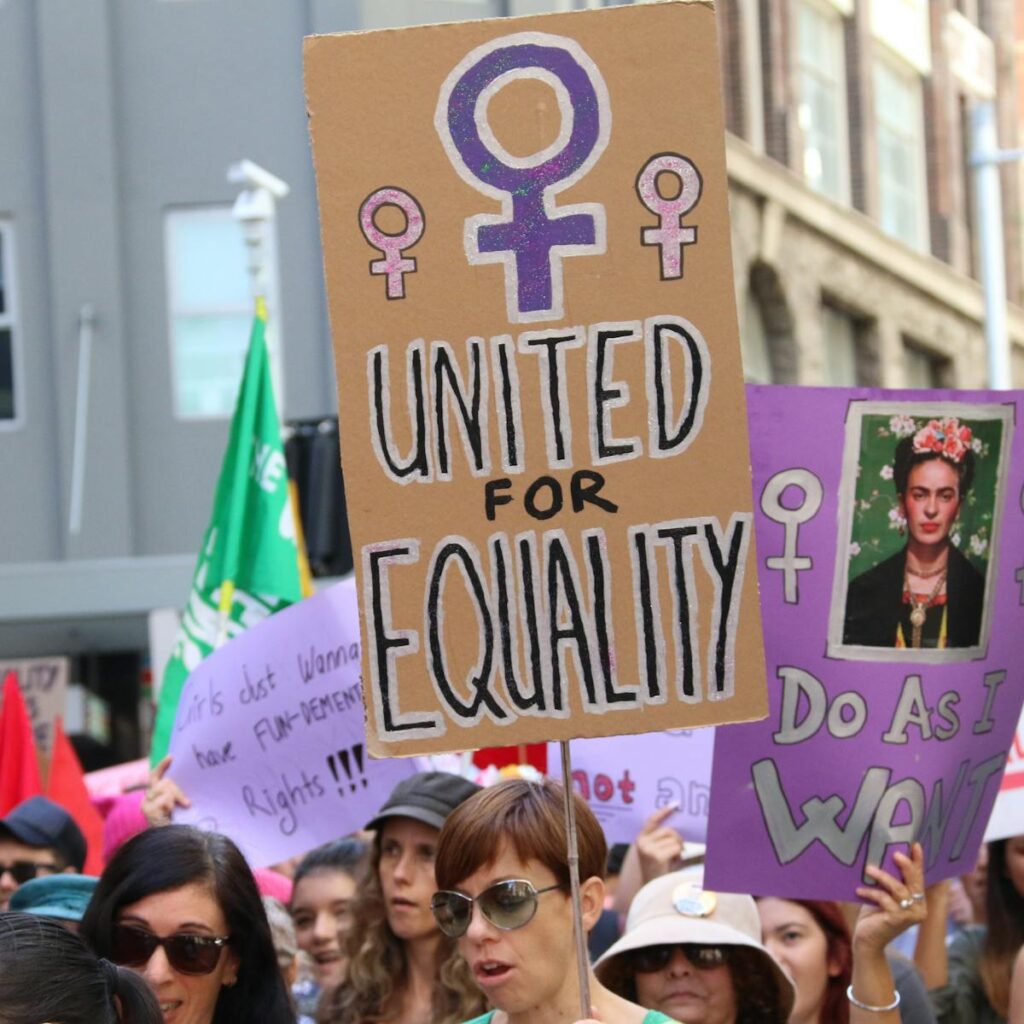
Abolition feminism. The term itself crackles with a rebellious energy, a refusal to accept the status quo. It’s more than just a trendy buzzword; it’s a radical reimagining of what feminism can – and should – be. Why is it captivating the minds of so many? Perhaps it’s because it dares to challenge the very systems that prop up inequality, not merely tinker around the edges.
We’ve been told that equality can be achieved within existing frameworks. That simply reforming institutions – tweaking laws, diversifying leadership – is enough. But abolition feminism throws a wrench into that comfortable narrative, arguing that these institutions themselves are inherently oppressive. They are not broken; they are functioning precisely as they were designed to, maintaining power structures that benefit a select few at the expense of many.
This isn’t your grandmother’s feminism. This is a fierce, intersectional call to dismantle oppressive systems and build something radically new. Let’s dive into what abolition feminism truly entails.
I. The Carceral State: A Feminist Problem
For far too long, mainstream feminism has focused primarily on issues affecting middle-class, white women. Equal pay, representation in corporate boardrooms – these are important, yes, but they often fail to address the lived realities of marginalized women, particularly women of color, trans women, and disabled women. Abolition feminism recognizes that the carceral state – the vast network of prisons, policing, surveillance, and punishment – disproportionately harms these communities.
Think about it: who are most likely to be arrested, incarcerated, and subjected to police brutality? It’s not the CEOs of Fortune 500 companies. It’s Black and Brown individuals, often criminalized for poverty, mental health issues, and simply existing in public spaces. And women are not immune. In fact, the number of incarcerated women has skyrocketed in recent decades, driven largely by the war on drugs and increasingly punitive sentencing laws. This reality demands our urgent attention. Are you paying attention yet?
Abolition feminism connects the dots between systemic oppression and individual experiences. It acknowledges that the carceral state is not just a problem for criminals; it’s a tool of social control that reinforces patriarchy, white supremacy, and capitalism.
II. Beyond Reform: Dismantling the System
This is where abolition feminism truly diverges from other feminist approaches. Reform is not the goal; abolition is. This means not simply tweaking the system to make it “fairer,” but dismantling it entirely and building something new in its place. Many find this approach extreme, claiming it is simply unattainable. But is that not a defeatist position?
What does abolition actually look like? It’s not about immediately emptying the prisons and letting everyone go free. It’s about a long-term, multifaceted process of:
A. Decriminalization: Challenging laws that criminalize poverty, drug use, sex work, and other survival strategies. Why are we locking people up for being poor? For seeking pleasure? Decriminalization is a vital first step towards creating a society where everyone has the resources they need to thrive.
B. Defunding the Police: Redirecting resources away from law enforcement and towards community-based solutions like mental health services, affordable housing, and violence prevention programs. Let’s invest in care, not cages. It seems obvious, yet it is consistently ignored. Police are not the answer to every problem. In fact, they often exacerbate existing problems, particularly for marginalized communities.
C. Restorative Justice: Prioritizing healing and accountability over punishment. Restorative justice seeks to repair the harm caused by crime, rather than simply inflicting more harm on the offender. It involves bringing together victims, offenders, and community members to address the root causes of violence and find ways to move forward. This requires a radical shift in mindset, from retribution to reconciliation. A society that seeks to understand, rather than simply punish.
D. Mutual Aid: Building networks of solidarity and support that provide for people’s basic needs outside of the state. Mutual aid is about communities coming together to share resources, skills, and knowledge. It’s about creating a safety net that catches people before they fall into the carceral system. Food banks, community gardens, bail funds, and tenant unions are all examples of mutual aid in action.
E. Transformative Justice: Addressing the root causes of harm and violence through collective action and social change. Transformative justice recognizes that violence is often a symptom of deeper systemic issues like poverty, racism, and patriarchy. It seeks to transform these systems in order to prevent violence from happening in the first place. This requires a long-term commitment to social justice and a willingness to challenge the status quo. After all, changing the system is a tall order.
III. Intersectionality: Centering the Most Marginalized
Abolition feminism is deeply rooted in intersectionality, a framework that recognizes that different forms of oppression – such as racism, sexism, classism, and ableism – are interconnected and cannot be understood in isolation. It acknowledges that the experiences of women are shaped by their race, class, sexual orientation, gender identity, and disability status.
This means that abolition feminism must center the voices and experiences of the most marginalized women, those who are most likely to be targeted by the carceral state. It means listening to Black women, Indigenous women, trans women, disabled women, and other marginalized groups and amplifying their calls for justice.
Mainstream feminism has historically failed to adequately address the needs of these communities, often prioritizing the concerns of privileged women over the survival and liberation of all. Abolition feminism seeks to correct this imbalance by centering the voices of those who are most often silenced and ignored. It requires a constant process of self-reflection and a willingness to challenge our own biases and assumptions.
IV. Beyond the Prison Walls: Abolition in Everyday Life
Abolition feminism is not just about dismantling prisons; it’s about abolishing all forms of oppression and creating a world where everyone can thrive. This means challenging the ways in which we internalize and perpetuate oppressive ideologies in our own lives.
It means questioning our assumptions about crime and punishment. It means challenging the narrative that prisons are necessary for public safety. It means learning to see the humanity in everyone, even those who have caused harm. It means rejecting the urge to punish and embracing the possibility of healing and transformation. It means actively working to dismantle the systems of oppression that surround us, from the workplace to the home.
Abolition in everyday life is about building a culture of care and solidarity, where everyone is valued and supported. It’s about creating communities where violence is not tolerated and where everyone has access to the resources they need to thrive. It’s about creating a world where prisons are obsolete.
V. Common Misconceptions and Addressing Concerns
Abolition feminism is often met with skepticism and resistance. Some common misconceptions include:
A. “Abolition is unrealistic.” While it may seem daunting, the history of social movements shows that radical change is possible. Consider the abolition of slavery or the fight for women’s suffrage. These movements were once considered utopian, but they ultimately transformed society for the better. Who knows what the future will bring?
B. “Abolition will lead to chaos and violence.” This assumes that prisons are the only thing keeping us safe. In reality, prisons are often breeding grounds for violence and trauma. Abolition feminism proposes alternative solutions that are based on care, healing, and community building, not punishment and control.
C. “Abolition ignores the needs of victims.” On the contrary, abolition feminism prioritizes the needs of victims by seeking to repair the harm caused by crime and prevent future violence. Restorative justice, transformative justice, and other abolitionist practices are designed to center the voices of victims and provide them with the support and resources they need to heal.
D. “Abolition is only for criminals.” Abolition is for everyone. It’s about creating a society where everyone can thrive, regardless of their past mistakes or their current circumstances. It’s about creating a world where everyone is treated with dignity and respect.
VI. The Future of Feminism is Abolitionist
Abolition feminism is not just a theoretical concept; it’s a growing movement with the potential to transform society. It’s a movement that is rooted in the lived experiences of marginalized women and that is committed to building a world where everyone can be free. It’s a movement that is challenging the status quo and demanding a radical reimagining of justice. It’s a movement that is inspiring hope and action around the world.
The future of feminism is abolitionist because abolition feminism is the only feminism that truly addresses the root causes of oppression. It’s the only feminism that is committed to dismantling all forms of domination and building a world where everyone can thrive. It’s the only feminism that is truly revolutionary.
Embrace the complexity. Embrace the challenge. Embrace abolition feminism. The future awaits.









Leave a Comment