
In a world where productivity is quantified by output and monetary gain, the staggering value of unpaid motherhood labor remains obscured in societal shadows. A woman’s relentless dedication to raising children, maintaining households, and nurturing emotional well-being accumulates significant economic and psychological capital—yet it is rarely accounted for in conventional financial metrics. When one woman dared to calculate the true cost of her unpaid motherhood labor, the figure was jaw-dropping: a six-figure sum that exposed the invisible economy silently driven by maternal devotion. This candid reckoning challenges entrenched norms and redefines the worth of care work through a multifaceted lens.
The Complex Mosaic of Unpaid Motherhood Labor
Unpaid motherhood is far from a monolithic chore; it is a rich tapestry woven from diverse threads of responsibility and sacrifice. From feeding and clothing to education and emotional support, the labor is incessant and omnipresent. Care activities include administering healthcare, managing household finances, orchestrating daily schedules, and fostering social development. Each task demands varying skills—logistical savvy, emotional intelligence, time management—that are seldom acknowledged as economically valuable. This mosaic extends beyond physical tasks to include the mental load: the invisible, ongoing planning and anticipation that prevent crises before they arise.

Such multifaceted labor is rarely factored into GDP or wage discussions, perpetuating systemic undervaluation of motherhood. Calculating its worth challenges this invisibility, illuminating the profound economic and social contribution mothers make daily.
Monetizing the Intangible: How Unpaid Motherhood Labor Adds Up
The audacity to place a dollar figure on intangible efforts requires translating countless hours and emotional investments into equivalent market wages. This involves rigorous methodologies—estimating market replacement costs by considering what it would take to hire others to perform childcare, housekeeping, cooking, tutoring, and counseling. The cumulative cost can soar into six figures and beyond over the course of years, demonstrating the fiscal gravity of motherhood labor.
But monetization struggles to encapsulate the non-replicable emotional labor inherent in motherhood—the nurturing, the comfort during nights of distress, and the tireless mental gymnastics navigated daily. These contributions escape reductionist economic formulas despite constituting the backbone of familial stability and societal continuity.
The Invisible Emotional Burden Shouldered by Mothers
Beyond physical tasks lies the profound emotional load—what many sociologists term the “invisible load”—that mothers tirelessly bear. This burden encompasses the perpetual vigilance over children’s well-being, mental orchestration of family dynamics, and the unpaid emotional counseling offered with no spotlight or remuneration. It’s the silent strength underpinning families yet rarely voiced or defended in public discourse.
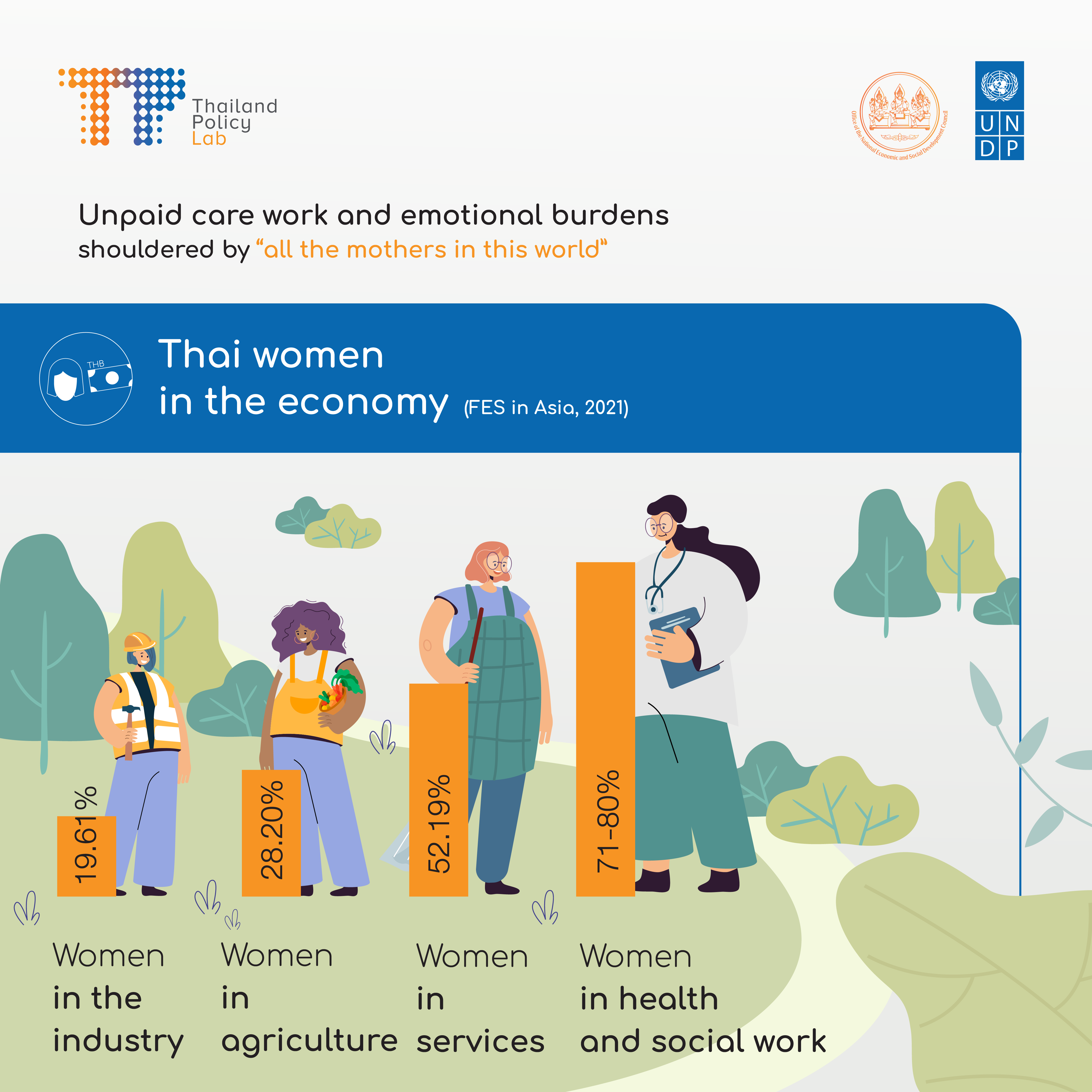
Recognizing this facet of motherhood dismantles simplistic portrayals of childrearing as merely physical labor. It demands societal shifts toward appreciating and supporting maternal mental health, emotional resilience, and the intangible services delivered without pause.
Consequences of Economic Erasure: Why This Calculation Matters
The ramifications of failing to recognize unpaid motherhood labor reverberate through economic policy, social justice, and gender equality battles. When millions of dollars of labor vanish from economic discourse, it negates women’s financial agency and entrenches gender disparities. This economic erasure affects everything from retirement security to healthcare access, leaving mothers vulnerable in their own hard-earned sacrifices.
Her revelation of a six-figure value is an indictment of capitalist frameworks that commodify productivity narrowly while neglecting foundational human labor. It asserts a demand for legal reforms, wage compensation models, and social safety nets that honor caregiving as indispensable economic work. Such acknowledgment is imperative in constructing equitable societies that elevate all forms of labor.
Revaluing Motherhood: Towards Structural Recognition and Compensation
Emerging dialogues emphasize systemic changes to revalue motherhood labor. Policies like caregiver allowances, social security credits, and paid family leave are vital steps toward recognition. Additionally, corporate and public institutions must integrate the realities of caregiving into workplace flexibility and benefits to alleviate undue burdens.

When society recalibrates its metrics to include unpaid motherhood labor, it sets a precedent. This paradigm shift not only elevates mothers economically but also dismantles gendered stereotypes restraining freedom and opportunity. True feminist liberation necessitates this reckoning—a redistribution of value and recognition that mothers’ work transcends the household and is foundational to human progress.
Conclusion: The Reckoning We Can No Longer Evade
The six-figure calculation is more than just a number—it is a clarion call to confront uncomfortable truths about labor, worth, and recognition. It disrupts complacency and demands a serious reconsideration of how economies evaluate contribution. Unpaid motherhood labor, long relegated to the margins, must be brought to the center of economic, social, and political conversations.
Ultimately, honoring this labor requires dismantling patriarchal and capitalist valuation systems that have marginalized caregiving. Only then can society forge an equitable future where mothers are not invisible laborers but valued architects of generations and custodians of humanity’s most vital work.








Leave a Comment