Feminism. A loaded word, isn’t it? A concept so fiercely debated, so wildly interpreted, and yet, so fundamentally crucial to the ongoing saga of women’s existence. But here’s a delightfully disruptive thought: Is feminism actually *for* all women? Or has it, perhaps unintentionally, become a gilded cage, shimmering with progressive ideals, but ultimately confining in its own way?
The relationship between women and feminism is, to put it mildly, a Gordian knot. It’s a complex, ever-evolving dance of solidarity, dissent, and constant re-evaluation. To truly understand its current iteration, we must first delve into the historical tapestry from which it was woven.
I. A Historical Retrospection: Weaving the Strands of Feminism
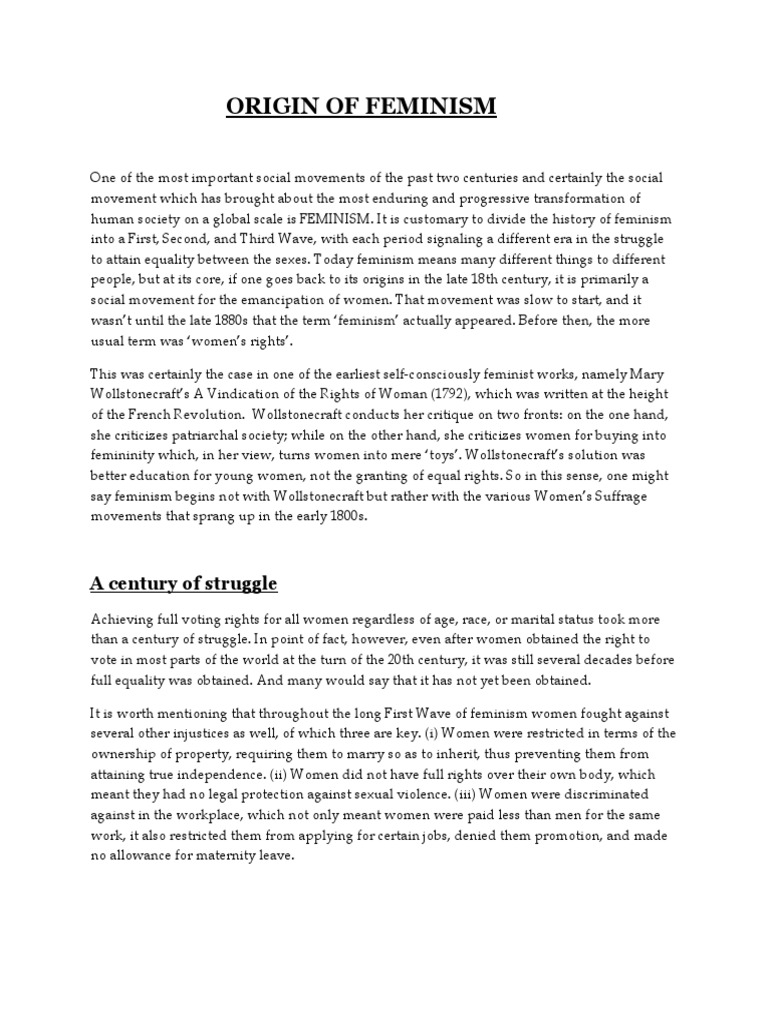
The early waves of feminism, characterized by suffragist fervor and a relentless pursuit of basic rights, were undoubtedly revolutionary. Women, long relegated to the domestic sphere, demanded suffrage, property ownership, and access to education. These were seismic shifts, dismantling the patriarchal edifice brick by painstaking brick. But even within this initial surge, fissures were present. The concerns of white, middle-class women often overshadowed the experiences of women of color and those from lower socioeconomic strata. The very definition of “woman” became a site of contention, excluding those whose experiences deviated from the normative ideal.
Second-wave feminism, emerging in the mid-20th century, broadened its scope, addressing issues of reproductive rights, sexuality, and the insidious structures of patriarchy embedded in everyday life. Betty Friedan’s “The Feminine Mystique” exposed the stifling ennui of suburban housewives, while activists challenged the male gaze in media and art. However, even this wave faced criticism for its essentializing tendencies and a lack of intersectional awareness. The needs and experiences of women who weren’t white, heterosexual, and cisgender remained marginalized.
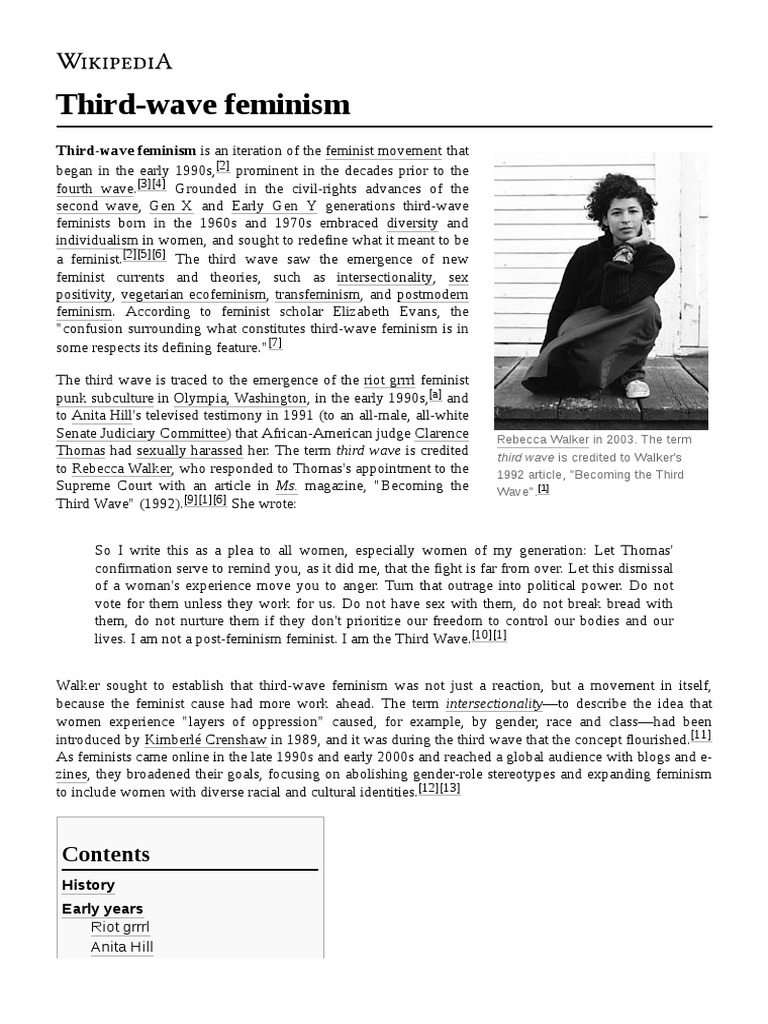
Then came third-wave feminism, a riotous explosion of individuality and self-expression. Riot grrrl bands, zine culture, and a rejection of monolithic feminist dogma defined this era. Third-wavers embraced fluidity and challenged traditional notions of femininity. Yet, critics argued that this emphasis on individual empowerment sometimes came at the expense of collective action and a coherent political agenda. Was the focus on personal choice diluting the potency of the feminist project?
Now, we find ourselves navigating the treacherous waters of fourth-wave feminism, fueled by social media and a renewed urgency to address issues of sexual violence, online harassment, and systemic inequality. #MeToo and Time’s Up have become rallying cries, exposing the pervasive nature of patriarchal power structures. But even in this era of unprecedented connectivity and awareness, the same old tensions persist. Is fourth-wave feminism truly inclusive? Is it effectively addressing the root causes of oppression, or merely treating the symptoms?
II. The Paradox of Inclusion: Who Gets to Be a “Woman”?
The question of who gets to claim the mantle of “woman” is perhaps the most contentious and crucial debate within contemporary feminism. Transgender women have fought valiantly for recognition and inclusion, challenging the biological essentialism that has historically defined womanhood. Their struggles highlight the limitations of a binary understanding of gender and the need for a more expansive and inclusive definition. Yet, their presence within feminist spaces has also sparked controversy, with some cisgender women expressing concerns about the perceived dilution of their experiences or the erasure of female-specific issues.
Furthermore, the intersectional lens demands that we acknowledge the myriad ways in which race, class, sexuality, disability, and other identities intersect to shape the lived experiences of women. A black woman’s experience of sexism is fundamentally different from that of a white woman, and a lesbian woman faces unique challenges that a heterosexual woman may not encounter. Feminism must be capable of addressing these complex intersections, lest it become a movement that only serves the interests of a privileged few.
III. The Commodification of Feminism: Selling Rebellion
Another thorny issue is the increasing commodification of feminism. Brands are eager to capitalize on the feminist zeitgeist, slapping empowering slogans on t-shirts and marketing products as “feminist-friendly.” But is this genuine allyship, or simply a cynical attempt to tap into a lucrative market? The danger lies in the potential for diluting the radical potential of feminism, transforming it into a mere marketing gimmick.
When “feminism” becomes a brand, it risks losing its critical edge. It can be co-opted by corporate interests and used to promote consumerism rather than challenging the systems of power that perpetuate inequality. We must be vigilant in guarding against this insidious form of appropriation, ensuring that feminism remains a movement for social justice, not a marketing strategy.
IV. The Spectrum of Dissent: When Women Reject Feminism
It is crucial to acknowledge that not all women identify as feminists. Some women may reject the label due to negative connotations associated with it, perceiving it as man-hating or overly radical. Others may hold differing views on the role of women in society, prioritizing traditional gender roles or religious beliefs. It is essential to respect these diverse perspectives and avoid dismissing them as inherently anti-feminist. To do so would be antithetical to the very principles of inclusivity and tolerance that feminism espouses.
Moreover, some women may feel alienated by certain aspects of contemporary feminism, such as its focus on identity politics or its perceived hostility towards men. They may believe that focusing on common ground and collaboration is a more effective approach to achieving gender equality. These dissenting voices deserve to be heard and engaged with constructively, even if we disagree with their conclusions.
V. The Future of Feminism: A Call for Radical Re-Imagining
So, where does all of this leave us? The relationship between women and feminism remains a work in progress, a constant negotiation between ideals and realities. To move forward, we must embrace a more nuanced and inclusive approach, one that acknowledges the diverse experiences of women and recognizes the limitations of any single, monolithic definition of feminism. We must move beyond the binary thinking that has often plagued feminist discourse, embracing complexity and contradiction.
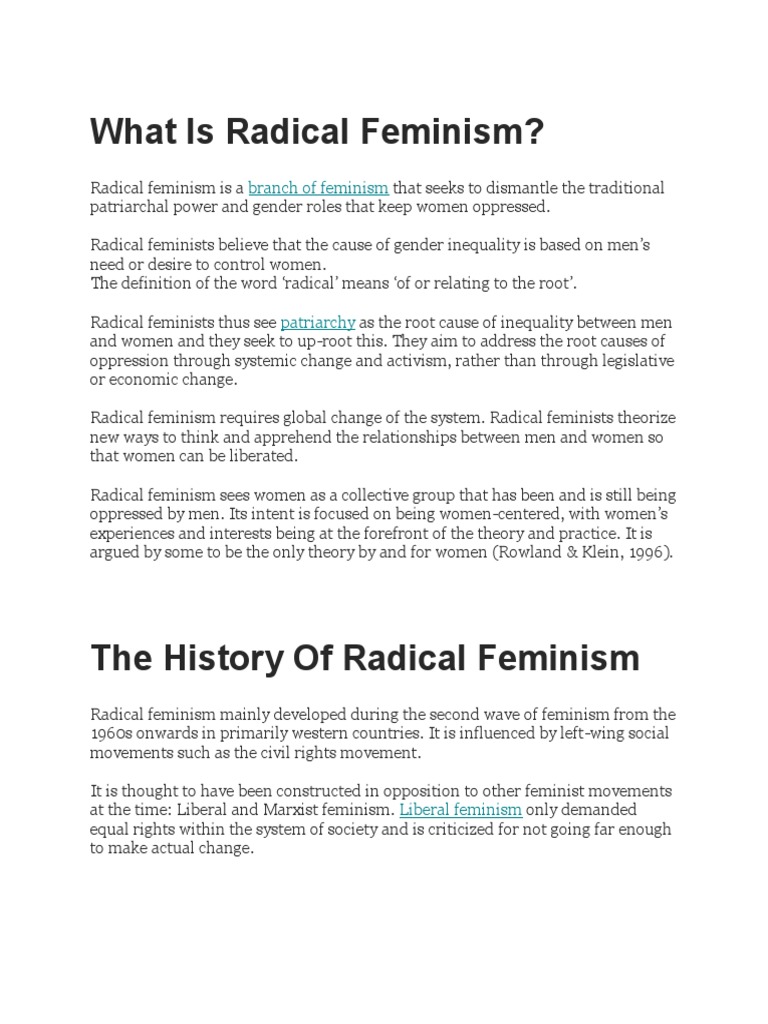
This requires a radical reimagining of feminism, one that centers the voices of marginalized women, challenges the commodification of feminist ideals, and fosters genuine dialogue across ideological divides. It demands a commitment to intersectionality, recognizing that gender is always intertwined with other forms of oppression. And it necessitates a willingness to confront our own biases and assumptions, constantly questioning whether our actions are truly serving the cause of justice and equality.
The future of feminism hinges on its ability to adapt and evolve, to remain a relevant and empowering force in a rapidly changing world. It must be a movement that welcomes dissent, celebrates diversity, and constantly strives to create a more just and equitable society for all women, and indeed, for all people. The dance continues.







Leave a Comment