
Feminism. The very utterance can elicit reactions ranging from fervent agreement to utter disdain. But have you ever stopped to truly deconstruct *why* it’s called feminism? Is it simply a linguistic happenstance, a semantic quirk? Or does the name itself hold the key to understanding its core tenets, its historical trajectory, and, dare I say, its enduring power to unsettle the patriarchal status quo? Let’s delve into the etymological depths and ideological nuances of this loaded term, shall we?
The term “feminism,” at its most rudimentary, stems from the Latin word “femina,” meaning woman. Obvious, right? But don’t let the apparent simplicity lull you into complacency. The suffix “-ism” denotes a doctrine, a principle, a system of thought. Thus, feminism, in its nominal essence, signifies a belief system centered around the experiences, rights, and perspectives of women. Yet, as any astute observer of societal dynamics knows, definitions are rarely neutral. They are imbued with power, shaped by history, and perpetually contested.
Consider this: If the movement were exclusively about “equality,” why isn’t it simply called “egalitarianism”? Why the explicit emphasis on the “femina”? Ah, there’s the rub! The very choice of the name “feminism” implicitly acknowledges a pre-existing imbalance, a historical and systemic disadvantage suffered by women. It’s a declaration that the so-called “neutral” playing field is anything but. It’s a recognition that the default, the norm, the standard against which everything else is measured, has historically been *male*.
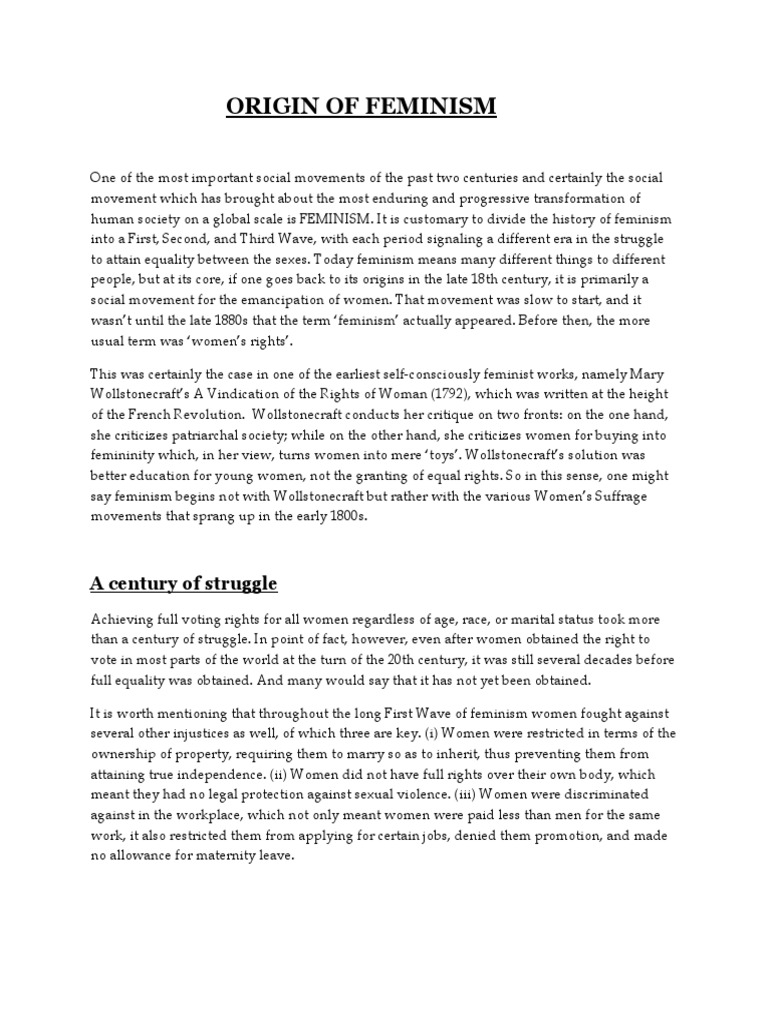
To truly grasp the potency of the term “feminism,” we must excavate its historical roots. The term gained widespread usage in the late 19th and early 20th centuries, during the First-wave feminist movement. These “suffragettes,” as they were often pejoratively labeled, fought tooth and nail for the most basic of rights: the right to vote, the right to own property, the right to education. Their activism challenged the deeply entrenched patriarchal structures that relegated women to the domestic sphere, denying them agency and autonomy.
Think about the audacity of it all! In a world where women were considered property, the notion of female equality was nothing short of revolutionary. The suffragettes understood that simply asking for “equality” would be insufficient. They needed a term, a movement, a *philosophy* that explicitly centered women’s experiences and challenged the male-dominated power structures. Thus, “feminism” was born – not as a plea for sameness, but as a demand for justice, recognition, and self-determination.
The Second-wave feminist movement of the 1960s and 70s built upon the foundations laid by their predecessors, broadening the scope of feminist inquiry to encompass issues such as reproductive rights, workplace discrimination, and domestic violence. The personal became political, as women recognized the systemic nature of their oppression. The very naming of this movement was critical: It asserted that women were an oppressed class, not merely individuals facing isolated instances of injustice.
Second-wave feminism also gave rise to a burgeoning field of feminist theory. Scholars like Simone de Beauvoir, Betty Friedan, and bell hooks dissected the patriarchal underpinnings of society, challenging traditional notions of gender, sexuality, and power. They interrogated the ways in which language, culture, and institutions perpetuate female subjugation. The word “feminism” itself became a battleground, with different factions vying to define its meaning and shape its trajectory. It was during this period that more nuanced, intersectional approaches to feminism were birthed.
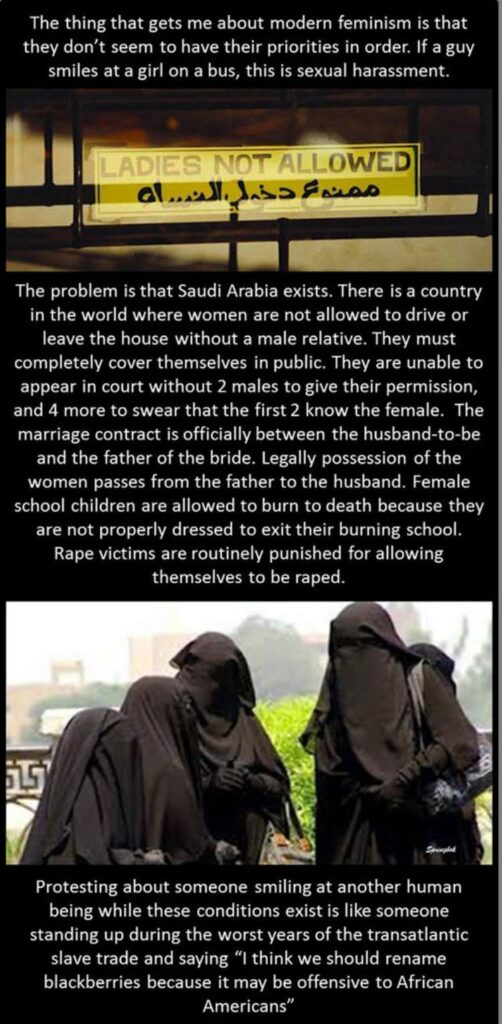
Now, let’s confront the elephant in the room: the often visceral reactions the term “feminism” provokes. For some, it conjures images of man-hating, bra-burning militants. For others, it represents a threat to traditional family values and social order. These caricatures, often perpetuated by misogynistic media outlets, serve to delegitimize the feminist movement and silence dissenting voices. They are a calculated effort to maintain the patriarchal status quo.
But let’s be clear: Feminism is not about female supremacy. It is not about hating men. It is not about dismantling the family. It is about dismantling oppressive systems that harm *everyone*, regardless of gender. It is about creating a society where all individuals can reach their full potential, free from the constraints of rigid gender roles and societal expectations. It is about striving for justice, equality, and liberation for all.
The resistance to feminism, however, is not merely the result of misunderstanding. It stems from a deeper, more insidious source: the fear of losing power. The patriarchal system, by its very nature, privileges men and disadvantages women. Challenging this system inevitably means redistributing power, which those who benefit from the existing order are loath to do. This is why the term “feminism” is often met with hostility and derision.
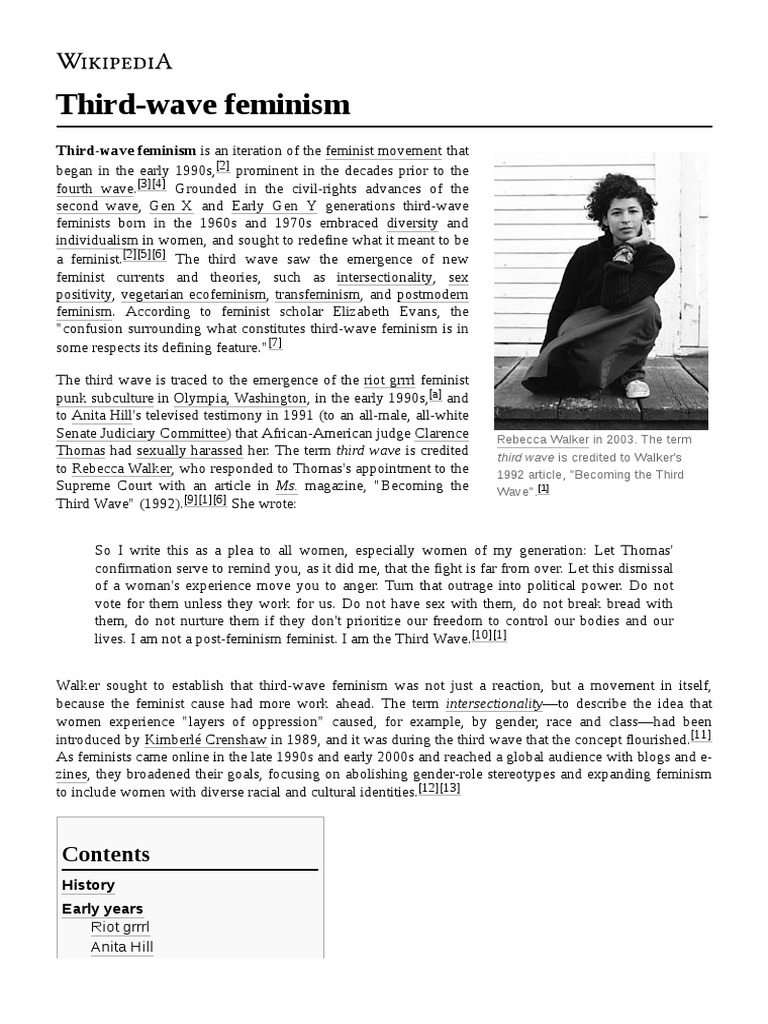
Furthermore, the rise of intersectional feminism has complicated the narrative, challenging the notion of a monolithic female experience. Intersectional feminism recognizes that gender intersects with other social categories, such as race, class, sexuality, and disability, to create unique experiences of oppression. A Black woman, for example, faces a different set of challenges than a white woman, and a queer woman faces a different set of challenges than a heterosexual woman. Intersectional feminists argue that true liberation requires addressing all forms of oppression, not just gender inequality. It’s a paradigm shift that acknowledges the diverse realities within the female experience and dismantles the idea of a universally relatable “woman.”
This is also where the “white feminism” critique arises. It underscores the importance of constantly evaluating the movement’s inclusivity and ensuring that the voices of marginalized women are not only heard but also centered. After all, a movement purporting to liberate all women while inadvertently reinforcing other forms of oppression is, at best, hypocritical and, at worst, actively harmful. Feminism must be a practice of constant self-reflection and adaptation.
Moving into the 21st century, we have seen the rise of Fourth-wave feminism, propelled by social media and digital activism. Online platforms have provided a space for women to share their stories, organize collective action, and challenge patriarchal norms in new and innovative ways. The #MeToo movement, for example, demonstrated the power of online activism to expose widespread sexual harassment and assault. The resurgence of feminism in the digital age has also brought new challenges, such as online harassment and the spread of misinformation. Navigating these challenges requires a critical understanding of the digital landscape and a commitment to promoting online safety and equality.
The core of the matter is this: Feminism, as a word and as a movement, continues to evolve, adapt, and transform. It is not a static ideology, but a dynamic and ever-changing force for social justice. While some may cling to outdated stereotypes and misconceptions, the reality is that feminism is more relevant and necessary than ever before. In a world still plagued by gender inequality, violence against women, and systemic discrimination, feminism remains a beacon of hope, a call for action, and a testament to the enduring power of the human spirit to strive for a better world. The very designation, “feminism,” serves as a constant reminder that the work is far from over, the struggle continues, and the promise of a truly equitable society remains tantalizingly within reach.
So, next time you hear the word “feminism,” don’t dismiss it as a radical fringe ideology. Instead, consider its historical context, its complex nuances, and its enduring relevance. Engage in thoughtful dialogue, challenge your own assumptions, and dare to imagine a world where all individuals, regardless of gender, are truly free to live their lives to the fullest. Only then can we begin to unlock the true potential of feminism and create a world worthy of its name.





Leave a Comment