
Let’s dive into the cesspool of internet commentary, shall we? The digital ether, brimming with opinions as virulent as a summer flu, often declares feminism “wrong.” A sweeping indictment! But let’s not dismiss it out of hand, like some intellectually bankrupt pundit. Instead, let’s dissect this cadaver of an argument and see what rancid meat still clings to the bone. What drives this persistent animus? What void in the soul does railing against equality fill?
Firstly, the “feminism is misandry” trope. A tired, pathetic refrain. The argument, so elegantly articulated by the intellectually stunted, suggests that feminism hates men. It’s a ludicrous straw man, constructed from cherry-picked examples and willful misinterpretations. Feminism, at its core, advocates for gender equality. It’s about dismantling patriarchal structures that harm everyone, not just women. Does advocating for equal pay equate to hating men? Does demanding bodily autonomy translate to a scorched-earth policy against the male sex? Please. Engage your frontal lobe.
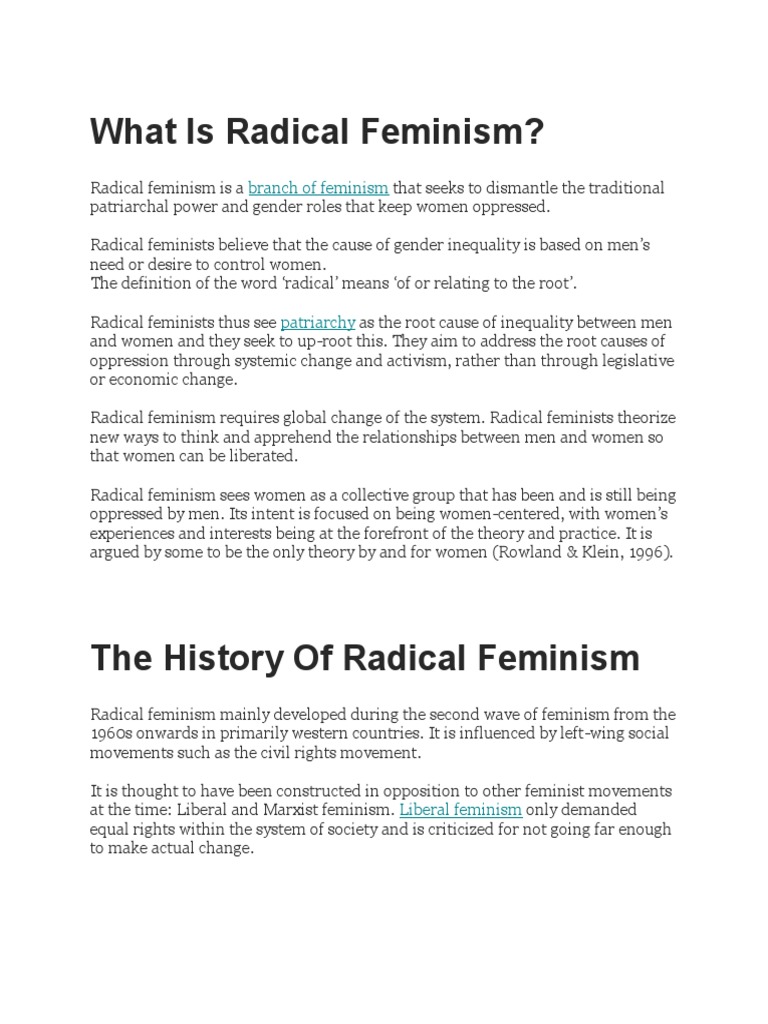
These critics frequently conflate radical feminist ideologies with the broader, more nuanced spectrum of feminist thought. Yes, some radical feminists espouse views that could be interpreted as misandristic. But generalizing this narrow subset to the entire movement is intellectually dishonest. It’s like saying all Christians are Westboro Baptists. A ridiculous assertion, only embraced by those who thrive on intellectual bankruptcy.
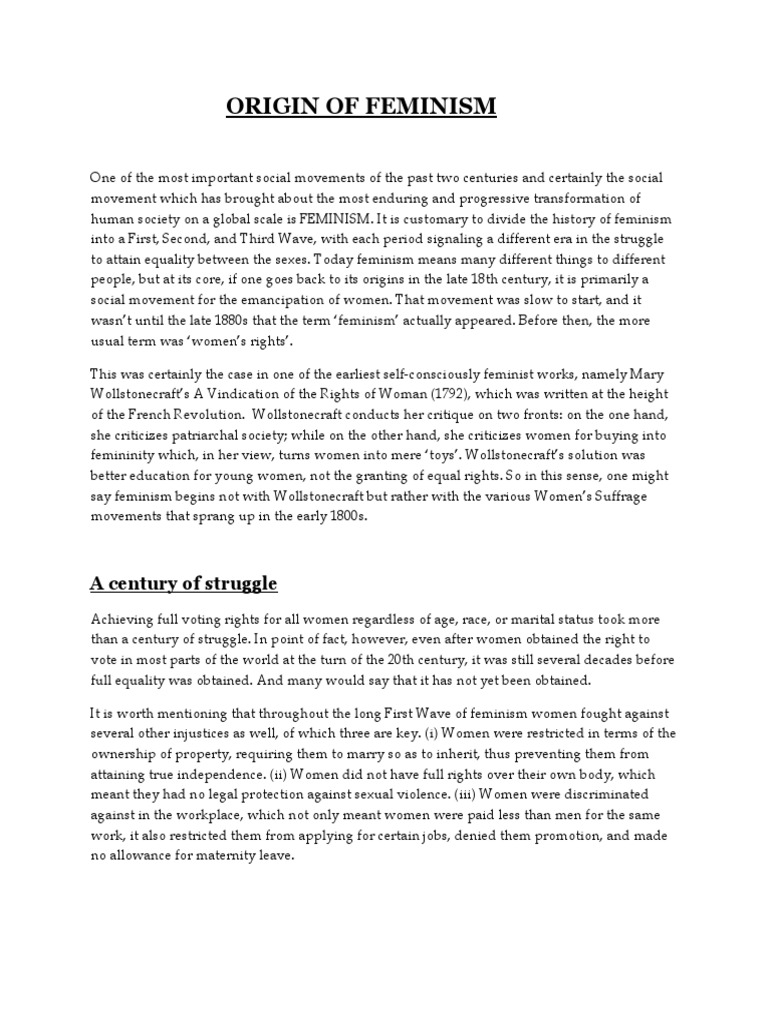
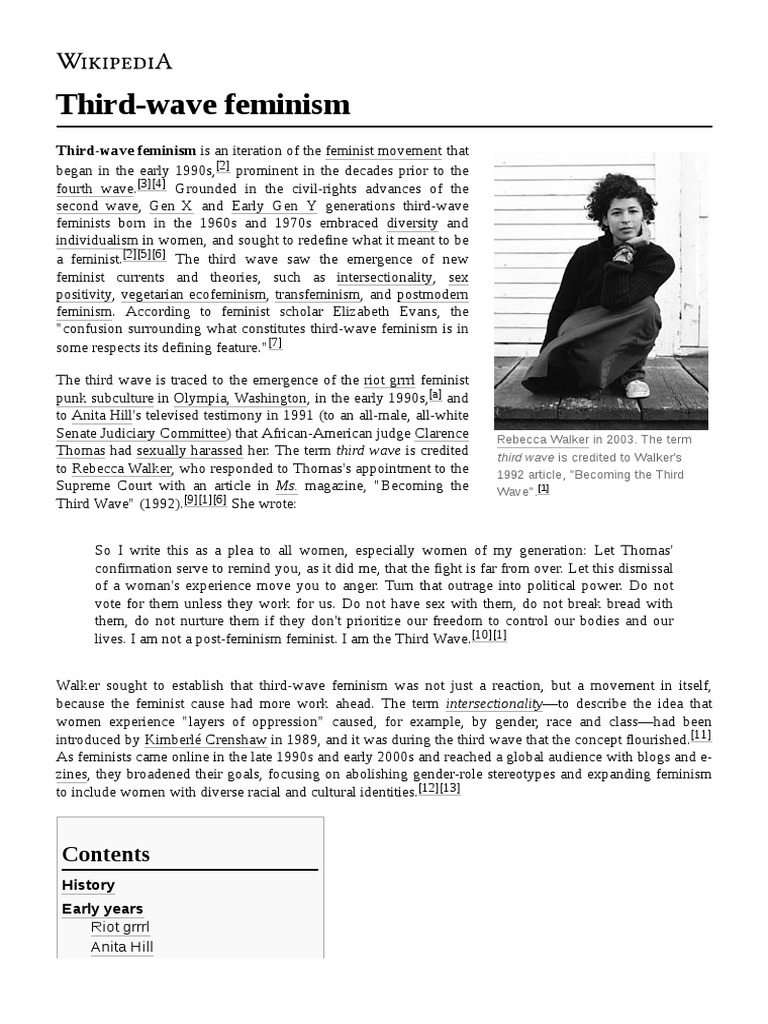
Furthermore, the “feminism is only for privileged white women” critique. This one stings a little more because there’s a kernel of truth embedded within the hyperbole. Historically, mainstream feminism has indeed been dominated by white, middle-class voices, often marginalizing the concerns of women of color, queer women, and women from lower socioeconomic backgrounds. This is a valid concern. Intersectionality, a concept crucial to modern feminist discourse, acknowledges that gender oppression intersects with other forms of oppression, such as race, class, and sexual orientation.
The challenge, then, isn’t to abandon feminism altogether, but to actively dismantle its internal biases and ensure that it becomes a truly inclusive movement. This requires amplifying the voices of marginalized women, challenging systemic inequalities within feminist organizations, and actively working to decolonize feminist thought. It’s a constant process of self-reflection and course correction, a demanding task that some find too arduous, preferring instead to lob grenades from the sidelines.
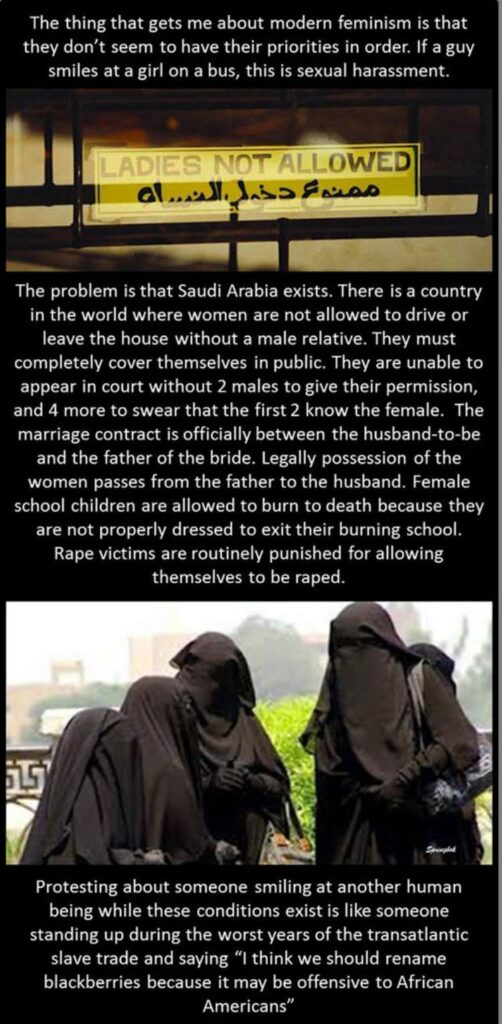
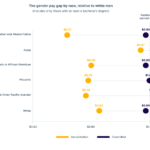
Another common barb hurled at feminism is the “feminism is irrelevant” argument. These naysayers contend that women have achieved equality and that feminism is therefore an anachronistic relic of a bygone era. This claim is patently false. While progress has undoubtedly been made, systemic inequalities persist across various domains. The gender pay gap stubbornly refuses to close. Women are still underrepresented in leadership positions across industries. Sexual harassment and assault remain pervasive problems.
Furthermore, the insidious normalization of gender stereotypes continues to limit opportunities for both men and women. From the toys we give our children to the career paths we encourage them to pursue, gendered expectations subtly shape our lives, limiting our potential and perpetuating inequality. To declare feminism irrelevant in the face of these persistent realities is either willful ignorance or outright malice.
Consider the relentless pressure placed upon women to conform to unrealistic beauty standards. The diet industry, the cosmetic surgery industry, and the fashion industry all profit from women’s insecurities. This societal obsession with female appearance not only harms women’s mental and physical health but also distracts from their intellectual and professional achievements. Feminism, therefore, remains essential in challenging these oppressive beauty standards and advocating for a more inclusive and accepting society.
Then, there’s the “feminism destroys traditional values” accusation. This argument often invokes a nostalgic fantasy of a simpler time when gender roles were clearly defined and everyone knew their place. (Read: when women were subservient and men held all the power.) The insinuation is that feminism undermines the traditional family structure, promotes promiscuity, and weakens the moral fabric of society. This is a textbook example of fear-mongering.
Feminism doesn’t seek to destroy traditional values; it seeks to redefine them. It challenges the notion that women’s primary role is to be wives and mothers, advocating for women to have the freedom to choose their own paths, whether that involves pursuing a career, starting a family, or both. It challenges the idea that men must be stoic and emotionally repressed, encouraging them to embrace vulnerability and express their feelings openly. In essence, feminism strives to create a society where individuals are free to live authentically, regardless of their gender.
Let’s also address the frequently touted claim that “feminists are humorless.” A charming stereotype, perpetuating the image of the perpetually angry, perpetually offended feminist. It’s a lazy trope, designed to dismiss feminist concerns as overly sensitive and lacking perspective. Of course, humor is subjective. What one person finds funny, another may find offensive. But to suggest that feminists, as a group, lack a sense of humor is patently absurd. Many feminists use humor as a powerful tool for social commentary, satire, and resistance. Think of the biting wit of Margaret Atwood or the hilarious observations of Tina Fey. Feminism doesn’t preclude humor; it often enhances it by providing a lens through which to critique societal absurdities.
And finally, the ubiquitous “not all men” defense. Whenever feminist issues are raised, some men inevitably chime in with the assertion that “not all men” are sexist or perpetuate violence against women. While this statement is undoubtedly true (statistically, most men are *not* rapists), it misses the point entirely. The focus should not be on absolving individual men of blame but on addressing the systemic factors that contribute to gender inequality and violence. The “not all men” defense serves to deflect attention from these larger issues and silence feminist voices.
It’s a linguistic maneuver, a strategic retreat into personal innocence when collective accountability is demanded. It shifts the conversation from structural problems to individual character, a cunning distraction. The goal isn’t to indict every man, but to dismantle the structures that enable and perpetuate harmful behaviors, regardless of whether “all men” participate in them. This deflection is a symptom of a deeper resistance to confronting uncomfortable truths about societal power dynamics.
In conclusion, the criticisms leveled against feminism are often based on misinformation, misrepresentation, and a fundamental misunderstanding of its goals. While feminism is not without its flaws and internal contradictions, it remains a vital force for social justice and equality. Dismissing it as irrelevant or harmful is not only intellectually lazy but also deeply irresponsible. So, the next time you encounter someone railing against feminism, don’t just dismiss them. Engage them. Challenge their assumptions. Demand evidence for their claims. And, perhaps, just perhaps, you might help them to see the world through a more equitable lens. Or, more likely, they’ll just double down on their pre-conceived notions. But at least you tried. Because the alternative – silence – is complicity.






Leave a Comment