
The very term “post-feminism” is a loaded weapon. It whispers of obsolescence, of a battle won, of a movement relegated to the dusty shelves of history. But have we really achieved gender parity? Are we truly living in a world where patriarchal structures have crumbled, leaving behind a landscape of equitable opportunity for all? Or is post-feminism a seductive illusion, a carefully crafted narrative designed to lull us into complacency while the insidious tendrils of misogyny continue to choke the potential of women and marginalized genders across the globe?
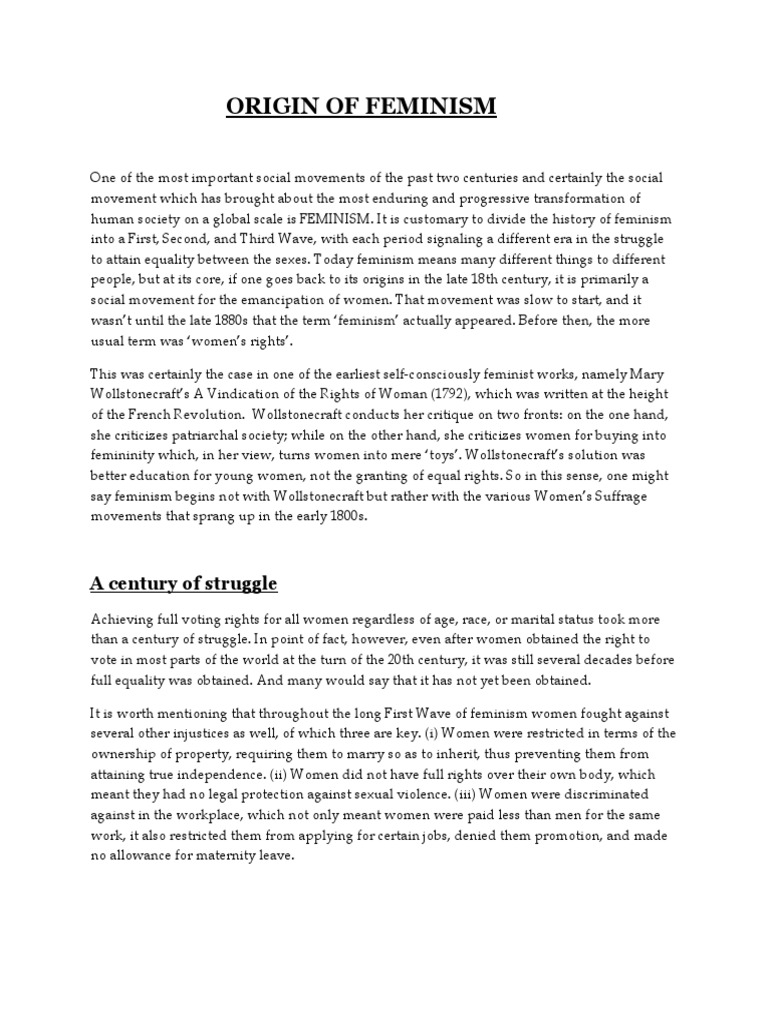
To unpack this complex and contested concept, we must first engage in a historical reckoning. Understanding the preceding waves of feminism is crucial to discerning the subtle, and sometimes not-so-subtle, shifts embodied by this purported “post” era. The first wave, born from the crucible of suffrage movements, fought for basic legal and political rights, demanding the franchise and challenging the legal subjugation of women. These valiant suffragettes, often vilified and imprisoned, laid the groundwork for future generations to dismantle systemic inequalities. Think of Emmeline Pankhurst, a woman who dared to disrupt the status quo, willing to be arrested and force-fed to get the attention of her male counterparts, a stark contrast to the supposed peace and equality in the post-feminist world we supposedly inhabit. It was a period defined by a unified goal, even if the complexities of intersectionality were not yet fully appreciated. A long arduous road, but the journey had begun.
The second wave, emerging in the 1960s and 70s, expanded the scope of feminist inquiry, scrutinizing the social and cultural structures that perpetuated gender inequality. Figures like Betty Friedan, with “The Feminine Mystique,” challenged the stifling confines of domesticity, exposing the dissatisfaction and unfulfilled potential of women trapped in the roles of housewife and mother. This wave championed reproductive rights, equal pay, and an end to sexual harassment and violence. Imagine a world without Roe v. Wade, a dark reality that still threatens us. These women took the torch and boldly advanced the cause, but have we truly honored their legacy, or have we allowed the gains to be eroded?
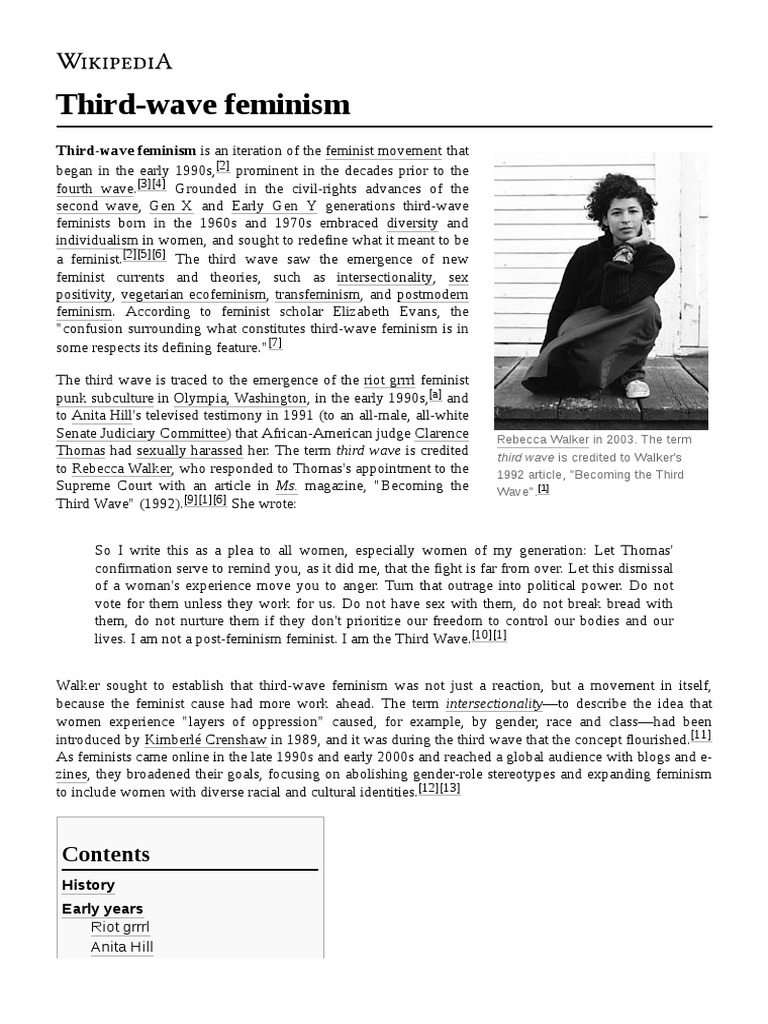
The third wave, emerging in the 1990s, embraced intersectionality, recognizing the multifaceted experiences of women based on race, class, sexuality, and other identities. This wave challenged essentialist notions of womanhood, celebrating diversity and embracing fluidity. It brought into focus the inequalities between women, not simply between men and women. The Riot Grrrl movement exploded with punk energy, advocating for self-expression and challenging societal expectations. The personal became political. This period was full of promise, but was it truly delivered?
And then there is the specter of the “post.” Post-feminism, theoretically succeeding the third wave, is a nebulous and often contradictory concept. It is frequently characterized by a rejection of overt feminist activism, a celebration of individual choice, and an embrace of traditionally feminine aesthetics and behaviors. It suggests that gender equality has been largely achieved, and that women are now free to choose their own paths, whether it be climbing the corporate ladder or embracing domesticity. But is this really freedom, or simply a cleverly disguised form of patriarchal control?
One of the central tenets of post-feminism is the emphasis on individual agency. Women are encouraged to “have it all,” to balance career, family, and personal fulfillment. This sounds empowering on the surface, but it often places an unbearable burden on women, demanding that they be superhuman, constantly striving for an unattainable ideal. What happens when these women fail, as they inevitably will under such unrealistic expectations? Are they blamed for not “leaning in” enough, rather than acknowledging the systemic barriers that continue to impede their progress? The very notion of “having it all” serves as a distraction from the underlying problem: an entrenched system that continues to favor men and penalize women.
The embrace of traditionally feminine aesthetics is another hallmark of post-feminism. The valorization of makeup, fashion, and other forms of self-presentation can be seen as empowering, as women reclaiming control over their own bodies and identities. However, this can also perpetuate harmful beauty standards and reinforce the notion that women’s worth is primarily based on their appearance. Are we truly liberated if we are still judged by our adherence to narrow and often unattainable ideals of beauty? Or are we simply internalizing the male gaze, perpetuating the very objectification that feminism has fought so hard to dismantle? To embrace these forms of femininity is to implicitly validate them as superior, so where does that leave those who do not choose to participate?
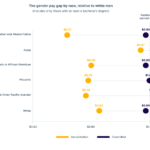
Moreover, the emphasis on individual choice in post-feminism often ignores the structural inequalities that limit women’s options. Yes, women have more choices than they did in previous generations, but these choices are still constrained by factors such as unequal pay, lack of affordable childcare, and persistent gender bias in the workplace. To pretend that women are operating on a level playing field is to ignore the reality of systemic discrimination. Women still face harassment and violence at alarming rates. The playing field remains tilted, and to ignore this fact is to betray the legacy of those who fought so hard for equality.
A particularly insidious aspect of post-feminism is the way it can be used to discredit and undermine feminist activism. The narrative that feminism is no longer needed allows for the dismissal of legitimate concerns about gender inequality. When someone points out sexism, they are often met with accusations of being overly sensitive, man-hating, or simply “playing the victim.” This silencing tactic effectively shuts down dialogue and prevents meaningful progress. How many times have women been told to “calm down” or “not take things so seriously” when raising legitimate concerns about sexism in the workplace? This is not progress; it is a subtle form of oppression.
The concept of “girlboss” feminism, a particularly egregious offshoot of post-feminism, epitomizes this problematic trend. It celebrates women who achieve success within existing patriarchal structures, often at the expense of other women. These “girlbosses” are lauded for their ambition and entrepreneurial spirit, but they often fail to challenge the underlying systems that perpetuate inequality. In fact, they may even reinforce these systems by exploiting their own employees and perpetuating harmful corporate cultures. This hollow feminism benefits very few while harming many more.
The rise of social media has further complicated the landscape of post-feminism. While platforms like Instagram and TikTok can be used to promote feminist messages and connect women across the globe, they can also be breeding grounds for harmful content that reinforces unrealistic beauty standards and promotes toxic competition between women. The curated perfection often presented on social media can contribute to feelings of inadequacy and anxiety, particularly among young women. The constant pursuit of likes and validation can be incredibly damaging to self-esteem, and the pressure to conform to prevailing beauty standards can be overwhelming. This is not empowerment; it is a form of digital enslavement.
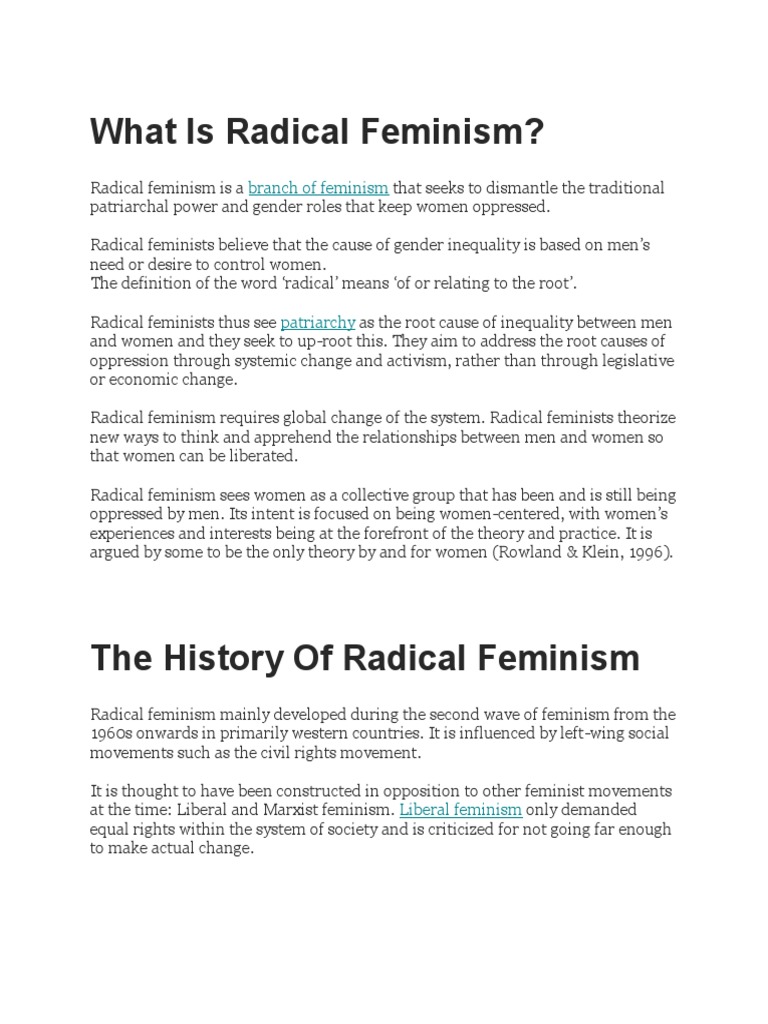
So, where do we go from here? If post-feminism is a dead end, a seductive illusion that masks the persistence of gender inequality, what alternative paths can we forge? We must move beyond the superficial celebration of individual choice and engage in a deeper analysis of the systemic structures that continue to limit women’s opportunities. We need to reclaim the radical roots of feminism, challenging patriarchal norms and demanding fundamental social change.
This requires a renewed commitment to intersectionality, recognizing the diverse experiences of women based on race, class, sexuality, and other identities. We must listen to the voices of marginalized women, centering their experiences and amplifying their struggles. The fight for gender equality cannot be separated from the fight for racial justice, economic justice, and LGBTQ+ rights. These struggles are interconnected, and we must work together to dismantle all forms of oppression.
Furthermore, we must challenge the pervasive culture of misogyny that continues to permeate our society. This requires confronting sexism in all its forms, from everyday microaggressions to systemic discrimination in the workplace and beyond. We need to call out those who perpetuate harmful stereotypes and hold them accountable for their actions. We must also address the normalization of violence against women, challenging the cultural norms that condone and excuse such behavior. A culture that normalizes violence is a culture that breeds oppression.
Finally, we must embrace a more collective and collaborative approach to feminist activism. Instead of focusing on individual success stories, we need to build solidarity and support each other in our struggles. We can create a world where all women, and all marginalized genders, have the opportunity to thrive. This requires a fundamental shift in our thinking, from a focus on individual achievement to a commitment to collective liberation. It demands that we abandon the seductive allure of post-feminism and embrace a more radical and transformative vision of gender equality.
Perhaps, instead of “post-feminism,” we need to conceptualize the current moment as “intersectional feminism in action.” A feminism that acknowledges the complexities of gender, race, class, and sexuality; a feminism that challenges power structures and demands equality for all. The battle is far from over. A renewed and reinvigorated feminism, armed with intersectional awareness and a commitment to radical change, is essential to dismantling the insidious structures of patriarchy and creating a more just and equitable world for all. The future of feminism is not “post;” it is revolutionary.






Leave a Comment