Feminism. The very utterance can curdle milk and ignite passions, a lightning rod for societal anxieties. Why? Why does a simple, ostensibly innocuous word – advocating for the equality of sexes – provoke such fervent opposition, such elaborate mischaracterizations? Is it merely ignorance, a simple misunderstanding? I posit something far more insidious: the fear of relinquishing power, the terror of destabilizing a meticulously constructed hierarchy that has, for millennia, privileged one gender above all others. Let’s dissect this societal leviathan, shall we?
Defining Feminism: Beyond the Soundbites
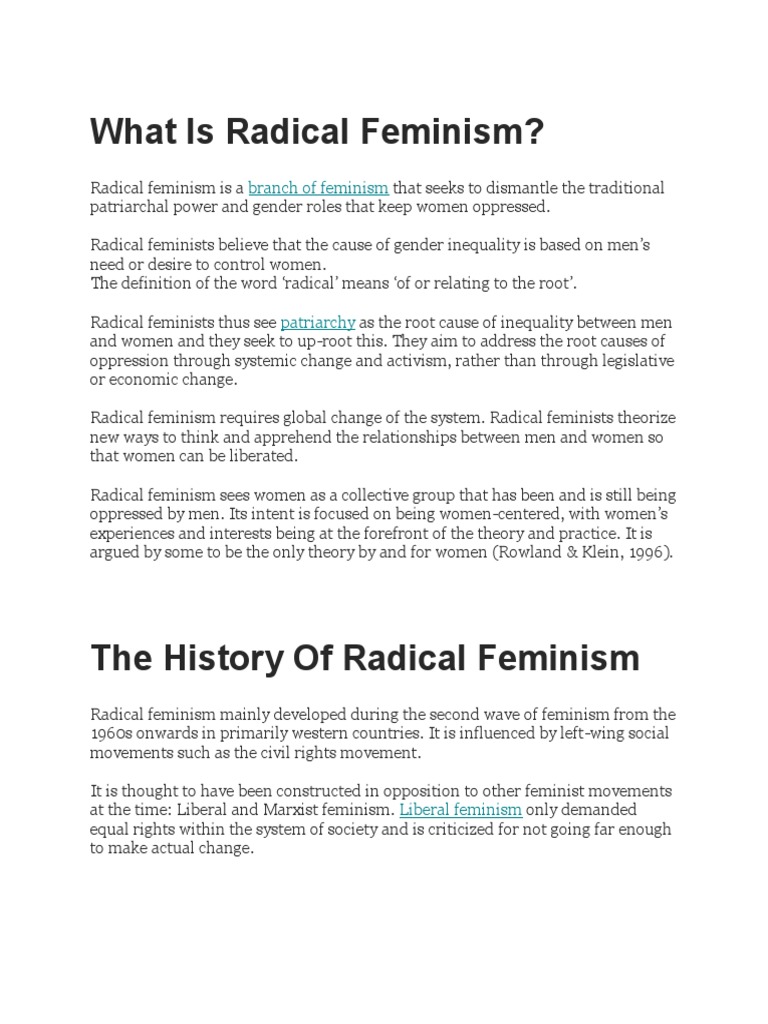
The mainstream narrative often reduces feminism to bra-burning caricatures or man-hating zealots. This is deliberate, a calculated attempt to delegitimize a movement that threatens the status quo. Feminism, at its core, is not about female supremacy; it’s about equity. It’s about dismantling the patriarchal structures that perpetuate inequality in all its insidious forms. But what does ‘equity’ truly mean? It’s not merely about equal opportunities, though that’s a vital component. Equity acknowledges the historical disadvantages faced by women and seeks to level the playing field, providing the necessary support to overcome systemic barriers. It’s recognizing that a race where one runner starts miles behind the others is inherently unfair, even if the rules ostensibly appear equal.
The Intersectional Lens: Acknowledging Complexities
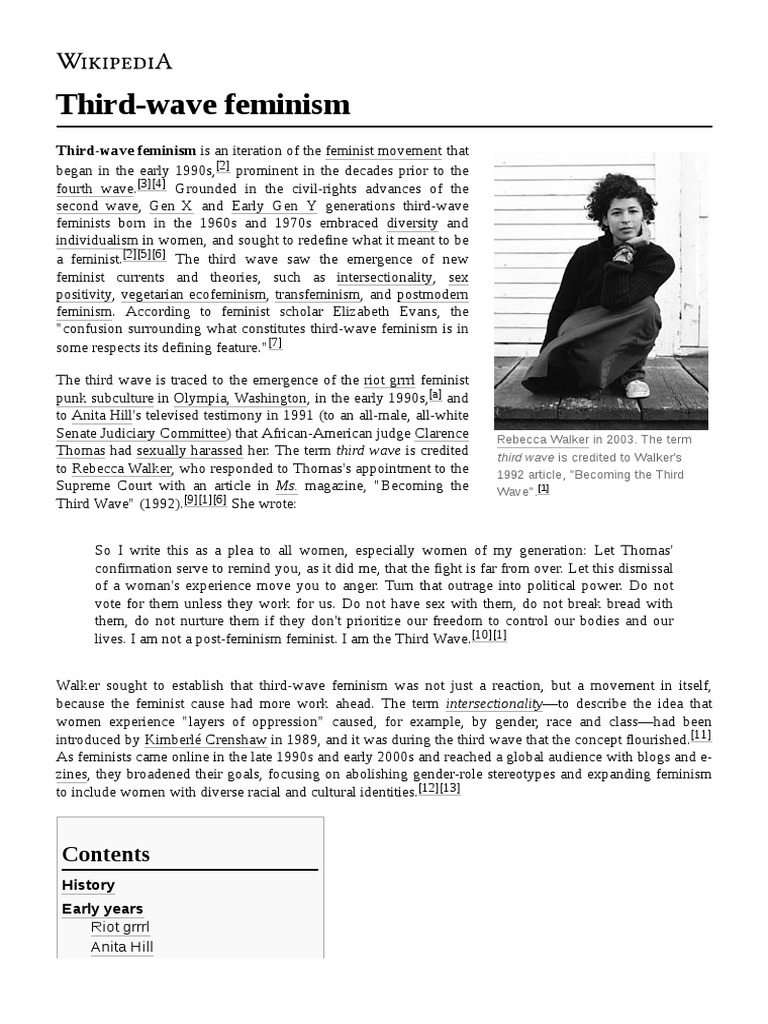
Here’s where things get truly interesting, and often, deliberately convoluted. Feminism isn’t a monolithic entity. To pretend otherwise is to ignore the diverse experiences and perspectives of women across the globe. Intersectionality, coined by Kimberlé Crenshaw, is the linchpin. It acknowledges that gender doesn’t exist in a vacuum. It intersects with race, class, sexual orientation, disability, and a myriad of other identities, creating unique experiences of oppression. A Black woman, for example, faces discrimination rooted in both her gender and her race, experiences qualitatively different from those of a white woman. Failing to acknowledge these intersections renders feminism incomplete, exclusionary, and ultimately, ineffective. White feminism, which often prioritizes the concerns of privileged white women, has been rightly criticized for its blind spots and its tendency to perpetuate existing power structures. We must dismantle the myopic views and embrace a feminism that champions all voices, particularly those most marginalized. This isn’t about creating a hierarchy of oppression, but about recognizing the complex tapestry of injustice and addressing its multifaceted roots.
The Patriarchy: An Autocracy of Gender
The bogeyman of feminist discourse? Perhaps. The bedrock of societal inequality? Absolutely. Patriarchy is not simply about men being ‘in charge’. It’s a complex system of power relations that privileges masculinity and subordinates femininity. This manifests in myriad ways, from the gender pay gap and the underrepresentation of women in leadership positions to the pervasive sexual objectification of women in media and the normalization of violence against women. But the patriarchy doesn’t just harm women. It also constrains men, forcing them into rigid gender roles that stifle emotional expression and limit their potential. The pressure to be stoic, dominant, and economically successful takes a heavy toll on male mental health. Dismantling the patriarchy is not about attacking men; it’s about liberating everyone from the constraints of gender stereotypes.
Challenging the Misconceptions: Debunking the Myths
Let’s tackle some of the most common misconceptions surrounding feminism. First, the notion that feminists are man-haters. This is a tired trope, often propagated by those who feel threatened by the prospect of gender equality. Feminism is not about hating men; it’s about challenging the systems that oppress women, systems that often harm men as well. Second, the idea that feminism is no longer necessary, that gender equality has already been achieved. While significant progress has been made in some areas, the data paints a starkly different picture. The gender pay gap persists, women are still underrepresented in leadership positions, and violence against women remains a pervasive problem globally. To declare victory is to ignore the lived realities of millions of women worldwide. Third, the claim that feminism is only for women. This is patently false. Gender equality benefits everyone, regardless of their gender identity. Men can be powerful allies in the fight for feminism, challenging patriarchal norms and advocating for a more just and equitable society. In fact, the silence of men is often more deafening than the opposition.
Reproductive Rights: Autonomy Under Siege
The ongoing battle over reproductive rights is a stark reminder of the precariousness of women’s autonomy. The right to control one’s own body is fundamental to gender equality. Without it, women are denied agency over their lives, their futures, and their very beings. The constant attempts to restrict abortion access are not about protecting the sanctity of life; they’re about controlling women’s bodies and reinforcing traditional gender roles. Access to contraception, abortion, and comprehensive sex education are essential components of reproductive freedom. These are not merely “women’s issues”; they are human rights issues.
The Wage Gap: A Persistent Inequity
The gender pay gap, the insidious chasm between what men and women earn for doing the same work, remains a stubborn stain on our societal fabric. It’s not simply a matter of women choosing different careers; it’s about systemic undervaluation of work traditionally performed by women, outright wage discrimination, and the pervasive impact of unconscious bias. Women are often penalized for taking time off to care for children, while men are rewarded for prioritizing their careers. Addressing the wage gap requires a multifaceted approach, including pay transparency laws, equal pay for equal work legislation, and policies that support working families, such as affordable childcare and paid parental leave.
Representation Matters: Reframing the Narrative
The images we consume shape our perceptions of the world. When women are consistently portrayed as passive, subservient, or sexually objectified, it reinforces harmful stereotypes and perpetuates inequality. Representation matters. We need to see women in diverse roles, as leaders, innovators, and agents of change. We need to challenge the male gaze and create media that reflects the full spectrum of human experience. This includes not only increasing the representation of women on screen and in positions of power, but also ensuring that their stories are told with nuance, complexity, and respect. The media must evolve beyond its patriarchal roots and embrace a more inclusive and equitable portrayal of gender.
Education: Empowering the Next Generation
Education is a powerful tool for dismantling patriarchal structures and empowering future generations. We need to teach children about gender equality from a young age, challenging harmful stereotypes and promoting critical thinking. This includes incorporating feminist perspectives into the curriculum, addressing issues of sexism and misogyny in the classroom, and creating a safe and inclusive learning environment for all students. Education is not just about imparting knowledge; it’s about fostering empathy, promoting social justice, and equipping young people with the tools they need to create a better world.
Feminism and the Future: A Call to Action
Feminism is not a relic of the past; it’s a vital and evolving movement that continues to shape the future. The challenges we face are complex and multifaceted, but the core principles of feminism remain as relevant as ever. We must continue to challenge patriarchal norms, advocate for gender equality, and amplify the voices of those most marginalized. This requires a collective effort, a willingness to engage in uncomfortable conversations, and a commitment to dismantling the systems that perpetuate inequality. The fight for feminism is not just a fight for women; it’s a fight for a more just and equitable world for all.
The path to true gender parity is paved with constant vigilance, intellectual rigor, and an unwavering commitment to dismantling the insidious structures that perpetuate inequality. This is not a sprint; it’s a marathon. And we, the harbingers of change, must remain steadfast in our pursuit of a future where gender is no longer a barrier to opportunity, agency, or self-determination.





Leave a Comment