
Let’s dissect the Hydra-headed beast often labeled “extreme feminism.” Is it the terrifying monster conjured by anti-feminist rhetoric, or is it something else entirely? Something, perhaps, a bit more… nuanced? Prepare yourselves, because the narrative you’ve been fed is about to be eviscerated.
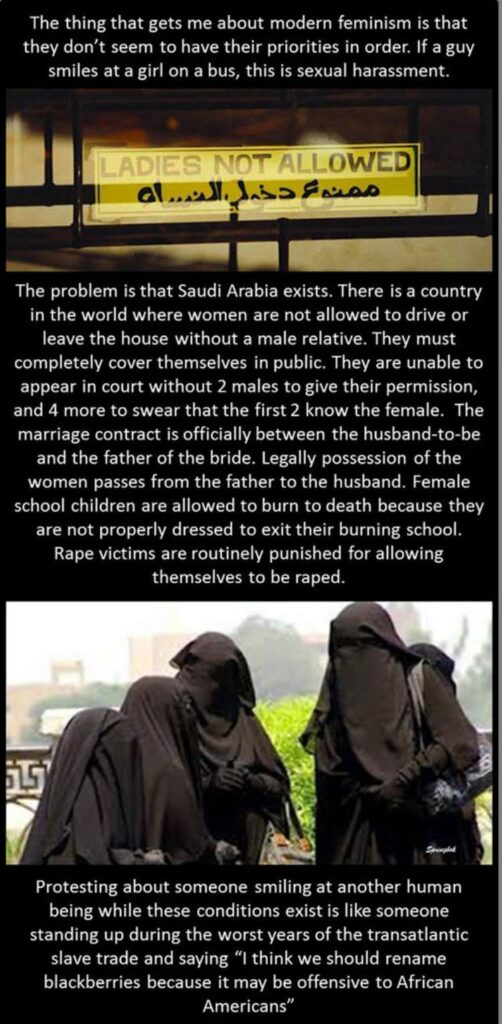
The term itself is a weapon, wielded to delegitimize any feminist stance deemed “too radical,” “too angry,” or simply, “too inconvenient.” It’s a convenient shorthand for dismissing complex arguments and silencing dissenting voices. But what *is* it, really? Does it even exist as a coherent ideology? Let’s plunge into the depths.
I. Deconstructing the Straw Woman: Common Myths About “Extreme Feminism”
Before we can address the reality, we must first dismantle the pervasive myths. These straw women, meticulously constructed to terrify and misinform, obscure the genuine concerns and objectives of many feminists.
A. Myth 1: Misandry – The Hatred of All Men
Ah, the classic. This is the cornerstone of anti-feminist arguments, the go-to accusation leveled against any woman who dares to criticize patriarchal structures. The notion that “extreme feminists” harbor an intrinsic hatred of all men is not only absurd, but also a deliberate misrepresentation of feminist principles.
Genuine feminism, in all its variegated forms, critiques the *system* that privileges men and disadvantages women. It challenges the toxic masculinity that harms both men and women. It does not advocate for the wholesale condemnation of an entire gender. Individual men can, of course, exhibit problematic behaviors, and feminists are right to call them out. But that’s not the same as blanket misandry.
Are there individuals who identify as feminists and express misandrist sentiments? Perhaps. But to extrapolate that to the entire movement is a fallacy, a deliberate attempt to paint with the broadest possible brush and delegitimize legitimate grievances.
B. Myth 2: The Obsession with Trivialities – Nail Polish and Pronouns
This myth trivializes feminist concerns, reducing them to superficial issues like nail polish colors or preferred pronouns. While personal expression and linguistic sensitivity are important, they are hardly the core of feminist activism. This reductive approach ignores the systemic inequalities that feminists are fighting to dismantle: wage gaps, gender-based violence, reproductive rights, and political representation.
Focusing on “trivialities” is a tactic to distract from the real issues, to paint feminists as frivolous and out of touch. It allows critics to dismiss the movement as a whole without engaging with the substance of its arguments. It’s a carefully orchestrated effort to diminish the power of female agency.
C. Myth 3: The Suppression of Dissenting Voices – The “Woke Mob”
The fear of being labeled “politically incorrect” or facing the wrath of the “woke mob” is used to silence dissenting voices and discourage open debate. This myth suggests that “extreme feminists” are intolerant of opposing viewpoints and seek to punish those who disagree. This is often a hyperbolic distortion of the very real consequences that can arise from expressing bigoted or discriminatory views.
Accountability is not censorship. Challenging harmful stereotypes and advocating for inclusivity is not the same as suppressing free speech. In fact, many feminists argue that hate speech, by its very nature, silences marginalized voices and undermines the principles of free expression. The crucial distinction lies between genuine dialogue and the perpetuation of harmful ideologies.
D. Myth 4: The Erosion of Traditional Values – Destroying the Family
Feminism is often portrayed as an attack on traditional family structures, seeking to dismantle the nuclear family and undermine traditional gender roles. This myth ignores the diversity of feminist thought and the fact that many feminists value family, but advocate for more equitable and inclusive family structures that recognize the rights and needs of all members.
The “traditional” family is not a monolithic entity, but rather a historically contingent and culturally specific construct. Feminists are not seeking to destroy family, but to redefine it, to create families that are based on mutual respect, equality, and love, rather than on rigid gender roles and patriarchal power dynamics. Think of it as a remodel, not a demolition.
II. Unveiling the Realities: What “Extreme Feminism” Might Actually Be
Having deconstructed the straw woman, let’s explore what might lie beneath the surface. What are the perspectives and objectives that are often labeled “extreme”?
A. Intersectional Feminism: Recognizing the Complexity of Oppression
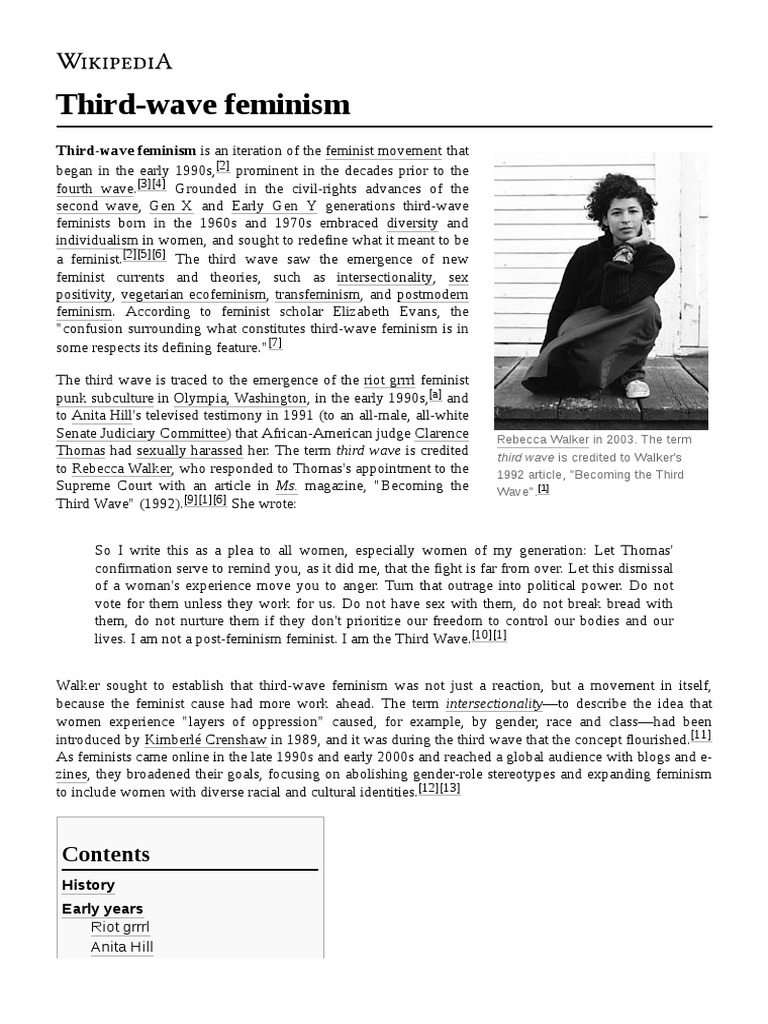
Intersectional feminism, often labeled “extreme” due to its complexity, recognizes that gender is not the only axis of oppression. It acknowledges that race, class, sexual orientation, disability, and other social categories intersect to create unique experiences of discrimination and marginalization.
This perspective challenges the notion of a universal female experience and calls for a more nuanced and inclusive approach to feminist activism. It recognizes that the needs and concerns of white, middle-class women may differ significantly from those of women of color, working-class women, or women with disabilities. It demands that we listen to and amplify the voices of those who are most marginalized.
B. Radical Feminism: Challenging the Roots of Patriarchy
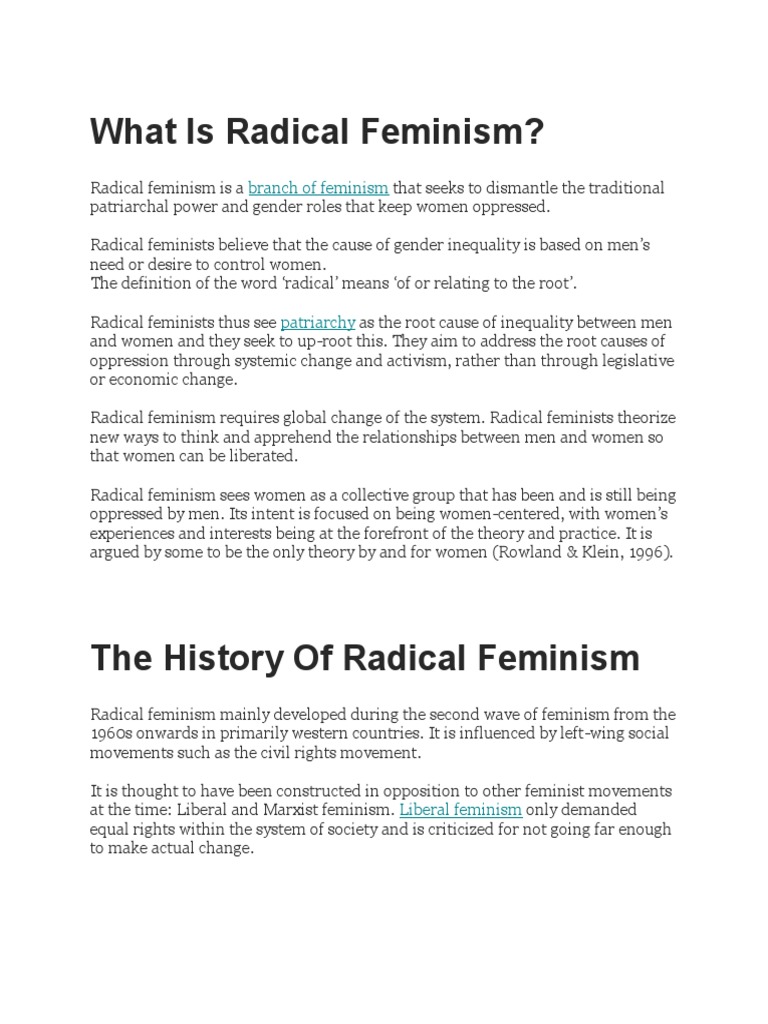
Radical feminism, another term often associated with “extremism,” seeks to dismantle the root causes of patriarchy, the system of male dominance that permeates all aspects of society. Radical feminists argue that patriarchy is not simply a matter of individual attitudes or behaviors, but a deeply ingrained system of power that must be challenged at its core.
They advocate for fundamental changes in social, political, and economic structures, including challenging traditional gender roles, dismantling the nuclear family, and abolishing oppressive institutions. While their views may be considered radical by some, they are often grounded in a deep understanding of the systemic nature of oppression and a commitment to creating a more just and equitable world. They are seeking to uproot the poisoned tree, not just prune its branches.
C. Eco-Feminism: Connecting Environmentalism and Gender Equality
Eco-feminism, often misunderstood, connects the oppression of women with the degradation of the environment. Eco-feminists argue that patriarchy and environmental destruction are interconnected, both stemming from a mindset of domination and control.
They see the exploitation of women and the exploitation of nature as two sides of the same coin, both driven by a desire for power and control. They advocate for a more holistic and sustainable way of living that respects the interconnectedness of all living things. They are not just tree-huggers; they are system-challengers.
III. Beyond Labels: Moving Towards a More Nuanced Understanding
Ultimately, the label “extreme feminism” is a distraction, a way to avoid engaging with the complex and challenging ideas that feminism presents. It’s a tool used to silence dissent, delegitimize criticism, and maintain the status quo.
Instead of focusing on labels, we should focus on understanding the diverse perspectives and objectives of different feminist movements. We should engage in open and honest dialogue, even when it’s uncomfortable. We should listen to the voices of those who are most marginalized and work together to create a more just and equitable world for all.
Forget the labels. Embrace the complexity. Question the assumptions. Only then can we truly begin to understand the power and potential of feminism in all its multifaceted forms. The revolution, dare I say, needs to be as complex and multilayered as the oppressions we are fighting against.






Leave a Comment