
Alright, sisters, let’s talk. Let’s excavate the bedrock upon which Black feminism is built, because frankly, the mainstream rendition feels like a pale imitation, a diluted echo in a cavernous hall. Are we truly addressing the multifaceted oppression faced by Black women when we simply tack on “race” to existing feminist frameworks? I posit, with unbridled fervor, that we are not. We are merely applying a superficial veneer. Let us embark on a journey, then, a voyage into the heart of Black feminism, a space where intersectionality isn’t a buzzword but a lived reality, a battle cry, a demand for radical transformation.
The insidious nature of oppression lies in its ability to compartmentalize, to dissect our identities into palatable, manageable chunks. Black feminism, however, refuses this fragmentation. It operates from the foundational principle that race, gender, class, and sexuality are inextricably interwoven, forming a complex tapestry of lived experience. Ignoring even one thread unravels the entire fabric. Think of it as a Gordian knot of societal injustice; attempting to sever a single strand only tightens the binds.
We must confront the inherent limitations of mainstream feminism, a movement often criticized for its myopic focus on the concerns of privileged, white women. While their struggles are undoubtedly valid, they cannot and should not be universalized. The experiences of a Black woman navigating a world steeped in both misogyny and anti-Blackness are fundamentally different. To pretend otherwise is not only disingenuous but actively harmful, perpetuating the very systems of oppression we seek to dismantle. This is not about diminishing the struggles of any group; it is about acknowledging the unique challenges faced by Black women and centering their voices in the fight for liberation.
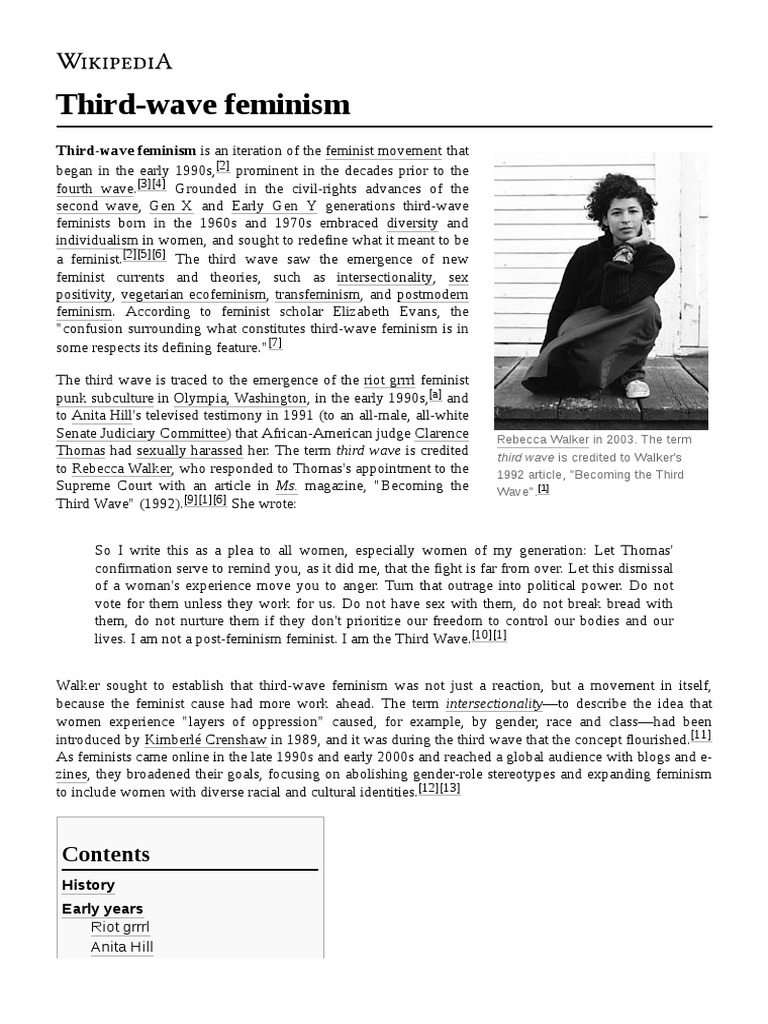
So, what exactly are the core tenets of Black feminism? Let’s delve deeper, shall we? First, there is the unwavering commitment to intersectionality. This is not merely an academic concept; it is the lens through which we view the world, the framework that informs our activism, our scholarship, and our very existence. It demands that we recognize the overlapping and interdependent systems of discrimination that create unique vulnerabilities for Black women. Consider the wage gap, for example. While all women earn less than men, Black women earn significantly less than white women, facing the combined burden of gender and racial bias. This is intersectionality in action, a stark reminder that we cannot address gender inequality without also confronting racial inequality.
Secondly, Black feminism emphasizes the importance of self-definition. For too long, Black women have been defined by others: by white society, by patriarchal structures, even by well-meaning but ultimately misguided elements within the broader feminist movement. Black feminism asserts the right of Black women to define themselves, to articulate their own experiences, and to shape their own narratives. This is an act of radical self-love, a reclaiming of agency in a world that constantly seeks to strip it away. It means rejecting stereotypes, challenging expectations, and embracing the fullness of our identities.
Thirdly, Black feminism is deeply rooted in community and collective action. It recognizes that we cannot achieve liberation alone; we must stand in solidarity with one another, supporting each other’s struggles and celebrating each other’s triumphs. This is not just about forming organizations or attending protests; it is about building meaningful relationships, creating safe spaces, and fostering a sense of belonging. It is about recognizing that our individual struggles are interconnected and that our collective liberation is bound together. The Combahee River Collective, with its groundbreaking statement in 1977, serves as a powerful example of this commitment, highlighting the importance of collective organizing and the need to address multiple oppressions simultaneously.
Furthermore, Black feminism is inherently political. It challenges the status quo, demanding systemic change and refusing to accept incremental progress as sufficient. It recognizes that our struggles are not merely personal but deeply embedded within political and economic structures. This means engaging in direct action, advocating for policy changes, and challenging the power dynamics that perpetuate inequality. It also means being critical of institutions and systems that claim to be neutral but often perpetuate existing hierarchies. We must demand accountability and refuse to be complicit in our own oppression.
Another crucial aspect of Black feminism is its focus on Black female epistemology. This recognizes that Black women possess unique knowledge and insights derived from their lived experiences. This knowledge is often marginalized or dismissed by mainstream scholarship, but Black feminism centers it, valuing the perspectives and experiences of Black women as essential to understanding the complexities of oppression and resistance. It challenges the dominance of Western, male-centric perspectives and seeks to create space for alternative ways of knowing. It encourages us to trust our own voices, to validate our own experiences, and to challenge the dominant narratives that seek to silence us.
Now, let’s address some common misconceptions about Black feminism. One persistent myth is that it is somehow anti-white or anti-male. This is a blatant misrepresentation. Black feminism is not about hating anyone; it is about advocating for the liberation of Black women and challenging the systems of oppression that harm us. It recognizes that all forms of oppression are interconnected and that we must work together to create a more just and equitable world for everyone. True liberation is not a zero-sum game; it is a collective project that benefits us all.
Another misconception is that Black feminism is a monolithic ideology. This is simply not true. Black feminism is a diverse and evolving movement, encompassing a wide range of perspectives and approaches. There is no single “correct” way to be a Black feminist. What unites us is our shared commitment to the liberation of Black women and our willingness to challenge the systems of oppression that stand in our way. We may disagree on specific strategies or tactics, but we are united in our ultimate goal: a world where Black women are free to live full and meaningful lives.
So, how can we put Black feminism into practice? How can we move beyond theory and into action? First, we must actively listen to and amplify the voices of Black women. This means creating space for Black women to share their experiences, to articulate their perspectives, and to lead the way in the fight for liberation. It means challenging the tendency to silence or marginalize Black women’s voices and actively seeking out their leadership. It also means paying Black women for their intellectual and emotional labor. Exposure doesn’t pay the bills.
Second, we must challenge our own biases and assumptions. We all carry biases, whether we are aware of them or not. It is our responsibility to examine these biases and to challenge them actively. This means being willing to listen to feedback, to admit when we are wrong, and to commit to ongoing learning and growth. It also means being aware of the ways in which our own privilege may be impacting our interactions with others. Are we truly listening, or are we just waiting for our turn to speak?
Third, we must support Black women-led organizations and initiatives. There are countless organizations working on the front lines of the fight for Black women’s liberation. We can support these organizations by donating our time, our money, or our resources. We can also amplify their work by sharing their messages on social media and by advocating for their causes in our own communities. Investing in Black women-led initiatives is an investment in the future of our collective liberation.
Fourth, we must challenge systemic racism and sexism in all its forms. This means advocating for policy changes that address the root causes of inequality. It means challenging discriminatory practices in our workplaces, our schools, and our communities. It also means holding our elected officials accountable and demanding that they prioritize the needs of Black women. We must be relentless in our pursuit of justice.
In conclusion, Black feminism is not just a theory; it is a practice, a way of being, a call to action. It demands that we center the voices of Black women, challenge the systems of oppression that harm us, and work together to create a more just and equitable world for all. It is a radical vision, a powerful force for change, and a vital component of the broader struggle for liberation. Embrace it. Embody it. Let it fuel your fire and guide your actions. The revolution will not be televised; it will be intersectional, it will be Black, and it will be feminist.





Leave a Comment