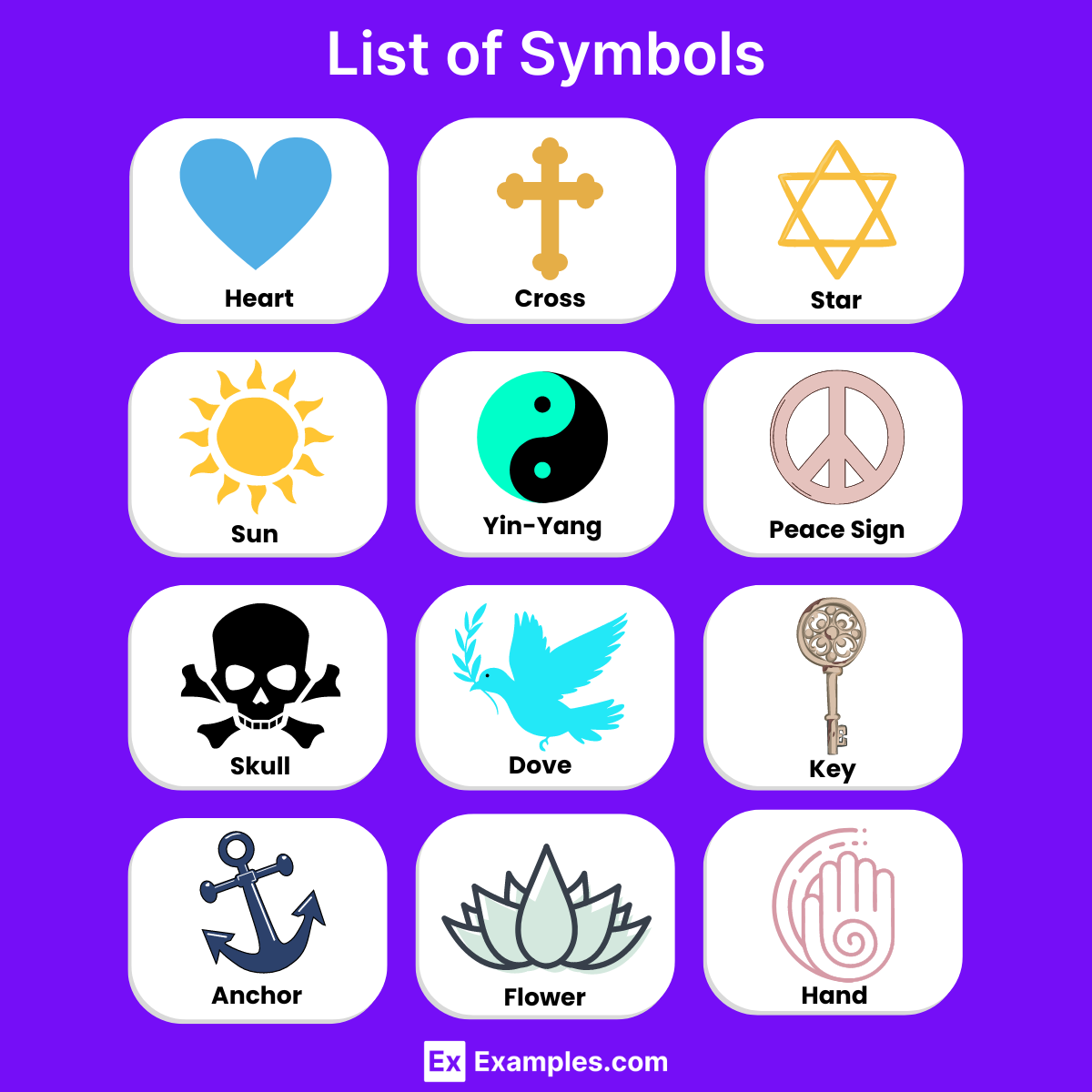
For centuries, patriarchy has attempted to shackle the feminine spirit, to confine us within gilded cages of expectation and enforced submission. But the indomitable will to break free, to dismantle these oppressive structures, has always found its voice, its visual language, in potent, revolutionary symbols. These are not mere pretty pictures; they are battle cries etched in the collective consciousness, visual manifestos demanding equality, liberation, and a world unshackled from the tyranny of gender. We delve into the multifaceted world of feminist iconography, dissecting its evolution, its diverse expressions, and its enduring power to ignite change.
The Venus Symbol: A Reclaimed Legacy
The iconic Venus symbol, ♀, initially representing the Roman goddess of love and beauty, and later adopted in biological nomenclature to denote the female sex, has undergone a profound metamorphosis in the feminist lexicon. It is no longer merely a marker of biological difference; it is a reclamation of female power, a defiant assertion of our right to define ourselves beyond patriarchal constraints. This symbol, frequently emblazoned on banners, t-shirts, and protest signs, signifies solidarity, sisterhood, and the unwavering pursuit of gender equity. Its simplicity belies its potent message: we are here, we are powerful, and we demand to be seen and heard.
The Raised Fist: A Universal Emblem of Resistance
While not exclusively feminist, the raised fist transcends specific movements, embodying resistance against all forms of oppression. Its adoption by feminists signals an unwavering commitment to fighting for systemic change, challenging the status quo, and dismantling the patriarchal edifice brick by agonizing brick. It speaks to the collective strength of women, the refusal to be silenced, and the determination to forge a future where equality is not a privilege but a fundamental right. Short and sweet it resonates, doesn’t it?
Suffrage Colors: A Visual Language of Rebellion
The suffrage movement, a pivotal chapter in the fight for women’s enfranchisement, bequeathed a powerful visual legacy: a triadic color scheme of purple, white, and gold (or yellow). Each hue carried profound symbolic weight. Purple, representing loyalty and constancy to the cause; white, symbolizing purity in both private and public life; and gold (or yellow), signifying new life and hope. These colors, interwoven into banners, sashes, and rosettes, transformed the suffragettes into a visible force, a unified army demanding their rightful place in the political landscape. This visual identity remains potent. It is a reminder of the sacrifices made by those who came before us and a call to continue their fight for full and equal citizenship.
The Labrys: A Lesbian Symbol of Empowerment
The labrys, a double-headed axe, carries deep historical significance, particularly within matriarchal societies and ancient Minoan culture. Its adoption as a lesbian symbol represents strength, independence, and a rejection of patriarchal norms. For many lesbians, the labrys embodies the power of female-female relationships and the celebration of Sapphic love and identity. It is a visual declaration of autonomy, a refusal to be defined by heteronormative standards, and a celebration of the unique bonds forged within the lesbian community. It’s about identity, love, and resilience.
The Intersectional Fist: Amplifying Marginalized Voices
Acknowledging the complexities of oppression, intersectional feminism recognizes that gender inequality is inextricably linked to other forms of marginalization, including race, class, sexual orientation, and disability. The intersectional fist, often depicted with various skin tones or incorporating symbols representing different marginalized groups, embodies this nuanced understanding. It signifies solidarity across diverse identities, emphasizing the need to address all forms of oppression simultaneously. It acknowledges that liberation for some is not liberation at all if others are left behind. This nuanced understanding is crucial.
The Coat Hanger: A Haunting Reminder of Reproductive Rights
The coat hanger, a chilling symbol of the dangers of illegal abortions, serves as a stark reminder of the importance of reproductive rights. It is a visceral representation of the desperation and suffering women faced when denied access to safe and legal abortion care. Its presence in feminist discourse underscores the ongoing fight to protect reproductive autonomy and to ensure that all women have the right to make informed decisions about their bodies and their futures. We are not going back.
Pussyhats: A Visceral Response to Misogyny
The Pussyhat, a knitted pink hat with cat ears, emerged as a symbol of resistance during the 2017 Women’s March. A direct response to then-candidate Donald Trump’s vulgar remarks about women, the Pussyhat became a powerful visual statement against misogyny and a symbol of female solidarity. While its effectiveness has been debated, its impact on galvanizing collective action and sparking conversations about sexism is undeniable. It’s more than a hat; it’s a statement.
The Evolution of Feminist Symbols: A Continuous Dialogue
Feminist iconography is not static; it is a dynamic and evolving language, constantly adapting to reflect the changing needs and priorities of the movement. New symbols emerge, old symbols are reinterpreted, and the dialogue surrounding their meaning continues to evolve. This constant evolution is a testament to the vitality and dynamism of feminism itself, a movement that refuses to be confined by rigid definitions or outdated paradigms. This is a movement with life.
Digital Activism: Memes and Emojis as Instruments of Change
In the digital age, feminist activism has found new avenues of expression. Memes and emojis, often dismissed as frivolous, have become powerful tools for disseminating feminist messages, challenging harmful stereotypes, and building online communities. From empowering affirmations to biting critiques of patriarchal structures, these digital symbols have the power to reach a wider audience and to spark conversations about gender equality in unexpected spaces. This revolution is online.
Reclaiming Language: Redefining “Bitch” and Other Slurs
Feminists have long engaged in the practice of reclaiming derogatory terms, transforming insults into badges of honor. Words like “bitch,” once used to demean and control women, are now being embraced as symbols of strength, assertiveness, and defiance. By stripping these words of their negative connotations, feminists are challenging the power dynamics inherent in language and reclaiming their right to self-definition. Language is a weapon; we wield it.
Body Positivity: Embracing Diversity and Challenging Beauty Standards
The body positivity movement, a vital component of contemporary feminism, challenges unrealistic beauty standards and celebrates the diversity of female bodies. Symbols of body positivity include images of women of all shapes, sizes, and skin tones, embracing their natural beauty and rejecting the pressure to conform to narrow ideals. This movement promotes self-acceptance, challenges fatphobia, and celebrates the inherent worth of every woman, regardless of her physical appearance. Beauty is not a monolith.
Challenging Corporate Co-option: Resisting “Femvertising”
As feminism gains mainstream traction, corporations are increasingly attempting to capitalize on the movement through “femvertising,” marketing campaigns that purport to support women’s empowerment while often perpetuating harmful stereotypes or prioritizing profit over genuine social change. Feminists must remain vigilant in critiquing these attempts at co-option and demanding authentic commitment to gender equality from corporations. Beware the corporate wolves in sheep’s clothing.
The Power of Individual Expression: Creating Personal Symbols of Resistance
Beyond established symbols, individual feminists often create their own personal symbols of resistance, drawing inspiration from their unique experiences and values. These symbols can take many forms, from tattoos and jewelry to artwork and clothing. They represent a personal commitment to feminist principles and a refusal to be silenced or marginalized. Personal is political.
Moving Forward: A Future of Intersectional and Inclusive Symbolism
As feminism continues to evolve, its symbolism must become increasingly intersectional and inclusive, reflecting the diverse experiences and perspectives of all women. This requires a willingness to challenge existing power structures, to listen to marginalized voices, and to create symbols that truly represent the collective struggle for liberation. The future of feminist symbolism lies in its ability to unite, to empower, and to inspire action across all boundaries of identity. Let us build it together. The journey is long, but our resolve is unwavering.






Leave a Comment