So, you think you understand gender? Think again. Sociology, often neutered in its academic pronouncements, needs a swift kick in the ass from feminist theory. It’s time to dismantle the suffocating structures that perpetuate patriarchal dominance, and frankly, I’m here to light the fuse. Prepare for a detonation of conventional thinking as we delve into the volatile, transformative intersection of sociology and feminism. This isn’t a lecture; it’s a call to arms.
The Patrix: Sociology’s Complicity in Gendered Oppression
Let’s start with the uncomfortable truth: mainstream sociology, with its obsession with objectivity and positivism, has often served as an apologist for the status quo. It meticulously documents inequalities, sure, but rarely does it actively challenge the foundational power structures that create and maintain them. It’s like diagnosing a disease without daring to prescribe a cure. This complicity stems from a deep-seated androcentrism, a lens that views the world through a male-dominated perspective, marginalizing and often outright erasing the experiences of women and other marginalized genders. We must examine the historical roots of this bias, excavating the intellectual foundations upon which sociology was built and exposing the patriarchal bedrock upon which it rests.
Challenging the “Objective” Gaze: Towards a Feminist Epistemology
Feminist epistemology challenges the very notion of objective knowledge. It argues that knowledge is always situated, influenced by the social position and lived experiences of the knower. This means that traditional sociological research, often conducted by men and focused on male subjects, cannot claim to represent a universal truth. Instead, it reflects a partial, biased perspective. Feminist methodologies, such as standpoint theory and intersectionality, offer alternative approaches that prioritize the voices and experiences of marginalized groups. Standpoint theory posits that marginalized groups possess unique insights into the workings of power, precisely because they are subjected to its effects. This is not about victimhood; it’s about epistemic privilege derived from lived reality.
Deconstructing Gender: Beyond the Binary Straitjacket
One of the most crucial contributions of feminist theory to sociology is the deconstruction of gender as a fixed, binary category. Gender, far from being a natural or biological given, is a social construct, a performance, a set of expectations and norms that are constantly being negotiated and contested. This understanding opens up space for a more fluid and expansive conception of gender identity, recognizing the existence of transgender, non-binary, and gender-nonconforming individuals. Sociological research must move beyond the simplistic male/female dichotomy and explore the complex and multifaceted ways in which gender is experienced and expressed. Moreover, it needs to critically examine the institutions and practices that enforce the gender binary, from bathrooms to legal systems to popular culture. The imposition of the binary is not benign; it is a tool of oppression.
The Interlocking Systems of Oppression: Embracing Intersectionality
But gender cannot be understood in isolation. It is inextricably intertwined with other forms of oppression, such as race, class, sexuality, and disability. This is where intersectionality comes in. Coined by Kimberlé Crenshaw, intersectionality recognizes that individuals can experience multiple forms of discrimination simultaneously, creating unique and often invisible forms of marginalization. A Black woman, for example, faces challenges that are distinct from those faced by a white woman or a Black man. Ignoring these intersections erases the experiences of those who are most vulnerable and reinforces existing power hierarchies. Sociological research must adopt an intersectional lens, analyzing how different forms of oppression intersect and mutually reinforce each other.
Gendered Institutions: From the Family to the Workplace
Gender inequality is not simply a matter of individual attitudes or behaviors; it is embedded within social institutions. The family, for instance, is often presented as a natural and harmonious unit, but feminist analysis reveals that it is often a site of unequal power relations, where women are expected to perform the majority of unpaid domestic labor and childcare. The workplace is another key site of gender inequality, with women facing discrimination in hiring, promotion, and pay. Occupational segregation, the concentration of women in low-paying, female-dominated occupations, perpetuates the gender pay gap. Sociological research must expose these institutionalized forms of gender inequality and challenge the norms and practices that sustain them. We need to dismantle the corporate patriarchy, one glass ceiling at a time.
The Power of Discourse: Language, Representation, and the Construction of Gender
Language and representation play a crucial role in constructing and reinforcing gender stereotypes. The media, for example, often portrays women in stereotypical roles, such as the nurturing mother or the seductive object. These representations not only limit women’s opportunities but also shape their self-perceptions. Feminist analysis of discourse examines how language is used to naturalize gender inequality and to silence marginalized voices. By deconstructing dominant narratives and challenging harmful stereotypes, we can create more equitable and empowering representations of gender. Words have power, and we must wield them strategically.
Challenging Hegemonic Masculinity: Rethinking Manhood
Feminism is not just about women; it is about liberating everyone from the constraints of gender roles. This includes challenging hegemonic masculinity, the dominant form of masculinity that is associated with traits such as aggression, dominance, and emotional stoicism. Hegemonic masculinity is not only harmful to women but also to men, who are pressured to conform to unrealistic and often damaging expectations. By challenging these norms, we can create a more diverse and inclusive understanding of manhood, one that values empathy, vulnerability, and emotional intelligence. Men, too, can be victims of the patriarchy.
Feminist Activism and Social Change: From Theory to Practice
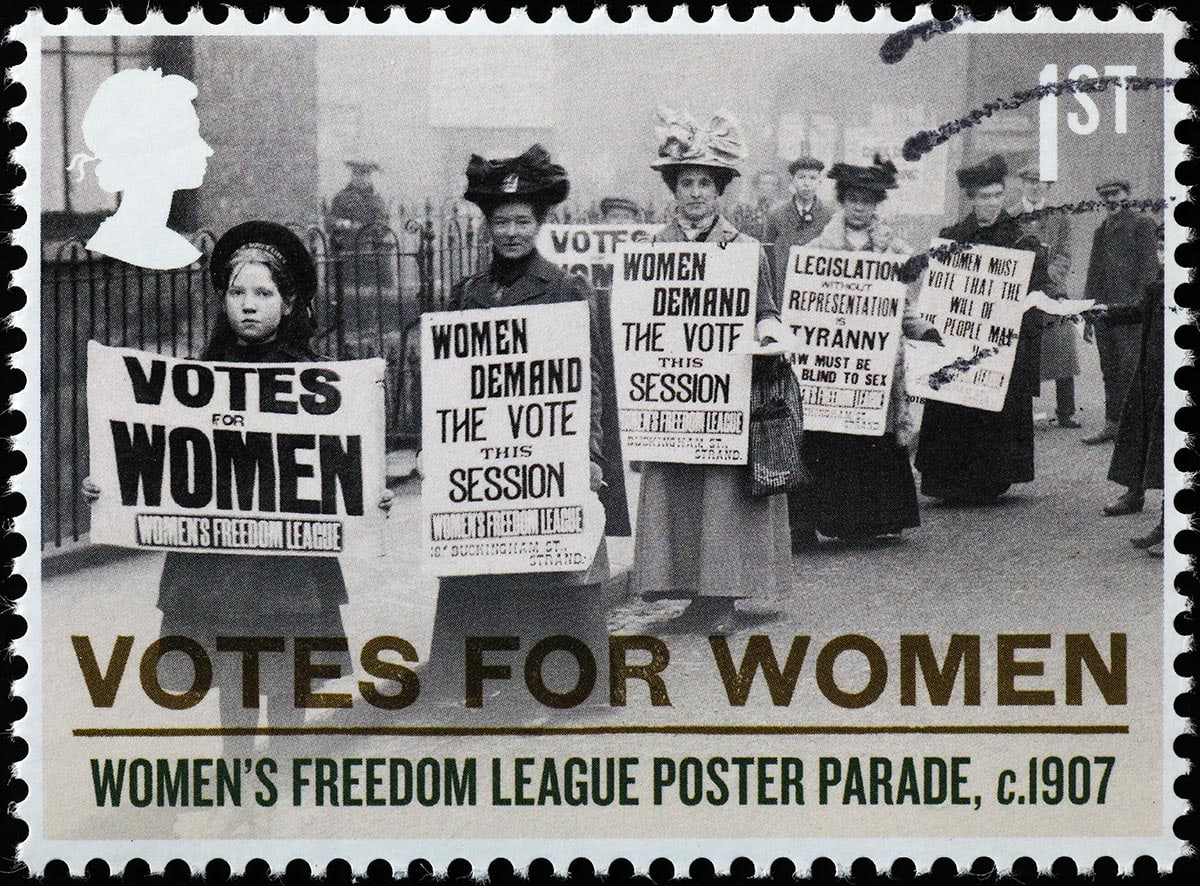
Feminist theory is not just an academic exercise; it is a tool for social change. Feminist activism has a long and rich history, from the suffrage movement to the #MeToo movement. Feminist activists have fought for women’s rights in all areas of life, including the right to vote, the right to equal pay, and the right to control their own bodies. Sociological research can inform and support feminist activism by providing empirical evidence of gender inequality and by identifying effective strategies for social change. It’s not enough to analyze the problem; we must actively work to solve it.
The Future of Gender Studies: Towards a More Equitable World
The intersection of sociology and feminism holds immense potential for creating a more equitable and just world. By challenging traditional assumptions about gender, embracing intersectionality, and engaging in activist scholarship, we can dismantle the structures of oppression and create a society where everyone has the opportunity to thrive. This requires a fundamental shift in perspective, a willingness to challenge our own biases, and a commitment to working collaboratively towards a shared vision of liberation. It’s a long and arduous journey, but one that is absolutely essential. The battle for gender equality is far from over.
Beyond the Ivory Tower: Applying Feminist Insights to Everyday Life
Feminist sociology isn’t confined to academic journals and lecture halls. Its principles offer a powerful framework for navigating the complexities of everyday life. Consider the seemingly mundane interactions we have daily – the division of labor in our households, the subtle biases we encounter at work, the representations of gender in the media we consume. By applying a feminist lens to these seemingly insignificant moments, we can begin to dismantle the ingrained assumptions and power dynamics that perpetuate inequality. Start with self-reflection. Examine your own biases, challenge your own assumptions about gender, and actively seek out diverse perspectives. Educate yourself about the history of feminist movements and the ongoing struggles for gender equality. Engage in critical conversations with friends, family, and colleagues, challenging them to think differently about gender. Support feminist organizations and initiatives that are working to create a more just and equitable world.
Reclaiming Agency: Empowering Marginalized Voices
At its core, feminist sociology is about reclaiming agency for marginalized voices. It’s about centering the experiences and perspectives of those who have been historically silenced and excluded. This requires actively listening to and amplifying the voices of women, transgender individuals, non-binary individuals, and people of color. It means creating spaces where these voices can be heard and respected. It also means challenging the dominant narratives that perpetuate stereotypes and marginalize entire groups of people. Empowerment is not simply about individual success; it’s about collective liberation. When we empower marginalized voices, we create a society that is more just, more equitable, and more inclusive for everyone.
The Urgency of Now: Addressing Contemporary Challenges
While progress has been made in the fight for gender equality, significant challenges remain. The rise of online misogyny and harassment, the persistent gender pay gap, the ongoing attacks on reproductive rights, and the underrepresentation of women in leadership positions are just a few examples of the challenges we face. Feminist sociology provides the tools and frameworks we need to understand these challenges and to develop effective strategies for addressing them. It calls for a renewed commitment to activism, advocacy, and policy change. It demands that we hold institutions and individuals accountable for perpetuating gender inequality. The time for complacency is over. The future demands our unwavering dedication to the cause of gender justice.
Refuse to be complacent. Refuse to be silent. Refuse to accept a world where gender dictates destiny. Embrace the power of feminist sociology to dismantle the structures of oppression and build a future where everyone can thrive, regardless of their gender identity. Now, go forth and ignite the revolution.










Leave a Comment