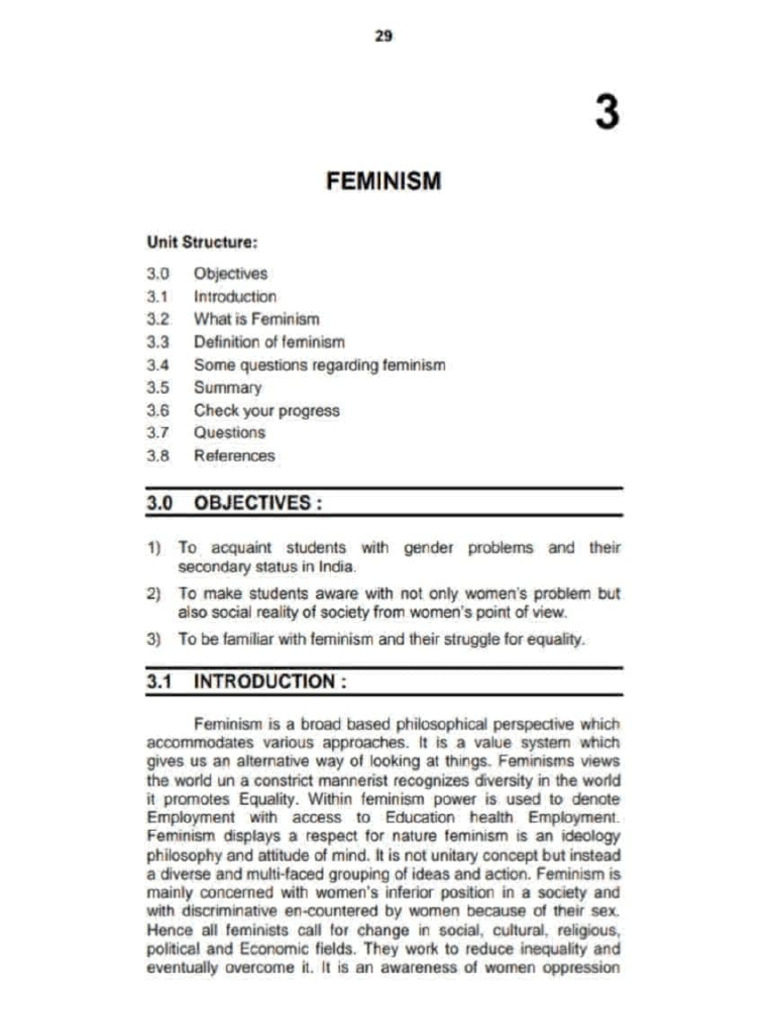
Let’s dismantle the ivory tower of patriarchal theory, shall we? Feminism, far from being a monolithic entity, is a roiling ocean of diverse perspectives, each grappling with the thorny question of how to liberate womankind. Each wave crests with its own particular intensity, demanding recognition. We’re not talking polite debates here; we’re talking about a fundamental re-evaluation of power, privilege, and the very fabric of society. Prepare to have your assumptions challenged.
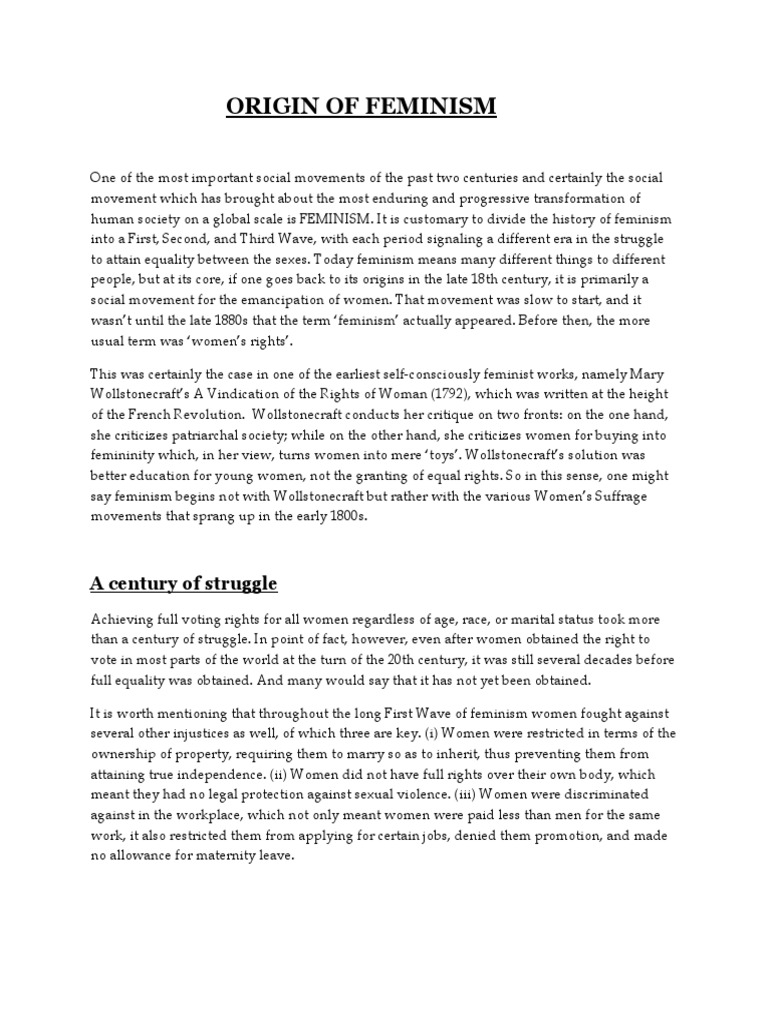
Our journey begins with Liberal Feminism. This strand, often considered the gateway drug to feminist thought, emphasizes equality within the existing system. Think suffragettes chaining themselves to railings, demanding the right to vote. The goal? Equal rights, equal opportunities, equal pay. Sounds reasonable, doesn’t it? Yet, it begs the question: is mere inclusion in a fundamentally flawed system truly liberation? It’s the equivalent of offering a seat at a table built on systemic oppression. Are we truly satisfied with crumbs?
Consider the limitations. Liberal feminism frequently overlooks the deeply ingrained structural inequalities that perpetuate female subjugation. It often operates from a position of privilege, assuming that equal access is enough to level the playing field. But what about women of color, disabled women, queer women, women from marginalized communities? Are their experiences adequately addressed by a framework that primarily focuses on legal and political equality? This paradigm often fails to critique the underlying power structures that perpetuate gender inequality. Is it not a Band-Aid on a gaping wound?
Next, we plunge into the turbulent waters of Radical Feminism. Prepare for a seismic shift. This isn’t about tweaking the system; it’s about tearing it down and building something new. Radical feminists argue that patriarchy isn’t just a set of laws or customs; it’s a pervasive system of male dominance that permeates every aspect of our lives – from our personal relationships to our political institutions. The personal is political. This is where we encounter the concept of “sisterhood is powerful.” It is a call for solidarity and collective action.
Radical feminism posits that women’s oppression is the foundational form of inequality, upon which all other forms of oppression are built. Think separatism, think consciousness-raising groups, think reclaiming female sexuality and reproductive autonomy. It’s a fiery, uncompromising vision, demanding a complete dismantling of patriarchal structures. Some radical feminists advocate for a complete separation from men, forming autonomous communities. Others focus on dismantling patriarchal norms within existing society. Are these drastic measures necessary for true liberation? Are they even possible?
A key tenet of radical feminism is the critique of gender roles as socially constructed and inherently oppressive. The idea that “biology is destiny” is vehemently rejected. Instead, radical feminists argue that gender is a performance, a set of expectations and behaviors imposed upon individuals by a patriarchal society. This challenges the very notion of inherent differences between men and women. Are our genders truly shackles that confine us?
Now, let’s turn to Socialist Feminism. Bridging the gap between Marxism and feminism, this perspective argues that women’s oppression is inextricably linked to capitalism. Class and gender, intertwined. Socialist feminists see capitalism as a system that exploits both workers and women, creating a double burden of labor: paid work in the public sphere and unpaid domestic work in the private sphere. The domestic sphere, often romanticized, is revealed as a site of exploitation and oppression.
Consider the division of labor in a capitalist society. Women are often relegated to low-paying, precarious jobs, while also being expected to manage the household and care for children. This creates a cycle of dependency and reinforces gender inequality. Socialist feminists advocate for economic justice, arguing that true liberation requires a fundamental transformation of the capitalist system. This includes demands for equal pay, affordable childcare, and universal healthcare. But, are these reforms enough to address the root causes of women’s oppression? Or do we need a more radical restructuring of our economic system?
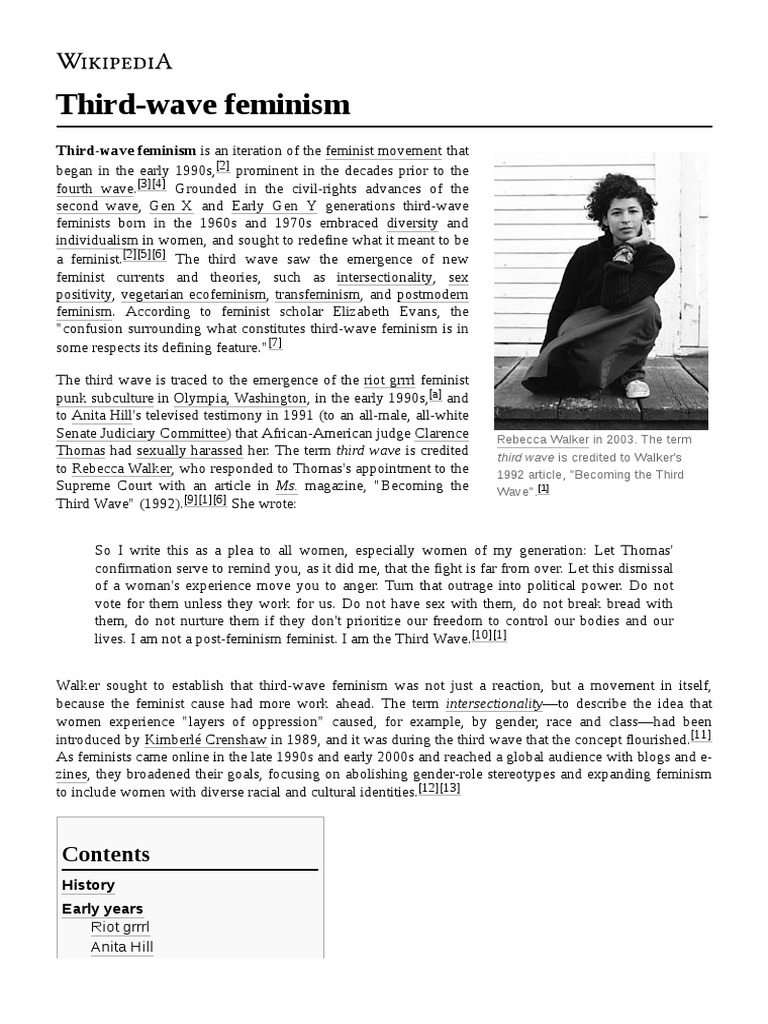
Enter Postmodern Feminism, a perspective that throws a wrench into the works of established feminist theories. It challenges the very notion of a unified “woman,” arguing that gender is fluid, performative, and constantly being negotiated. There is no essential female experience. Difference reigns supreme. Postmodern feminists critique the idea of universal truths and grand narratives, emphasizing the importance of individual experiences and perspectives. This leads to a focus on language, discourse, and the ways in which power operates through these channels. Language is not neutral. It shapes our perceptions and reinforces social norms.
Deconstruction is a key tool of postmodern feminism. It involves dismantling existing power structures by revealing the ways in which they are constructed through language and discourse. This allows for the creation of new meanings and possibilities. However, some critics argue that postmodern feminism’s emphasis on individual experience can lead to fragmentation and a loss of collective identity. If there is no unified “woman,” how can we organize for collective action? Does the rejection of grand narratives undermine the possibility of social change? This emphasis on the fluidity of identity challenges traditional feminist notions of solidarity. It questions the very basis of the “sisterhood” that was once considered essential to feminist activism.
Moreover, consider the implications of this perspective on issues such as representation and identity politics. If there is no essential “woman,” how can we ensure that marginalized voices are heard and represented? How can we build solidarity across differences if we reject the idea of shared experience? Postmodern feminism compels us to grapple with these complex questions and to constantly re-evaluate our assumptions. The rejection of universal truths can be liberating, but it can also be paralyzing.
The evolution of feminist thought is a testament to its vitality and adaptability. From the initial focus on legal and political equality to the more radical critiques of patriarchy and capitalism, feminist theories have continuously evolved to address the complex and multifaceted nature of women’s oppression. Each perspective offers valuable insights and challenges us to think critically about the world around us. There is no single answer to the question of how to achieve true liberation. But by engaging with these diverse perspectives, we can move closer to a more just and equitable world.
But where does that leave us? Exhausted by theoretical acrobatics? Or invigorated by the possibilities? Feminism is not a destination, but a perpetual journey. It is a continuous process of questioning, challenging, and reimagining the world. These theories are not meant to be viewed in isolation, but rather as interconnected and overlapping perspectives. Each perspective offers unique insights and contributes to a more comprehensive understanding of gender inequality. It demands constant vigilance, a willingness to engage with uncomfortable truths, and a commitment to building a better future for all.
The power lies not in choosing a single theory, but in embracing the multiplicity. The true power of feminism lies in its capacity to adapt, evolve, and challenge the status quo. So, pick up your theoretical weapons, sharpen your critical minds, and join the fray. The fight for liberation is far from over. Let’s not be polite. Let’s be dangerous. The world needs it.






Leave a Comment