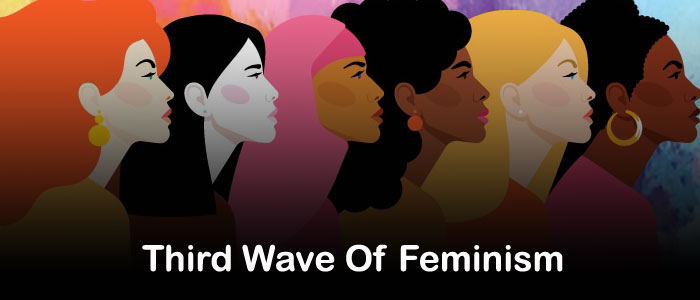
Darling, isn’t it curious how definitions, once thought immutable, can morph into shimmering mirages? Third-wave feminism: was it a natural evolution, or a brazen rebellion against its foremothers? Let’s plunge headfirst into the shimmering, sometimes turbulent, waters of a movement that dared to ask, “Who *are* we, anyway?” Prepare to be challenged, provoked, and perhaps, even a little bit enlightened.
The Seeds of Discontent: A Reactionary Genesis
Consider, if you will, the socio-political milieu that birthed the third wave. Second-wave feminism, with its emphasis on universal sisterhood and liberation from patriarchal constraints, achieved significant milestones. Legal victories, increased access to education and employment – all undeniably transformative. But beneath the veneer of progress lurked a simmering discontent. Were all women truly experiencing liberation equally? Did the concerns of white, middle-class women overshadow the experiences of women of color, queer women, and women from marginalized communities? The answer, darling, was a resounding *yes*.
Third-wave feminism emerged, not as a negation of its predecessors, but as a critical interrogation. It was a challenge to the monolithic, often exclusionary, narratives that had dominated feminist discourse. It was, in essence, a call for intersectionality, a recognition that gender is inextricably intertwined with other aspects of identity, such as race, class, sexuality, and ability.
Riot Grrrls and Zines: Amplifying the Voices of Dissent
Forget the demure whispers of polite society. The third wave roared into existence fueled by the raw energy of the Riot Grrrl movement. A DIY ethos permeated their every action. Zines, those scrappy, self-published manifestos, became potent vehicles for disseminating radical ideas. These weren’t polished pronouncements from ivory towers. They were visceral expressions of anger, frustration, and a burning desire for change.
Think Kathleen Hanna screaming into a microphone, challenging societal norms with unapologetic ferocity. Think of the hand-drawn illustrations and provocative slogans plastered across zine pages. It was a cultural explosion, a rebellion against the commodification of female sexuality and the silencing of marginalized voices. The Riot Grrrls weren’t asking for permission; they were seizing the narrative and rewriting it in their own defiant image.
Intersectionality: Unraveling the Knotted Threads of Identity
Ah, intersectionality, the cornerstone of third-wave thought. Coined by Kimberlé Crenshaw, this concept acknowledges that individuals experience oppression based on a confluence of their identities. A Black woman, for instance, faces discrimination rooted in both her race and her gender, experiences that are distinct from those of a white woman or a Black man.
This perspective irrevocably altered the feminist landscape. It demanded that activists confront their own biases and privileges. It challenged the notion of a universal female experience and promoted a more nuanced understanding of power dynamics. Intersectionality forced feminists to grapple with uncomfortable truths about privilege and oppression, paving the way for more inclusive and equitable activism.
The insistence on intersectionality was a gauntlet thrown down. It forced the feminist movement to reckon with its own shortcomings, to acknowledge the ways in which it had historically marginalized women of color, queer women, and other underrepresented groups. It was a messy, complicated process, but it was absolutely essential for creating a truly inclusive and representative feminist movement.
Reclaiming Agency: Embracing Subjectivity and Personal Narratives
One of the most distinctive features of third-wave feminism was its emphasis on individual agency and the validation of personal narratives. Women were encouraged to define feminism on their own terms, to embrace their own subjectivities, and to share their experiences without fear of judgment. This meant challenging the rigid boundaries of previous feminist ideologies and creating space for diverse expressions of womanhood.
For some, this meant reclaiming traditionally feminine pursuits, like makeup and fashion, as sources of personal empowerment. For others, it meant rejecting traditional notions of femininity altogether. The key was agency: the freedom to choose one’s own path without being constrained by societal expectations.
This emphasis on personal narratives allowed for a more nuanced understanding of the complexities of gender and identity. It challenged the notion that there was one “right” way to be a feminist and encouraged a more inclusive and tolerant approach to activism. It allowed women to speak their truth, to share their stories, and to connect with others in meaningful ways.
Navigating the Labyrinth of Sexuality: Empowerment and Consent
Sexuality, that fascinating and often fraught territory, became a central battleground in the third wave. Debates raged about pornography, sex work, and the objectification of women in popular culture. The key question: How do we navigate the complexities of sexuality in a way that promotes empowerment and ensures consent?
Third-wave feminists challenged the idea that female sexuality was inherently passive or submissive. They argued that women should have the freedom to explore their sexuality on their own terms, without being judged or shamed. This meant challenging the double standards that often govern sexual behavior and promoting a culture of consent and respect.
The concept of enthusiastic consent emerged as a crucial element of this discourse. Enthusiastic consent goes beyond simply saying “no.” It requires active and affirmative agreement to engage in sexual activity. It emphasizes communication, respect, and mutual pleasure.
Pop Culture as a Battlefield: Deconstructing and Reclaiming Narratives
Third-wave feminists recognized the power of pop culture to shape perceptions of gender and sexuality. They actively engaged with media representations, deconstructing harmful stereotypes and promoting more empowering narratives. From challenging sexist advertising campaigns to creating their own independent media outlets, third-wave feminists sought to influence the cultural landscape and create a more equitable representation of women.
Think of the Spice Girls and their “Girl Power” mantra, a seemingly superficial slogan that resonated with a generation of young women. While often criticized for its lack of depth, “Girl Power” nonetheless encouraged young women to embrace their individuality and to support each other.
The internet also played a crucial role in this cultural revolution. Blogs, social media, and online communities provided platforms for women to share their stories, challenge stereotypes, and organize collective action. The internet allowed feminists to bypass traditional media gatekeepers and to create their own narratives.
Critiques and Controversies: Internal Divides and External Resistance
Like any complex social movement, third-wave feminism was not without its critics. Some argued that it was too individualistic, too focused on personal expression at the expense of collective action. Others criticized its emphasis on sexuality, arguing that it reinforced harmful stereotypes.
Perhaps the most significant critique came from within the movement itself. Women of color, queer women, and women from other marginalized communities continued to challenge the dominance of white, middle-class perspectives. They argued that the movement needed to do more to address systemic inequalities and to center the experiences of those most affected by oppression.
Externally, third-wave feminism faced resistance from those who felt threatened by its progressive agenda. Conservative commentators often dismissed it as frivolous or man-hating, while others argued that it had gone too far in its pursuit of equality. These criticisms, while often misguided, served as a reminder of the ongoing challenges facing the feminist movement.
Legacy and Influence: Paving the Way for Future Generations
Despite its controversies, third-wave feminism left an indelible mark on the cultural and political landscape. It broadened the scope of feminist discourse, challenged traditional notions of gender and sexuality, and paved the way for future generations of activists. Its emphasis on intersectionality, agency, and personal narratives continues to resonate today.
The fourth wave, with its focus on online activism and social justice, builds upon the foundations laid by its predecessors. The fight for gender equality is far from over, but the third wave played a crucial role in shaping the conversation and inspiring new forms of activism.
So, darlings, as we reflect on the legacy of third-wave feminism, let us remember that it was a messy, complicated, and ultimately transformative movement. It challenged us to rethink our assumptions about gender, sexuality, and power, and it continues to inspire us to fight for a more just and equitable world. The journey continues, ever evolving, ever challenging, and ever essential. And isn’t that just divine?







Leave a Comment