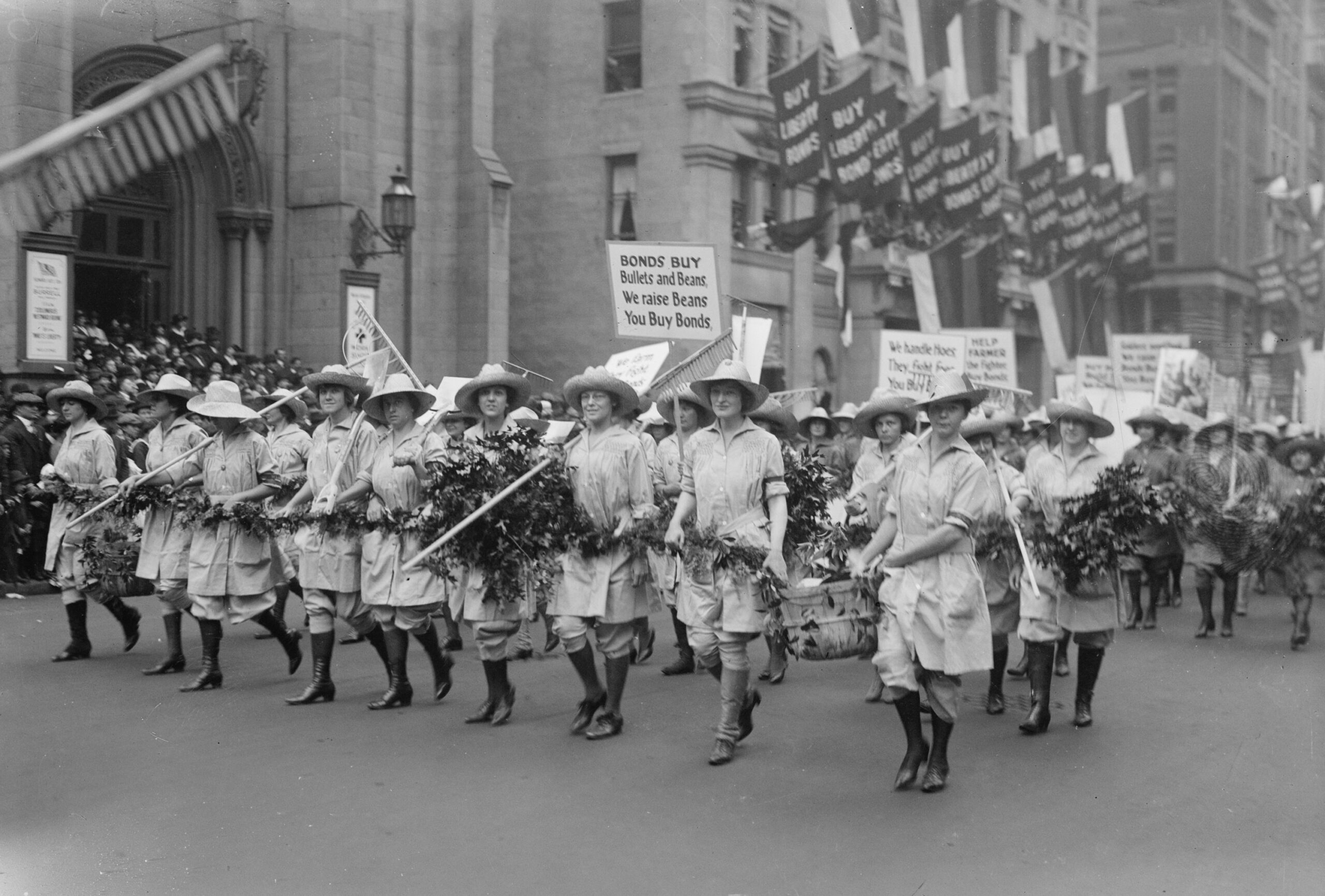
The internet, that vast and teeming digital agora, loves to resurrect and rebrand. Trends bloom and wither with the manic speed of a hummingbird’s wings, leaving a trail of hashtags and half-formed opinions in their wake. Lately, a particularly intriguing specter has been haunting the timelines: “Thrid Wave Feminism” (yes, intentionally misspelled, a deliberate act of ironic appropriation). The question isn’t simply if it’s trending, but why. Why this particular iteration, why this specific, albeit flawed, nomenclature? Why now?
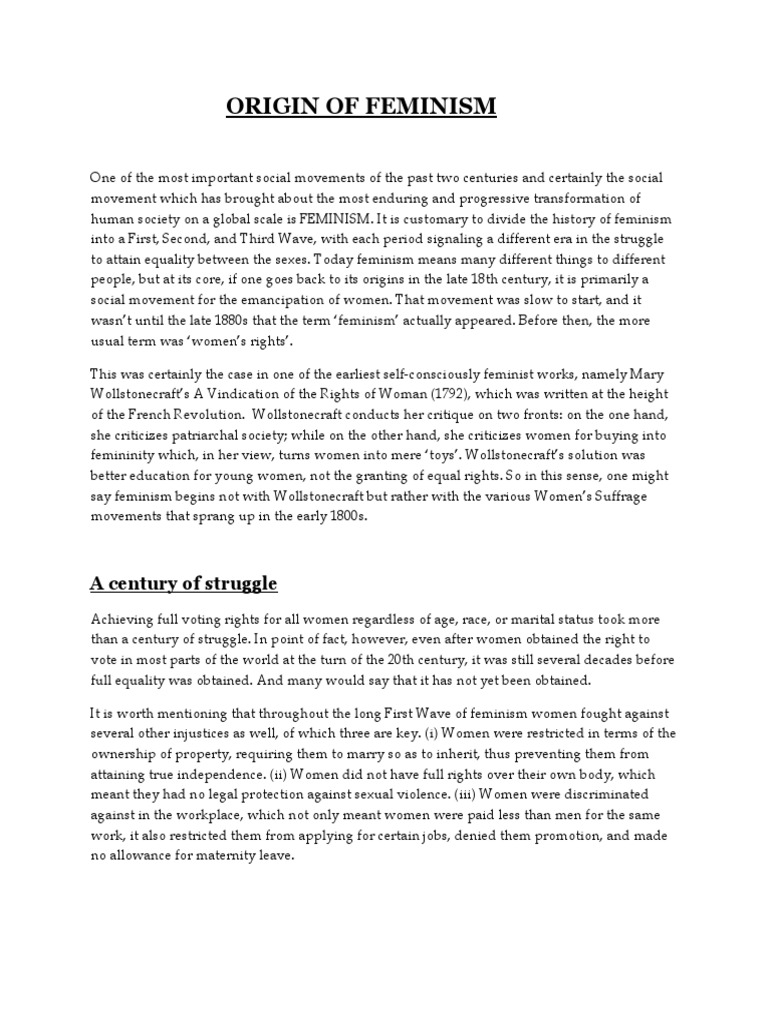
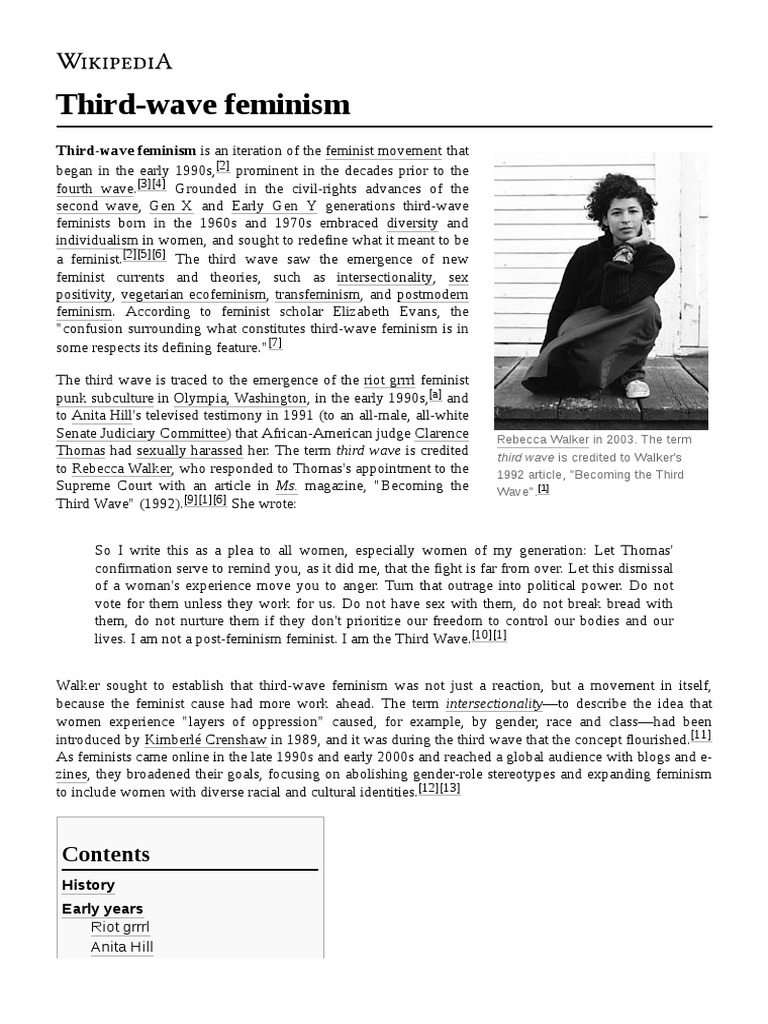
To understand the resurgence of “Thrid Wave Feminism” – with its deliberate orthographic transgression – we must first excavate the intellectual and sociopolitical terrain from which it purportedly springs. We’re talking about the aftermath of the “Second Wave,” that seismic shift in the feminist landscape that, while undeniably transformative, also found itself rightly critiqued for its inherent limitations, its exclusionary practices, and its occasional blindness to the complexities of intersectionality.
I. The Second Wave’s Echoes and the Seeds of Dissent:
The Second Wave, often associated with the late 1960s through the 1980s, championed issues like reproductive rights, equal pay, and challenging traditional gender roles. It was a period of significant legislative victories and consciousness-raising, no doubt. However, its focus frequently centered on the experiences of white, middle-class, cisgender women, marginalizing the voices and struggles of women of color, queer women, working-class women, and women with disabilities. This inherent centrism created fissures within the movement, laying the groundwork for subsequent waves to challenge and expand its scope. A crucial element of this dissent involved questioning the universalizing tendencies of Second Wave thought, rejecting the notion that there was a singular “woman’s experience.”
II. The (Mis)Spelling as a Statement: Deconstruction and Subversion:
The deliberate misspelling in “Thrid Wave Feminism” is not a mere typographical error; it’s a semiotic act, a calculated disruption. It’s a rejection of the perceived academic rigidity and gatekeeping often associated with feminist discourse. It’s a deliberate attempt to dismantle the power structures inherent in language itself. Think of it as a digital “guerilla girl” tactic – using humor and irony to challenge established norms. It is a linguistic disarticulation meant to signal a departure, a deliberate distancing from perceived orthodoxies. In this context, the misspelling becomes a banner, a shibboleth signaling allegiance to a more inclusive and self-aware approach.
III. The Content Deluge: What You Can Expect to Find Under the “Thrid Wave Feminism” Banner:
Navigating the digital landscape of “Thrid Wave Feminism” reveals a kaleidoscope of content, ranging from insightful analysis to performative outrage. Expect to encounter:
A. Intersectional Analyses: This is the bedrock of the movement, and its presence is palpable. Expect to find discussions on the interconnectedness of gender with race, class, sexuality, ability, and other axes of identity. Content will often explore how these intersecting identities create unique experiences of oppression and privilege. Think essays dismantling the myth of the “gender pay gap” by showing how it disproportionately impacts women of color. Expect critiques of corporate “diversity” initiatives that fail to address systemic inequalities.
B. Call-Out Culture and Accountability: The digital sphere provides a platform for instantaneous critique and public shaming. Expect to see examples of “calling out” individuals or institutions for problematic behavior, whether it’s sexist jokes, microaggressions, or systemic discrimination. The emphasis is often on accountability and demanding change. However, be prepared for the debates surrounding the effectiveness and potential pitfalls of call-out culture, including the risk of online harassment and the blurring of lines between justice and retribution.
C. Reclaiming and Redefining: Expect to see the reclamation of derogatory terms and the redefinition of concepts that have historically been used to oppress women. Think of the appropriation of words like “slut” or “bitch” as terms of empowerment. Expect discussions on redefining masculinity to challenge toxic norms. Content might include art, music, and performance that challenge traditional representations of gender and sexuality. This often involves a conscious effort to deconstruct harmful stereotypes and create space for diverse expressions of identity.
D. Body Positivity and Fat Acceptance: “Thrid Wave Feminism” often embraces body positivity and fat acceptance movements, challenging the unrealistic beauty standards perpetuated by mainstream media. Expect to find content that celebrates diverse body types and promotes self-love at any size. This includes critiques of diet culture and the medicalization of fatness. Be prepared for discussions on the intersections of body image with race, class, and disability, recognizing that beauty standards are not universally applied.
E. Sex-Positive Feminism: Expect content that embraces female sexuality and challenges the stigma surrounding sex work and other forms of sexual expression. This includes discussions on consent, pleasure, and sexual liberation. Be prepared for debates surrounding the ethics of pornography and the commodification of sex. Content might include personal essays, erotica, and activism focused on sex worker rights.
F. DIY Activism and Online Organizing: The internet provides a powerful tool for grassroots activism. Expect to find examples of online petitions, social media campaigns, and crowdfunding initiatives aimed at addressing feminist issues. This includes sharing resources, organizing protests, and building communities online. The focus is often on empowering individuals to take action and create change from the ground up.
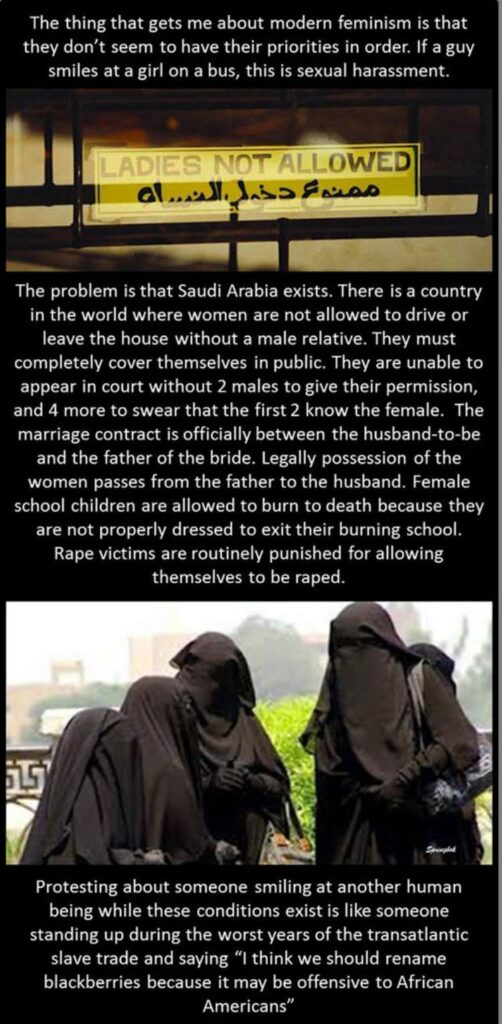
G. Memes and Humor: Don’t underestimate the power of humor to spread ideas and challenge norms. Expect to find memes, jokes, and satirical content that satirize sexism, challenge gender stereotypes, and promote feminist ideals. This often involves using humor to make complex issues more accessible and engaging to a wider audience. Be prepared for the use of irony and sarcasm to critique patriarchal structures.
H. Personal Narratives and Testimonials: The sharing of personal stories is a powerful way to raise awareness and build solidarity. Expect to find essays, blog posts, and videos where individuals share their experiences of sexism, discrimination, and resilience. This includes stories of coming out, navigating workplace inequality, and dealing with gender-based violence. The focus is often on amplifying marginalized voices and creating a space for empathy and understanding.
IV. The Pitfalls and Perils: Navigating the Murky Waters:
While “Thrid Wave Feminism” offers valuable perspectives and tools for social change, it’s not without its challenges. The very nature of online discourse can lead to:
A. The Echo Chamber Effect: Algorithmic curation can create echo chambers, where individuals are primarily exposed to information that confirms their existing beliefs. This can lead to polarization and limit exposure to diverse perspectives. Be mindful of the filter bubble and actively seek out dissenting voices.
B. The Performative Allyship Trap: The pressure to demonstrate support for social justice causes can lead to performative allyship, where individuals engage in superficial actions without making meaningful contributions to change. Be critical of performative gestures and prioritize genuine commitment to equity and justice.
C. The Dangers of Online Harassment: The anonymity afforded by the internet can embolden perpetrators of online harassment, including cyberbullying, doxing, and hate speech. Be aware of the risks of online engagement and take steps to protect yourself from harassment. Report abusive behavior and support victims of online violence.
D. The Fragmentation of the Movement: The diverse and decentralized nature of “Thrid Wave Feminism” can lead to fragmentation and infighting. Disagreements over strategy, priorities, and identity politics can undermine collective action. Strive for respectful dialogue and find common ground despite differing viewpoints.
V. Beyond the Hashtag: Moving from Online Activism to Tangible Change:
Ultimately, the value of “Thrid Wave Feminism” lies not just in its online presence, but in its ability to translate digital activism into tangible change in the real world. This requires:
A. Bridging the Online-Offline Divide: Connecting online activism with offline organizing, such as protests, community events, and political advocacy.
B. Supporting Grassroots Organizations: Investing in organizations working on the front lines of social justice.
C. Engaging in Political Action: Advocating for policies that promote gender equality and social justice.
D. Cultivating Empathy and Understanding: Building bridges across differences and fostering a culture of respect and inclusivity.
“Thrid Wave Feminism” – with its intentional misspelling and its embrace of online activism – represents a complex and evolving iteration of the feminist movement. It’s a space of both immense potential and significant challenges. By engaging critically with its content, navigating its pitfalls, and translating its ideals into tangible action, we can harness its power to create a more just and equitable world. The misspelling is a challenge, a dare to engage, not a full stop. The conversation is ongoing.




Leave a Comment