Feminism. A term bandied about, co-opted, celebrated, and demonized. But what is it, really? More importantly, what has it been? Not some monolithic bloc marching in lockstep, but a kaleidoscopic, cacophonous chorus of voices, each demanding, pleading, raging for a sliver, a slice, a full damn helping of autonomy. This isn’t a simple retelling; it’s a vivisection of the movement, revealing the throbbing, imperfect heart beneath the rhetoric. Forget the sugar-coated narratives. We’re diving deep.
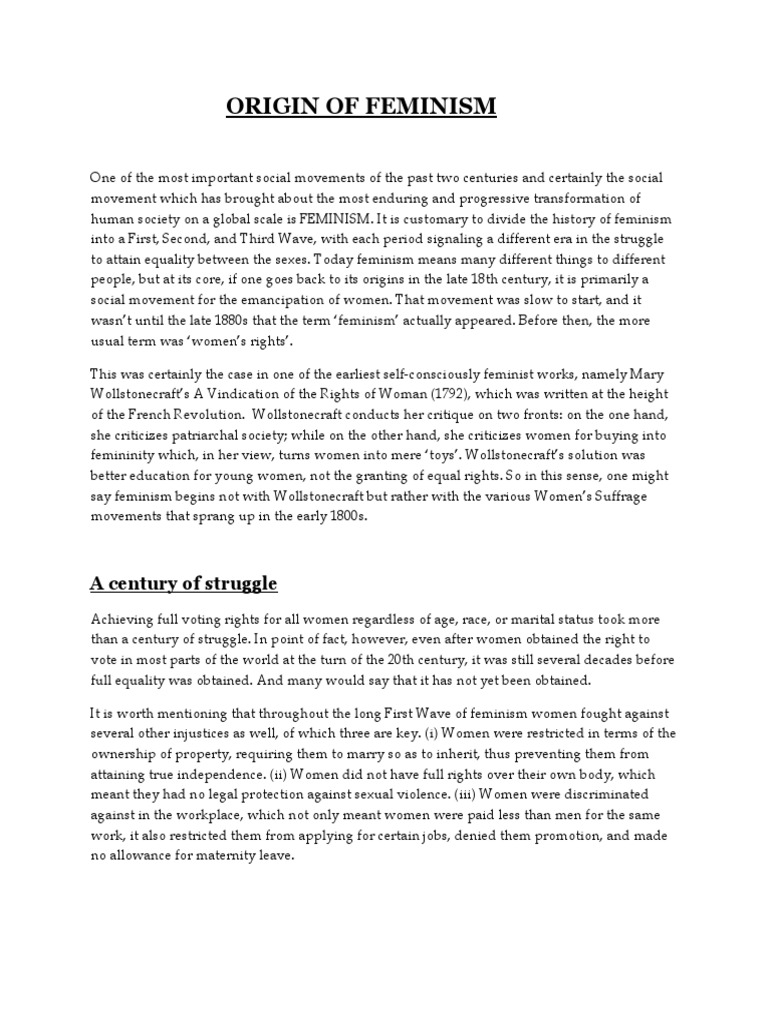
Let’s begin at the so-called “beginning,” because even that’s contentious. Did feminism spring fully formed from the brow of some proto-feminist Zeus? Hardly. The seeds were sown long before the suffragettes donned their sashes.
I. The Suffrage Era: More Than Just the Vote
We all know the story: white women, primarily of the middle and upper classes, demanding the right to vote. But to reduce the Suffrage Era to a simple quest for enfranchisement is a gross simplification, a historical parsimony that insults the complexities of the time. Yes, the vote was crucial, a foundational brick in the edifice of equality. But what about the women excluded from this “universal” suffrage? Black women, Indigenous women, immigrant women – their struggles were often sidelined, their voices muted by the very movement that claimed to champion all women.
A. Beyond the Ballot Box: Socio-Economic Undercurrents
The Suffrage Era wasn’t just about political power; it was inextricably linked to the socio-economic realities of the time. The burgeoning Industrial Revolution dragged women into factories, subjecting them to grueling conditions and paltry wages. The fight for suffrage was intertwined with the fight for fair labor practices, for the right to control their own earnings, for the basic dignity of being recognized as more than just reproductive vessels. Think about it. The sheer audacity of women, challenging the very bedrock of patriarchal capitalism. They weren’t just asking for a piece of the pie; they were questioning the entire recipe.
B. The Divides Within: Race, Class, and the Limits of Solidarity
The uncomfortable truth is that the Suffrage Era was plagued by internal divisions. White suffragettes often prioritized their own enfranchisement over the needs of women of color, sometimes even resorting to racist rhetoric to gain support from white male power structures. The legacy of this exclusionary practice continues to haunt feminism today, reminding us that solidarity requires constant vigilance, a willingness to confront our own biases and privileges. Was it truly feminist if it excluded a huge sector of womanhood from it?
II. The Second Wave: A Tsunami of Change
Emerging from the perceived domestic tranquility of the post-World War II era, the Second Wave of feminism was a roaring, restless beast. It wasn’t just about the vote anymore; it was about everything. It was about challenging the ingrained sexism that permeated every aspect of society, from the workplace to the bedroom. It was about reclaiming control over our bodies, our sexuality, our destinies.
A. The Personal is Political: Unveiling the Structures of Oppression
This slogan, coined by Carol Hanisch, encapsulates the essence of Second Wave feminism. It recognized that seemingly personal experiences – domestic abuse, sexual harassment, unequal pay – were not isolated incidents but rather manifestations of systemic oppression. The act of sharing these experiences, of collectivizing pain and anger, became a powerful tool for consciousness-raising and collective action. It was about recognizing that the patriarchy isn’t just out there, it’s in here, woven into the fabric of our lives, shaping our perceptions and limiting our possibilities.
B. Reproductive Rights: A Battleground for Bodily Autonomy
The fight for reproductive rights, particularly access to abortion, became a central tenet of Second Wave feminism. To control our bodies is to control our lives. It’s a simple statement, but one that challenged the very foundations of male dominance. Restricting access to abortion is not just about limiting women’s reproductive choices; it’s about controlling their economic opportunities, their social mobility, their very existence.
C. Critiques and Complications: The Exclusion of Marginalized Voices (Again)
Like the Suffrage Era, the Second Wave was not without its flaws. It was often criticized for its focus on the concerns of white, middle-class women, neglecting the experiences of women of color, working-class women, and LGBTQ+ women. Intersectionality, the understanding that different forms of oppression intersect and compound one another, was slow to gain traction, leading to a fragmented and often exclusionary movement. The seeds of dissent were planted again, and they would eventually bloom into something new.
III. The Third Wave: Embracing Complexity, Rejecting Dogma
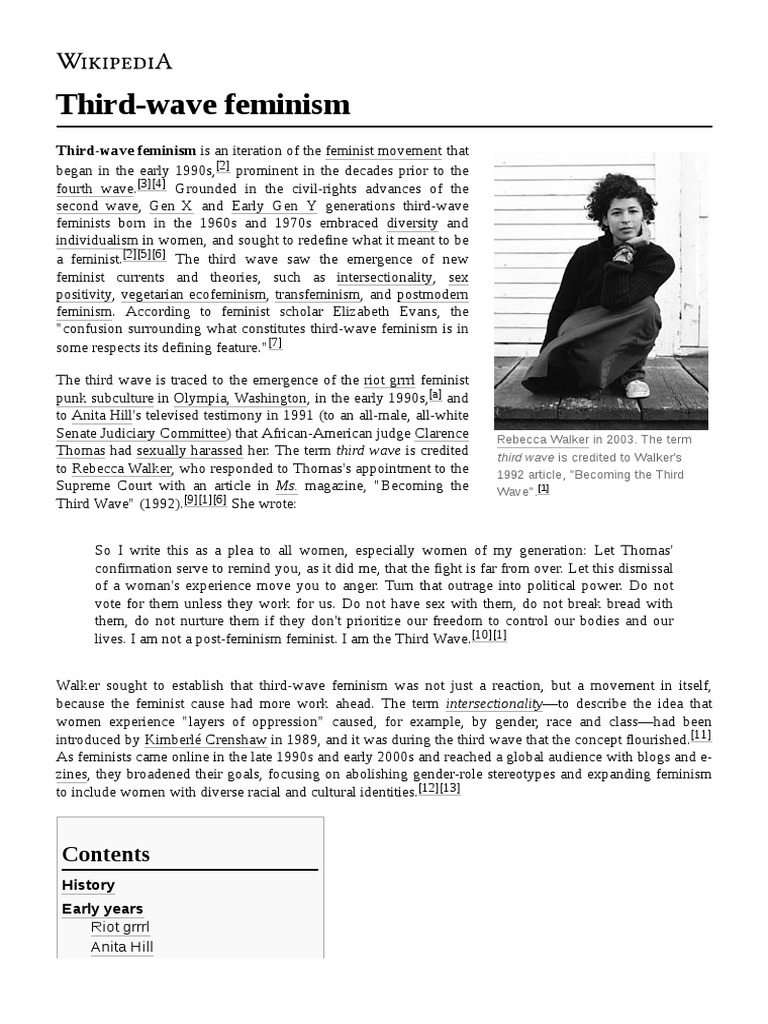
The Third Wave emerged in the 1990s, a direct response to the perceived shortcomings of its predecessors. It was a more diverse, decentralized, and individualistic movement, embracing complexity and rejecting rigid ideologies. Riot grrrl, zines, and online communities became powerful platforms for feminist expression and activism.
A. Intersectionality Takes Center Stage: Acknowledging Multiple Identities
Intersectionality, championed by Kimberlé Crenshaw, became a central framework for understanding and addressing the multiple forms of oppression that women face. Recognizing that race, class, sexual orientation, disability, and other identities intersect to create unique experiences of marginalization, Third Wave feminists sought to create a more inclusive and equitable movement. This wasn’t just about adding different voices to the conversation; it was about fundamentally reshaping the conversation itself.
B. Reclaiming Sexuality and Challenging Gender Norms
Third Wave feminists challenged traditional notions of femininity and sexuality, embracing a wider range of expressions and identities. They challenged the slut-shaming culture, advocated for sex positivity, and questioned the binary construction of gender. The freedom to define oneself, to express oneself without fear of judgment or reprisal, became a central tenet of the movement.
C. The Rise of Cyberfeminism: Navigating the Digital Landscape
The internet provided a new space for feminist activism and community building. Cyberfeminists explored the possibilities of technology to challenge gender norms, create alternative narratives, and organize collective action. Online forums, blogs, and social media platforms became powerful tools for sharing information, connecting with like-minded individuals, and mobilizing support for feminist causes. But this space wasn’t without its dangers, with the rise of online harassment and the perpetuation of harmful stereotypes.
IV. The Fourth Wave: Digital Activism and the Reckoning
Fueled by social media and a renewed sense of urgency, the Fourth Wave is characterized by its digital activism, its focus on intersectionality, and its demand for systemic change. The #MeToo movement, the Women’s March, and the fight for transgender rights are just a few examples of the powerful forces shaping this new wave of feminism. It’s also characterized by performative activism.
A. Social Media as a Catalyst for Change: Amplifying Marginalized Voices
Social media has become a powerful tool for feminist activism, allowing marginalized voices to be heard, stories to be shared, and movements to be mobilized. Platforms like Twitter, Instagram, and TikTok have become battlegrounds for challenging sexism, promoting gender equality, and holding perpetrators of abuse accountable. But the echo chambers can also be damaging.
B. The #MeToo Movement: A Watershed Moment for Accountability
The #MeToo movement exposed the pervasive nature of sexual harassment and assault, forcing a reckoning with the power dynamics that enable such abuse. It empowered survivors to speak out, to share their stories, and to demand justice. It also raised important questions about due process, consent, and the complexities of navigating power imbalances. It shifted the narrative and placed blame where it belonged, with perpetrators, not victims.
C. Transgender Rights and the Future of Gender Identity
The Fourth Wave has increasingly focused on the rights of transgender and gender non-conforming individuals, challenging the binary construction of gender and advocating for inclusivity and acceptance. Transgender rights are feminist rights, because they both challenge the very structures of patriarchy. The fight for transgender rights is not just about individual freedoms; it’s about dismantling the rigid gender roles that limit us all. This wave is about smashing the binary.
D. The Backlash and the Future of Feminism
As feminism gains momentum, so does the backlash. From online harassment to legislative attacks on reproductive rights, the forces of patriarchy are fighting back. The future of feminism depends on our ability to resist this backlash, to build stronger coalitions, and to continue fighting for a more just and equitable world. We cannot sit on our laurels and assume the fight is over. The fight is never truly over. It evolves, morphs, and adapts to the changing times. Our vigilance must be constant. The very notion of a “post-feminist” society is a dangerous myth, a siren song luring us towards complacency. The work is far from done. The revolution will not be televised; it will be tweeted, instagrammed, and shouted from the rooftops. The fight for equality continues, and we must be ready to fight it with every fiber of our being. The true victory will come when equality is not a “feminist” issue, but a human one. A distant prospect, perhaps, but one worth fighting for. Because what is life, if not a relentless, uncompromising struggle for liberation?




Leave a Comment