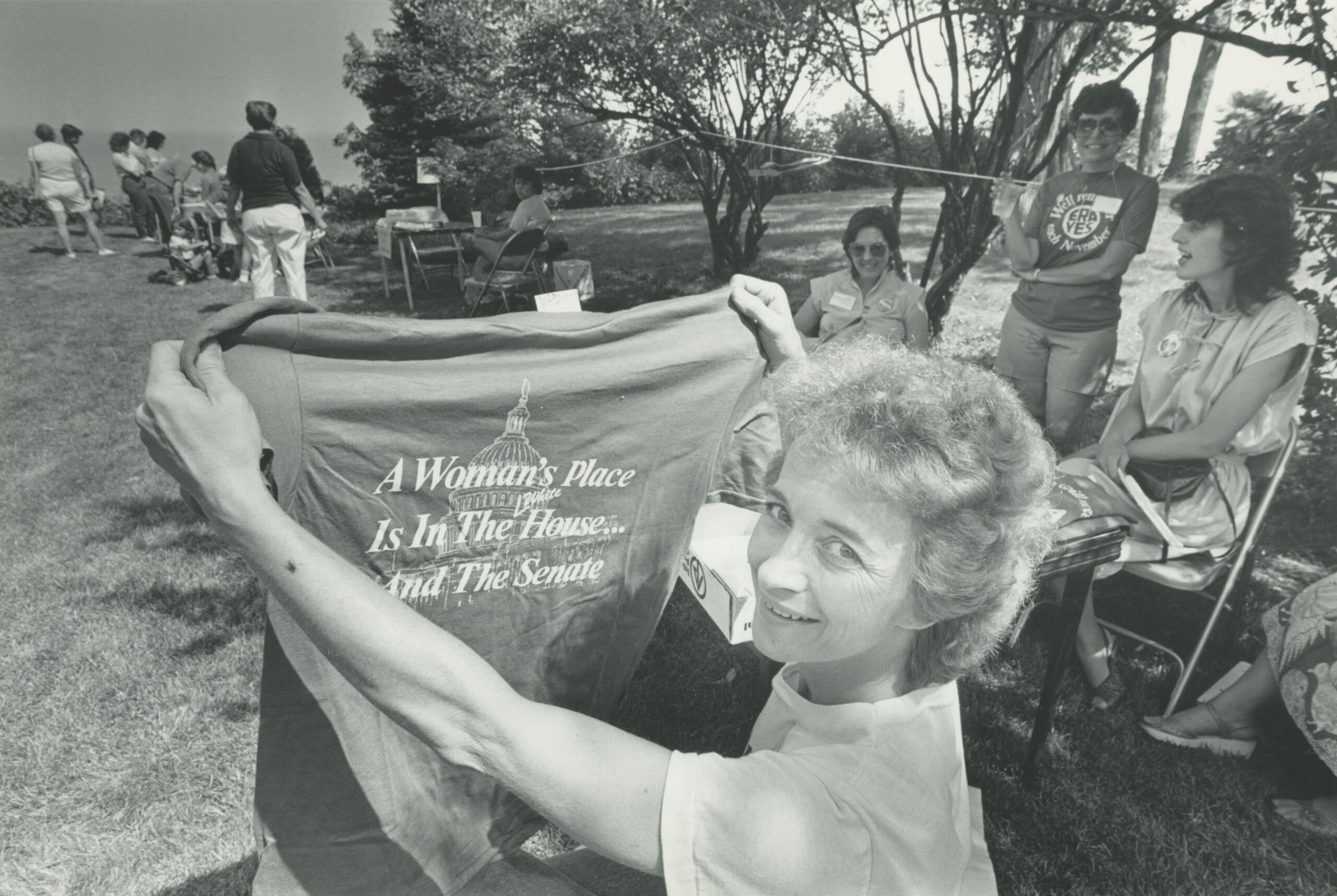
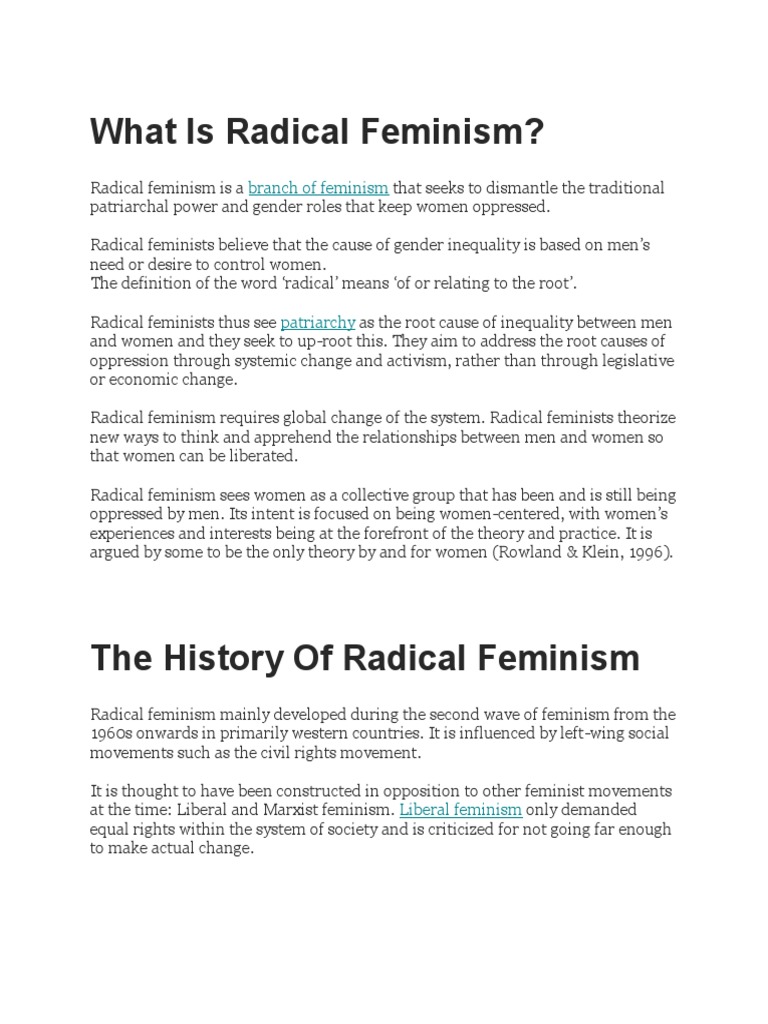
The second wave of feminism, a roaring tide that crashed against the shores of mid-20th century complacency, wasn’t merely about equal pay or access to boardrooms. It was a seismic shift, a tectonic upheaval that aimed to restructure the very bedrock of patriarchal society. Think of it as an audacious gardener, not just pruning the weeds of inequality, but uprooting the poisonous trees of ingrained sexism, their roots deeply entangled in the soil of tradition.
This era, roughly spanning the 1960s to the 1980s, wasn’t a monolithic entity. It was a kaleidoscope of ideologies, strategies, and passionate voices, all united by a singular, burning desire: liberation. Liberation from what, you ask? From the stifling corsets of societal expectations, from the gilded cages of domesticity, from the insidious tendrils of male dominance that permeated every aspect of life. This wave challenged the perception of women as demure, docile objects, demanding recognition as autonomous, intellectually vibrant, and sexually liberated beings.
To truly understand the ferocity and complexity of this movement, one must delve into its multifaceted objectives, each a battleground in the larger war against gender oppression.
I. The Personal as Political: Unmasking the Domestic Sphere
The second wave famously proclaimed, “the personal is political.” This wasn’t a mere slogan; it was a radical re-evaluation of the private sphere. For centuries, the domestic realm – the home, the family – had been considered apolitical, a sanctuary governed by natural laws and traditional gender roles. But second-wave feminists ripped back the curtain, revealing the power dynamics at play within these supposedly harmonious spaces.
Think of the home as a stage, meticulously set by patriarchy. Women were cast in leading roles as wives and mothers, their scripts pre-written, their movements carefully choreographed. The second wave refused to play along. They exposed the emotional labor that went unacknowledged, the economic dependence that fostered vulnerability, and the subtle forms of control exerted by husbands and fathers. Domestic violence, marital rape (a taboo subject then), and the unequal distribution of household chores were no longer considered private matters; they were recognized as systemic issues requiring political solutions.
This unveiling of the domestic sphere led to the establishment of women’s shelters, crisis hotlines, and support groups, offering safe havens for women fleeing abusive situations. It also sparked intense debates about the very nature of marriage and family, questioning whether these institutions could be truly equitable under patriarchal conditions.
II. Reproductive Rights: Owning Our Bodies
Control over one’s own body is arguably the most fundamental of all rights. The second wave recognized that without reproductive autonomy, women could never achieve true equality. The fight for access to contraception and abortion was not just about individual choice; it was about dismantling the system that treated women as reproductive vessels, denying them agency over their own lives and futures.
Imagine a woman’s body as a territory, constantly invaded and colonized by patriarchal forces. Restricting access to birth control and abortion was a form of occupation, preventing women from determining their own destinies and perpetuating their subordination. The landmark Supreme Court case Roe v. Wade (1973) was a monumental victory, but it was hard-won and remains under constant threat even today.
Beyond legal battles, second-wave feminists also challenged the medical establishment’s paternalistic approach to women’s healthcare. They demanded more research on women’s health issues, challenged the over-medicalization of childbirth, and advocated for alternative birthing practices that empowered women to make informed choices about their bodies.
III. Challenging Sexist Representations: Reframing the Narrative
The media, advertising, and popular culture bombarded women with images that reinforced sexist stereotypes: the submissive housewife, the seductive temptress, the brainless beauty. Second-wave feminists recognized the power of these representations in shaping perceptions of women and perpetuating inequality.
Consider these images as insidious viruses, infecting our minds with harmful narratives. Second-wave feminists developed critical tools to analyze these representations, exposing the underlying misogyny and challenging the dominant narratives. They launched protests against sexist advertisements, organized boycotts of companies that exploited women’s bodies, and created alternative media outlets that offered more positive and empowering representations of women.
The feminist art movement, a vibrant offshoot of the second wave, used art as a weapon to challenge patriarchal norms and reclaim female subjectivity. Artists like Judy Chicago created powerful works that celebrated women’s experiences and challenged the male-dominated art world. The goal was nothing less than a complete overhaul of the cultural landscape, replacing sexist images with representations that reflected the complexity and diversity of women’s lives.
IV. Education and Employment: Breaking the Glass Ceiling
Access to education and employment was seen as crucial for achieving economic independence and challenging traditional gender roles. Second-wave feminists fought for equal opportunities in education, challenging discriminatory admissions policies and promoting women’s studies programs.
Think of the workplace as a labyrinth, designed to keep women trapped in lower-level positions. The glass ceiling, an invisible barrier that prevents women from advancing to leadership roles, was a constant source of frustration. Second-wave feminists pushed for affirmative action policies, challenged discriminatory hiring practices, and advocated for pay equity.
They also recognized the importance of supporting women in traditionally male-dominated fields, such as science, technology, engineering, and mathematics (STEM). By breaking down barriers and challenging stereotypes, they paved the way for future generations of women to pursue their dreams and achieve their full potential.
V. Sexuality and Sexual Liberation: Reclaiming Pleasure
The second wave challenged the restrictive norms surrounding female sexuality, advocating for sexual liberation and celebrating women’s pleasure. This wasn’t just about casual sex; it was about dismantling the double standard that judged women more harshly than men for their sexual behavior, and about empowering women to explore their own desires and experiences.
Imagine female sexuality as a tightly locked treasure chest, its key guarded by patriarchy. Second-wave feminists demanded the right to unlock that chest, to explore the full range of their sexual potential without shame or judgment. They challenged the notion that women’s sexuality was primarily for the pleasure of men, and advocated for sex education that was inclusive, accurate, and empowering.
However, the focus on sexuality within the second wave was not without its complexities. There were internal debates about pornography, prostitution, and the role of sexuality in the movement as a whole. Some feminists argued that certain forms of sexual expression perpetuated the objectification of women, while others defended the right of women to express their sexuality freely, even if it challenged traditional norms.
VI. Intersectionality: Recognizing the Interconnectedness of Oppressions
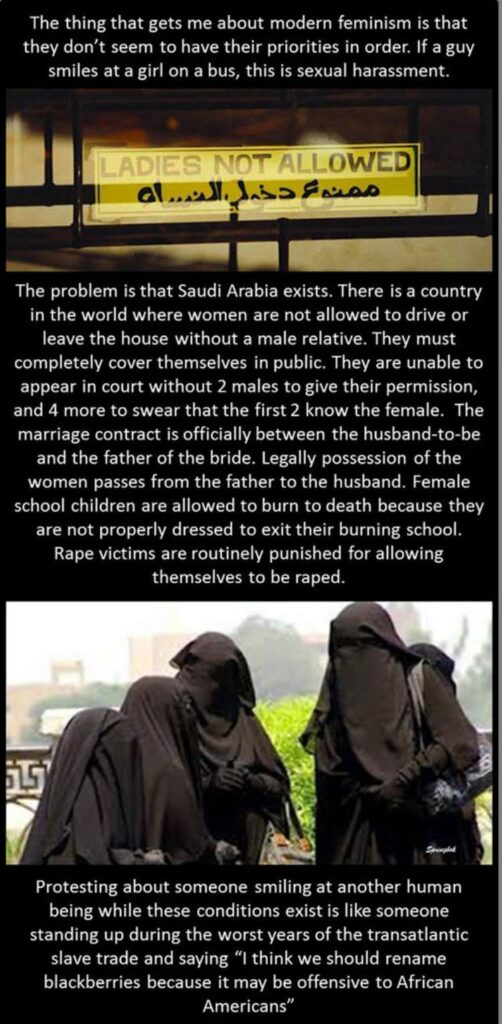
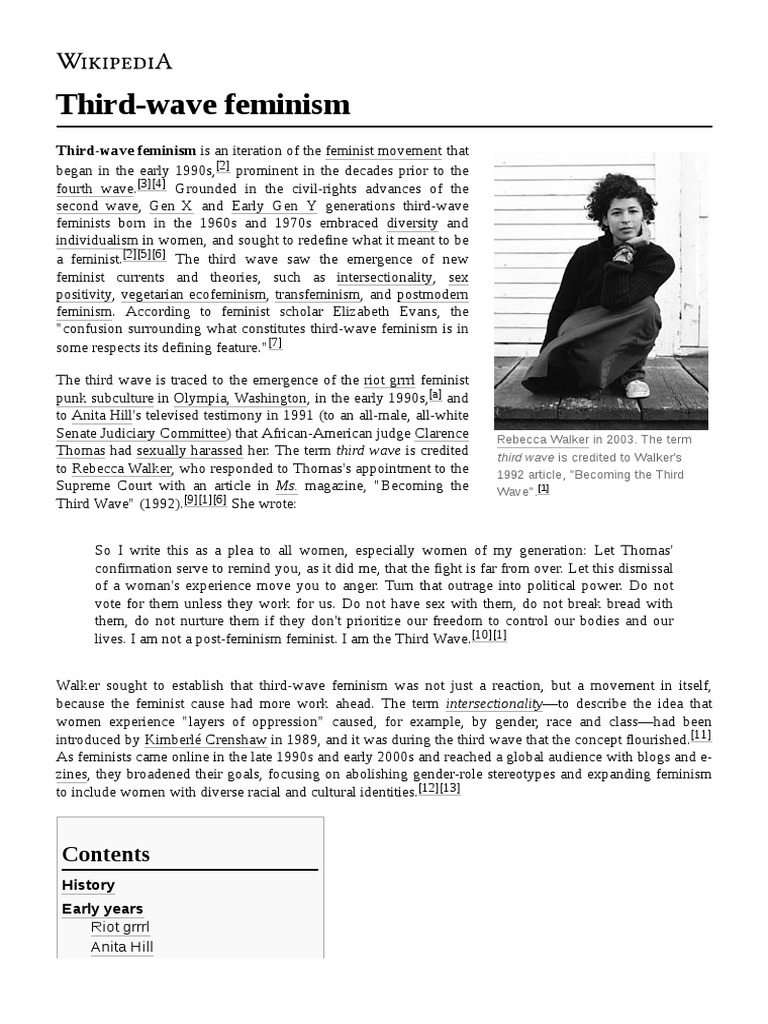
While the second wave made significant strides in advancing women’s rights, it also faced criticism for its predominantly white, middle-class focus. Black feminists, lesbian feminists, and women of color pointed out that the movement often failed to address the specific challenges faced by women from marginalized communities. Intersectionality, a term coined by Kimberlé Crenshaw, emerged as a crucial framework for understanding how different forms of oppression – such as sexism, racism, classism, and homophobia – intersect and compound each other.
Think of oppression as a complex web, with different strands representing different forms of discrimination. Intersectionality recognizes that individuals can be entangled in multiple strands of this web, experiencing unique forms of oppression that are not adequately addressed by single-issue movements. It calls for a more inclusive and nuanced approach to feminism, one that takes into account the diverse experiences of all women.
The rise of intersectional feminism challenged the second wave to become more inclusive and responsive to the needs of all women. It led to the development of new strategies and approaches that recognized the interconnectedness of oppressions and aimed to dismantle the systems that perpetuate them.
The second wave of feminism, despite its imperfections and internal debates, remains a watershed moment in the fight for gender equality. It laid the groundwork for future generations of feminists to continue the struggle, building upon its achievements and addressing its shortcomings. The echoes of this movement can still be heard today, as women around the world continue to challenge patriarchal norms and fight for a more just and equitable world. Let us not forget the audacious gardener’s efforts, for the weeds of inequality persistently attempt to reclaim the garden of progress.







Leave a Comment