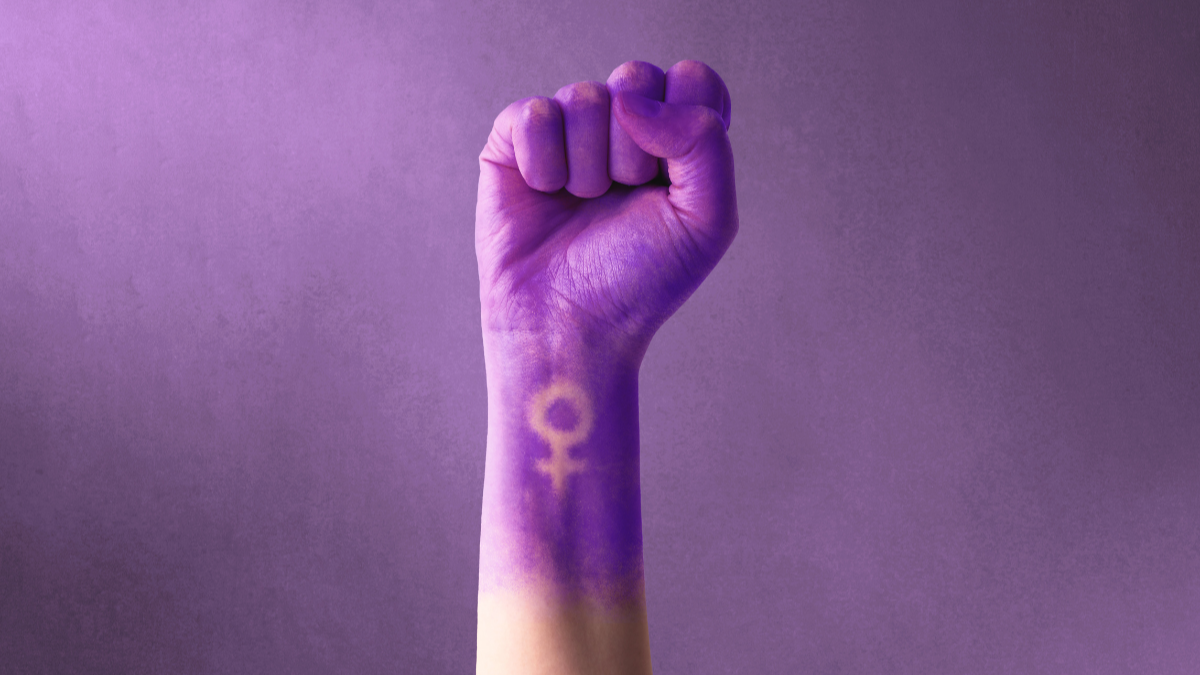
The reverberations of feminism, a seismic force reshaping societal strata, are multifaceted and far-reaching. To deny its impact is akin to denying the existence of gravity. We stand at a critical juncture, a precipice overlooking a landscape molded by decades of feminist activism, grappling with both the triumphs and the tenacious pushback. This isn’t just about women; it’s about the very fabric of our existence.
I. The Ascendancy of Feminist Ideals: A Chronicle of Conquests
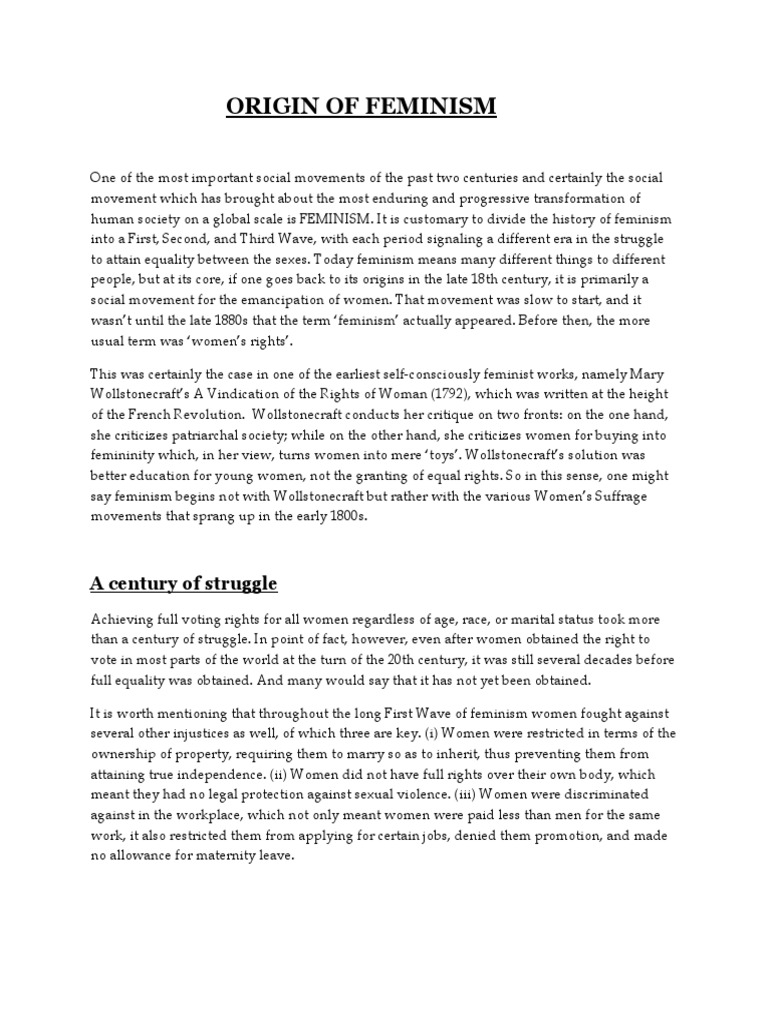
Let’s not mince words; feminism has delivered palpable victories. The right to vote, once a radical fantasy, is now a cornerstone of democracy. The suffragettes, those audacious progenitors, would be proud. Access to education, previously a privilege reserved for the patriarchal elite, is increasingly within reach for women globally. Yet, the battle for equitable educational outcomes persists, a subtle but insidious form of discrimination.
Reproductive autonomy, a battleground constantly under siege, remains a crucial front. Women’s control over their bodies is not a matter of debate; it’s a fundamental human right. The struggle to decriminalize abortion, to ensure access to safe and affordable reproductive healthcare, is far from over.
Furthermore, the burgeoning awareness surrounding sexual harassment and assault, fueled by movements like #MeToo, has catalyzed a crucial reckoning. Powerful men, previously shielded by their privilege, are finally being held accountable. This is not merely about punishment; it’s about dismantling the culture of impunity that has allowed such atrocities to fester for far too long.
II. The Hydra-Headed Pushback: Resistance to Progress
However, the path to true equality is not paved with roses. The forces of reaction, deeply entrenched in patriarchal structures, are mounting a fierce resistance. This pushback manifests in myriad forms, from insidious microaggressions to overt acts of misogyny.
The rise of anti-feminist movements, often cloaked in the guise of “men’s rights” activism, is a disturbing trend. These groups, fueled by resentment and a profound misunderstanding of feminist principles, seek to delegitimize the movement and undermine its gains. They peddle the myth of reverse discrimination, a patently absurd notion given the persistent systemic inequalities that women face.
The proliferation of online misogyny, a toxic stew of hate speech and harassment, poses a significant threat. Women, particularly those who dare to express feminist views, are routinely subjected to vile abuse and threats, often designed to silence their voices and drive them from public discourse. Social media platforms, despite their purported commitment to combating hate speech, have often proven woefully inadequate in addressing this problem.
Furthermore, the erosion of reproductive rights, orchestrated by conservative legislatures and judicial appointments, represents a grave setback. The relentless attacks on abortion access, the imposition of draconian restrictions on reproductive healthcare, disproportionately impact women of color and those from marginalized communities. This is not simply about restricting access to abortion; it’s about controlling women’s bodies and denying them agency over their own lives.
III. The Labyrinth of Power: Intersecting Inequalities
Feminism, at its core, is about power. It’s about dismantling the structures of power that perpetuate gender inequality and creating a more just and equitable world for all. However, the distribution of power is not uniform. It is refracted through the prism of race, class, sexuality, and other intersecting identities.
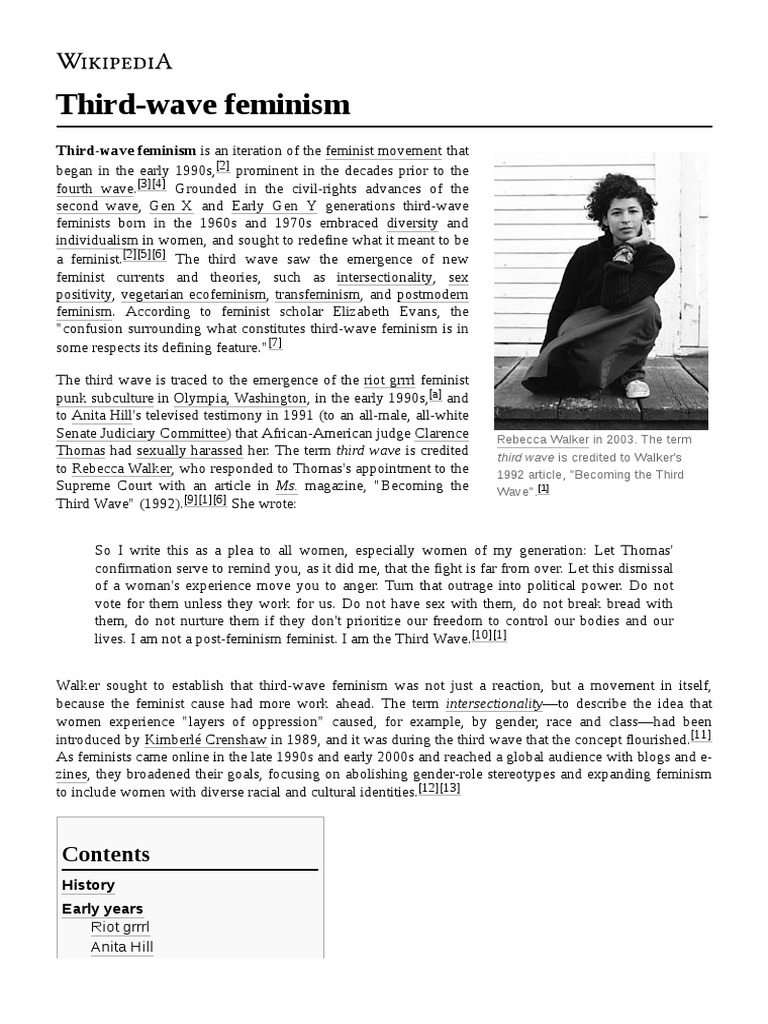
Intersectional feminism, a crucial theoretical framework, recognizes that women’s experiences are shaped by their multiple identities. A Black woman, for example, faces unique challenges that are distinct from those faced by a white woman. To ignore these intersecting inequalities is to render feminism incomplete and ineffective.
The persistent gender pay gap, a stark manifestation of economic inequality, highlights the systemic devaluation of women’s labor. Women, on average, earn less than men for doing the same work. This disparity is even more pronounced for women of color. Closing the gender pay gap requires not only equal pay for equal work but also addressing the systemic biases that perpetuate occupational segregation and limit women’s access to leadership positions.
The underrepresentation of women in leadership positions, particularly in politics and corporate boardrooms, is another symptom of the power imbalance. Women bring diverse perspectives and experiences to the table, and their voices are essential for effective decision-making. Breaking down the barriers that prevent women from rising to leadership positions is crucial for creating a more inclusive and equitable society.
IV. The Specter of Neoliberalism: Complicating the Narrative
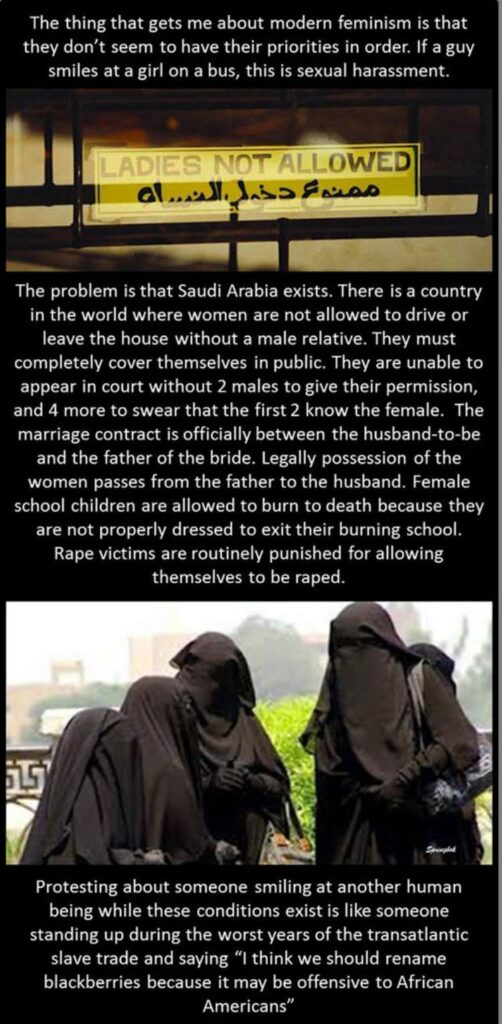
The insidious creep of neoliberalism, with its emphasis on individual responsibility and market-based solutions, has complicated the feminist narrative. The relentless pursuit of individual success, often at the expense of collective action, can undermine feminist solidarity and exacerbate inequalities.
The “lean in” feminism, which encourages women to adapt to existing power structures rather than challenging them, has been criticized for its narrow focus on individual achievement and its failure to address systemic inequalities. This approach, while well-intentioned, can inadvertently reinforce the very structures that perpetuate gender inequality.
The commodification of feminism, the appropriation of feminist symbols and slogans for commercial gain, represents another challenge. Companies often use feminist language in their marketing campaigns without genuinely committing to feminist principles. This form of “femvertising” can be seen as a cynical attempt to exploit feminist sentiment for profit.
V. Beyond the Binary: Embracing Trans Inclusion
Feminism must be unequivocally inclusive of transgender women. To exclude trans women from the feminist movement is not only morally reprehensible but also strategically self-defeating. Trans women are women, and their experiences are an integral part of the feminist struggle.
The TERF (trans-exclusionary radical feminist) ideology, which seeks to exclude trans women from feminist spaces and deny their womanhood, is a dangerous and divisive force. This ideology is based on a rigid and essentialist understanding of gender that is incompatible with feminist principles.
Embracing trans inclusion requires challenging cisnormativity, the assumption that everyone is cisgender. It requires recognizing the diversity of gender identities and expressions and advocating for the rights and well-being of all transgender people.
VI. The Future of Feminism: A Call to Action
The future of feminism hinges on our ability to build a broad and inclusive movement that addresses the intersecting inequalities that women face. It requires a commitment to challenging all forms of oppression, from sexism and racism to homophobia and transphobia.
We must continue to amplify the voices of marginalized women, particularly women of color, trans women, and women with disabilities. Their experiences are often overlooked in mainstream feminist discourse, and their perspectives are essential for creating a truly inclusive movement.
We must also challenge the neoliberal framework that undermines feminist solidarity and exacerbates inequalities. We need to advocate for policies that promote economic justice, such as a living wage, affordable childcare, and universal healthcare.
Finally, we must remain vigilant in the face of the relentless pushback against feminist progress. We must be prepared to defend our gains and continue to fight for a world where all women can live with dignity and equality. The struggle is far from over. The gauntlet has been thrown, and we must meet the challenge with unwavering determination and audacious hope. The status quo must be shattered. It is a demand, not a request. Our very existence depends on it. Let the revolution commence.







Leave a Comment