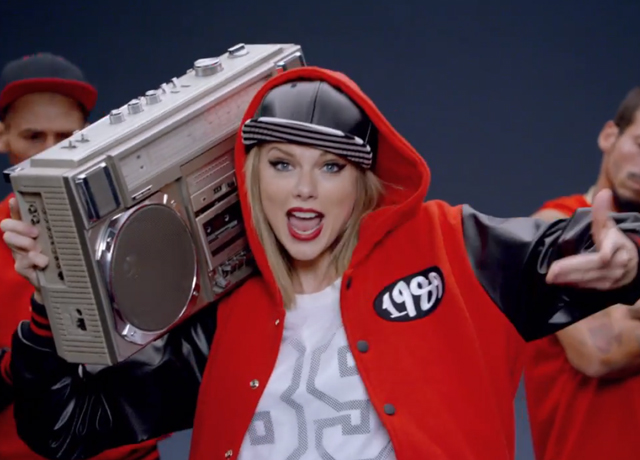
Ah, Taylor Swift. The name alone conjures a maelstrom of reactions, doesn’t it? From gleeful adoration to scathing critiques, she’s become a cultural touchstone, a lightning rod for debates that stretch far beyond the realm of pop music. And at the heart of many of these debates lies a thorny question: Is Taylor Swift a purveyor of white feminism, and if so, what does that even *mean*?
Let’s not tiptoe around the hydra in the room. The discourse surrounding Swift and white feminism isn’t just about whether she’s “a good feminist” or not. It’s about interrogating the very *framework* of feminism itself. It compels us to examine whose voices are amplified, whose experiences are centered, and whose struggles are relegated to the periphery in the relentless pursuit of equality. This isn’t merely a celebrity takedown; it’s a crucial dissection of power dynamics within a movement that purports to be inclusive and intersectional. Buckle up, darlings, because we are about to dive deep.
Understanding White Feminism: A Crash Course in Exclusion
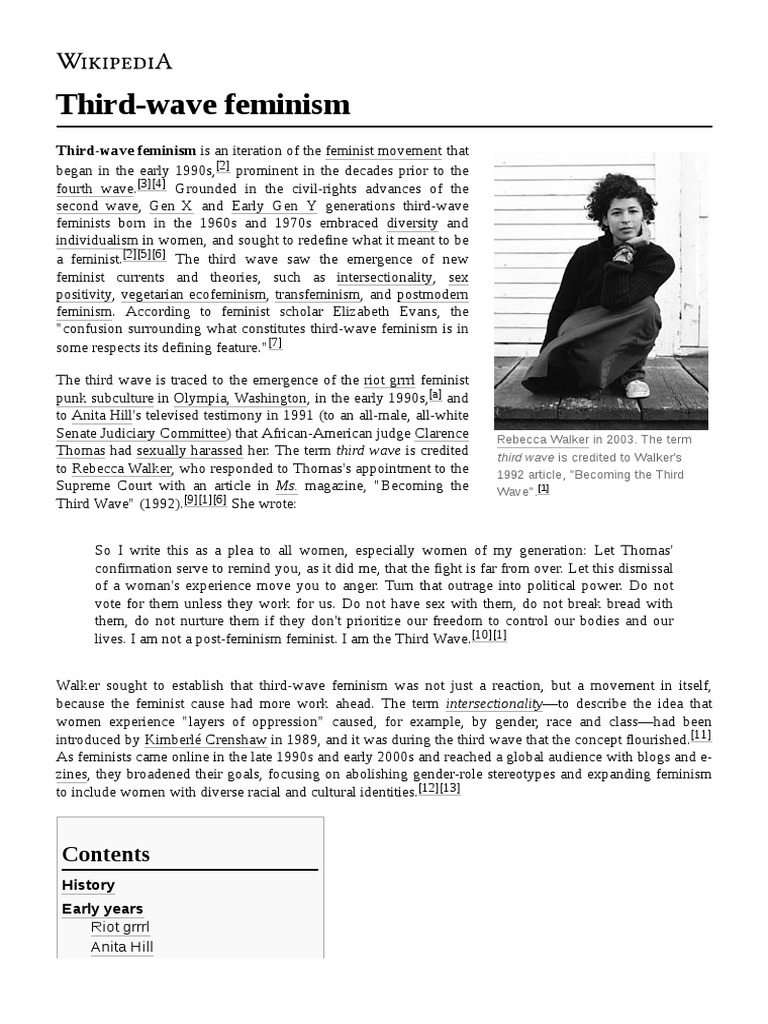
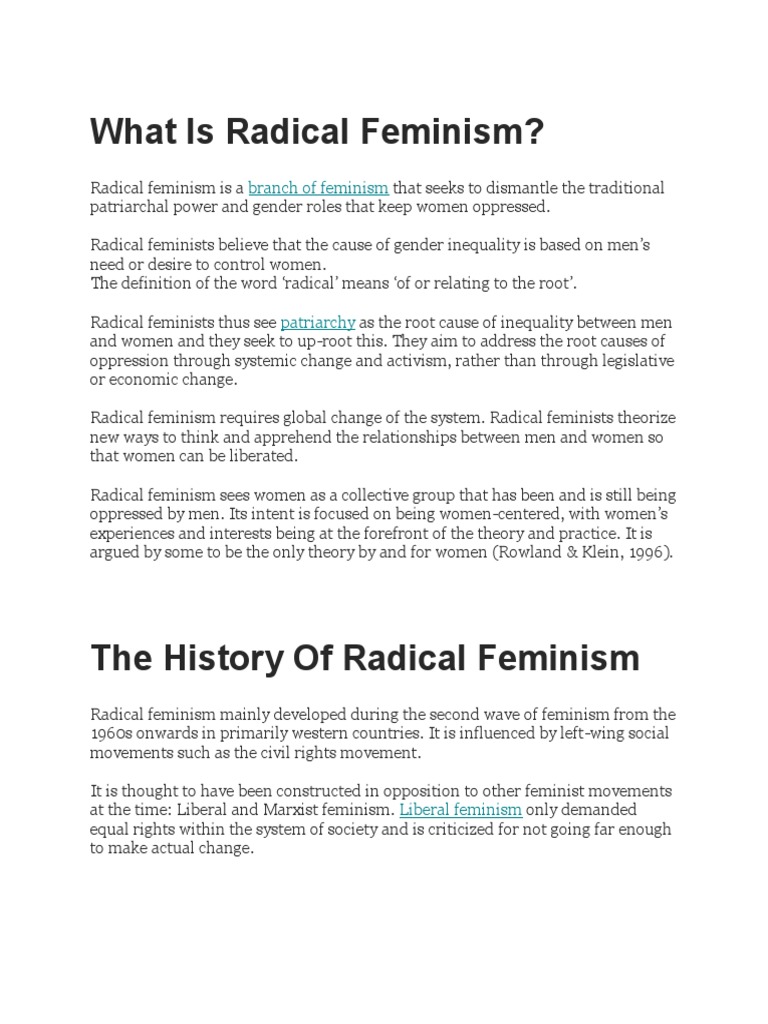
Before we can apply the label, we need to define what we’re actually talking about. White feminism, at its core, is a brand of feminism that prioritizes the concerns and experiences of white, cisgender, middle-to-upper class women, often at the expense of marginalized communities. It tends to focus on issues like breaking the glass ceiling in corporate America, demanding equal pay (for those already in positions of economic privilege), and celebrating individual achievements as evidence of progress, while largely ignoring the systemic barriers faced by women of color, LGBTQ+ women, disabled women, and women from lower socioeconomic backgrounds. It’s a feminism that operates under the delusion that gender is the primary, or even sole, axis of oppression.
Think of it as a gated community of feminist thought. Sure, there are women inside fighting for *their* rights, but the gates are firmly shut to anyone who doesn’t fit a specific, exclusionary mold. It thrives on a narrative of individual triumph, conveniently glossing over the collective struggles that are intrinsically linked to other forms of discrimination. It’s feminism that subtly (or not so subtly) reinforces the very systems it claims to dismantle.
The Evidence: A Close Reading of Swift’s Public Persona
So, where does Taylor Swift fit into all of this? Critics argue that her brand of feminism, particularly in its earlier iterations, has been overwhelmingly white-centric. Her “girl squad,” for example, was frequently criticized for its lack of diversity. The narratives in her music, while often empowering on a surface level, have tended to revolve around heterosexual relationships and romantic tribulations, largely ignoring the experiences of women outside of that narrow scope. Let’s look at some specific examples.
- Lack of Explicit Political Engagement (Until Relatively Recently): For years, Swift maintained a carefully crafted image of political neutrality. While she sang about heartbreak and self-discovery, she remained conspicuously silent on issues like racial justice, LGBTQ+ rights, and reproductive freedom. This silence, however, spoke volumes. In a world rife with inequity, neutrality often serves to uphold the status quo, which, in this case, benefits those already in positions of power – primarily white, affluent individuals.
- Prioritizing Individual Empowerment Over Systemic Change: Swift’s songs often celebrate individual resilience and self-love, which are undoubtedly important. However, critics argue that this emphasis on personal empowerment can sometimes overshadow the need for broader systemic change. Addressing workplace harassment is essential, and her legal battles can be an important source of guidance to many people who were also affected by such acts. But focusing solely on individual triumphs runs the risk of ignoring the root causes of inequality and the collective action required to dismantle them.
- Strategic Use of Victimhood: Swift has, at times, been accused of weaponizing her perceived victimhood to garner sympathy and deflect criticism. This tactic, some argue, is particularly problematic when employed by someone with immense privilege. Portraying herself as a perpetual victim while benefiting from systemic advantages can be seen as a form of appropriation, trivializing the experiences of those who face genuine and persistent marginalization.
These are not isolated incidents. They represent a pattern, a tendency to prioritize personal gain and maintain a carefully curated image over engaging with complex social issues in a meaningful and substantive way. They paint a portrait of a feminism that is, at best, limited in scope and, at worst, actively complicit in perpetuating inequality.
The Defense: Nuance and Shifting Sands
However, it’s crucial to acknowledge that the story isn’t quite so black and white. Defenses of Swift often point to her evolution as an artist and as an individual. In recent years, she has become more politically vocal, using her platform to advocate for LGBTQ+ rights and to denounce racism and sexism. Her more recent albums have explored themes of social justice and political activism, signaling a willingness to engage with issues beyond the realm of personal experience.
Furthermore, some argue that it’s unfair to expect a pop star to be a perfect feminist icon. Celebrities are not politicians or social scientists; they are entertainers. To hold them to an impossibly high standard of political correctness is, perhaps, unrealistic and unproductive. Shouldn’t we celebrate progress, even if it’s imperfect? And isn’t it possible that Swift’s evolution reflects a genuine desire to learn and grow?
The Gray Areas: Intent vs. Impact
This is where the conversation gets really interesting. Whether or not Swift *intends* to promote white feminism is, in some ways, beside the point. What matters most is the *impact* of her actions and her messaging. Even if her intentions are pure, if her feminism primarily benefits white, affluent women while marginalizing others, then it is, by definition, a form of white feminism. And that has real-world consequences.
It’s also worth considering the power structures at play. Swift operates within a heavily commercialized, patriarchal industry. Her image is carefully managed by publicists and marketing executives who are often more concerned with profit than with social justice. To what extent is she truly in control of her own narrative? And to what extent is she simply playing a role that has been assigned to her?
Beyond Swift: A Call for Intersectional Feminism
Ultimately, the debate surrounding Taylor Swift and white feminism is not just about one person. It’s about the broader need for a more inclusive and intersectional feminism. It’s about recognizing that gender is not the only form of oppression, and that true equality requires dismantling all systems of power that marginalize and oppress. It’s about listening to and amplifying the voices of those who have been historically silenced. This is what it means to have true intersectionality.
We need a feminism that actively challenges racism, sexism, homophobia, transphobia, ableism, and classism. We need a feminism that recognizes that the struggles of women of color are intrinsically linked to the struggles of all marginalized communities. We need a feminism that is not afraid to interrogate its own biases and blind spots. We need a feminism that is not just about individual empowerment but about collective liberation. No more individual gain only shared across the same demography.
The debate surrounding Taylor Swift is a valuable entry point into this crucial conversation. It forces us to confront uncomfortable truths about the limitations of mainstream feminism and to envision a more radical and transformative vision for the future. So, let’s keep talking. Let’s keep questioning. Let’s keep pushing for a feminism that truly includes everyone.






Leave a Comment