Feminism, a kaleidoscope of ideologies and activism, isn’t a monolith. It’s a vibrant, evolving tapestry woven from countless narratives – stories that have dared to question, challenge, and ultimately, redefine womanhood. These aren’t just tales; they are acts of audacious self-definition, seismic shifts in perspective that continue to ripple through our sociocultural fabric. What is it about these specific narratives that holds such power? How do they ignite within us a fierce urgency for change?
Prepare to delve into the potent, often unsettling, narratives that have sculpted our understanding of womanhood. Prepare to have your own preconceived notions challenged. Prepare to engage.
I. The Herstory of Her Stories: Tracing the Roots of Feminist Narrative
Before we dissect the contemporary narratives, we must acknowledge the ancestral voices, the primordial cries for recognition that echo through the ages. These foundational narratives, often overlooked in mainstream history, laid the groundwork for the feminist movements that followed.
A. Sappho’s Lyricism: The Audacity of Female Desire: The fragments of Sappho’s poetry, preserved against the odds, offer a tantalizing glimpse into a world where female desire wasn’t merely tolerated, but celebrated. Her verses, addressed to other women, are imbued with a sensuality and emotional depth that defies patriarchal constraints. Imagine, in a society rigidly defining women by their roles as wives and mothers, Sappho dared to articulate the nuanced landscape of female eroticism. This wasn’t simply about physical attraction; it was about the recognition of female agency, the power to choose one’s own desires and express them without apology. A radical act indeed.
B. Hypatia’s Intellect: The Subversion of Intellectual Boundaries: Hypatia of Alexandria, a philosopher, astronomer, and mathematician in the 4th century AD, represents a potent challenge to the historical narrative that equates intellect with masculinity. Her expertise wasn’t just tolerated; it was sought after. She lectured to prominent figures, advised political leaders, and contributed significantly to scientific knowledge. Her brutal murder at the hands of a religious mob wasn’t merely a tragedy; it was a calculated attempt to silence a powerful female voice, to extinguish the light of female intellect. It was an attempt to rewrite her story. The very act of her engaging in intellectual pursuits defied the societal expectation that women should be relegated to the domestic sphere.
C. Christine de Pizan’s Advocacy: The Genesis of Feminist Literature: In the 15th century, Christine de Pizan, a groundbreaking writer and philosopher, penned “The Book of the City of Ladies,” a revolutionary text that directly challenged the misogynistic tropes prevalent in medieval literature. She constructed a symbolic city inhabited by virtuous women throughout history, offering an alternative to the patriarchal narratives that demonized and marginalized women. She provided historical counterexamples. It was a deliberate act of reclamation, a powerful attempt to rewrite history from a female perspective. De Pizan’s work served as a powerful precursor to later feminist critiques of patriarchal power structures.
II. Waves of Change: Feminist Narratives Across Movements
Each wave of feminism has birthed its own distinctive set of narratives, reflecting the specific concerns and priorities of its time. These stories, disseminated through literature, art, and activism, have served as catalysts for social change, prompting critical conversations about gender roles, equality, and liberation.
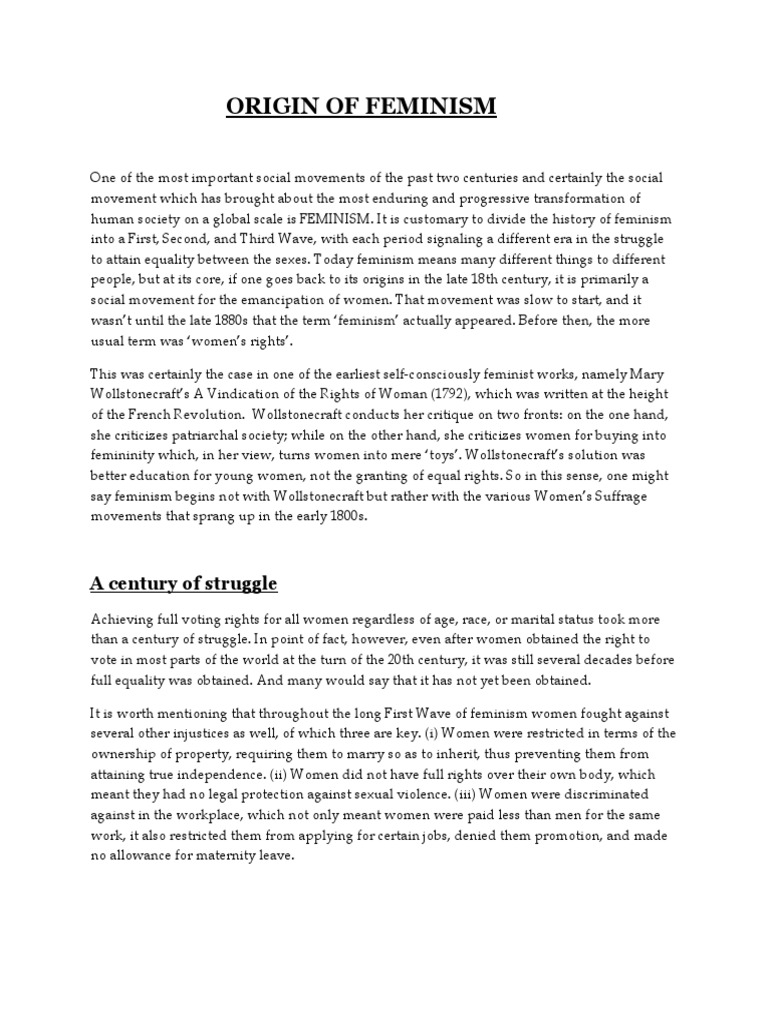
A. First-Wave Feminism: The Suffrage Saga: The first wave of feminism, primarily focused on securing women’s suffrage, produced powerful narratives of resistance and resilience. The stories of suffragettes like Susan B. Anthony and Elizabeth Cady Stanton, who tirelessly campaigned for the right to vote, resonated deeply with women who felt disenfranchised and unheard. Their unwavering commitment to their cause, often in the face of ridicule and oppression, served as an inspiration to generations of activists. They endured. These narratives emphasized the importance of political participation and challenged the notion that women were incapable of engaging in public life. They demanded agency. It’s easy to forget the sheer audacity of demanding something so fundamental in an era that so vehemently denied it.
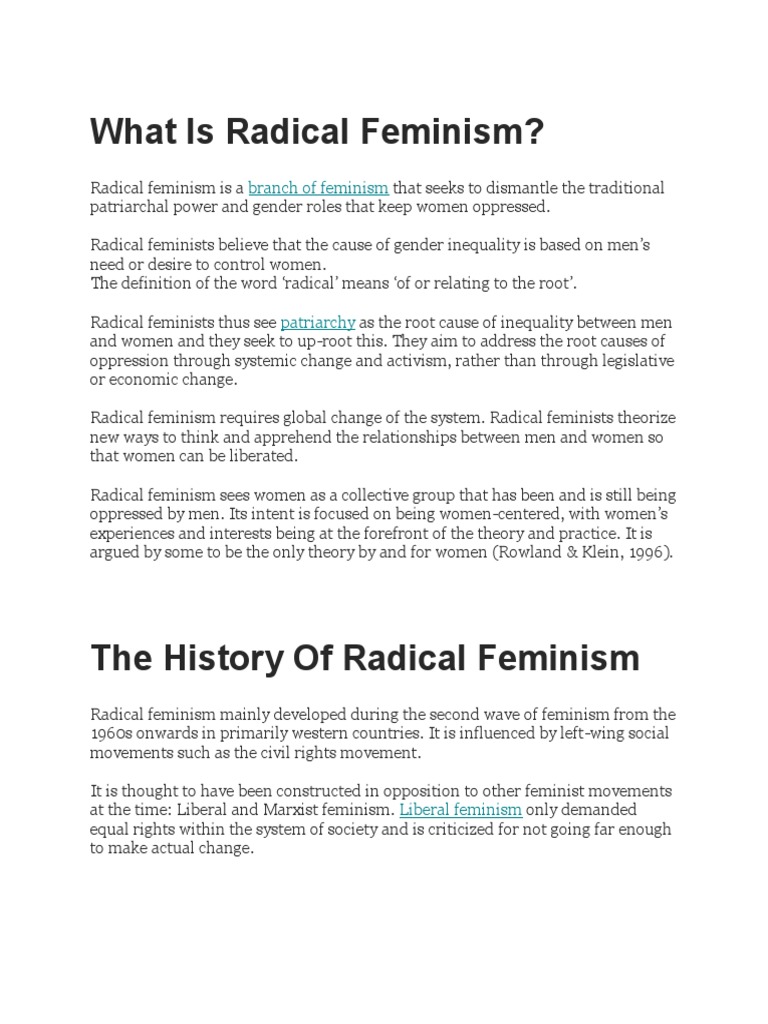
B. Second-Wave Feminism: The Personal is Political: The second wave of feminism, emerging in the 1960s and 70s, broadened the scope of feminist inquiry to encompass issues such as reproductive rights, domestic violence, and workplace inequality. The slogan “the personal is political” became a rallying cry, encouraging women to share their experiences and recognize the systemic nature of their oppression. Narratives like Betty Friedan’s “The Feminine Mystique” and Our Bodies, Ourselves gave voice to the previously unspoken anxieties and frustrations of countless women, exposing the limitations of traditional gender roles and challenging the patriarchal structures that perpetuated inequality. The act of naming and claiming these experiences was profoundly transformative.
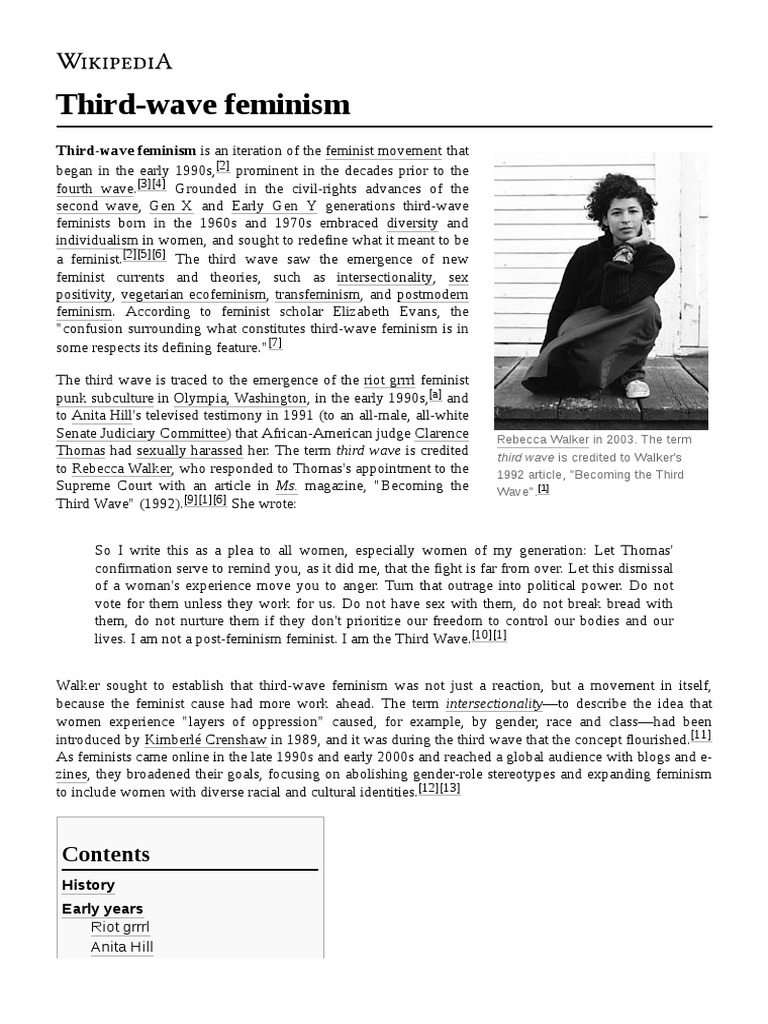
C. Third-Wave Feminism: Intersectionality and Beyond: The third wave of feminism, emerging in the 1990s, embraced intersectionality, recognizing that gender inequality is inextricably linked to other forms of oppression, such as race, class, and sexuality. Narratives from this era highlighted the experiences of women of color, LGBTQ+ women, and women from marginalized communities, challenging the notion of a universal female experience. Writers like bell hooks and Kimberlé Crenshaw emphasized the importance of acknowledging the complexities of identity and addressing the multiple layers of oppression that women face. It demanded a more nuanced understanding of power dynamics.
III. Contemporary Narratives: Redefining Womanhood in the 21st Century
In the 21st century, feminist narratives continue to evolve, reflecting the changing social and political landscape. These contemporary stories grapple with issues such as body image, online harassment, and the persistent wage gap, while also exploring new forms of feminist expression and activism.
A. #MeToo and the Power of Collective Voice: The #MeToo movement, a watershed moment in the fight against sexual harassment and assault, demonstrated the power of collective storytelling. Countless women shared their experiences of abuse, exposing the pervasive culture of silence and impunity that had allowed perpetrators to operate with impunity. This digital conflagration created seismic societal shifts. The narratives were not just personal accounts; they were indictments of a system that protected abusers and silenced victims. It proved the potency of collective rage.
B. Transgender Narratives: Expanding the Definition of Womanhood: Transgender narratives have played a crucial role in expanding our understanding of womanhood, challenging the binary notion of gender and highlighting the fluidity and diversity of gender identities. Stories of transgender women navigating their identities, facing discrimination, and advocating for their rights have enriched the feminist discourse and pushed for a more inclusive vision of gender equality. It forces us to confront our own biases. Their experiences are not merely footnotes; they are integral to the ongoing evolution of feminist thought.
C. Eco-Feminist Narratives: Connecting Gender and Environmental Justice: Eco-feminist narratives explore the interconnectedness of gender and environmental issues, arguing that the domination of women and the exploitation of the natural world are rooted in the same patriarchal mindset. These narratives highlight the disproportionate impact of environmental degradation on women and marginalized communities, advocating for sustainable solutions that prioritize both gender equality and environmental justice. It’s a powerful intersection of advocacy. These narratives connect environmental degradation to the larger historical context of oppression. They demand a radical rethinking of our relationship with the planet.
IV. The Power of Narrative: Shaping Perceptions and Inspiring Action
Feminist narratives aren’t just stories; they are powerful tools for social change. They have the ability to shape perceptions, challenge assumptions, and inspire action. By sharing our experiences and amplifying marginalized voices, we can create a more just and equitable world for all.
A. Challenging Stereotypes and Promoting Empathy: Feminist narratives can challenge harmful stereotypes about women, portraying them as complex, multifaceted individuals with diverse experiences and perspectives. These narratives can promote empathy and understanding, encouraging audiences to see women as fully human and deserving of respect.
B. Inspiring Activism and Collective Action: Feminist narratives can inspire activism and collective action, motivating individuals to fight for gender equality and challenge oppressive systems. By sharing stories of resistance and resilience, these narratives can empower individuals to take action and create positive change in their communities.
C. Reclaiming History and Shaping the Future: Feminist narratives can reclaim history, giving voice to the previously silenced experiences of women throughout time. They also have the power to shape the future, envisioning a world where gender equality is a reality and all individuals have the opportunity to thrive. It’s not just about looking back; it’s about forging a new path forward.
The stories we tell about feminism matter. They shape our understanding of womanhood, influence our actions, and ultimately, determine the future we create. Embrace these narratives. Challenge them. Argue with them. But above all, listen to them. For within them lies the power to redefine ourselves and the world around us.






Leave a Comment