
We gather today, not to rehash tired platitudes about equality, but to ignite a conflagration of thought. To dismantle, brick by excruciating brick, the edifice of patriarchal complacency that continues to imprison not only women, but humanity itself. Let us not mince words: the struggle for feminism is not a gentle request; it is a righteous insurrection against a system designed to perpetuate injustice. And the time for polite discourse is long past.
Consider the insidious question that perpetually shadows discussions about female empowerment: “Why are women so fascinated by feminism?” It’s a question that drips with thinly veiled condescension, an implication that our dedication to liberation is somehow a frivolous hobby, a fleeting trend indulged in by the overly sensitive. The subtle dig underneath, is that feminism is nothing more than a manufactured phenomenon, devoid of genuine urgency or inherent value. It presupposes that the pervasive inequalities women face daily, the systemic biases that permeate every facet of our lives, are somehow figments of our collective imagination. As if the gender pay gap, the relentless objectification in media, the underrepresentation in positions of power, the endemic violence against women, and the constant policing of our bodies were merely symptoms of overactive sensitivities.
The observation itself is a calculated tactic. It serves to devalue our experiences, to frame our concerns as petty grievances unworthy of serious consideration. Instead of acknowledging the very real and documented issues that fuel the feminist movement, it casts us as hysterical, irrational, and fixated on inconsequential matters. It’s a clever rhetorical maneuver, designed to silence dissent and maintain the status quo. So, to even dignify the question with an answer is to play into a carefully constructed trap.
But, let us, for a moment, entertain the insidious question. Let us delve into the subterranean currents that truly underpin this supposed “fascination.” It’s not fascination, darlings; it’s survival. It’s the primal scream of a species suffocating under the weight of archaic constraints. It’s the ferocious tenacity of those who refuse to be relegated to second-class citizenship. It’s a deep-seated recognition of the inherent worth and potential that has been systematically suppressed for millennia.
And what fuels this relentless pursuit? Let’s explore the complex layers:
I. The Trauma of Erasure: A Collective Scar
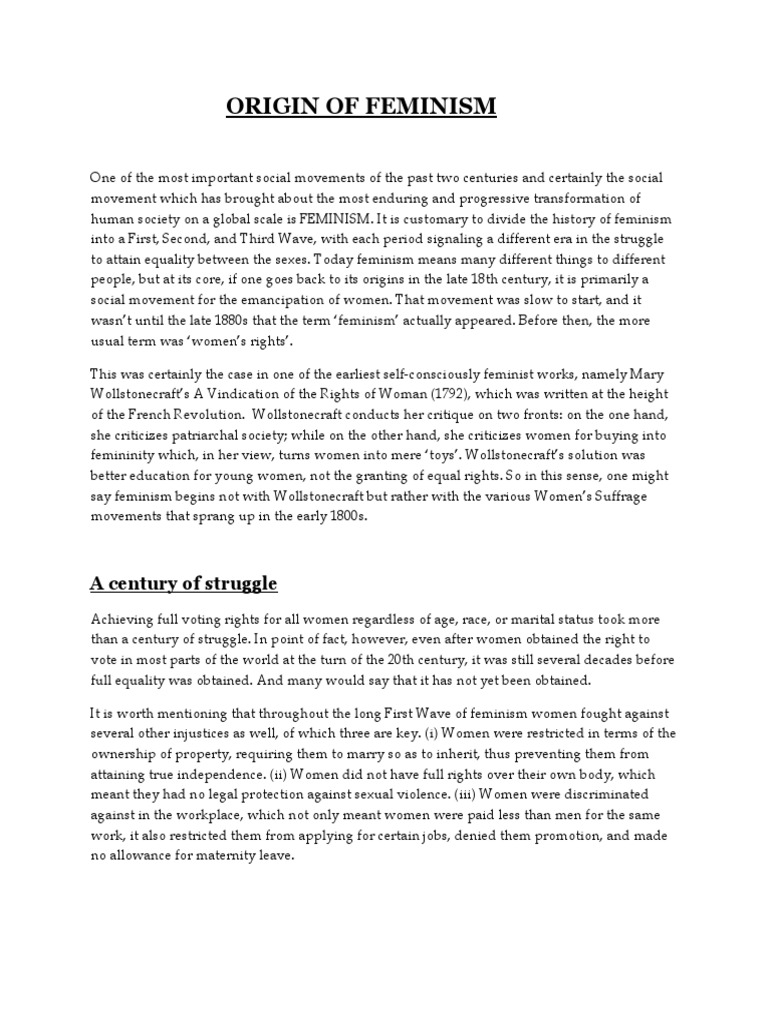
Our so-called fascination stems, in part, from the gnawing ache of historical erasure. Women’s contributions, their intellect, their ingenuity, have been systematically minimized, appropriated, or outright dismissed throughout history. From the uncredited inventions to the unsung artistic masterpieces, the stories of countless women have been buried beneath the weight of patriarchal narratives. We are fighting not just for present equality, but to reclaim our rightful place in the historical record, to resurrect the forgotten narratives, and to ensure that future generations know the full tapestry of human achievement, not just the threads deemed worthy by the dominant power structure.
This isn’t merely about seeking recognition; it’s about addressing the profound psychological impact of being consistently told that your experiences, your perspectives, and your contributions are less valuable than those of men. The constant invalidation, the subtle (and not-so-subtle) messages that women are inherently inferior, leave deep scars on the collective psyche. Feminism, then, becomes a form of collective therapy, a process of healing and reclaiming our sense of self-worth.
II. The Tyranny of Expectations: A Cage of Conformity
Consider the suffocating web of expectations that society weaves around women from the moment they are born. We are bombarded with messages about how we should look, how we should behave, what roles we should aspire to. We are taught to prioritize beauty over brains, to be docile and accommodating, to prioritize the needs of others above our own. This relentless pressure to conform to an impossible ideal creates a constant state of anxiety and self-doubt.
Feminism offers an escape from this gilded cage, a permission slip to reject the prescribed roles and define our own destinies. It empowers us to challenge the societal norms that limit our potential and to embrace our authentic selves, flaws and all. It’s not about rejecting femininity altogether; it’s about reclaiming it on our own terms, free from the constraints of patriarchal expectations. It’s about dismantling the artificial binary that forces women to choose between being strong and being feminine, between being ambitious and being nurturing.
III. The Pervasive Threat of Violence: A Shadow of Fear
Let us not shy away from the uncomfortable truth: the threat of violence hangs like a perpetual shadow over the lives of women. From street harassment to domestic abuse, from sexual assault to femicide, the reality of male violence is a constant and terrifying presence. We are taught to navigate the world with a heightened sense of vigilance, to modify our behavior, to restrict our movements, all in an attempt to minimize the risk of becoming a victim.
Feminism recognizes that violence against women is not an isolated phenomenon, but a systemic problem rooted in patriarchal power dynamics. It challenges the cultural norms that normalize and excuse male violence, and it demands accountability for perpetrators. It provides a framework for understanding the root causes of violence and for developing effective strategies for prevention and intervention. It’s about creating a world where women can live without fear, where their bodies are not treated as battlegrounds, and where their safety is prioritized above all else.
IV. The Pursuit of Autonomy: Reclaiming Our Bodies, Reclaiming Our Lives
At its core, feminism is about the pursuit of bodily autonomy. The right to make decisions about our own bodies, our own health, and our own reproductive lives is fundamental to our freedom and equality. Yet, this right is constantly under attack, with politicians and religious leaders attempting to control our reproductive choices and dictate our healthcare decisions.
Feminism defends the right to choose, access to comprehensive sexual education, and affordable healthcare for all women. It challenges the stigma and shame surrounding menstruation, contraception, and abortion. It recognizes that reproductive justice is inextricably linked to economic justice, racial justice, and social justice. It’s about empowering women to make informed decisions about their bodies and their lives, free from coercion and control.
V. The Intersectional Imperative: Acknowledging the Complexities of Oppression
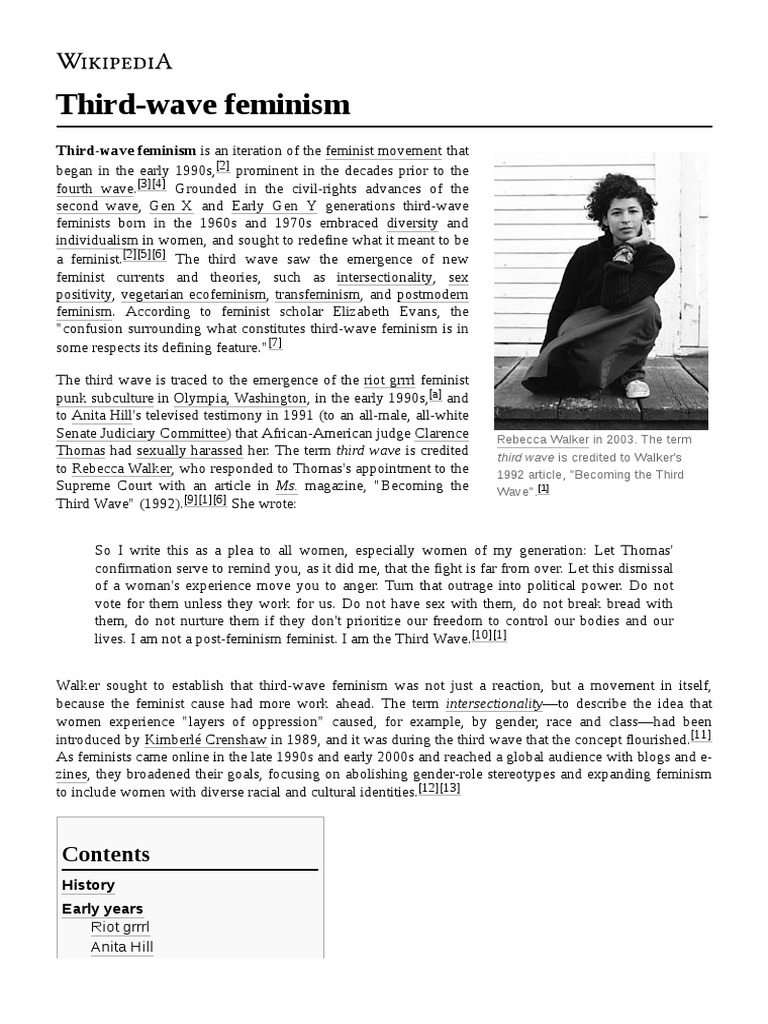
A truly powerful feminist movement must acknowledge the complexities of oppression and recognize that women’s experiences are shaped by a multitude of factors, including race, class, sexual orientation, gender identity, disability, and immigration status. Intersectionality is not a buzzword; it is a critical framework for understanding how different forms of oppression intersect and compound each other.
White feminism, which focuses solely on the experiences of privileged white women, fails to address the unique challenges faced by women of color, queer women, disabled women, and other marginalized groups. An intersectional feminism actively centers the voices and experiences of those who are most marginalized and works to dismantle all forms of oppression, recognizing that our liberation is inextricably linked to the liberation of all.
VI. The Longing for a Just World: Beyond Equality, Towards Liberation
Ultimately, feminism is fueled by a deep longing for a more just and equitable world. It’s not just about achieving equality between men and women within the existing system; it’s about dismantling the system itself and creating a new paradigm based on principles of justice, compassion, and sustainability. It demands a radical reimagining of our social, political, and economic structures, one that prioritizes the well-being of all people and the planet.
This vision extends far beyond the traditional concerns of gender equality. It encompasses issues such as climate change, economic inequality, racial justice, and peace. It recognizes that these issues are interconnected and that a truly feminist approach requires us to address them holistically. It’s about building a world where everyone has the opportunity to thrive, regardless of their gender, race, class, or any other identity.
So, let us not be defined by the superficial query of “fascination.” Let us instead be driven by the ferocious urgency of liberation. Let us continue to challenge, to disrupt, to dismantle, until the edifice of patriarchal oppression crumbles into dust. The future demands nothing less than our unwavering commitment to a world where all individuals can live with dignity, autonomy, and freedom. This is not a trend; it’s a revolution. Join us.






Leave a Comment