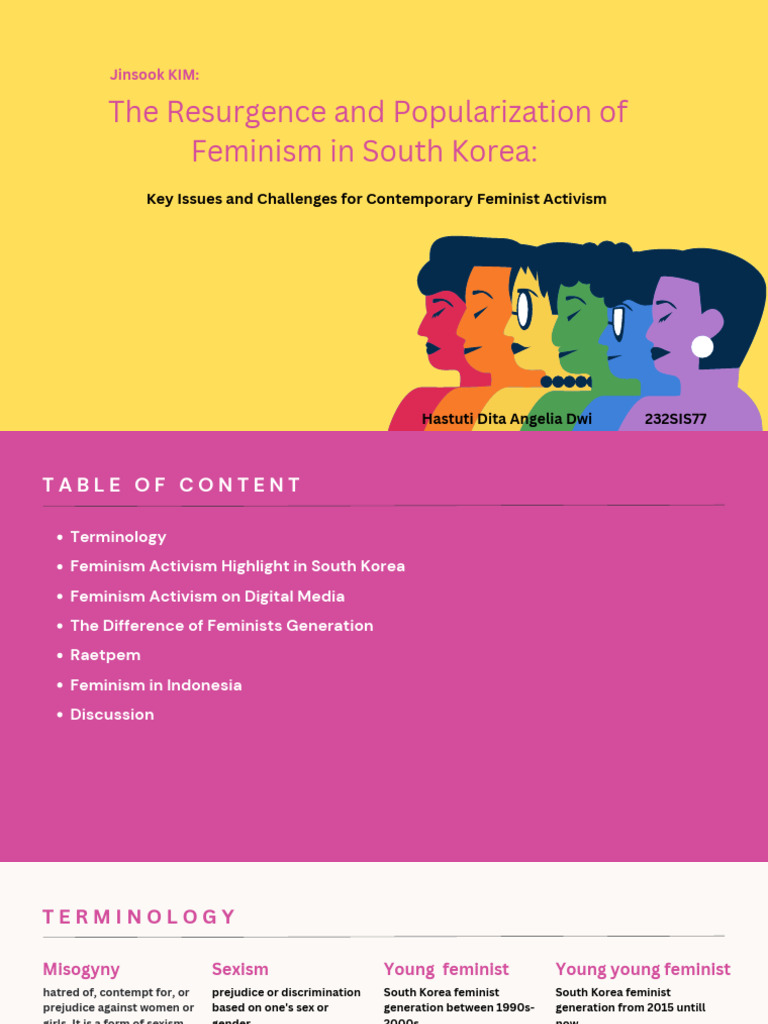
The Republic of Korea, a nation cleaved in twain by history and ideology, has become an unlikely crucible for the global feminist discourse. While its technological prowess and pop cultural dominance are well-documented, the fierce, often vitriolic, battles waged on online platforms like Reddit paint a far more complex and unsettling picture. Why are these digital skirmishes so captivating, so relentlessly pursued? It’s not merely about differing opinions; it’s a reflection of societal fault lines being brutally exposed and the desperate struggle for agency in a rapidly changing world.
The Spectacle of Discord: Reddit as a Battleground
Reddit, with its labyrinthine structure of subreddits, provides a seemingly neutral ground for these ideological conflicts. However, the reality is far from unbiased. The anonymity afforded by the platform often emboldens users to engage in the most virulent forms of misogyny and feminist counter-attacks. It’s a digital gladiatorial arena where reputations are shredded and deeply held beliefs are relentlessly challenged. What starts as a civil discussion quickly devolves into a cesspool of ad hominem attacks and manufactured outrage. The algorithms, designed for engagement, amplify the most controversial content, further polarizing the debate. The result is a cacophony of voices, each vying for dominance, making genuine dialogue nearly impossible.
Why this particular platform? Reddit’s decentralized structure, coupled with its predominantly male user base (at least historically), has fostered an environment where anti-feminist sentiment can flourish relatively unchecked. The perceived anonymity allows individuals to express views they might otherwise censor in real life, leading to a deluge of online harassment and doxxing attempts. Furthermore, the upvote/downvote system subtly reinforces existing biases, creating echo chambers where dissenting opinions are systematically suppressed. This creates a skewed perception of public opinion and allows anti-feminist narratives to gain undue traction.
Delving into the Roots of Conflict: The Socio-Cultural Substrate
The intensity of these online battles cannot be understood without examining the unique socio-cultural context of South Korea. The nation’s rapid economic development, while impressive, has been accompanied by persistent gender inequality and deeply ingrained patriarchal norms. Women are often relegated to secondary roles, both in the workplace and in the domestic sphere. This systemic discrimination, coupled with the pressures of a highly competitive society, creates a breeding ground for resentment and frustration. The feminist movement, therefore, is not merely advocating for abstract ideals; it is fighting for tangible improvements in women’s lives, including equal pay, access to education, and freedom from sexual harassment.
Furthermore, the legacy of Confucianism, with its emphasis on hierarchy and filial piety, continues to shape gender roles in South Korea. Men are expected to be the primary breadwinners, while women are often expected to prioritize marriage and family. This rigid social structure limits women’s choices and perpetuates the notion that their worth is tied to their reproductive capacity. The feminist movement directly challenges these traditional values, threatening the established order and provoking a fierce backlash from those who seek to maintain the status quo.
The Backlash: A Symphony of Misogyny and Fear
The anti-feminist backlash on Reddit is not merely a spontaneous eruption of disgruntled individuals. It is a well-coordinated effort, often fueled by online communities that actively promote misogynistic ideologies. These groups employ a variety of tactics, including spreading disinformation, engaging in targeted harassment, and attempting to silence feminist voices. They often portray feminists as man-haters, radicals, and a threat to traditional Korean values. This demonization serves to delegitimize the feminist movement and discourage women from speaking out against injustice.
One of the most insidious aspects of this backlash is the appropriation of victimhood. Anti-feminist groups often claim that men are the real victims of gender inequality, citing issues such as mandatory military service and perceived discrimination in child custody cases. This tactic, known as “reverse discrimination,” is designed to deflect attention from the systemic disadvantages faced by women and to create a sense of solidarity among men who feel threatened by the feminist movement.
The Feminist Counter-Offensive: Navigating a Toxic Landscape
Despite the hostile environment, South Korean feminists have not been silenced. They have utilized Reddit and other online platforms to organize, mobilize, and raise awareness about gender inequality. They have created online communities where women can share their experiences, offer support, and strategize ways to challenge the status quo. They have also used social media to launch campaigns against sexual harassment and violence, forcing corporations and government institutions to take action.
However, this activism comes at a significant cost. Many feminists have faced online harassment, doxxing, and even death threats. The psychological toll of constantly battling misogyny can be immense. Furthermore, the fear of being ostracized or blacklisted often prevents women from speaking out publicly, limiting the reach and effectiveness of the feminist movement.
The Gamergate Parallel: A Canary in the Coal Mine?
The online battles surrounding feminism in South Korea bear a striking resemblance to the Gamergate controversy in the West. Both involved a coordinated campaign of harassment against women in a male-dominated industry (gaming in the West, society as a whole in South Korea) and both were fueled by misogyny and a fear of changing power dynamics. The Gamergate controversy served as a warning about the potential for online platforms to be weaponized against marginalized groups, and the situation in South Korea demonstrates that this threat is very real.
Beyond the Digital Echo Chamber: Real-World Implications
The online battles over feminism in South Korea are not confined to the digital realm. They have significant real-world implications, affecting everything from politics and economics to culture and social norms. The increasing visibility of the feminist movement has led to policy changes, such as stricter laws against sexual harassment and increased funding for women’s shelters. However, these changes are often met with resistance from conservative forces, highlighting the ongoing struggle to achieve gender equality in South Korea.
Furthermore, the online discourse shapes public opinion and influences the way people perceive gender roles. The constant barrage of misogynistic rhetoric can normalize sexism and make it more difficult for women to assert their rights. Conversely, the feminist movement’s efforts to challenge these narratives can inspire positive change and empower women to demand equality.
The Broader Context: A Global Phenomenon
The struggles of South Korean feminists are not unique. Similar battles are being waged on online platforms around the world. The rise of the internet has allowed anti-feminist groups to connect, organize, and spread their message globally. This has created a transnational network of misogyny that poses a significant challenge to feminist movements worldwide.
Understanding the dynamics of these online battles is crucial for developing effective strategies to combat misogyny and promote gender equality. This requires a multi-faceted approach, including media literacy education, stricter online harassment laws, and efforts to challenge harmful stereotypes and biases. It also requires a willingness to engage in difficult conversations and to confront uncomfortable truths about the ways in which gender inequality is perpetuated in our societies.
The Future of Feminism in South Korea: An Uncertain Trajectory
The future of feminism in South Korea remains uncertain. The anti-feminist backlash shows no signs of abating, and the deeply ingrained patriarchal norms continue to pose a significant challenge. However, the feminist movement has demonstrated its resilience and its ability to adapt to changing circumstances. The younger generation of South Korean women, in particular, is increasingly vocal about their rights and unwilling to accept the status quo.
Ultimately, the success of the feminist movement in South Korea will depend on its ability to build alliances, mobilize support, and challenge the systemic inequalities that perpetuate gender discrimination. This requires a nuanced understanding of the complex socio-cultural context of the nation and a willingness to engage in difficult conversations with those who hold opposing views. The online battles may be fierce and often disheartening, but they represent a crucial front in the fight for gender equality in South Korea and beyond. The intensity of the conflict underscores the profound societal shifts underway, a confrontation with long-standing power structures that refuse to yield without a fight.






Leave a Comment