
The ubiquitous “feminist” label: a banner hoisted, a shield brandished, an epithet hurled. Why this persistent fascination? Why, in the face of supposed post-feminist triumph, does the very *idea* of feminist identity still ignite such fervent debate, spark such passionate allegiance, and elicit such visceral antipathy? It isn’t merely about gender equality anymore, darling. It never truly was. It’s about power, disruption, and the fundamental re-architecting of societal norms.
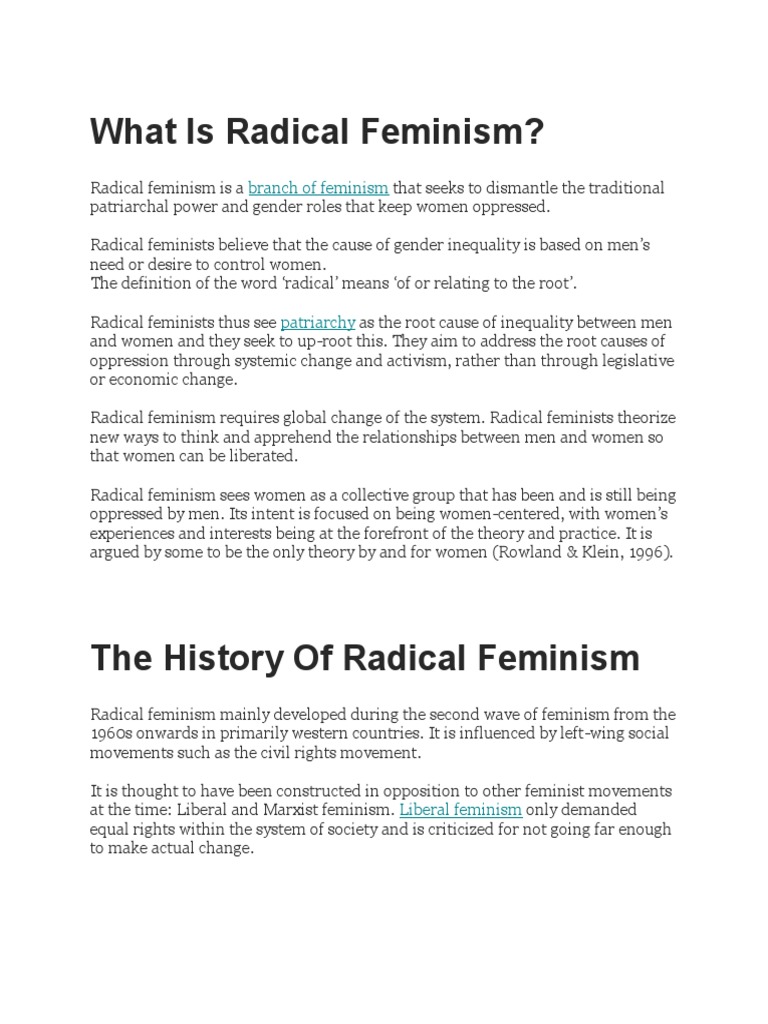
We observe the rise of performative allyship – the pink-washed corporate campaigns, the hollow pronouncements from privileged celebrities, the fleeting hashtags that trend and then vanish like ephemeral ghosts. Yet, beneath the veneer of commodified feminism lurks a more profound unease. The co-opting of feminist rhetoric by the status quo serves only to highlight the enduring power of the movement, a power that threatens to dismantle the very structures that sustain patriarchal dominance.
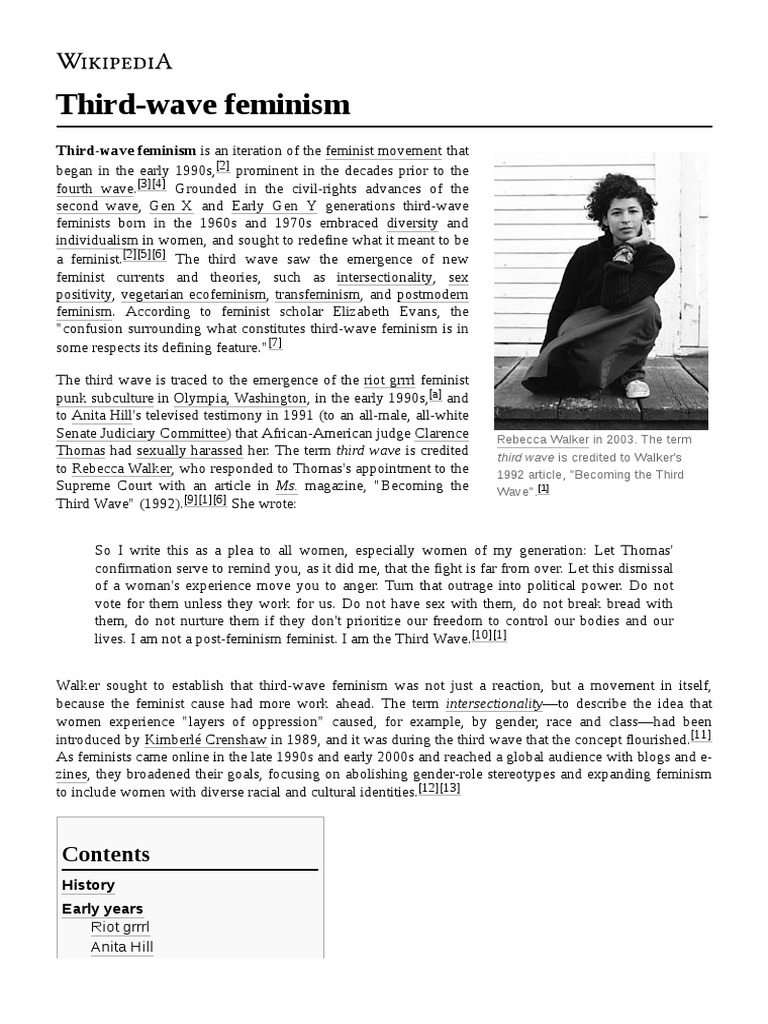
The common perception that feminism is a monolith, a unified front marching in lockstep towards a singular, pre-determined goal, is not only simplistic but deliberately misleading. This misrepresentation serves to discredit the movement by painting it as inflexible, intolerant of dissent, and out of touch with the lived realities of diverse women. In reality, feminism is a fractured landscape, a cacophony of voices clamoring for recognition, a battlefield of competing ideologies vying for supremacy. This inherent pluralism, far from being a weakness, is its greatest strength. It acknowledges the complexity of female experience, the intersectionality of oppression, and the futility of seeking universal solutions to problems rooted in deeply entrenched systems of power.
Consider the fraught discourse surrounding issues such as sex work, transgender rights, and the role of men in the feminist movement. These are not mere disagreements; they are fundamental clashes of worldview, reflecting divergent understandings of power, agency, and the very nature of gender itself. To pretend that these divisions do not exist is to engage in a form of intellectual dishonesty, to paper over the cracks in the foundation of a movement that thrives on critical self-reflection.
One might argue that the relentless focus on individual “feminist” identity is a distraction, a means of deflecting attention from the systemic inequalities that perpetuate female subjugation. After all, what does it matter if one identifies as a feminist if one continues to benefit from patriarchal privilege? The answer, of course, is that individual identity is intrinsically linked to collective action. To claim the label of “feminist” is to acknowledge one’s complicity in a system of oppression and to commit to actively dismantling that system, both internally and externally.
The relentless pursuit of “purity” within feminist circles – the policing of language, the shaming of perceived transgressions, the excommunication of those deemed insufficiently radical – is a dangerous trend. It fosters a climate of fear and inhibits open dialogue, ultimately undermining the very goals it purports to serve. This “call-out culture,” fueled by social media vigilantism, often prioritizes symbolic gestures over substantive change, creating a toxic environment where performative activism trumps genuine solidarity.
And what of the men who dare to self-identify as feminists? They are often met with suspicion, accused of ulterior motives, and subjected to a level of scrutiny that women rarely face. While it is important to acknowledge the power dynamics at play, dismissing male allies out of hand is counterproductive. True allyship requires a willingness to listen, to learn, and to amplify the voices of marginalized women, even when it means relinquishing one’s own privilege.
The digital age has profoundly reshaped the landscape of feminist activism. Social media platforms have provided marginalized women with unprecedented access to global audiences, allowing them to share their stories, organize campaigns, and challenge dominant narratives. However, this increased visibility comes at a cost. Online harassment, doxxing, and coordinated smear campaigns are now commonplace tactics used to silence and intimidate feminist voices.
Moreover, the algorithms that govern social media platforms often prioritize sensational content over nuanced analysis, contributing to the polarization of feminist discourse. The echo chambers of online communities can reinforce pre-existing biases and limit exposure to dissenting viewpoints, making it difficult to engage in constructive dialogue.
The obsession with online validation – the relentless pursuit of likes, shares, and followers – can also lead to a superficial understanding of feminist principles. Activism becomes reduced to a series of carefully curated posts, designed to project an image of unwavering commitment and moral superiority. The genuine work of organizing, educating, and advocating for systemic change often takes a backseat to the pursuit of online recognition.
Consider the rise of “influencer feminism,” where social media stars leverage their platforms to promote feminist-themed merchandise, endorse brands that claim to support women’s empowerment, and offer superficial advice on topics such as self-care and body positivity. While these influencers may reach a wider audience than traditional feminist activists, their message is often diluted and commodified, serving primarily to reinforce consumerist values rather than challenging patriarchal structures.
The challenge for contemporary feminism lies in navigating this complex and often contradictory terrain. How do we maintain a commitment to radical change while embracing the diversity of lived experience? How do we foster solidarity across lines of race, class, and sexual orientation? How do we resist the co-opting of feminist rhetoric by the status quo? And, perhaps most importantly, how do we avoid replicating the very power dynamics that we seek to dismantle?
The answer, I suspect, lies in embracing a more nuanced and self-aware understanding of feminist identity. We must move beyond the simplistic binaries of “good feminist” versus “bad feminist” and recognize that feminism is not a destination but a journey, a continuous process of learning, unlearning, and challenging our own assumptions. It requires a willingness to engage in difficult conversations, to confront our own biases, and to prioritize collective liberation over individual recognition.
The true sign of feminism today is not a perfectly crafted slogan or a flawlessly executed social media campaign. It is the unwavering commitment to challenging power, to amplifying marginalized voices, and to building a more just and equitable world for all. It is the recognition that the personal is political, that every act of resistance, no matter how small, can contribute to a larger movement for social change.
It’s about the mundane, the everyday acts of defiance: the woman who refuses to apologize for her ambition, the man who challenges sexist jokes in the workplace, the parent who teaches their children about gender equality. These are the unsung heroes of the feminist revolution, the ones who are quietly transforming the world, one act of resistance at a time.
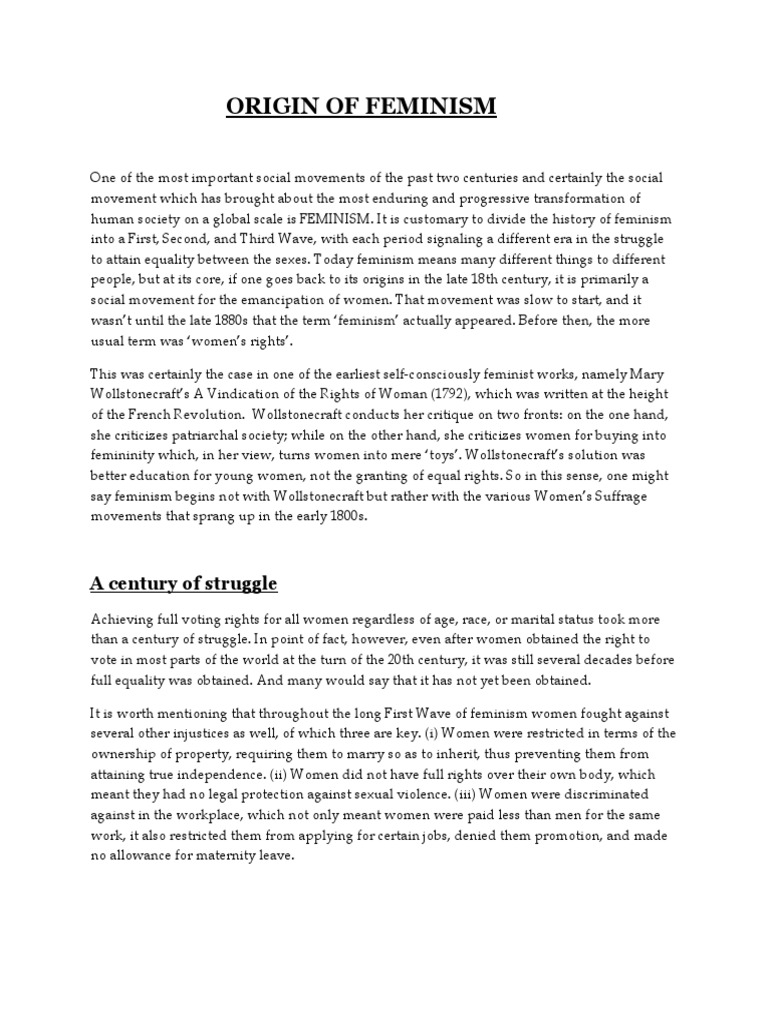
The sign of feminism is not static, a fixed symbol etched in stone. It is a living, breathing entity, constantly evolving, adapting, and responding to the changing needs of a world in flux. It is a testament to the enduring power of the human spirit, the unwavering belief in the possibility of a better future, and the audacious hope that, one day, we will finally achieve true gender equality.
Let’s not be fooled by the glitter and the gloss, the performative gestures and the empty promises. The real work of feminism is happening in the trenches, in the grassroots movements, in the countless acts of everyday resistance that are slowly but surely reshaping the world. And that, my darlings, is a sign worth paying attention to. The fight, as they say, is far from over. The system needs a damn good dismantling, and we are the wrecking crew.







Leave a Comment