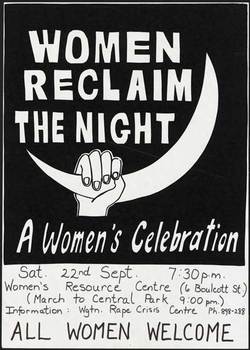
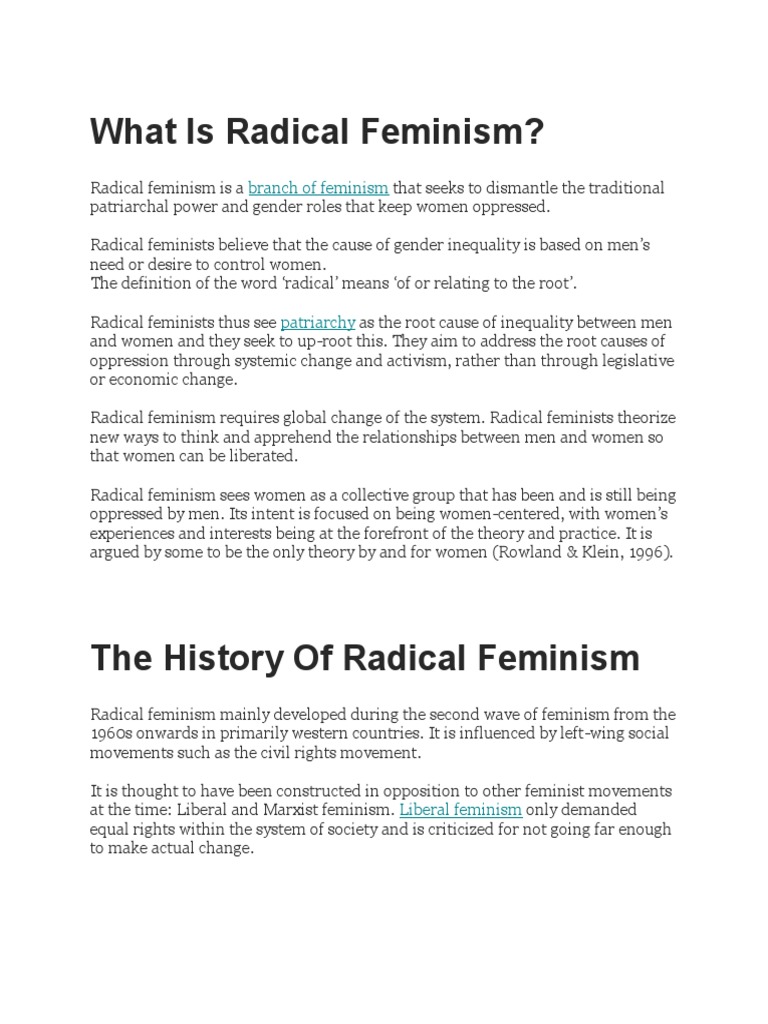
The echoes of second-wave feminism reverberate through the corridors of contemporary society, a persistent hum beneath the cacophony of modern discourse. It’s not a dusty relic of the past, relegated to history books and forgotten protests. No, darlings, it’s the bedrock upon which many of our current battles are fought, the very scaffolding that supports the precarious edifice of gender equality we’re still struggling to erect. To dismiss it as an antiquated movement is to fundamentally misunderstand the tenacious tendrils of its influence. We must grapple with the raw, often uncomfortable truths it unearthed to truly understand our present and navigate the future.
So, what exactly did this tumultuous period accomplish? Let’s delve into the trenches, shall we? Prepare yourselves; this isn’t a gentle stroll through a manicured garden. It’s a gritty, unflinching examination of societal upheaval.
I. Dismantling the Cult of Domesticity: From Kitchen to Consciousness
Remember the idyllic image of the 1950s housewife, radiating beatific serenity as she baked apple pies and tended to her immaculately dressed children? Yeah, well, second-wave feminism tore that saccharine fantasy to shreds. Betty Friedan’s “The Feminine Mystique” wasn’t just a book; it was a societal Molotov cocktail. It ignited a firestorm of recognition among women trapped in the gilded cages of suburban domesticity. Friedan articulated “the problem that has no name,” the gnawing emptiness and unfulfilled potential experienced by legions of women who felt suffocated by societal expectations. This wasn’t about hating families or rejecting traditional roles; it was about demanding the *right* to choose, to define one’s own destiny beyond the confines of the domestic sphere.
The ramifications of this awakening were seismic. Suddenly, conversations about women’s roles shifted from the realm of personal dissatisfaction to the arena of political discourse. Women began organizing, forming consciousness-raising groups where they shared their experiences, realizing they weren’t alone in their discontent. They challenged the insidious notion that a woman’s worth was solely determined by her ability to be a good wife and mother. This collective realization fueled the demand for access to education, employment, and political power.
II. Reproductive Rights: The Battle for Bodily Autonomy
Arguably, one of the most pivotal and fiercely contested battles of the second wave centered on reproductive rights. The right to control one’s own body, to decide whether and when to bear children, was deemed fundamental to women’s liberation. The prevailing legal landscape, often rooted in patriarchal traditions and religious dogma, severely restricted access to contraception and abortion, effectively relegating women to the status of incubators. Activists like Margaret Sanger, though flawed in her own historical context, paved the way for organizations like Planned Parenthood, which became crucial battlegrounds in the fight for reproductive freedom. The struggle wasn’t just about access; it was about challenging the societal belief that women’s bodies were public property, subject to the control and regulation of the state and religious institutions.
The landmark Supreme Court case *Roe v. Wade* in 1973 was a watershed moment, establishing a woman’s constitutional right to an abortion. While *Roe* provided a legal framework, the fight for reproductive justice continues to this day, facing relentless attacks from anti-choice advocates. The second-wave feminists laid the groundwork for this ongoing struggle, demanding recognition of women’s inherent right to bodily autonomy and self-determination. This wasn’t just about abortion; it was about empowering women to make informed decisions about their lives and futures.
III. Transforming the Workplace: Breaking the Glass Ceiling (and the Sticky Floor)
The second wave witnessed a surge in women entering the workforce, driven by both economic necessity and a burgeoning sense of ambition. However, the workplace landscape was riddled with inequities. Women faced blatant discrimination in hiring, pay, and promotion. They were often relegated to lower-paying, less prestigious jobs, and subjected to sexual harassment and a pervasive culture of sexism. “Equal pay for equal work” became a rallying cry, demanding an end to the wage gap that systematically undervalued women’s labor. Activists fought for legislation like the Equal Pay Act of 1963 and Title VII of the Civil Rights Act of 1964, which prohibited discrimination based on sex. These were crucial victories, but the struggle to achieve true equality in the workplace continues.
Beyond legal reforms, second-wave feminists challenged the deeply ingrained cultural norms that perpetuated gender inequality in the workplace. They questioned the assumption that women were inherently less capable than men, and they fought to dismantle the “glass ceiling” that prevented women from reaching leadership positions. They also addressed the “sticky floor,” the factors that kept women trapped in low-paying jobs. The fight for affordable childcare, paid parental leave, and flexible work arrangements emerged as critical components of this struggle. The goal was to create a workplace where women could thrive, not just survive.
IV. Confronting Violence Against Women: Shining a Light on the Shadows
Before the second wave, violence against women was largely a hidden epidemic, shrouded in shame and silence. Domestic violence was often dismissed as a private matter, and marital rape was not even recognized as a crime in many jurisdictions. Second-wave feminists brought these issues out of the shadows, recognizing that violence against women was not an individual problem, but a systemic one, rooted in patriarchal power structures. They established shelters for battered women, rape crisis centers, and hotlines, providing safe spaces and support for survivors. They also worked to change laws and policies, advocating for tougher penalties for perpetrators and greater protection for victims.
The slogan “the personal is political” became a touchstone of the second wave, highlighting the interconnectedness of individual experiences and broader social structures. Feminist scholars and activists challenged the normalization of violence against women in media, culture, and everyday interactions. They exposed the ways in which patriarchal norms condoned and even encouraged such violence. This was not simply about punishing individual offenders; it was about transforming the cultural attitudes that allowed violence against women to persist.
V. Challenging Representation: Reframing the Narrative
The second wave also ignited a critical examination of how women were portrayed in media, literature, and art. Feminists challenged the pervasive stereotypes that reduced women to objects of sexual desire, passive housewives, or nagging shrew. They demanded more diverse and authentic representations of women, reflecting the complexity and variety of their experiences. Feminist art and literature emerged as powerful tools for challenging patriarchal narratives and creating new ways of seeing and understanding the world.
The critique of representation extended to the language itself. Feminists challenged the use of sexist language that perpetuated gender inequality, advocating for the use of gender-neutral terms and inclusive language. This wasn’t just about semantics; it was about recognizing the power of language to shape our perceptions and reinforce societal norms. The goal was to create a language that reflected the equality and dignity of all individuals, regardless of gender. Moreover, it sparked a renewed interest in women’s history, unearthing the contributions of women who had been marginalized or erased from the historical record. This reclamation of history empowered women to connect with their past and imagine a more equitable future.
VI. The Intersectional Gaps: Acknowledging the Movement’s Shortcomings
It is crucial to acknowledge that the second wave, while transformative, was not without its limitations. The movement was often criticized for its lack of intersectionality, failing to adequately address the experiences of women of color, working-class women, and LGBTQ+ women. The dominant narrative often centered on the experiences of white, middle-class women, marginalizing the voices and perspectives of those who faced multiple forms of oppression. The failure to fully embrace intersectionality weakened the movement and perpetuated inequalities within it. This is not to diminish the achievements of the second wave, but to recognize the need for a more inclusive and nuanced approach to feminism. Contemporary feminism owes a debt to the second wave, but it must also learn from its mistakes and strive for a more equitable and inclusive vision of liberation. The lessons learned from these omissions should be incorporated into today’s activism and dialogues.
VII. The Legacy: A Foundation for the Future
Despite its shortcomings, the second wave of feminism left an indelible mark on society. It fundamentally altered the way we think about gender, sexuality, and power. It paved the way for many of the rights and opportunities that women enjoy today. The fight for equality is far from over, but the second wave provided a crucial foundation for future generations of feminists to build upon. The struggles of those who came before us serve as a reminder of the ongoing need for vigilance, resistance, and unwavering commitment to the pursuit of justice. Second-wave feminism wasn’t just about bras and burning; it was about building a better world.
The fight continues, darlings. We must be vigilant.






Leave a Comment