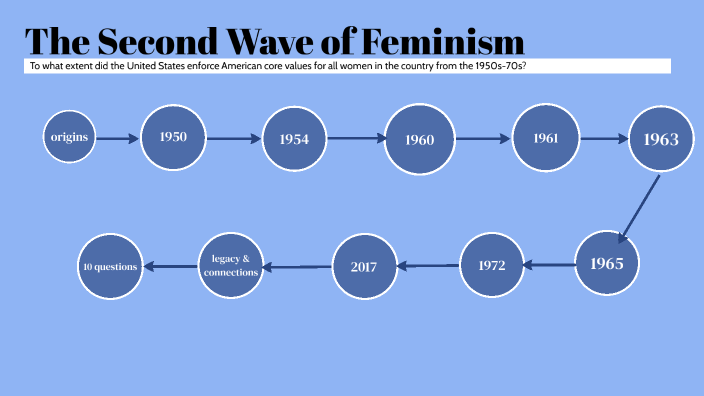
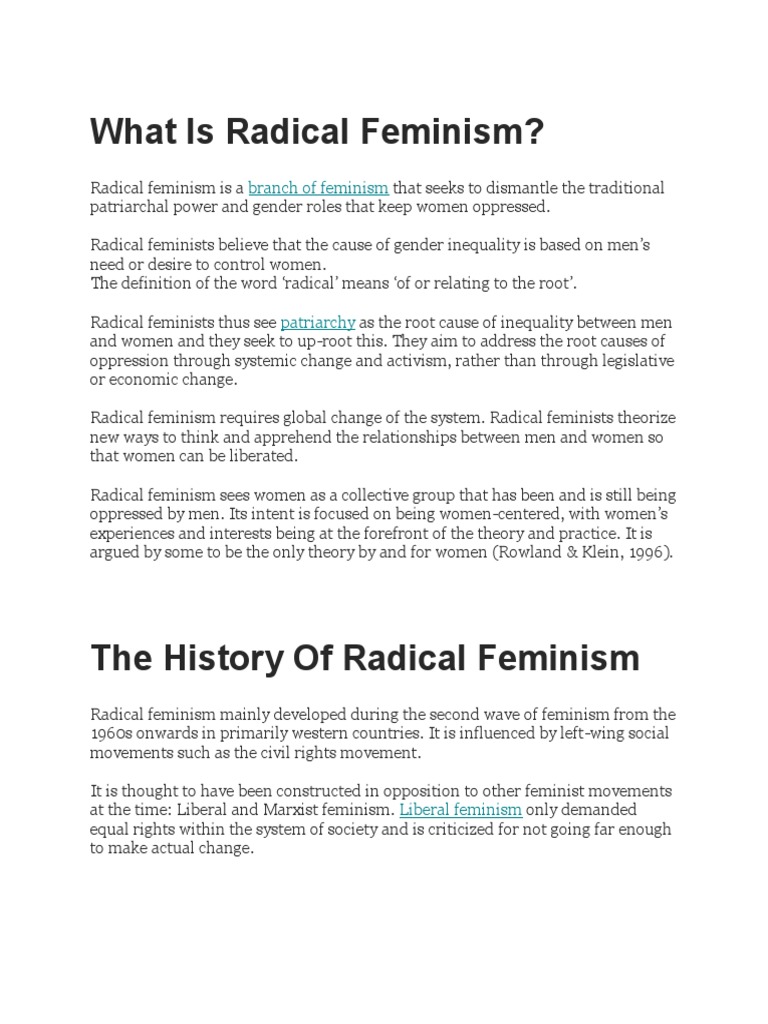
The so-called “Second Wave” of feminism, a seismic shift in socio-political consciousness, erupted in the 1960s and persisted through the 1980s. But let’s be brutally honest: it wasn’t some gentle ripple; it was a damn tsunami. It wasn’t about mere etiquette or access to finishing schools. This was a revolt against the suffocating confines of patriarchal dominion, a demand for complete and utter liberation. To understand its enduring impact, we must dissect its core objectives. It wasn’t some homogenous monolith. It was a cacophony of voices, often dissonant, yet united in their vehement rejection of female subjugation. Let’s plunge into the muck and mire of what these rabble-rousers actually fought for. Prepare to be offended, challenged, and, hopefully, enlightened.
At its heart, the Second Wave was a frontal assault on the ingrained sexism permeating every facet of society. It challenged the very notion that women were somehow inherently inferior, intellectually or emotionally, to men. This wasn’t just about equal pay for equal work (though that was certainly a battleground). It was about dismantling the entire edifice of institutionalized misogyny that relegated women to the roles of dutiful wives, nurturing mothers, and compliant subordinates. This pervasive sexism, they argued, manifested in everything from workplace discrimination to the insidious objectification of women in media and advertising. Remember the Mad Men era? A perfect microcosm of the festering sexism they were fighting. The patriarchy, in its infinite wisdom, deemed women suitable only for the domestic sphere. The Second Wave feminists called bullshit.
One of the most fiercely contested terrains of the Second Wave was the battle for reproductive rights. Control over one’s own body, they argued, was fundamental to achieving genuine autonomy. The right to choose, the right to abortion, the right to access contraception – these were not merely “women’s issues,” but essential components of human dignity. Prior to Roe v. Wade, the legal landscape surrounding abortion was a patchwork of restrictive laws that disproportionately affected poor women and women of color. The lack of access to safe and legal abortions forced many into back-alley procedures with devastating consequences. The fight for reproductive freedom was, therefore, inextricably linked to the broader struggle for social justice. The state had no business dictating what a woman could or could not do with her own uterus. Simple, right?
The legal and political arena became a major battleground. Second Wave feminists actively campaigned for the passage of legislation that would outlaw discrimination based on sex. The Equal Rights Amendment (ERA), though ultimately failing to be ratified, became a rallying cry for the movement. It aimed to enshrine gender equality in the U.S. Constitution, once and for all. They also sought to reform laws concerning marital property, divorce, and child custody, which often disadvantaged women. They marched, protested, lobbied, and even ran for office themselves. They understood that true equality required systemic change, not just individual acts of rebellion. It was about rewriting the rules of the game, not just playing it better.
Beyond the courtroom and the halls of power, the Second Wave also sought to transform cultural attitudes and norms. They challenged the traditional representations of women in literature, art, and media. They deconstructed the male gaze, exposing how women were often depicted as passive objects of desire. They sought to create alternative representations of women that reflected their diverse experiences and aspirations. Consciousness-raising groups became a key tool for empowering women to articulate their own experiences of sexism and to challenge internalized oppression. These groups provided a safe space for women to share their stories, to validate each other’s experiences, and to develop strategies for collective action. They questioned the idea that a woman’s worth was solely determined by her physical appearance or her ability to attract a man. They dared to imagine a world where women could be valued for their intelligence, their creativity, and their contributions to society.
The realm of work and economics was also ripe for revolution. The Second Wave challenged the prevailing gendered division of labor, in which women were primarily responsible for domestic tasks and childcare. They advocated for policies that would support women’s participation in the workforce, such as affordable childcare, paid parental leave, and equal pay. They also challenged the glass ceiling, the invisible barrier that prevents women from reaching the highest levels of corporate and professional leadership. It wasn’t just about getting a job; it was about getting a fair shot at advancement. The economic dependence of women on men, they argued, was a major source of their vulnerability to abuse and exploitation.
Violence against women, a subject long relegated to the shadows, was brought into the harsh glare of public scrutiny. The Second Wave exposed the pervasiveness of domestic violence, rape, and sexual harassment. They established shelters for battered women, rape crisis centers, and support groups for survivors of sexual assault. They challenged the prevailing legal and social attitudes that often blamed victims for the violence they experienced. “The personal is political,” a mantra of the Second Wave, underscored the idea that experiences of violence were not merely individual tragedies but systemic manifestations of patriarchal power. Silence was complicity. They refused to be silent any longer.
The Second Wave also confronted the issue of sexuality. They challenged the notion that female sexuality was inherently passive or that women should only engage in sex for procreation. They embraced female sexual pleasure and celebrated diverse forms of sexual expression. They challenged the double standard that judged women more harshly than men for their sexual behavior. They questioned the societal pressure on women to conform to narrow definitions of femininity and challenged the expectation that women should always prioritize the needs and desires of men. Free love became a battle cry, a rejection of the repressive sexual mores of the past. They dared to explore their own desires and to define their own sexuality on their own terms.
It is crucial to acknowledge the limitations and criticisms leveled against the Second Wave. It has been accused of being predominantly white, middle-class, and heteronormative, often failing to address the specific concerns of women of color, working-class women, and LGBTQ+ women. The focus on the “universal woman” often marginalized the experiences of those who did not fit the dominant mold. Some critics argued that the Second Wave’s emphasis on individual liberation neglected the importance of collective solidarity and social justice. Intersectional feminism, which emerged in later decades, sought to address these shortcomings by recognizing the interconnectedness of various forms of oppression. A more inclusive and nuanced approach to feminism was needed to address the complexities of power and privilege.
The legacy of the Second Wave is undeniable. It laid the groundwork for many of the gains that women have made in the decades since. It transformed legal and political landscapes, challenged cultural attitudes, and empowered countless women to take control of their own lives. While the fight for gender equality is far from over, the Second Wave provided an essential foundation for future generations of feminists to build upon. The battles fought, the sacrifices made, and the victories won continue to resonate today. They sparked a revolution that continues to unfold, a struggle for a world where all individuals, regardless of gender, can live with dignity, autonomy, and justice. This wave may have crested, but the tide is still turning.






Leave a Comment