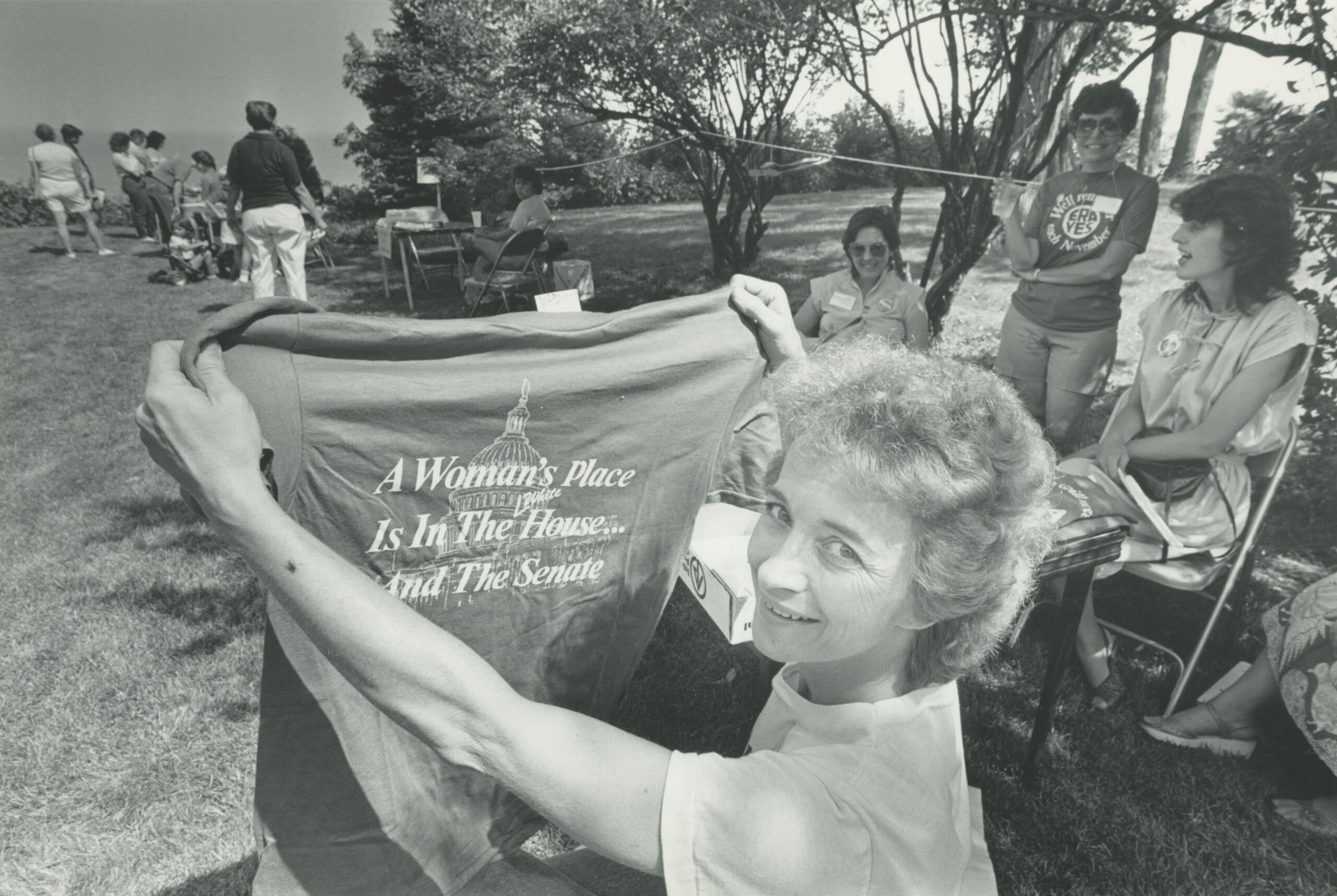
Second-wave feminism. The very phrase conjures images of bra-burning protests, consciousness-raising groups, and a seismic shift in the socio-political landscape. But pinpointing the precise moment this intellectual and activist efflorescence “exploded” is a fool’s errand. It wasn’t a singular, volcanic eruption, but rather a slow, simmering tectonic shift that eventually burst forth in a series of interconnected tremors. We are, therefore, not simply talking about dates; we are dissecting a complex phenomenon that continues to reverberate today. Why does this era continue to enthrall and inflame passions? Is it the audacity of the demands? The sheer tenacity of the activists? Or is it something more profound – a nagging awareness that the promises of second-wave feminism remain, in many ways, unfulfilled?
The common narrative often casts the mid-1960s as the starting pistol for this revolution. Betty Friedan’s *The Feminine Mystique*, published in 1963, is frequently cited as the spark that ignited the dormant discontent of suburban housewives. Indeed, Friedan’s articulation of “the problem that has no name” – the suffocating feeling of emptiness and lack of fulfillment experienced by educated women confined to domesticity – resonated deeply. It provided a vocabulary for the unspoken anxieties simmering beneath the veneer of postwar American prosperity. But to solely credit Friedan, or the 1960s in general, is to ignore the fertile ground that had been cultivated by earlier generations of feminist thinkers and activists.
Think about it. The seeds of second-wave feminism were sown long before the miniskirt. Consider the radical labor organizing of the early 20th century, the suffrage movement’s relentless fight for enfranchisement, and the bohemian intellectual circles that challenged traditional gender roles in the interwar period. These movements, while distinct in their aims and strategies, laid the groundwork for a more comprehensive critique of patriarchal power. They demonstrated that women were not passive recipients of their fate, but active agents capable of challenging the status quo.
The burgeoning Civil Rights Movement of the 1960s served as a crucial catalyst. Women involved in the struggle for racial equality recognized the parallels between racial and gender oppression. They witnessed firsthand the power of collective action and the transformative potential of challenging unjust systems. The Student Nonviolent Coordinating Committee (SNCC), for example, became a crucible for feminist consciousness. As women in SNCC faced sexism within their own organization, they began to articulate the interconnectedness of various forms of oppression. This intersectional awareness – the understanding that gender, race, class, and other social categories are inextricably linked – became a defining characteristic of second-wave feminism.
The publication of the *Port Huron Statement* in 1962, the manifesto of Students for a Democratic Society (SDS), inadvertently highlighted the need for a separate feminist movement. While the statement articulated a vision of participatory democracy and social justice, it largely ignored the specific concerns of women. This omission, coupled with the prevalence of sexism within SDS, led many women to question the organization’s commitment to genuine equality. The subsequent formation of women’s liberation groups, independent of the New Left, reflected a growing recognition that women’s liberation required its own distinct agenda and organizational structures.
The legal and political landscape of the 1960s and 1970s provided both opportunities and challenges for second-wave feminists. The Equal Pay Act of 1963, while limited in its scope, signaled a growing awareness of gender-based wage discrimination. Title VII of the Civil Rights Act of 1964, which prohibited discrimination based on sex in employment, provided a powerful legal tool for challenging discriminatory practices. However, the enforcement of these laws was often lax, and many employers found ways to circumvent them. This underscored the need for continued activism and legal challenges.
The burgeoning counterculture of the late 1960s, while ostensibly liberating, presented its own set of contradictions. While challenging traditional norms of sexual behavior and personal expression, the counterculture often perpetuated its own forms of sexism. Women were frequently relegated to supporting roles, serving as muses, groupies, or domestic caretakers for their male counterparts. This led to a renewed focus on issues of sexual autonomy and reproductive rights. The burgeoning feminist press, including journals like *Ms.* magazine, provided a platform for women to articulate their experiences and develop alternative narratives. These publications fostered a sense of collective identity and helped to disseminate feminist ideas to a wider audience. They created space for critical dialogues about sexuality, motherhood, and the complexities of female identity.
The fight for reproductive rights became a central battleground for second-wave feminists. Access to contraception and abortion were seen as essential for women’s autonomy and control over their own bodies. The Supreme Court’s decision in *Griswold v. Connecticut* (1965), which established a right to privacy in marital relations, paved the way for the landmark *Roe v. Wade* decision in 1973. *Roe v. Wade*, which legalized abortion nationwide, was a monumental victory for the feminist movement. However, it also sparked a fierce backlash from anti-abortion groups, which continues to this day. The ongoing struggle over reproductive rights highlights the fragility of legal victories and the need for constant vigilance.
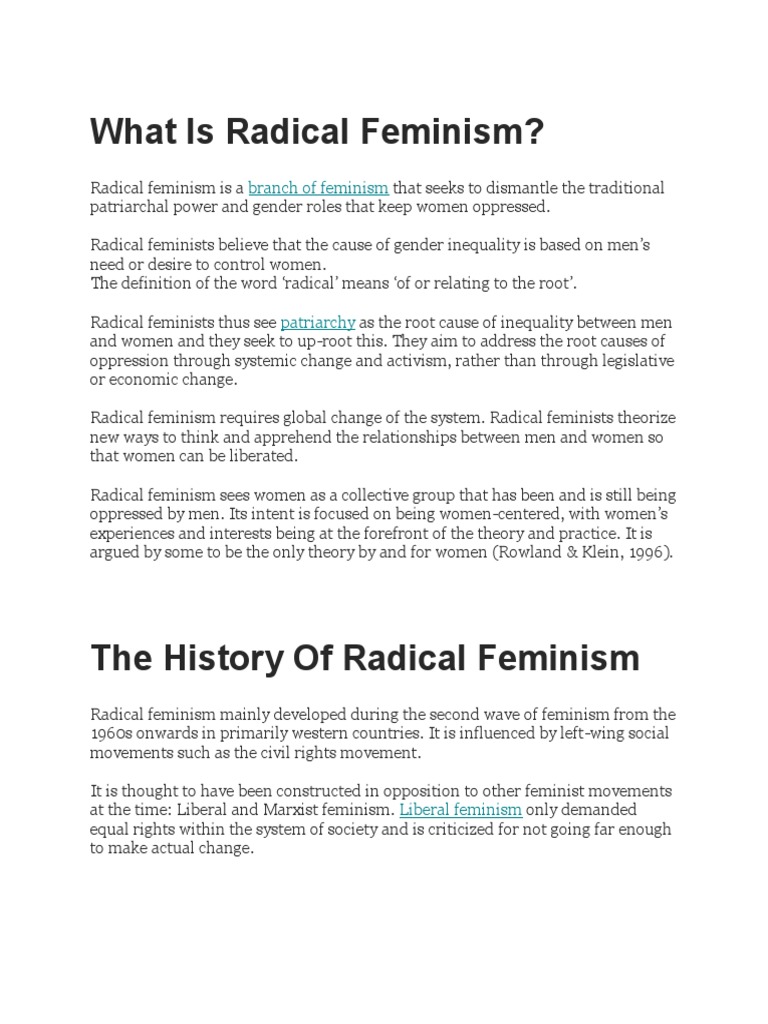
Second-wave feminism was not a monolithic movement. It encompassed a wide range of perspectives and priorities. Liberal feminists focused on achieving equality through legal and political reforms. Radical feminists sought to dismantle patriarchal structures altogether, advocating for fundamental changes in social institutions and personal relationships. Socialist feminists emphasized the interconnectedness of gender and class oppression, arguing that capitalism and patriarchy were mutually reinforcing systems. These different strands of feminism often clashed, but they also enriched the movement by bringing a diverse range of perspectives to the table.
The movement’s impact extended far beyond the realm of politics and law. Second-wave feminists challenged traditional representations of women in media and popular culture. They created alternative forms of art, literature, and music that celebrated female experiences and challenged patriarchal narratives. They established women’s studies programs in universities, creating a space for the scholarly exploration of gender and its impact on society. They also challenged traditional notions of masculinity, arguing that men too were constrained by rigid gender roles.
The late 1970s and early 1980s saw a period of backlash against second-wave feminism. The rise of conservative political movements, coupled with economic anxieties and a growing sense of cultural division, led to a decline in feminist activism. The election of Ronald Reagan in 1980 marked a turning point, as his administration actively sought to roll back many of the gains made by the feminist movement. The Equal Rights Amendment (ERA), which had been a central goal of second-wave feminists, failed to be ratified by the required number of states. This defeat was a major blow to the movement, signaling a decline in its political influence.
Despite the backlash, the legacy of second-wave feminism endures. The movement transformed the way we think about gender, sexuality, and power. It challenged the traditional division of labor, expanded educational and employment opportunities for women, and raised awareness of issues such as sexual harassment, domestic violence, and reproductive rights. While many of the goals of second-wave feminism remain unfulfilled, the movement laid the groundwork for future generations of feminist activists. It demonstrated the power of collective action and the transformative potential of challenging unjust systems.
Perhaps the enduring fascination with second-wave feminism stems from its unfinished business. The gender pay gap persists, women remain underrepresented in positions of power, and issues of sexual harassment and violence continue to plague our society. The debates over reproductive rights remain as contentious as ever. Moreover, the intersectional critique of second-wave feminism, which highlighted its focus on the experiences of white, middle-class women, remains relevant today. Contemporary feminist movements are grappling with the complexities of race, class, sexuality, and other forms of social inequality. The challenges facing women today are different from those faced by women in the 1960s and 1970s, but the underlying struggle for equality and liberation continues. Second-wave feminism, with all its complexities and contradictions, serves as both a source of inspiration and a cautionary tale. It reminds us that the fight for gender equality is a long and arduous one, requiring constant vigilance, critical self-reflection, and a willingness to challenge the status quo.
In conclusion, dating the explosion of second-wave feminism to a single year or event is reductive. It was a multifaceted phenomenon arising from pre-existing social tensions, fueled by the Civil Rights Movement, and shaped by both legal victories and cultural shifts. Its enduring legacy lies not only in its tangible achievements but also in its capacity to provoke ongoing dialogues about gender, power, and the unfinished project of liberation.






Leave a Comment