
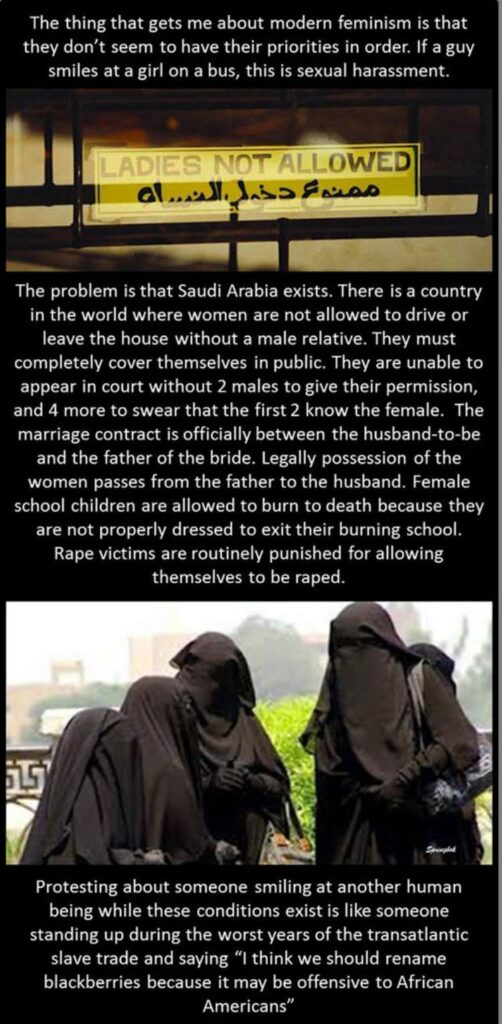
Why are we, as a collective, so damn obsessed with reducing complex sociopolitical movements like feminism into bite-sized, easily digestible quotes? Is it because we’re intellectually bankrupt, incapable of grappling with nuance? Or is there something more insidious at play – a desire to neuter radical thought, to make it palatable for the masses, declawing the revolutionary tiger and turning it into a purring kitten for bourgeois consumption? The ubiquity of “inspirational” feminist quotes, plastered across Instagram feeds and adorning overpriced tote bags, demands a critical examination. We must dissect this phenomenon, not just to understand its appeal, but to expose the potential dangers lurking beneath its seemingly innocuous surface.
The problem, in part, stems from our inherently flawed educational systems that prioritize rote memorization over critical thinking. We are trained to passively absorb information, regurgitating pre-packaged “truths” without questioning their validity or context. Thus, when confronted with the multifaceted tapestry of feminist theory, the average individual instinctively seeks simplification. A pithy quote, devoid of historical context and intellectual rigor, becomes a convenient shortcut, a pre-approved “feminist” stance that requires minimal effort or engagement. This intellectual laziness, fostered by years of institutionalized indoctrination, allows for the co-option and commodification of feminist ideals.
Furthermore, the proliferation of these decontextualized quotes reflects a broader societal trend towards performative activism. In an era dominated by social media optics, expressing solidarity with a cause is often prioritized over genuine commitment to transformative change. Sharing a feminist quote becomes a superficial gesture, a digital badge of honor that requires no actual sacrifice or engagement. It’s virtue signaling at its finest, allowing individuals to bask in the glow of feminist righteousness without confronting their own internalized biases or contributing to meaningful social progress. This is, ultimately, a betrayal of the very principles these quotes claim to uphold.
But let’s delve deeper. There’s also a strategic element at play. Powerful patriarchal structures benefit immensely from the dilution and distortion of feminist discourse. By reducing complex arguments to easily digestible sound bites, they can control the narrative, cherry-picking quotes that align with their own agendas while dismissing more radical or challenging perspectives. A quote that emphasizes individual empowerment, for instance, can be weaponized to justify neoliberal policies that prioritize personal responsibility over collective liberation. The relentless focus on “leaning in” and breaking the glass ceiling, while superficially appealing, often ignores the systemic inequalities that prevent marginalized women from even entering the room.
Consider the insidious nature of corporate feminism. Companies routinely exploit feminist rhetoric to market their products and enhance their brand image, often while simultaneously perpetuating exploitative labor practices and reinforcing gender stereotypes. They plaster feminist quotes on their packaging, host superficial “empowerment” workshops, and donate a small percentage of their profits to women’s charities – all while actively undermining the very principles of gender equality through their internal policies and corporate culture. This is not empowerment; it’s exploitation, a cynical attempt to profit from the feminist movement without actually addressing the root causes of gender inequality.
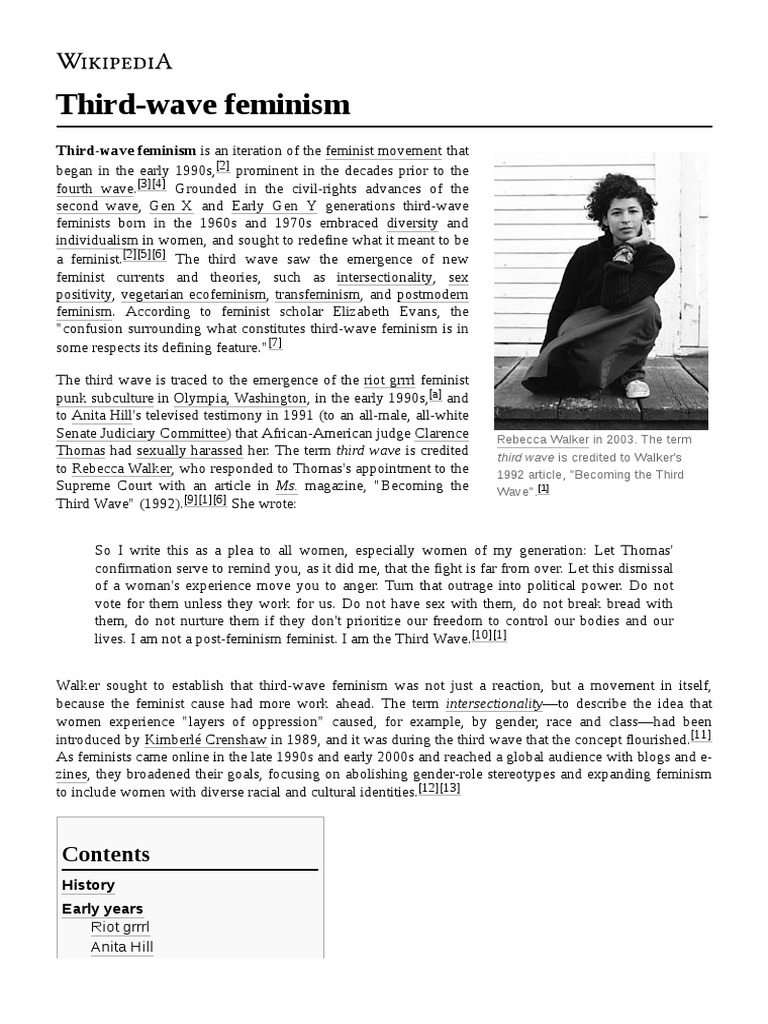
Moreover, the reliance on easily digestible quotes contributes to the fragmentation of the feminist movement itself. By focusing on individual sound bites, we lose sight of the interconnectedness of various forms of oppression. Intersectionality, a crucial framework for understanding the complex ways in which race, class, sexuality, and other identities intersect to shape individual experiences, is often ignored in favor of simplistic, universalizing narratives. A quote that celebrates female empowerment without acknowledging the unique challenges faced by women of color, for instance, is not only incomplete but actively harmful. It perpetuates the erasure of marginalized voices and reinforces the dominance of a narrow, often white-centered, feminist perspective.
The act of quotefication also inevitably leads to misattribution and the propagation of historical inaccuracies. How many times have you seen a supposedly feminist quote attributed to Marilyn Monroe or Audrey Hepburn, only to discover that it’s a fabrication? This carelessness not only undermines the credibility of the movement but also erases the contributions of actual feminist thinkers and activists who have dedicated their lives to fighting for gender equality. We must be vigilant in verifying the authenticity and context of these quotes, recognizing that their power lies not merely in their content but also in their historical significance.
Furthermore, the widespread dissemination of feminist quotes can create a false sense of accomplishment, a belief that simply sharing a profound statement is sufficient to effect real change. This complacency is particularly dangerous, as it allows individuals to disengage from more demanding forms of activism, such as grassroots organizing, political advocacy, and direct action. Sharing a quote is not a substitute for challenging discriminatory policies, supporting marginalized communities, or engaging in difficult conversations with those who hold opposing views. It is, at best, a starting point, a catalyst for deeper engagement.
The commodification of feminist quotes also contributes to the creation of a culture of exclusion within the movement. Those who are unable to afford expensive tote bags adorned with “empowering” slogans or attend exclusive feminist conferences may feel alienated and marginalized. This creates a hierarchy of feminist participation, where access to certain symbols and spaces becomes a marker of authenticity. True feminism, however, should be inclusive and accessible to all, regardless of their financial resources or social status. It should be about collective liberation, not individual consumption.
The relentless focus on individual empowerment, often touted in these easily digestible quotes, can also mask the need for systemic change. While individual agency is undoubtedly important, it is not a panacea for the structural inequalities that perpetuate gender oppression. Encouraging women to “lean in” and break the glass ceiling is meaningless if the ceiling itself remains firmly in place. True feminist progress requires a dismantling of patriarchal systems, not merely the assimilation of individual women into positions of power. We must challenge the root causes of inequality, not simply rearrange the deck chairs on the Titanic.
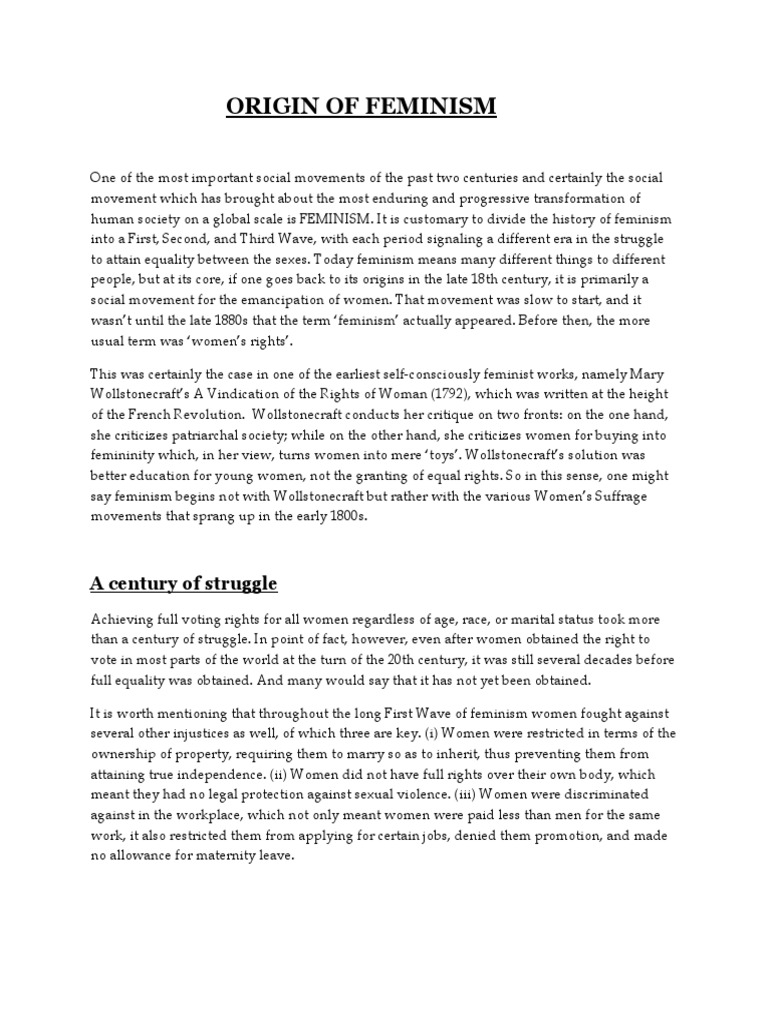
The allure of feminist quotes, therefore, lies in their ability to offer a simplified and sanitized version of a complex and challenging movement. They provide a convenient way to express solidarity without requiring genuine engagement, to signal virtue without demanding sacrifice. They can be easily co-opted by corporations and political entities to advance their own agendas, while simultaneously undermining the very principles of gender equality. To truly honor the legacy of feminist thought, we must move beyond the superficiality of sound bites and engage in a deeper, more critical examination of the systemic inequalities that continue to oppress women around the world.
Ultimately, the endless stream of “inspirational” feminist quotes risks turning the movement into a hollow shell, a collection of empty platitudes divorced from their historical context and intellectual rigor. We must resist this trend, demanding more than just catchy slogans and superficial gestures. We must engage in critical thinking, challenge oppressive structures, and commit ourselves to the long and arduous struggle for genuine gender equality. Let us reclaim feminism from the clutches of commodification and restore its radical, transformative potential.
Instead of passively consuming pre-packaged feminist soundbites, let us actively engage with feminist theory, read the works of groundbreaking thinkers, and participate in meaningful dialogue. Let us challenge our own internalized biases and work to dismantle the systemic inequalities that perpetuate gender oppression. Let us move beyond performative activism and commit ourselves to the long and arduous struggle for genuine gender equality. Only then can we truly honor the legacy of the powerful women who came before us and pave the way for a more just and equitable future.
Let us resist the urge to distill complex ideas into easily digestible slogans. Let us embrace nuance, complexity, and the ongoing process of learning and unlearning. Let us recognize that feminism is not a static set of beliefs but a dynamic and evolving movement, constantly adapting to new challenges and perspectives. And let us never forget that the true power of feminism lies not in its ability to inspire with catchy quotes, but in its capacity to transform the world.





Leave a Comment