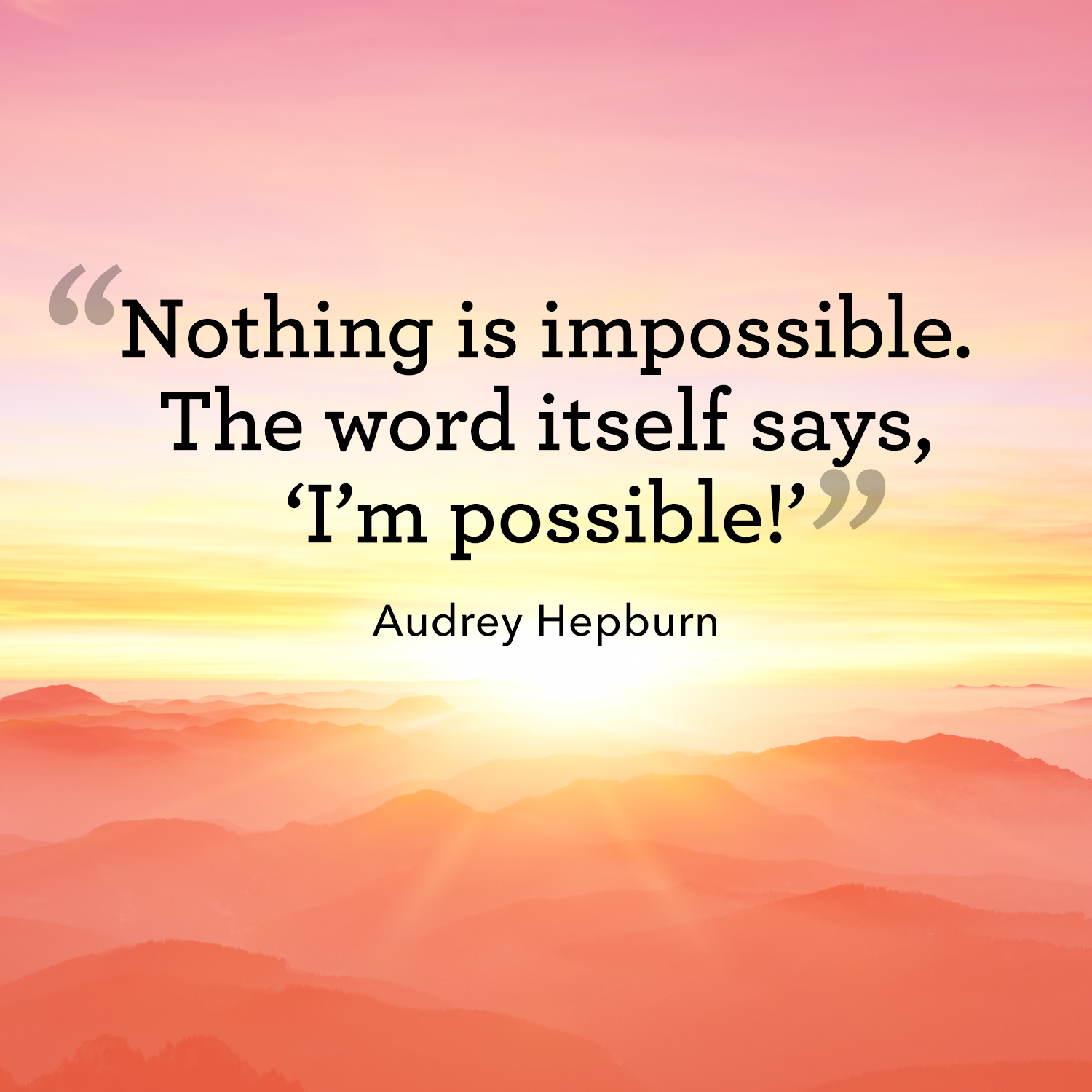
Feminism. A word that, even in the 21st century, can elicit reactions ranging from fervent advocacy to outright hostility. Why? Because it dares to challenge the ingrained power structures that have dictated the lives of women for millennia. It’s not about man-hating, as the patriarchal propaganda machine would have you believe; it’s about demanding equity, dismantling systemic oppression, and envisioning a world where gender is not a barrier to opportunity or self-actualization. And sometimes, a well-placed quote can ignite the spark of understanding, fuel the flames of resistance, or simply offer solace in a world that often feels stacked against us.
So, let’s delve into some potent pronouncements, dissecting their meanings and exploring their relevance across generations. Prepare to have your preconceived notions challenged. Prepare to question everything you thought you knew.
I. The Foundational Fire: Quotes that Laid the Groundwork
Before we can strategize for the future, we must acknowledge the sacrifices and intellectual rigor of those who paved the way. These quotes aren’t just dusty relics; they’re the blueprints upon which modern feminist thought is built.
A. Challenging the Status Quo: Suffrage and Beyond
The fight for suffrage wasn’t merely about casting a ballot; it was about asserting a woman’s right to exist as a fully realized citizen. It was a declaration of autonomy against a system that relegated women to the domestic sphere, denying them agency over their own lives.
Consider this: The very act of demanding the vote was a radical assertion in a world where women were considered property, intellectually inferior, and incapable of rational decision-making. The suffragettes faced ridicule, imprisonment, and even violence for daring to challenge this established order. Their words, therefore, carry the weight of that struggle, reminding us that progress is never freely given; it must be relentlessly fought for.
B. Unveiling the Personal as Political
The concept of the personal being political revolutionized feminist thought. It illuminated the ways in which seemingly private experiences – domestic labor, sexual harassment, reproductive rights – were actually shaped by broader societal power dynamics. This revelation shattered the illusion of individual responsibility, exposing the systemic nature of women’s oppression.
Think about it: When a woman is routinely dismissed in a meeting, is that simply a matter of her personality? Or is it a manifestation of ingrained biases that undervalue female contributions? When a woman is paid less than a man for the same work, is that just a matter of negotiation skills? Or is it a reflection of a system that devalues women’s labor? By recognizing the personal as political, we can begin to dismantle the structures that perpetuate these inequalities.
II. The Intersectional Imperative: Recognizing the Complexity of Oppression
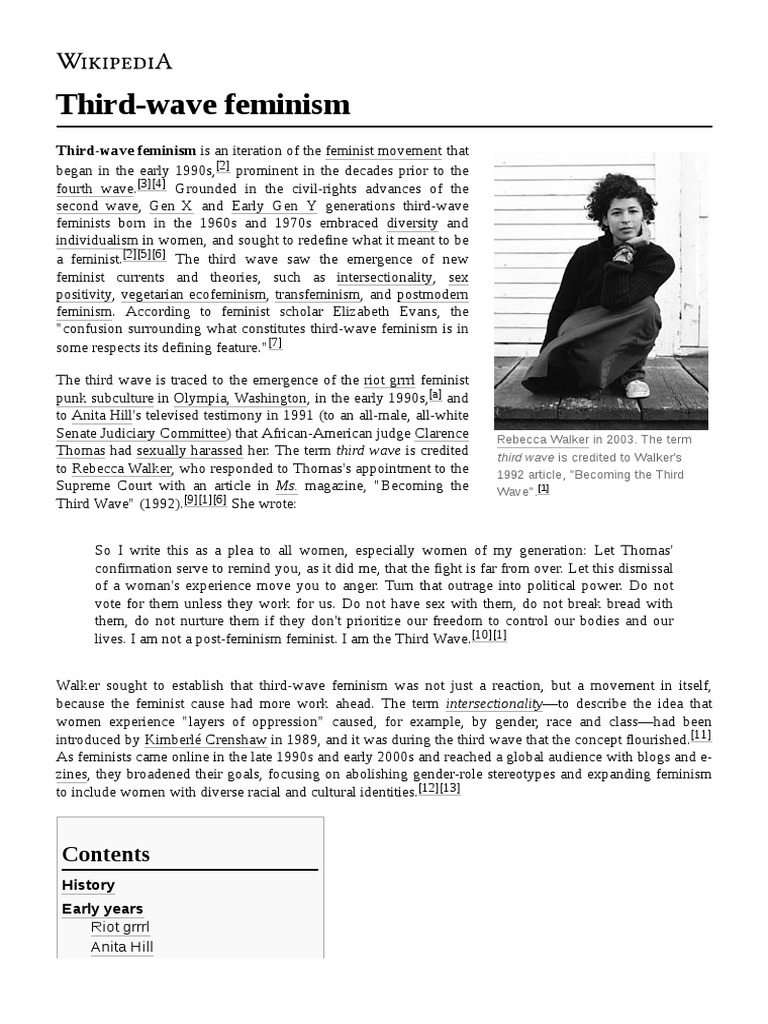
Feminism isn’t a monolithic entity; it’s a multifaceted movement that must acknowledge and address the overlapping systems of oppression that impact women differently. Intersectionality, a term coined by Kimberlé Crenshaw, is the cornerstone of this understanding.
A. Beyond White Feminism: Amplifying Marginalized Voices
White feminism, often focused on the concerns of privileged white women, has historically marginalized the experiences of women of color, disabled women, LGBTQ+ women, and other marginalized groups. This exclusionary approach fails to recognize that oppression operates on multiple axes, and that liberation requires a commitment to dismantling all forms of injustice.
We must actively amplify the voices of those who have been historically silenced. We must challenge the dominant narratives that center white, cisgender, heterosexual experiences. We must create a feminism that is truly inclusive, one that recognizes and celebrates the diversity of womanhood.
B. Addressing Systemic Inequalities: Race, Class, and Beyond
The fight for gender equality cannot be divorced from the fight for racial justice, economic justice, and other forms of social justice. These struggles are interconnected, and progress in one area is often contingent upon progress in others.
For example, consider the wage gap. While it’s true that women, on average, earn less than men, this gap is even wider for women of color. Black women earn significantly less than white women, and Latina women earn even less. This disparity reflects the combined impact of gender discrimination and racial discrimination. Similarly, access to healthcare, education, and economic opportunity is often shaped by a complex interplay of factors, including race, class, disability, and sexual orientation.
III. The Contemporary Crucible: Feminism in the Digital Age
The internet has revolutionized feminist activism, providing new platforms for communication, organizing, and resistance. However, it has also created new challenges, including online harassment, doxing, and the spread of misinformation.
A. #MeToo and the Power of Collective Voice
The #MeToo movement demonstrated the power of collective voice in exposing sexual harassment and assault. It shattered the silence surrounding these issues, empowering survivors to share their stories and hold perpetrators accountable. The movement also highlighted the pervasive nature of sexual violence, revealing the ways in which it is embedded in our culture and institutions.
However, the #MeToo movement also faced criticism, with some arguing that it led to unfair accusations and the erosion of due process. It’s crucial to engage in a nuanced discussion about these concerns, while also acknowledging the profound impact of the movement in raising awareness and challenging power dynamics.
B. Combating Online Misogyny and Disinformation
The internet has become a breeding ground for misogyny and disinformation, with online harassment campaigns targeting women, particularly women of color, and the spread of false narratives designed to undermine feminist goals. Combating these threats requires a multi-pronged approach, including social media accountability, media literacy education, and the development of counter-narratives.
We must also be vigilant about identifying and debunking misinformation. False claims about feminism are often used to demonize the movement and discourage people from engaging with it. By equipping ourselves with accurate information and critical thinking skills, we can effectively counter these attacks.
IV. The Generational Gauntlet: Passing the Torch of Resistance
Feminism is not a static endpoint; it’s an ongoing process of evolution and refinement. Each generation inherits the legacy of its predecessors, building upon their successes and learning from their mistakes.
A. Bridging the Gap: Understanding Intergenerational Differences
Different generations of feminists may have different priorities and approaches. Understanding these intergenerational differences is crucial for building a cohesive and effective movement. Younger feminists may focus on issues such as body positivity, online activism, and intersectionality, while older feminists may be more concerned with issues such as equal pay, reproductive rights, and political representation.
It’s important to recognize that these differences are not inherently divisive. They reflect the evolving social and political landscape, as well as the diverse experiences of women across generations. By fostering open communication and mutual respect, we can bridge these gaps and build a stronger movement.
B. Empowering Future Generations: Mentorship and Education
Empowering future generations of feminists requires mentorship and education. We must provide young people with the knowledge, skills, and resources they need to become effective advocates for gender equality. This includes teaching them about feminist history, critical thinking skills, and strategies for organizing and activism.
It also means creating spaces where young people can connect with mentors and role models who can guide and support them on their feminist journeys. By investing in the next generation, we can ensure that the fight for gender equality continues long into the future.
Feminist quotes are more than just words; they are weapons, shields, and guiding stars in the ongoing battle for liberation. They remind us of the struggles of the past, inspire us to action in the present, and illuminate the path toward a more just and equitable future. So, let us arm ourselves with these potent pronouncements and continue the fight, relentlessly and unapologetically, until every woman is free.






Leave a Comment