Feminism, a tapestry woven with threads of defiance, resilience, and unwavering hope, isn’t just a movement; it’s a seismic shift in the tectonic plates of societal consciousness. It’s a dismantling of antiquated power structures, a fiery rejection of patriarchal norms that have long choked the potential of half the world’s population. But how do you capture the sheer magnitude of this revolution? How do you distill the complex nuances of gender equality, the visceral anger at systemic oppression, and the boundless aspirations for a future where every individual, regardless of their sex or gender identity, can thrive? The answer, perhaps surprisingly, lies in quotations. Snippets of brilliance, crystallized anger, and visionary pronouncements that act as both historical markers and potent catalysts for further action.
Forget the sanitized, watered-down versions of feminism that corporate marketing departments peddle to sell us shampoo. We’re delving into the raw, unfiltered voices that roared against injustice, challenged the status quo, and dared to imagine a world free from gendered constraints. These aren’t just pretty words; they’re weapons. They are the rhetorical Molotov cocktails thrown at the bastions of patriarchal privilege. Get ready to have your perspectives challenged. Question everything. Be prepared to be uncomfortable. Because the true power of feminist thought lies not in its comforting platitudes, but in its relentless demand for systemic change.
I. The Genesis of Discontent: Seeds of Feminist Thought
The seeds of feminist thought weren’t sown in a vacuum. They sprouted from the fertile ground of centuries of oppression, fed by the tears and toil of women denied their basic human rights. Understanding this historical context is crucial to appreciating the revolutionary nature of early feminist pronouncements.
A. Early Whispers of Rebellion: Even before the formal articulation of feminist ideology, women throughout history subtly, and sometimes not so subtly, challenged the constraints placed upon them. Consider the women writers who used pseudonyms to circumvent societal disapproval, the activists who risked their lives to advocate for education, the artists who dared to depict female experiences with unflinching honesty. These acts of defiance, though often marginalized, laid the groundwork for future generations.
B. The Enlightenment’s False Dawn: The Enlightenment, with its emphasis on reason and individual rights, paradoxically offered both hope and disappointment to women. While some thinkers championed equality, others clung to deeply entrenched patriarchal beliefs. This contradiction sparked a critical examination of the very foundations of Western thought, exposing its inherent biases and paving the way for a more radical critique of gender roles.
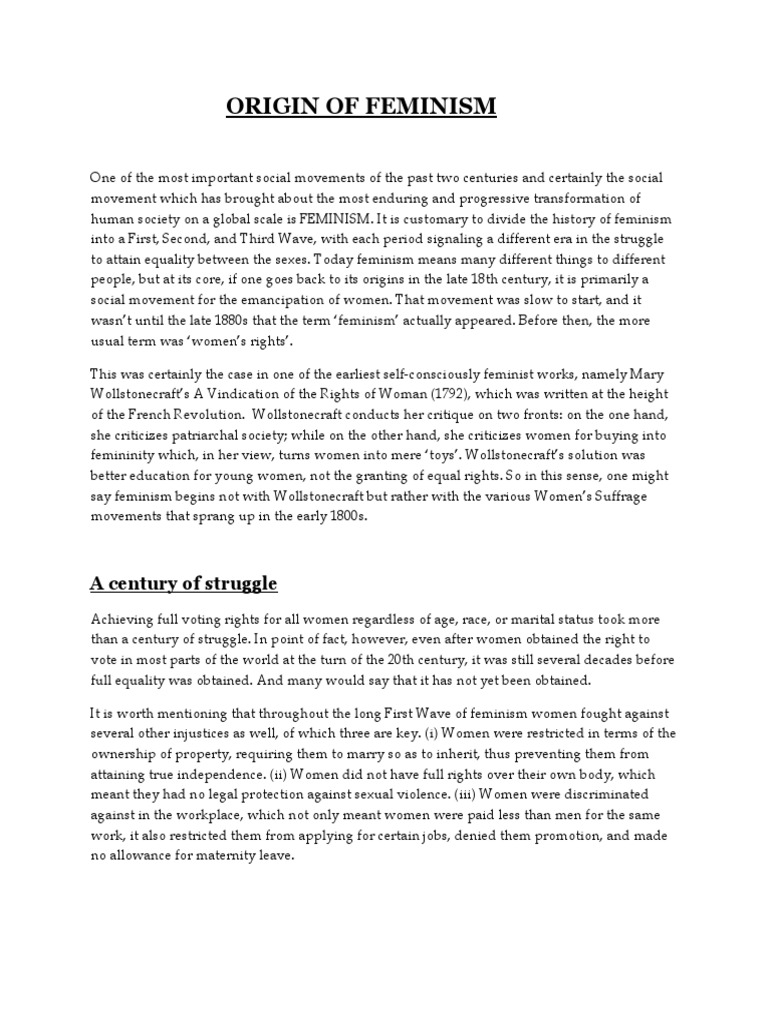
C. Mary Wollstonecraft and the Vindication of Rights: Mary Wollstonecraft’s A Vindication of the Rights of Woman (1792) stands as a seminal text in the history of feminism. Her argument that women are rational beings deserving of the same rights and opportunities as men was a revolutionary assertion in an era that viewed women as intellectually inferior and primarily suited for domestic life. Wollstonecraft’s work challenged the very notion of innate gender differences, arguing that they were the product of social conditioning, not biological destiny.
II. Suffrage and Beyond: The First Wave and its Legacy
The fight for suffrage, the right to vote, became the defining struggle of the first wave of feminism. But this was more than just a quest for political representation; it was a battle for recognition, for agency, for the fundamental right to participate in the shaping of one’s own destiny.
A. “Deeds Not Words”: Militancy and Disobedience: The suffragettes, particularly in Britain, adopted increasingly militant tactics to draw attention to their cause. They disrupted public meetings, chained themselves to railings, and engaged in acts of civil disobedience, facing imprisonment and brutal treatment. These actions, while controversial, forced the issue of women’s suffrage onto the national agenda and demonstrated the unwavering determination of the movement.
B. Beyond the Ballot Box: Social and Economic Justice: While suffrage was a crucial goal, first-wave feminists also recognized the importance of addressing broader social and economic inequalities. They campaigned for improved education for women, access to employment, and legal reforms to protect women’s rights within marriage and the family.
C. The Intersectional Blind Spot: Race and Class: The first wave of feminism, while groundbreaking, was not without its limitations. It often failed to adequately address the experiences of women of color and working-class women, whose struggles were compounded by racism and economic exploitation. This blind spot would later be challenged by subsequent generations of feminists who emphasized the importance of intersectionality.
III. The Personal is Political: Second Wave Ferment
The second wave of feminism, emerging in the 1960s and 1970s, broadened the scope of feminist inquiry, challenging not only legal and political inequalities, but also the deeply ingrained cultural norms that shaped women’s lives.
A. Betty Friedan and the “Problem That Has No Name”: Betty Friedan’s The Feminine Mystique (1963) exposed the widespread discontent among middle-class American housewives, who felt trapped in a stifling cycle of domesticity. Friedan argued that women were being denied their full potential and that society needed to create opportunities for them to pursue meaningful careers and intellectual pursuits.
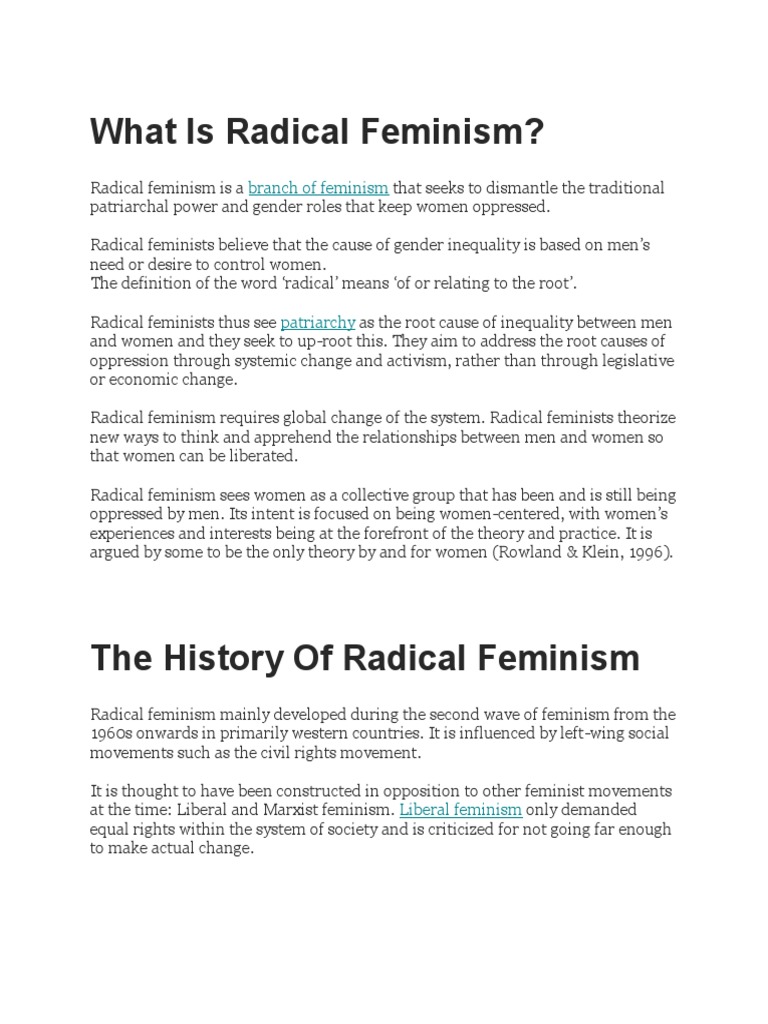
B. Radical Feminism and the Critique of Patriarchy: Radical feminists challenged the very foundations of patriarchal society, arguing that male domination was the root cause of women’s oppression. They advocated for a fundamental restructuring of social institutions, including the family, the workplace, and the legal system.
C. Consciousness-Raising and the Power of Shared Experience: Consciousness-raising groups, in which women shared their personal experiences and analyzed the ways in which they were affected by sexism, became a central feature of the second wave. These groups provided a safe space for women to explore their feelings, challenge internalized oppression, and develop a collective understanding of their shared struggles.
IV. Intersectionality and Beyond: Third Wave and Beyond
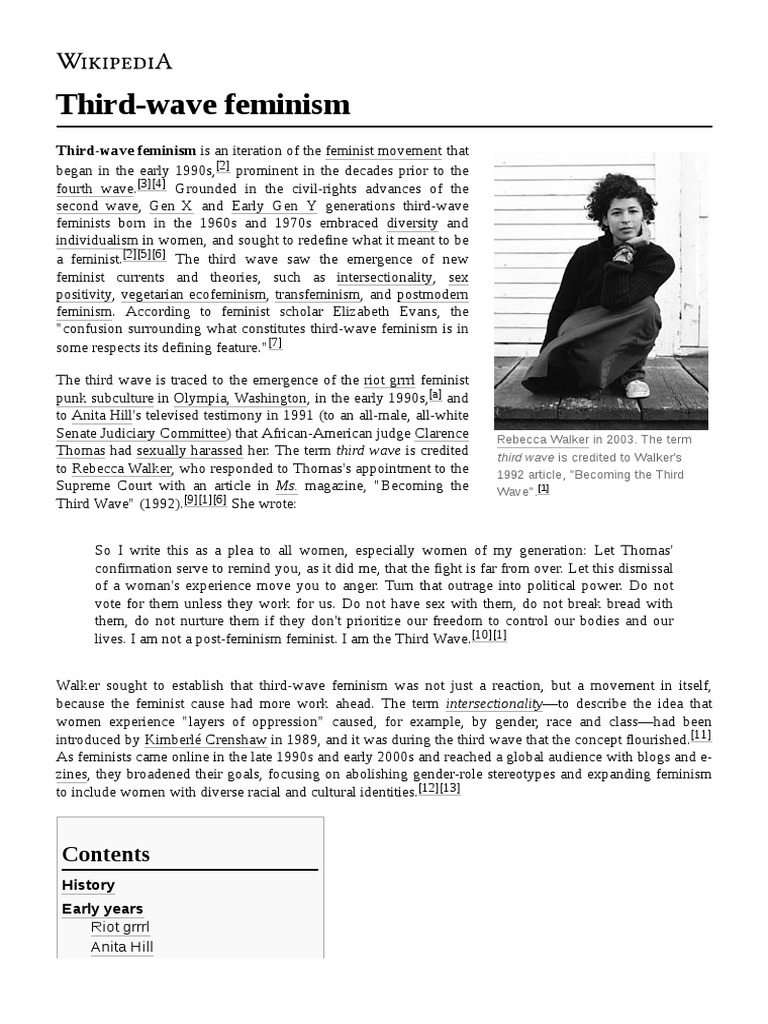
The third wave of feminism, emerging in the 1990s, built upon the achievements of its predecessors while also challenging their limitations. It embraced diversity, celebrated individuality, and emphasized the importance of intersectionality, recognizing that gender is always intertwined with other forms of oppression, such as race, class, and sexuality.
A. Riot Grrrl and the Reclamation of Femininity: The Riot Grrrl movement, a punk rock subculture, empowered young women to express themselves through music, art, and activism. They challenged traditional notions of femininity and embraced a raw, unapologetic aesthetic. They refused to be silenced and used their voices to speak out against sexism, homophobia, and other forms of oppression.
B. Transgender Inclusion and the Expanding Definition of Gender: Contemporary feminism increasingly recognizes the importance of transgender inclusion and challenges the binary understanding of gender. It acknowledges that gender is a social construct and that individuals should have the right to define their own gender identity.
C. The Digital Age and Global Feminist Activism: The internet and social media have revolutionized feminist activism, providing new platforms for communication, organization, and mobilization. Feminist activists are using these tools to connect with each other across borders, share their stories, and advocate for change on a global scale. The power of collective action has never been more accessible.
V. Quotations as Weapons: Deconstructing and Rebuilding
The quotations we’ve explored are more than just historical artifacts; they are potent weapons in the ongoing struggle for gender equality. They remind us of the battles that have been fought and won, and they inspire us to continue the fight for a more just and equitable future.
A. Challenging the Status Quo: Quotes That Provoke Action: “Well-behaved women seldom make history.” This quote, often attributed to Marilyn Monroe (though its origins are debated), encapsulates the spirit of feminist defiance. It reminds us that progress requires challenging the status quo, questioning authority, and refusing to conform to societal expectations.
B. Reclaiming Language: Reframing the Narrative: “Feminism isn’t about making women stronger. Women are already strong. It’s about changing the way the world perceives that strength.” This quote by G.D. Anderson highlights the importance of shifting perspectives and challenging the ingrained biases that undervalue women’s contributions.
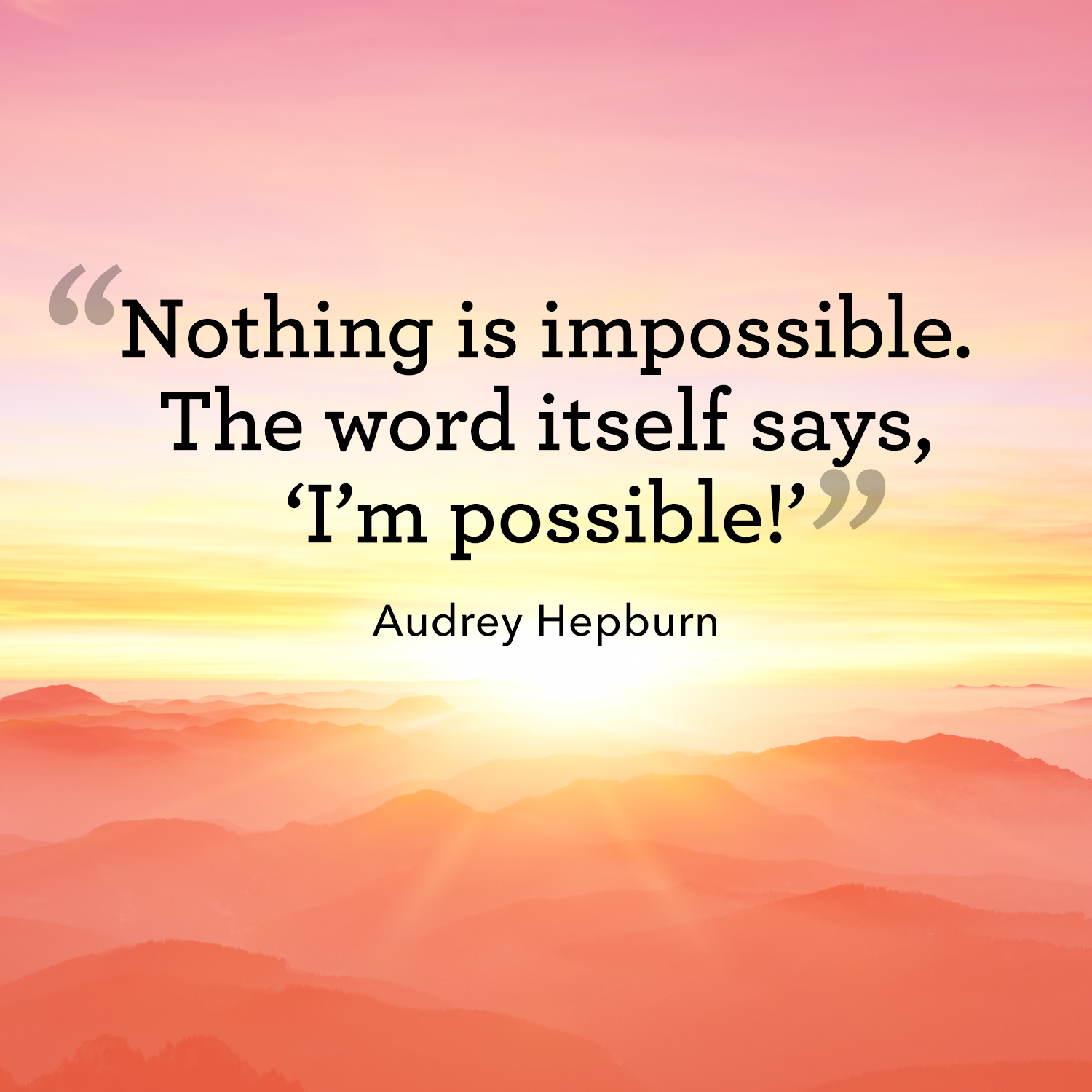
C. Building a Future of Equity: Quotes That Inspire Hope: “I raise up my voice—not so I can shout, but so that those without a voice can be heard…we cannot all succeed when half of us are held back.” – Malala Yousafzai. This potent statement emphasizes the interconnectivity of social justice and the essentiality of inclusivity.
These quotations, and countless others, serve as a constant reminder that the fight for gender equality is far from over. They challenge us to examine our own biases, to speak out against injustice, and to work towards a future where every individual can reach their full potential, free from the constraints of gender.






Leave a Comment